Sell a Home: 5 Powerful Decluttering Hacks That Wow Buyers

Buying a home is exciting. It can also feel stressful. The home inspection checklist helps buyers feel calm, prepared, and confident. It gives you clarity before you move forward.
A home inspection is not just a formality. It is a powerful step in protecting your investment. It gives you real insight into the home condition. It also helps you plan ahead.
If you are buying in New Hampshire, this guide is for you. Whether you are viewing South Hudson houses for sale or Southern NH houses for sale, knowing what to look for matters.
Let us walk through the inspection process together. Think of this as a friendly conversation, not a scary report.
Why a Home Inspection Matters When You Buy a Home
A home inspection gives you knowledge. Knowledge builds confidence. Confidence helps you make smart decisions.
The inspector checks major systems and visible areas. They look for safety issues. They look for signs of damage. They also look for wear and tear.
Even a beautiful home can hide problems. Some issues cost very little to fix. Others can cost thousands. This is why inspections matter.
For buyers, inspections provide leverage. You can ask for repairs. You can ask for credits. You can also walk away if needed.
In New Hampshire real estate, inspections are common. Most buyers include them in the offer. Skipping one can be risky.
What a Home Inspection Is and Is Not
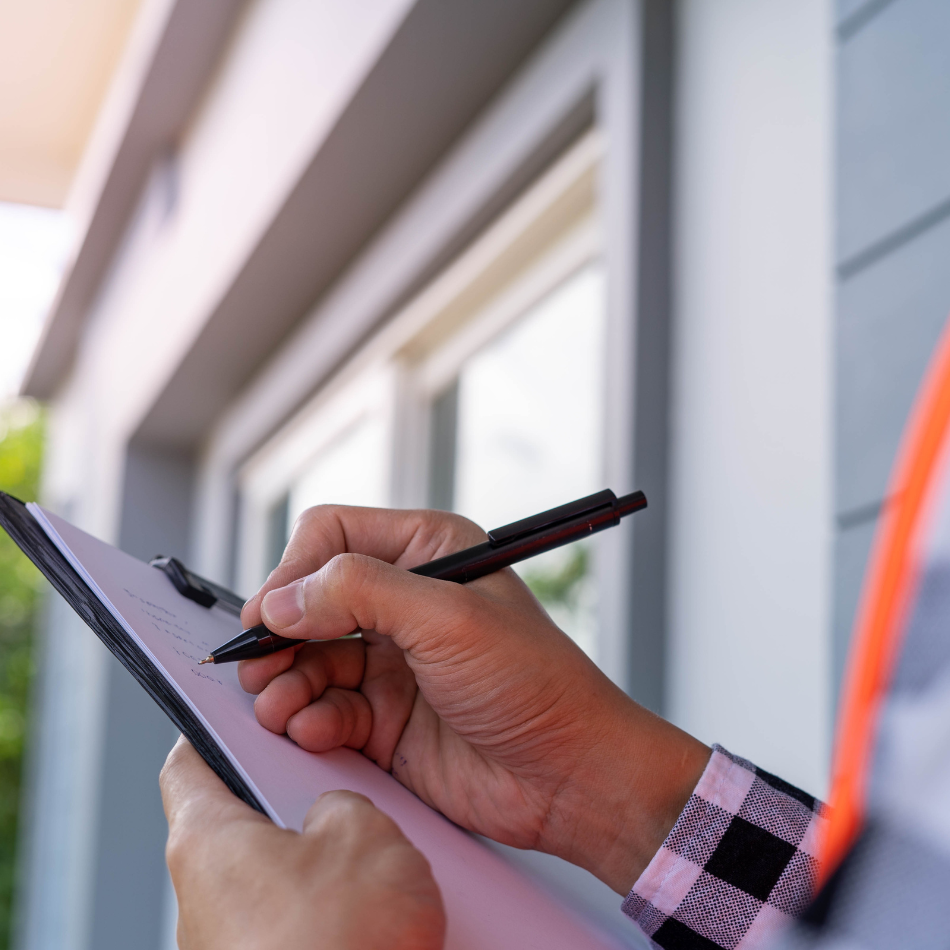
A home inspection is a visual review. It is not invasive. Inspectors do not open walls. They do not dig into the ground.
They inspect what they can see and access. This includes systems, structures, and surfaces.
A home inspection is not a guarantee. It does not predict future problems. It also does not provide a home value.
It is a snapshot of the home condition today. That snapshot is extremely valuable.
When the Home Inspection Happens
The inspection usually happens after your offer is accepted. It takes place during the inspection contingency period.
In New Hampshire, this window is often short. Buyers should schedule inspections quickly.
The inspection usually lasts two to four hours. Buyers are encouraged to attend. Being present helps you learn the home.
This is also a great time to ask questions. No question is too small.
Your Complete Home Inspection Checklist
This home inspection checklist walks through each major area. It helps buyers know what matters most.
Exterior Inspection Checklist
The exterior protects the home. It also protects everything inside.
Roof
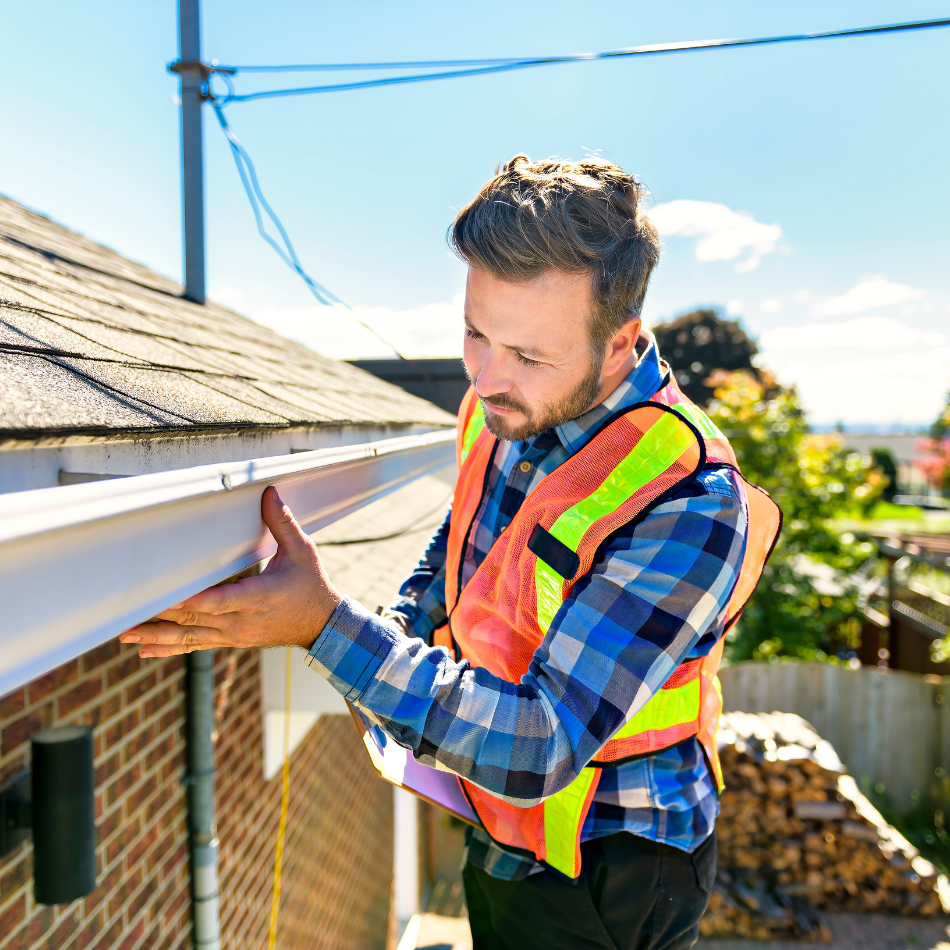
The roof should be inspected carefully. Look for missing shingles. Look for curling or cracking. Check flashing around chimneys and vents.
Ask about the roof age. Roofs have a lifespan. Knowing the age helps with future planning.
Siding and Trim
Siding should be secure and intact. Look for cracks, rot, or warping. Wood trim should be solid, not soft.
Paint should not be peeling excessively. Peeling can allow moisture inside.
Foundation
The foundation should appear solid. Small cracks can be normal. Large cracks may signal concern.
Water stains or damp areas matter. Ask about drainage and grading.
Windows and Doors
Windows should open and close easily. Doors should latch properly. Gaps may signal settling or moisture issues.
Check for broken seals or foggy glass.
Decks and Porches
Decks should feel sturdy. Railings should be secure. Wood should not show rot.
Steps should be even and safe.

Interior Inspection Checklist
The inside of the home tells a story. Pay attention to details.
Walls, Ceilings, and Floors
Look for cracks or stains. Stains may signal past leaks. Cracks can be cosmetic or structural.
Floors should feel level. Sloping floors may need further review.
Windows and Interior Doors
Interior doors should open smoothly. Windows should lock properly.
Check for drafts. Drafts impact comfort and energy costs.
Stairs and Railings
Stairs should feel solid. Railings should be secure. Safety matters here.
Kitchen Inspection Checklist
The kitchen is one of the most used spaces.
Appliances
Inspectors usually check built in appliances. They test basic functions. This includes ovens, dishwashers, and ranges.
Ask about appliance age when possible.
Cabinets and Counters
Cabinets should be secure. Look under sinks for leaks. Check counters for cracks or damage.
Plumbing
Run the water. Check pressure. Look for leaks below sinks.
Drainage should be smooth.
Bathroom Inspection Checklist
Bathrooms handle moisture daily. Moisture control matters.
Plumbing and Fixtures
Toilets should flush properly. Faucets should not drip. Showers should drain well.
Leaks under vanities matter.
Ventilation
Bathrooms need ventilation. Fans help reduce moisture. Poor ventilation can cause mold.
Surfaces
Check grout and caulk. Loose or missing areas may allow water damage.
Electrical System Checklist
Electrical systems impact safety and function.
Panel and Wiring
Inspectors check the panel type. They note wiring concerns. Older homes may have outdated systems.
Ask if the system meets current standards.

Outlets and Switches
Outlets should be grounded where required. Switches should function properly.
GFCI outlets are required in certain areas.
Plumbing System Checklist
Water is essential. Plumbing issues can be costly.
Pipes
Inspectors look for visible leaks. They note pipe materials. Some older materials may need updates.
Water Heater
Check the age of the water heater. Most last eight to twelve years.
Ask about capacity and condition.
Heating and Cooling Checklist
Comfort matters in New Hampshire seasons.
Heating System
Inspectors test basic operation. They note age and fuel type.
Ask about service history.
Cooling System
If present, air conditioning should function. Inspectors test temperature output.
Maintenance history matters here.
Attic and Insulation Checklist
The attic impacts energy efficiency.
Insulation
Proper insulation helps control energy costs. Inspectors note depth and type.
Ventilation
Ventilation helps prevent moisture buildup. Poor airflow can cause issues.
Basement and Crawl Space Checklist
Below ground areas tell important stories.
Moisture
Look for dampness or musty smells. Water intrusion should be addressed.
Structure
Inspectors look for beam and support concerns. Sagging or damage matters.
Environmental and Safety Items
Some inspections include added tests.
Radon
Radon testing is common in New Hampshire. Elevated levels can be mitigated.
Smoke and Carbon Monoxide Detectors
These should be present and working. Safety matters for every buyer.
Reviewing the Inspection Report
Inspection reports can feel overwhelming. Take your time.
Focus on major items first. Safety issues matter most. Structural concerns matter next.
Cosmetic issues are common. Do not panic over small items.
Your REALTOR can help review the report. They can explain what matters.
Negotiating After the Inspection
Inspections create options.
Buyers can request repairs. Buyers can request credits. Buyers can adjust terms.
Not every item needs negotiation. Focus on big picture concerns.
In competitive markets, strategy matters. Your agent helps guide this step.
Inspection Tips for New Hampshire Buyers
Older homes are common in Southern NH. Older homes can still be great homes.
Expect some wear. Focus on function and safety.
Weather impacts homes here. Snow, rain, and cold take a toll.
This makes inspections even more important.
Buying in South Hudson and Southern NH
South Hudson houses for sale offer great neighborhoods. Southern NH houses for sale attract many buyers.
Homes move fast. Preparation helps.
Knowing your home inspection checklist gives you confidence. Confidence helps you compete.
How a REALTOR Helps During Inspections
Your REALTOR does more than schedule the inspection.
They attend with you. They help explain findings. They help negotiate next steps.
They also connect you with trusted inspectors.
This guidance is valuable, especially for first time buyers.
Buying With Confidence
Buying a home is a big step. It should feel exciting, not scary.
A strong home inspection checklist gives you clarity. It helps you plan. It helps you protect your investment. No home is perfect. The goal is understanding.
When you know what you are buying, you move forward with confidence. If you are exploring South Hudson houses for sale or Southern NH houses for sale, inspections matter.
Take your time. Ask questions. Lean on your REALTOR. You deserve to feel confident when you buy a home.
If you need more information on a home inspection checklist, or are ready to sell your house give us a call at (603) 883-8840. You can also sign up for your dream home search or reach out to Our Agents for more information. We’d love to help you with your real estate needs.