Tag Archives for " home seller "

Buying your first home is an exciting milestone. However, the process can also feel overwhelming, especially when you are trying to understand financing, closing costs, and available assistance programs. Fortunately, New Hampshire offers valuable resources that can help make homeownership more achievable. This First Time Homebuyer guide explains programs through the New Hampshire Housing Finance Authority, down payment assistance options, and other benefits available to local buyers. Whether you are looking at South Nashua houses for sale or exploring Southern NH Houses for sale, understanding these programs can help you take the next step with confidence.
Many first time homebuyers assume they need a large down payment before they can purchase a home. However, that is not always true. In fact, many programs are designed to help qualified buyers overcome common barriers.
Additionally, New Hampshire has several resources that provide financial support, education, and guidance. These programs can help buyers feel prepared before making one of the biggest purchases of their lives.
If you have been dreaming about owning a home in the Granite State, now is a great time to learn about your options.
The path to homeownership has changed over the years. Today, buyers have access to more resources than ever before.
First time buyers often face several challenges. These can include saving for a down payment, understanding mortgage options, and managing closing expenses.
Fortunately, assistance programs can help reduce some of these challenges. As a result, buyers may be able to purchase a home sooner than expected.
Furthermore, these programs are not only for buyers with limited income. Many assistance options are available to a variety of buyers who meet certain qualifications.
Therefore, it is important to explore available resources before assuming homeownership is out of reach.

The New Hampshire Housing Finance Authority, commonly known as NHHFA, plays an important role in helping residents achieve homeownership.
NHHFA works with approved lenders throughout the state to provide affordable mortgage options and assistance programs. These programs are designed to make buying a home easier for qualified buyers.
Additionally, NHHFA provides education resources that help buyers understand the home buying process. This support can be especially valuable for people purchasing their first home.
Through these programs, buyers may receive benefits such as competitive mortgage rates, down payment assistance, and other financial resources.
Because every buyer’s situation is different, it is important to speak with an approved lender to understand available options.
One of the biggest benefits of using NHHFA programs is access to affordable mortgage options.
These programs are designed to help qualified buyers purchase homes throughout New Hampshire. They are available for many types of properties, including single family homes, condominiums, and some multi family properties.
Additionally, NHHFA programs often include fixed rate mortgages. This provides predictable monthly payments and makes budgeting easier.
Furthermore, buyers may be able to combine mortgage programs with down payment assistance.
This combination can create a more affordable path to homeownership.
For buyers searching for NH homes for sale, these programs can provide valuable opportunities.
Saving for a down payment is one of the biggest challenges many first time buyers face.
Although some buyers believe they need 20 percent down, many loan programs require much less.
However, even a smaller down payment can feel difficult when combined with moving expenses, inspections, and closing costs.
That is where down payment assistance programs can help.
Through qualifying programs, buyers may receive funds that help cover part of their down payment or closing costs.
Additionally, these programs can help buyers keep more savings available for future expenses.
This extra financial flexibility can make homeownership feel less stressful.

The amount needed to buy a home depends on several factors.
First, your loan program will determine the required down payment. Conventional loans, FHA loans, and other programs each have different requirements.
Next, buyers should consider closing costs. These expenses can include lender fees, title services, inspections, and prepaid expenses.
Fortunately, assistance programs may help with some of these costs.
Additionally, buyers should create a realistic budget before starting their search.
A comfortable monthly payment is more important than simply qualifying for the highest loan amount.
For example, buyers looking at South Nashua houses for sale should consider taxes, insurance, maintenance, and other ownership expenses.
Owning a home can provide financial advantages beyond building equity.
One potential benefit is the ability to take advantage of certain tax deductions. Depending on your situation, mortgage interest and property taxes may provide tax benefits.
However, tax rules can change. Therefore, buyers should always speak with a qualified tax professional for personalized advice.
Additionally, homeowners often benefit from long term appreciation.
As property values increase, homeowners may build wealth over time.
This is one reason real estate remains one of the most popular long term investments.
Many renters spend years paying housing costs without building ownership.
However, homeowners build equity with every mortgage payment.
Equity can become an important financial resource in the future.
For example, homeowners may use equity when upgrading to a larger home, investing in another property, or preparing for retirement.
Furthermore, owning a home provides stability.
You have more control over your living space, your monthly payment, and your future plans.
For many buyers, purchasing their first home becomes the foundation for long term financial growth.
Before starting your home search, preparation is extremely important.
First, review your finances. Check your credit score, organize your income information, and create a realistic budget.
Next, meet with a trusted lender. A lender can explain loan options and determine which programs may fit your situation.
Additionally, buyers should learn about neighborhoods and local markets.
For example, someone interested in Southern NH Houses for sale may want to compare communities, taxes, schools, and commuting options.
The more prepared you are, the smoother the buying process becomes.
Buying your first home involves many decisions. Having the right guidance can make a major difference.
A knowledgeable NH REALTOR can explain neighborhoods, market conditions, and important steps throughout the transaction.
Additionally, a REALTOR can help you understand property values and negotiate effectively.
For example, buyers exploring South Nashua houses for sale may benefit from local insight about different areas, amenities, and future value.
Furthermore, a REALTOR can connect you with trusted lenders and professionals who understand first time buyer programs.
Having the right team creates confidence throughout the process.
Even with assistance programs available, buyers should avoid common mistakes.
One mistake is waiting too long to learn about financing options.
Many buyers start searching for homes before understanding their budget.
Another mistake is focusing only on the purchase price.
Instead, buyers should consider the full cost of ownership.
This includes taxes, insurance, utilities, maintenance, and future repairs.
Additionally, buyers should avoid making large financial changes before closing.
For example, opening new credit accounts or making major purchases can affect loan approval.
By staying prepared, buyers can avoid unnecessary stress.

Southern New Hampshire offers many communities with different lifestyles and price points.
Buyers can find everything from historic homes to newer construction.
Additionally, each community provides unique benefits.
Some buyers prefer the convenience of city locations. Others enjoy quieter suburban neighborhoods.
For those interested in Southern NH Houses for sale, programs like NHHFA can open doors to more possibilities.
Communities throughout the region continue to attract buyers because of strong schools, employment opportunities, and quality of life.
With the right planning, many buyers can find a home that fits both their lifestyle and budget.
The current real estate market can feel competitive. However, preparation gives buyers a major advantage.
First, understand your financing options.
Next, create a clear list of priorities.
Then, work with professionals who can guide you through the process.
Additionally, remember that your first home does not need to be perfect.
Many homeowners start with a home that meets their current needs and build from there.
Over time, ownership can provide financial growth and personal stability.
Becoming a homeowner in New Hampshire is an exciting goal. Fortunately, many programs exist to help make that dream possible.
The First Time Homebuyer resources available through NHHFA, along with down payment assistance programs, can provide valuable support.
These tools help buyers overcome financial challenges and move closer to owning a home.
Whether you are searching for South Nashua houses for sale or looking throughout the state, understanding your options is the first step.
The journey may seem complicated at first. However, with preparation, education, and the right team, it becomes much easier.
If you are exploring Southern NH Houses for sale, remember that buying a home is not just about finding a property. It is about creating a place where your future can grow.
With the right guidance and available resources, your first home could become one of the best decisions you ever make.
If you need more information on First Time Homebuyer programs, or are ready to sell your house give us a call at (603) 883-8840. You can also sign up for your dream home search or reach out to Our Agents for more information. We’d love to help you with your real estate needs.

Buying a home in Southern New Hampshire can feel exciting and challenging at the same time. With changing market conditions and strong buyer demand, many people wonder what their budget can actually buy. This guide takes a closer look at $500,000 Homes NH buyers can find today and what features may be available across different communities. Whether you are searching for South Nashua houses for sale or exploring Southern NH Houses for sale, understanding your options helps you make a confident decision.
A $500,000 budget remains an important price point in the Southern New Hampshire real estate market. It can open the door to many different possibilities. However, what you find depends greatly on the town, neighborhood, lot size, home condition, and current inventory.
For example, a $500,000 home in Manchester may offer something very different than a home at the same price in Windham or Londonderry.
Therefore, buyers should look beyond the price tag. The location, lifestyle, and long term value all matter.
Southern New Hampshire continues to attract buyers because of its location, strong communities, and quality of life.
Many people choose the region because it offers a balance between convenience and comfort. Residents enjoy access to shopping, restaurants, employment centers, outdoor recreation, and excellent community resources.
Additionally, the area provides options for many lifestyles. Buyers can find city living, suburban neighborhoods, and more rural properties.
However, housing inventory remains competitive in many communities. As a result, buyers often need to understand the market before beginning their search.
A realistic budget helps create a better home buying experience. Knowing what your money can purchase allows you to focus on the right areas.
A $500,000 budget is considered a strong buying position in many Southern New Hampshire communities.
However, expectations should match the local market.
In some towns, buyers may find newer homes with modern features. In other areas, the same budget may provide an older home with more land.
Additionally, location plays a major role.
Homes closer to Massachusetts often have stronger competition because many buyers want shorter commutes.
Meanwhile, communities farther north may offer more space and larger lots.
Therefore, understanding local differences is important when comparing homes.
Nashua remains one of the most popular communities in Southern New Hampshire.
The city offers convenience, employment opportunities, shopping, restaurants, and a variety of neighborhoods.
For buyers interested in $500,000 Homes NH, Nashua often provides several options.
Depending on the neighborhood, buyers may find:
Three bedroom single family homes
Updated older homes
Homes with finished basements
Properties with manageable yards
Townhomes or condominiums
Nashua is attractive because it offers city conveniences while maintaining a community feel.
South Nashua is especially popular because of its location. Buyers searching South Nashua houses for sale often appreciate the area’s access to shopping, highways, and nearby communities.
At this price point, buyers may find homes with updated kitchens, newer systems, and desirable neighborhood locations.
However, competition can be strong. Well maintained homes often attract attention quickly.
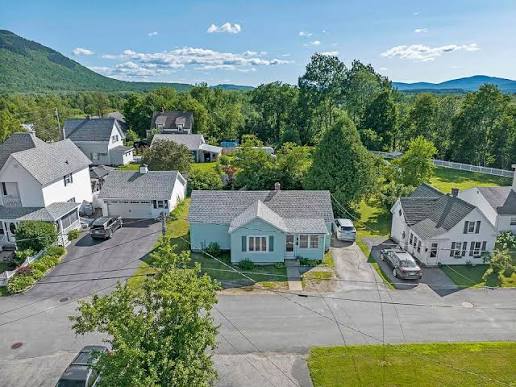
Hudson is another popular Southern New Hampshire community.
Many buyers are drawn to Hudson because it offers a suburban lifestyle with easy access to Nashua and Massachusetts.
At approximately the $500,000 price point, buyers may find:
Three bedroom homes
Larger yards
Established neighborhoods
Updated interior spaces
Homes with garages
Additionally, Hudson provides a quieter atmosphere while remaining close to shopping and services.
Many families appreciate the town’s parks, recreation opportunities, and community feeling.
For buyers looking at Southern NH Houses for sale, Hudson often provides a strong combination of location and value.
Londonderry continues to be one of Southern New Hampshire’s most desirable towns.
The community offers a wonderful blend of history, open space, convenience, and suburban comfort.
At the $500,000 price range, buyers may find:
Older colonial style homes
Split level homes
Ranch style properties
Homes needing minor updates
Neighborhood properties with outdoor space
Additionally, Londonderry is known for its beautiful landscapes and strong community atmosphere.
Buyers looking at Londonderry homes often value privacy and convenience.
For those searching Londonderry houses for sale, a $500,000 budget may require some flexibility. Buyers may need to consider home age, updates, and lot size.
However, the town’s lifestyle appeal continues to make it highly desirable.
Litchfield offers a different experience compared to some neighboring towns.
The community provides more open space, larger lots, and a peaceful environment.
For buyers seeking more land, Litchfield can offer excellent value.
At the $500,000 level, buyers may find:
Larger lots
Traditional New England homes
Rural style properties
Homes with outdoor features
More privacy
Additionally, Litchfield provides convenient access to Nashua and Manchester.
This makes it appealing for buyers who want a quieter lifestyle without feeling isolated.
The town is a great example of how location influences value.
A similar budget may provide more space here compared to some nearby communities.

Windham is known for its desirable location, excellent community reputation, and attractive neighborhoods.
Because of strong demand, homes in Windham often receive significant buyer interest.
At the $500,000 price range, buyers may find:
Smaller single family homes
Older properties
Homes needing updates
Townhomes or condominium options
Properties with desirable locations
However, buyers should understand that Windham often commands higher prices because of demand.
The community’s proximity to Massachusetts makes it appealing for commuters.
Additionally, many buyers value the town’s natural beauty and residential feel.
Manchester offers one of the widest ranges of housing options in Southern New Hampshire.
As the largest city in the state, Manchester provides many different neighborhoods and property types.
At $500,000, buyers may find:
Larger homes
Historic properties
Multi family investments
Updated city homes
Properties near amenities
Furthermore, Manchester provides strong convenience.
Residents enjoy restaurants, entertainment, healthcare, and employment opportunities.
For buyers who want more space or investment potential, Manchester can provide exciting possibilities.
Additionally, the city offers opportunities that may be harder to find in smaller communities.
One important question buyers should ask is what lifestyle fits them best.
A $500,000 budget can create different experiences depending on location.
In a city like Manchester or Nashua, buyers may enjoy:
Shorter commutes
More restaurants
More entertainment
Greater housing variety
In suburban towns, buyers may enjoy:
More privacy
Larger yards
Quieter neighborhoods
More outdoor space
Therefore, the best choice depends on personal priorities.
A buyer who loves walking to restaurants may prefer city living. A buyer who wants gardening space may prefer a suburban or rural setting.

Today’s buyers often have a wish list.
They may want updated kitchens, open layouts, modern bathrooms, and energy efficient features.
However, the $500,000 price point requires buyers to prioritize.
Some homes may offer updated interiors but smaller lots.
Others may provide larger properties but require renovations.
Additionally, newer construction may offer modern features but less space.
Therefore, buyers should decide which features matter most.
A knowledgeable REALTOR can help identify which tradeoffs make sense.
Real estate value is strongly connected to location.
Two homes with similar square footage may have very different prices because of their town or neighborhood.
For example, a home near major highways may appeal to commuters.
A property near parks or trails may attract outdoor enthusiasts.
Additionally, school districts, taxes, and future development can affect value.
Therefore, buyers should consider the entire picture.
The right home is not always the newest home. It is the home that fits your lifestyle and future goals.
If you are shopping in this price range, preparation matters.
First, get pre approved before starting your search.
Next, understand your monthly budget.
Additionally, research different towns.
Visit neighborhoods and compare what each community offers.
Furthermore, work with a local REALTOR who understands Southern New Hampshire.
Local expertise can help you recognize good opportunities and make strong decisions.
For example, someone interested in South Nashua houses for sale may benefit from guidance about different neighborhoods and pricing trends.
A smart buyer looks beyond today’s appearance.
Some homes may need cosmetic updates but have excellent potential.
For example, fresh paint, new flooring, or landscaping can create significant improvement.
Additionally, buyers should consider long term value.
A home in a strong community with good access to amenities may continue to perform well over time.
Furthermore, choosing the right location can help protect your investment.
Real estate is not only about the home you buy today. It is also about future possibilities.
Southern New Hampshire continues to attract buyers from many backgrounds.
Some are relocating for jobs. Others want more space, better communities, or a change in lifestyle.
The region offers a unique combination of affordability compared to nearby areas, natural beauty, and convenience.
Additionally, the Manchester Nashua area provides strong economic opportunities.
This continued demand supports long term interest in local real estate.
For buyers exploring Southern NH Houses for sale, understanding the market creates confidence.
A $500,000 budget can still provide exciting opportunities throughout Southern New Hampshire.
The key is understanding your priorities and knowing how each town compares.
Whether you prefer the convenience of Nashua, the community feel of Hudson, the charm of Londonderry, the open spaces of Litchfield, or the energy of Manchester, there are options available.
If you are exploring South Nashua houses for sale or comparing Southern NH Houses for sale, a local REALTOR can help you navigate today’s market.
The perfect home may look different depending on the town, but the goal remains the same. Find a place where you feel comfortable, build memories, and create lasting value.
With the right preparation and guidance, $500,000 Homes NH buyers can discover wonderful opportunities throughout Southern New Hampshire.
If you need more infor on $500,000 Homes NH, or are ready to sell your house give us a call at (603) 883-8840. You can also sign up for your dream home search or reach out to Our Agents for more information. We’d love to help you with your real estate needs.
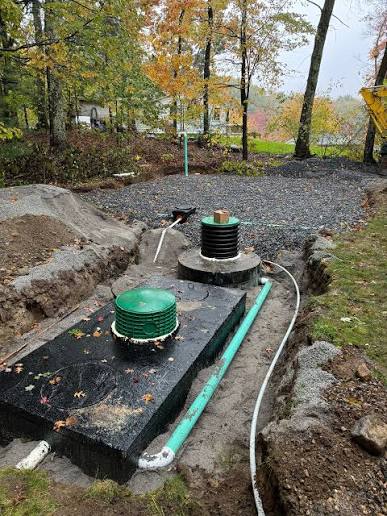
Buying a home in a new state comes with many exciting possibilities, but it also brings new things to learn. For many out of state buyers looking at Southern NH homes, one important topic is understanding septic systems. Septic Systems 101 is designed to help buyers understand how private septic systems work, what inspections involve, and what maintenance costs to expect before purchasing a New Hampshire property. If you are searching for Londonderry houses for sale or exploring Southern NH houses for sale, knowing how septic systems work can make your home buying journey much smoother.
Many buyers moving from larger cities are familiar with public water and city sewer systems. However, many homes throughout Southern New Hampshire use private septic systems instead. These systems are common in suburban and rural areas because they allow homeowners to manage wastewater on their own property.
Fortunately, septic systems are reliable when they are properly designed, inspected, and maintained. In fact, many homeowners enjoy the benefits of owning a property with a private septic system because they avoid monthly sewer bills. Still, buyers need the right information before making one of the biggest purchases of their lives.
A septic system is a private wastewater treatment system located on the homeowner’s property. Instead of sending wastewater to a city treatment facility, the septic system collects, treats, and filters household waste underground.
Typically, a septic system includes a septic tank and a leach field. First, wastewater from sinks, showers, toilets, and appliances flows into the septic tank. Then, the tank separates solids from liquids.
As a result, heavier materials settle at the bottom and create sludge. Meanwhile, lighter materials float to the top and form a layer called scum. The liquid portion then moves into the drainage area, also known as the leach field.
The leach field allows treated wastewater to slowly filter back into the soil. Therefore, the soil plays an important role in naturally cleaning the water before it returns to the environment.
Because septic systems rely on natural processes, they need proper care. However, when maintained correctly, many systems can last for decades.
Southern New Hampshire offers a wonderful mix of convenience, nature, and beautiful neighborhoods. Many towns feature larger lots, wooded areas, and peaceful settings. Because of this, private septic systems are very common.
Towns such as Londonderry, Hudson, Windham, Litchfield, Merrimack, and Amherst have many homes with private septic systems. These communities provide buyers with space, privacy, and a quieter lifestyle while still offering easy access to shopping, restaurants, and employment centers.
For buyers searching for Londonderry houses for sale, understanding septic systems can provide valuable confidence during the buying process. Many desirable properties include private septic systems because they allow homeowners to enjoy larger lots without depending on municipal sewer connections.
Additionally, many Southern NH houses for sale offer features buyers want, including acreage, outdoor living space, and established neighborhoods. However, these homes may come with private septic systems instead of city sewer.
This does not mean the home is harder to maintain. Instead, it means buyers need to understand the system and follow recommended maintenance schedules.
Understanding the basics of a septic system can help buyers feel more comfortable. Although the process sounds complicated, the system works in a simple way.
First, wastewater leaves the home through underground pipes. Next, it enters the septic tank. Inside the tank, natural bacteria break down waste materials.
Over time, solids collect inside the tank. Therefore, homeowners must schedule regular pumping to remove built up waste. If the tank becomes too full, problems can develop.
After the wastewater leaves the tank, it enters the leach field. The soil filters and treats the remaining wastewater before it reaches groundwater.
Because septic systems depend on natural treatment, homeowners must be careful about what enters the drains. For example, grease, harsh chemicals, and certain products can damage the system.
Overall, a properly maintained septic system quietly works in the background every day.

A septic inspection is an important part of buying a home in New Hampshire. Before purchasing a property, buyers should understand the condition of the septic system.
Typically, a septic inspection includes reviewing available records, examining the tank, checking the components, and evaluating the overall condition of the system. In some cases, inspectors may recommend pumping the tank during the inspection process.
Additionally, buyers should review the septic design documents when available. These records can provide information about the system size, installation date, and property approval.
New Hampshire homes often have septic systems that vary in age. Some homes may have newer systems, while others may have systems that have been serving families for many years.
Therefore, working with an experienced NH REALTOR can help buyers understand what questions to ask. A knowledgeable agent can guide buyers through the inspection process and help them make informed decisions.
While septic inspections are strongly recommended, requirements can vary depending on the situation. Some lenders, municipalities, or purchase agreements may have specific requirements.
In addition, older homes may require extra attention. A newer septic system with proper records may provide more peace of mind. However, an older system does not automatically mean there is a problem.
Instead, buyers should focus on the system’s condition, maintenance history, and remaining life expectancy.
During the home buying process, buyers should also consider the cost of future repairs. A good inspection helps uncover potential concerns before closing.
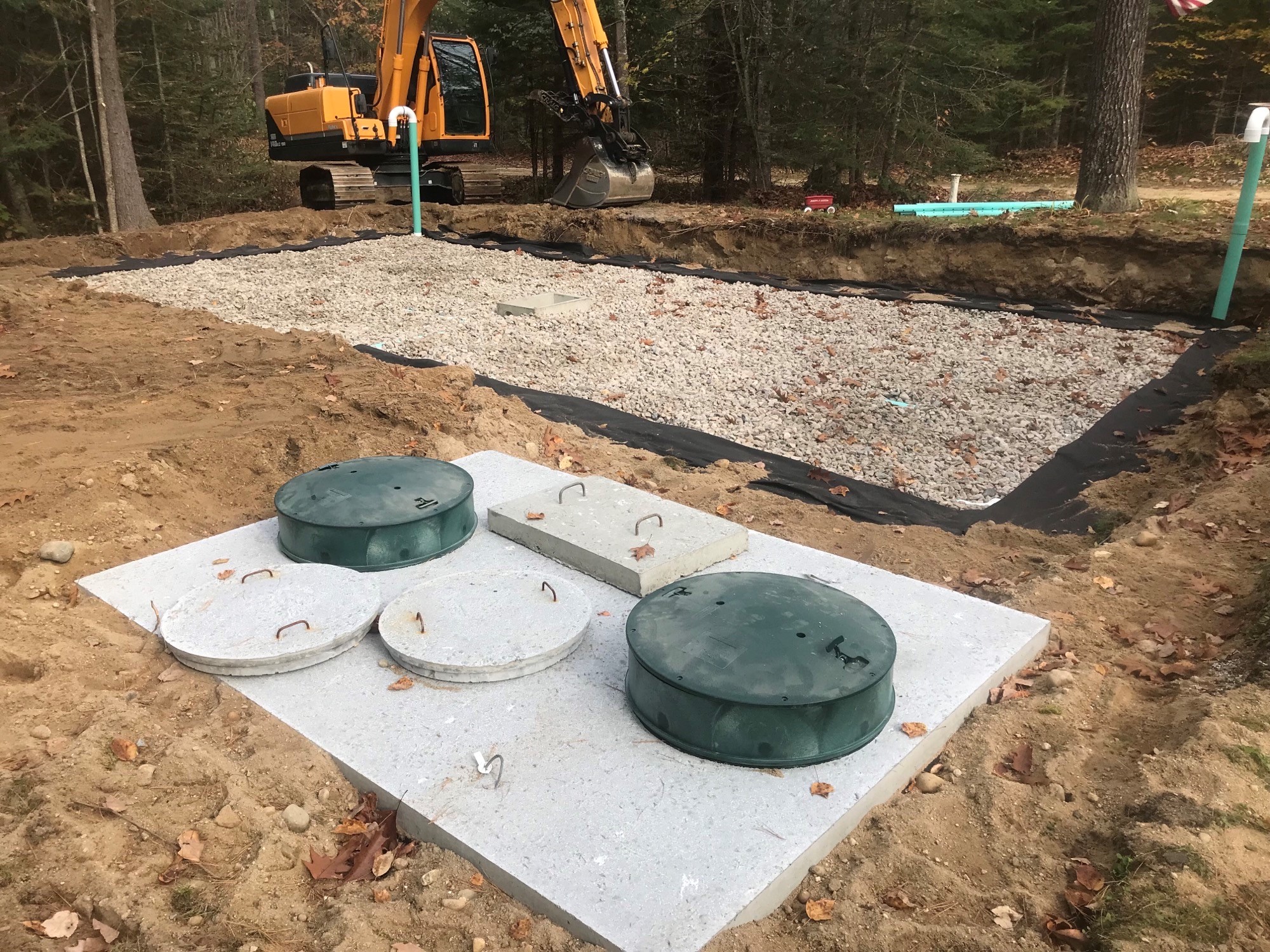
One of the biggest questions buyers ask is about septic system costs. Fortunately, routine maintenance is usually affordable compared to major repairs.
Most homeowners should expect to pump their septic tank every two to three years. However, the timing depends on the size of the tank, the number of people living in the home, and household usage.
A typical septic pumping service may cost several hundred dollars. Although this is an expense, regular pumping can help prevent much larger problems.
Additionally, homeowners should budget for occasional inspections and possible repairs. Components such as pumps, pipes, or distribution boxes may eventually need attention.
The good news is that proper maintenance can significantly extend the life of a septic system. Simple habits today can help protect your investment for years.
Most septic systems work well when homeowners take care of them. However, buyers should understand common warning signs.
Slow drains throughout the home can sometimes indicate a septic issue. Likewise, unusual odors, wet areas near the drain field, or sewage backups require immediate attention.
Also, lush green grass over the septic area may look attractive, but it can sometimes indicate excess moisture. Therefore, buyers should have concerns evaluated by a qualified professional.
Another important factor is the location of the septic system. Buyers should understand where the tank and leach field are located because future landscaping or building projects may be limited.
For example, homeowners should avoid placing sheds, pools, or heavy structures over septic areas. This information can help protect the system long term.
Moving to New Hampshire from another state can feel overwhelming. Buyers often need to learn new terms, understand different construction styles, and become familiar with local systems.
For many out of state buyers, septic systems are one of the biggest differences. However, learning the basics before shopping can make the process easier.
When looking at Southern NH real estate, buyers should ask questions early. Find out whether the property has a private septic system or connects to public sewer.
Also, review the available records and schedule appropriate inspections. Taking these steps creates confidence and helps prevent surprises after moving in.
Whether you are relocating for work, family, retirement, or a lifestyle change, understanding septic systems gives you a stronger advantage.
Although septic systems require maintenance, they also offer many benefits. One advantage is having more independence from municipal systems.
Many homeowners appreciate having larger lots and more privacy. Septic systems are also common in some of the most desirable neighborhoods throughout Southern New Hampshire.
Additionally, homeowners do not pay monthly sewer fees. Over time, this can create savings compared to homes connected to city sewer systems.
Furthermore, private septic systems can support beautiful properties with gardens, outdoor spaces, and natural surroundings.
For buyers exploring New Hampshire real estate, septic systems should not be viewed as a negative. Instead, they are simply another important part of understanding the home.
Buying a home involves many important decisions. From location and price to inspections and maintenance, every detail matters.
When searching for Southern NH houses for sale, buyers should consider all aspects of the property. A septic system is one piece of the overall home investment.
With the right information, septic systems become much less intimidating. Buyers can confidently understand how they work, what maintenance they require, and what questions to ask.
If you are exploring Londonderry houses for sale or other communities throughout Southern New Hampshire, having an experienced REALTOR by your side can make the process easier. A local professional understands the homes, neighborhoods, and important details that affect your purchase.
Ultimately, Septic Systems 101 gives buyers the knowledge they need to make smart decisions. With proper inspections, regular maintenance, and a clear understanding of the system, a home with a septic system can provide years of comfort and enjoyment.
If you need more information on Septic Systems 101, or are ready to sell your house give us a call at (603) 883-8840. You can also sign up for your dream home search or reach out to Our Agents for more information. We’d love to help you with your real estate needs.

Buying a home is one of the biggest financial decisions most people make. Therefore, understanding NH property taxes can help buyers and homeowners feel more confident. Many people are surprised when they compare tax bills between towns because the amounts can look very different. For example, someone looking at South Nashua Houses for Sale may notice a different tax bill than someone viewing Amherst properties. Likewise, buyers searching for Southern NH Houses for Sale often compare communities based on more than just the purchase price.

The good news is that New Hampshire property taxes are easier to understand once you know how the system works. Although tax bills can seem complicated, the basics are straightforward. Property taxes help fund important local services like schools, roads, emergency services, and town operations. Because each town has different needs and budgets, tax rates can vary greatly across the state.
In New Hampshire, property taxes are mainly collected at the local level. Towns, cities, and school districts create budgets each year. Then, those budgets are divided among property owners based on the assessed value of their homes and land.
Simply put, your property tax bill depends on two main things. First, it depends on your property’s assessed value. Second, it depends on the tax rate set by your town and other local taxing districts.
A home with a higher assessed value usually has a higher tax bill. However, a town with a lower tax rate may still have lower overall taxes than a town with a higher rate. Therefore, looking only at the tax rate does not always tell the full story.
Each year, towns review their budgets and determine how much money they need to raise through property taxes. As a result, tax rates can change from year to year. Additionally, property assessments may change when home values increase or when towns complete property revaluations.
One of the most common questions buyers ask is why property taxes differ so much between communities. The answer comes down to local budgets, services, property values, and community needs.
For example, Nashua and Amherst are both desirable Southern New Hampshire communities, but they have different budgets and structures. Nashua is a larger city with more public services, more infrastructure, and a larger population. Amherst is a smaller town with a different community style, different expenses, and different property values.
Because each community creates its own budget, tax rates reflect local priorities. Some towns spend more on schools, while others may have different levels of municipal services. Also, towns with more commercial properties may have a larger tax base, which can help reduce the amount needed from residential homeowners.
This is why buyers should not automatically assume a lower tax rate means a better value. Instead, it is important to look at the complete picture. A slightly higher tax bill may provide valuable services, excellent schools, and strong community benefits.

One of the most common questions buyers ask is why property taxes differ so much between communities. The answer comes down to local budgets, services, property values, and community needs.
For example, Nashua and Amherst are both desirable Southern New Hampshire communities, but they have different budgets and structures. Nashua is a larger city with more public services, more infrastructure, and a larger population. Amherst is a smaller town with a different community style, different expenses, and different property values.
Because each community creates its own budget, tax rates reflect local priorities. Some towns spend more on schools, while others may have different levels of municipal services. Also, towns with more commercial properties may have a larger tax base, which can help reduce the amount needed from residential homeowners.
This is why buyers should not automatically assume a lower tax rate means a better value. Instead, it is important to look at the complete picture. A slightly higher tax bill may provide valuable services, excellent schools, and strong community benefits.
Many homeowners confuse assessed value with market value. Although they are connected, they are not always the same.
Your home’s assessed value is the value used by your town to calculate property taxes. The town determines this value through assessments and periodic revaluations. Meanwhile, market value is what buyers are willing to pay for your home in the current real estate market.
When home prices rise, assessed values may also increase after a townwide review. However, your assessment does not automatically mean your home will sell for that amount. The real estate market, buyer demand, location, condition, and features all influence the sale price.
For homeowners thinking about selling, understanding assessments can be helpful. Buyers often review taxes before making an offer. A knowledgeable NH REALTOR can explain how taxes compare between nearby communities and how they may affect affordability.
Many people moving to New Hampshire are surprised by the state’s tax system. New Hampshire does not have a broad based state income tax or a general sales tax on everyday purchases. Instead, the state relies more heavily on property taxes and other revenue sources.
Because of this structure, property owners carry a larger share of funding for local services. In many ways, the property tax replaces some of the revenue that other states collect through income and sales taxes.
For buyers relocating from states with income taxes or higher sales taxes, the difference can feel significant. A homeowner may pay more in property taxes but save money in other areas of their budget.
However, every situation is different. A buyer should compare the total cost of living rather than looking at one expense alone. Housing costs, insurance, utilities, transportation, and taxes all play a role in affordability.


When searching for a home, taxes are an important factor. However, they should be part of a larger financial picture.
A home with a slightly higher tax bill may offer benefits that matter to your lifestyle. These benefits could include a shorter commute, better access to shopping, larger lots, community programs, or highly rated schools.
For example, someone searching for South Nashua houses for sale may compare neighborhoods based on convenience, location, and monthly expenses. At the same time, another buyer looking at Southern NH Houses for sale may focus on space, privacy, and town services.
A good real estate professional helps buyers understand these differences. Instead of simply comparing tax rates, buyers can make informed decisions based on value, comfort, and long term goals.
Property taxes matter for sellers too. When preparing to list a home, owners should understand how taxes may affect buyer interest.
A higher tax bill does not always hurt a home’s value. Many buyers understand that desirable towns often have higher expenses because they provide strong services and community advantages.
However, sellers should be prepared to answer questions about taxes. Buyers may ask about the current tax amount, recent increases, or how the property compares with nearby homes.
A REALTOR can help explain these details while highlighting the features that make the home attractive. Strong marketing shows buyers the complete value of the property, not just one number on a tax bill.
When comparing homes in different communities, start by looking beyond the listing price. Monthly costs include more than just a mortgage payment.
Consider the property taxes, insurance costs, maintenance expenses, and potential utility costs. Also, think about how the town fits your lifestyle.
Next, review local services and community features. Look at schools, recreation, commuting options, and nearby amenities. These factors often influence long term satisfaction.
Additionally, work with a local real estate expert who understands the differences between New Hampshire communities. A knowledgeable REALTOR can help explain why one town may have higher taxes while still offering excellent value.
Buying a home should feel exciting, not overwhelming. Understanding taxes helps buyers make smarter choices and avoid surprises after closing.
Whether you are exploring city neighborhoods or quiet country communities, every town has something unique to offer. Some buyers prefer the convenience of Nashua, while others enjoy the charm and space found in smaller towns like Amherst.
For buyers searching throughout Southern New Hampshire, comparing communities carefully can lead to a better home buying experience. Many people exploring South Nashua houses for sale also compare nearby towns to find the right balance of price, taxes, and lifestyle.
Likewise, buyers reviewing Southern NH Houses for sale often discover that each community has different strengths. The best choice depends on your personal needs, financial goals, and future plans.
Understanding NH property taxes gives homeowners and buyers a stronger foundation for making real estate decisions. Although taxes can vary widely, they are only one piece of the overall homeownership picture.
New Hampshire offers many advantages, including beautiful communities, no general sales tax, and no broad based state income tax. Because of this unique structure, property taxes play an important role in funding local services.
When you understand how taxes work, you can better compare homes, neighborhoods, and communities. Whether you are buying your first home, moving to a new town, or selling your current property, knowledge creates confidence.
If you are exploring South Nashua Houses for Sale or looking through Southern NH Houses for Sale, consider the complete value of each community. The right home is not only about the price you pay. It is also about the lifestyle, services, and long term benefits your community provides.
If you need more tips on NH property taxes, or are ready to sell your house give us a call at (603) 883-8840. You can also sign up for your dream home search or reach out to Our Agents for more information. We’d love to help you with your real estate needs.

The Southern NH Real Estate Market continues to be one of the most talked about topics among home buyers and sellers. Many people hear news reports about rising prices, low inventory, and changing mortgage rates. However, they often wonder what those numbers actually mean in real life. If you are thinking about buying or selling, understanding current market conditions can help you make informed decisions.
Across Southern New Hampshire, demand remains strong. At the same time, inventory remains limited in many communities. As a result, buyers continue competing for available homes. Meanwhile, sellers often benefit from strong interest and steady home values. If you have been searching for Southern NH Houses for sale, you may have already noticed how quickly desirable properties receive attention.
This quarterly update breaks down the latest market trends into simple language. Instead of focusing only on statistics, we will explain what those numbers mean for everyday buyers and sellers in towns throughout Southern New Hampshire.
Every quarter, real estate professionals watch three major indicators. These include inventory levels, average days on market, and median sales prices. Together, these numbers tell the story of the local housing market.
Inventory measures how many homes are available for sale. Days on market show how long homes take to sell. Median sales price reflects the midpoint of all homes sold during a specific period.
Currently, many Southern New Hampshire communities continue experiencing low inventory. Although some new listings are entering the market, buyer demand remains strong. Therefore, available homes often receive significant attention soon after hitting the market.
Median home prices remain elevated compared to pre pandemic levels. While price growth has slowed in some areas, values continue holding firm. This trend shows that buyers still see long term value in Southern New Hampshire real estate.
Low inventory continues to be one of the biggest factors supporting sellers. When fewer homes are available, buyers have fewer options. Consequently, well prepared properties often attract multiple showings and strong offers.
For homeowners considering a move, this creates an important opportunity. Buyers who have spent months searching may be eager to act quickly when the right property becomes available.
Furthermore, homes that are priced correctly often spend less time on the market. This can reduce uncertainty and help sellers move forward with confidence.
However, low inventory does not mean every home will sell immediately. Buyers have become more selective. They pay close attention to condition, location, and pricing. Therefore, presentation remains critical.
Professional photography, proper staging, and a competitive pricing strategy can still make a significant difference. Sellers who prepare their homes carefully often see stronger results.

Buyers face a different reality. Limited inventory means fewer choices. As a result, finding the right home may take longer than expected.
Nevertheless, buyers should not become discouraged. Opportunities still exist throughout the region. New listings enter the market every week. In addition, some properties remain available because they need cosmetic updates or have unique features that reduce competition.
Preparation remains the key to success. Buyers should obtain mortgage pre approval before starting their search. This demonstrates financial readiness and allows quick action when the right property appears.
Working closely with a local REALTOR® can also provide an advantage. Market conditions can change quickly. Therefore, timely information often helps buyers make informed decisions.
If you are currently reviewing Southern NH Houses for Sale, staying flexible with location and property features may increase your chances of success.
Days on market is one of the most misunderstood real estate statistics. Many people assume that longer market times automatically indicate a weak market. In reality, the situation is often more complex.
In a strong seller's market, homes tend to sell faster. When average days on market remain low, it usually indicates active buyer demand.
However, market time can vary significantly between communities. Some towns experience rapid sales, while others move at a slower pace. Property condition and pricing also play major roles.
For sellers, shorter market times often mean greater confidence. Buyers understand that desirable homes may not remain available for long.
For buyers, low days on market emphasize the importance of preparation. Delaying decisions can sometimes mean missing opportunities.
Even so, not every property sells immediately. Homes that remain on the market longer may offer negotiation opportunities. Therefore, buyers should continue monitoring both new and existing listings.
The median sales price remains one of the strongest indicators of market health. While prices can fluctuate from quarter to quarter, the overall trend continues showing resilience across Southern New Hampshire.
Strong pricing reflects continued demand. Buyers remain attracted to the region because of its location, employment opportunities, and quality of life.
Southern New Hampshire also benefits from proximity to Massachusetts. Many buyers continue seeking more space while maintaining access to employment centers throughout the region.
For sellers, stable pricing provides reassurance. Home equity remains an important financial asset for many households.
For buyers, higher prices can present challenges. Nevertheless, purchasing a home often provides long term benefits that extend beyond monthly payments. Building equity remains one of the primary advantages of homeownership.
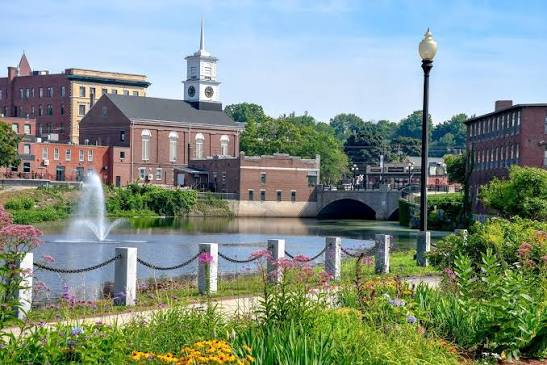
This is the question many people ask each quarter.
The answer is yes, although the market has become more balanced than during the peak years of extreme competition.
A traditional seller's market occurs when demand exceeds supply. That condition continues to exist throughout much of Southern New Hampshire. Inventory remains relatively limited while buyer interest remains healthy.
At the same time, buyers have become more cautious. Mortgage rates, affordability concerns, and economic uncertainty have influenced purchasing decisions.
As a result, sellers must approach the market strategically. Overpricing can reduce activity and increase market time. Accurate pricing remains essential for success.
Meanwhile, buyers who remain patient and prepared can still find excellent opportunities.
Therefore, the current environment may best be described as a seller's market with increasing balance.
Mortgage rates continue influencing the housing market. Even small rate changes can affect monthly payments and overall affordability.
When rates rise, some buyers adjust their budgets. Others may pause their search temporarily. Consequently, rate fluctuations can influence demand.
However, Southern New Hampshire has demonstrated remarkable resilience. Many buyers continue entering the market despite higher borrowing costs.
Life events continue driving real estate decisions. Job changes, family needs, downsizing, and relocation plans create ongoing demand regardless of interest rates.
For sellers, this means qualified buyers remain active. For buyers, it reinforces the importance of understanding financing options before beginning a search.
Buyers often become overwhelmed by headlines. However, successful buyers focus on factors they can control.
First, obtain a mortgage pre approval. This helps establish a realistic budget. Second, identify your priorities. Determine which features are essential and which are flexible.
Next, monitor new listings consistently. The best opportunities often attract attention quickly.
In addition, work with an experienced local REALTOR®. Market knowledge can provide valuable guidance throughout the process.
Finally, remember that timing the market perfectly is nearly impossible. Finding the right home that meets your needs often matters more than predicting future conditions.
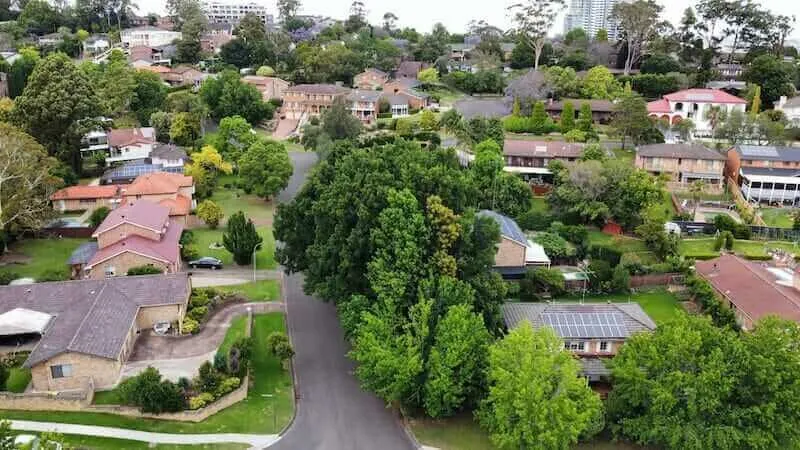
Sellers should recognize that today's buyers are informed and selective. Therefore, preparation remains extremely important.
Start by addressing deferred maintenance. Small improvements can create a positive first impression. Clean, organized spaces often photograph better and attract stronger interest.
Pricing strategy is equally important. Buyers have access to extensive information online. Therefore, realistic pricing typically generates more activity.
Marketing also plays a critical role. Professional photography, compelling property descriptions, and broad online exposure can help maximize visibility.
Most importantly, sellers should understand local market conditions rather than relying on national headlines. Real estate remains highly local.
As we move into the next quarter, several trends deserve attention. Inventory levels may improve slightly as more homeowners decide to sell. However, demand is expected to remain healthy.
Home prices may continue experiencing moderate growth rather than dramatic increases. This could create a more sustainable environment for both buyers and sellers.
Mortgage rates will remain an important factor. Nevertheless, local market fundamentals continue supporting housing demand throughout Southern New Hampshire.
Communities such as Nashua, Hudson, Londonderry, Merrimack, Milford, Amherst, Hollis, Windham, Salem, Pelham, Manchester, and Derry remain attractive destinations for home buyers.
Whether you are buying your first home, moving up, downsizing, or investing, understanding current conditions can help you make informed decisions.
The Southern NH Real Estate Market continues offering opportunities for both buyers and sellers. While inventory remains limited, demand remains steady. As a result, sellers continue enjoying favorable conditions, while prepared buyers can still achieve their homeownership goals. If you are exploring Southern NH Houses for sale or considering listing your property, staying informed about local trends is one of the smartest steps you can take. The market continues evolving, and knowledgeable buyers and sellers are often in the best position to succeed. Whether you are researching Southern NH Houses for Sale today or planning a move in the future, understanding the local market can help you move forward with confidence.
If you need moreinfo on the Southern NH Real Estate Market, or are ready to sell your house give us a call at (603) 883-8840. You can also sign up for your dream home search or reach out to Our Agents for more information. We’d love to help you with your real estate needs.

For many Massachusetts workers, the dream is simple. They want more space, a strong sense of community, and a better quality of life. At the same time, they need reasonable access to their jobs. That is why so many buyers are exploring NH commuter towns along the Massachusetts border. Whether you are reviewing Litchfield Houses for Sale or searching through Southern NH houses for sale, Southern New Hampshire continues to attract buyers who want the best of both worlds.
The appeal goes beyond convenience. New Hampshire offers no state income tax on earned wages and no general sales tax. Many buyers also appreciate the beautiful neighborhoods, excellent recreational opportunities, and strong community feel found throughout the region.
Fortunately, several Southern New Hampshire communities offer excellent commuting options while providing attractive housing choices. Let's explore some of the most popular towns for Massachusetts commuters and see what makes each one unique.
Over the last several years, Southern New Hampshire has become increasingly popular with Massachusetts buyers. Housing costs in many parts of Massachusetts continue to rise. As a result, many families are looking just across the border.
The ability to purchase a larger home often attracts buyers immediately. Many people discover they can find more land, larger yards, and newer homes for similar prices.
In addition, New Hampshire offers a lifestyle that appeals to many families. Residents enjoy outdoor recreation, community events, and easy access to mountains, lakes, and the seacoast.
For commuters, location remains a key factor. Fortunately, many Southern New Hampshire communities offer direct access to major highways leading into Massachusetts.
Before choosing among the best NH commuter towns, it is important to understand commute patterns.
Most commuters travel toward areas such as Lowell, Burlington, Woburn, Cambridge, and Boston. Travel times vary based on destination, traffic conditions, and departure times.
Route 3 serves much of the Nashua and Hudson area. Interstate 93 provides direct access from Salem, Windham, Londonderry, and Manchester.
While traffic can be heavy during peak hours, many commuters feel the benefits of living in New Hampshire outweigh the additional travel time.
Now let's take a closer look at some of the most desirable towns near the Massachusetts border.
Salem often ranks among the top choices for Massachusetts commuters.
Located directly along Interstate 93, Salem provides one of the easiest routes into Massachusetts. Many commuters can reach Lowell in approximately 20 minutes. Burlington is often reachable within 30 to 40 minutes depending on traffic. Boston commutes typically range from 45 minutes to over an hour.
Salem has experienced tremendous growth in recent years. Retail development, restaurants, entertainment options, and shopping destinations continue to attract buyers.
Tuscan Village has become one of the area's most talked about developments. It offers shopping, dining, residential opportunities, and community gathering spaces.
Housing options in Salem range from condominiums to luxury homes. Median home prices often fall within the upper end of the Southern New Hampshire market, though buyers enjoy excellent convenience and amenities.
For many buyers, Salem represents a perfect balance between accessibility and lifestyle.

default
Windham remains one of the most desirable communities in Southern New Hampshire.
The town offers beautiful neighborhoods, excellent schools, and a strong residential character. Many buyers appreciate Windham's larger lots and upscale housing options.
Access to Interstate 93 is convenient. This allows many residents to reach Massachusetts employment centers relatively quickly.
Commute times to Lowell often range from 20 to 30 minutes. Burlington typically falls within 35 to 45 minutes. Boston commutes vary based on traffic but often average around one hour.
Windham's housing market generally sits above regional averages. Buyers often find larger homes, newer construction, and attractive subdivisions.
Many Massachusetts buyers view Windham as an opportunity to enjoy a suburban lifestyle while maintaining access to major employment centers.
Hudson continues to attract buyers looking for affordability, convenience, and community.
Located near Nashua, Hudson offers excellent access to Route 3. This makes commuting to Lowell and other Massachusetts destinations relatively straightforward.
Many commuters reach Lowell in approximately 20 to 25 minutes. Burlington often requires 35 to 45 minutes. Boston travel times generally range from 50 minutes to over an hour.
Hudson offers a diverse housing market. Buyers can find starter homes, newer developments, condominiums, and larger single family properties.
The community features parks, local businesses, and recreational opportunities. Residents appreciate the town's convenient location and welcoming atmosphere.
Many buyers researching Southern NH houses for sale place Hudson near the top of their list due to its balance of value and accessibility.
Pelham sits directly along the Massachusetts border and continues to attract buyers seeking a quieter lifestyle.
Many residents enjoy the town's rural feel while maintaining convenient access to employment centers.
Commutes to Lowell are often under 20 minutes. Other destinations throughout northeastern Massachusetts remain relatively accessible.
Pelham offers a blend of established neighborhoods, newer homes, and larger lots. Buyers often appreciate the additional privacy available in certain parts of town.
Schools, community events, and outdoor recreation contribute to Pelham's appeal.
Although inventory can sometimes be limited, demand remains strong due to the town's desirable location.
For commuters who value a peaceful setting, Pelham remains one of the most attractive NH commuter towns near the border.

Londonderry continues to gain popularity among Massachusetts workers.
The town provides convenient access to Interstate 93 while offering a strong residential atmosphere. Buyers appreciate the community's schools, parks, and local amenities.
Commutes to Lowell typically range from 25 to 35 minutes. Burlington often falls within 40 minutes. Boston travel times vary but remain manageable for many residents.
Londonderry offers a wide variety of housing options. Buyers can find established neighborhoods, newer developments, and homes with larger lots.
The town's central location also provides easy access to Manchester and the Manchester Boston Regional Airport.
Many buyers comparing Southern NH houses for sale appreciate Londonderry's combination of convenience and community appeal.
While not always the first town mentioned, Litchfield deserves serious consideration.
Located near Nashua and Manchester, Litchfield offers a quiet residential setting with convenient highway access.
Many buyers searching for Litchfield houses for sale appreciate the town's small town character. The community offers scenic neighborhoods, recreational opportunities, and a slower pace of life.
Commutes to Lowell often fall within 25 to 35 minutes. Access to Route 3 and Interstate 93 remains relatively convenient.
Housing inventory can be limited, which often helps support property values. Buyers seeking a peaceful environment frequently find Litchfield appealing.
As more people discover the area, demand for Litchfield houses for sale continues to grow.

Nashua remains one of the largest cities in New Hampshire and a favorite among commuters.
Route 3 runs directly through the city, creating efficient access to Massachusetts. Many commuters can reach Lowell in less than 20 minutes.
Nashua offers extensive shopping, dining, healthcare, and entertainment options. Buyers also benefit from a wide range of housing choices.
From downtown condominiums to suburban neighborhoods, Nashua provides options for many budgets and lifestyles.
The city's strong amenities and strategic location continue to attract both first time buyers and experienced homeowners.
Housing prices vary significantly among these communities.
Windham generally commands some of the highest prices due to its schools, housing stock, and reputation.
Salem also remains highly competitive due to its location and recent development.
Hudson often provides strong value while maintaining excellent commuter access.
Pelham offers desirable properties with varying price points depending on location and lot size.
Londonderry remains competitive due to its popularity and inventory levels.
Litchfield frequently appeals to buyers looking for a quieter environment while remaining reasonably accessible.
Regardless of budget, buyers can usually find options throughout these communities.
While commuting convenience matters, lifestyle often drives the final decision.
Many Massachusetts buyers initially focus on taxes and housing costs. However, they often discover additional benefits after moving.
Southern New Hampshire offers outdoor recreation throughout the year. Residents enjoy hiking, boating, skiing, fishing, and local community events.
Many towns maintain strong community identities and host seasonal celebrations. Families often appreciate local parks, youth sports, and neighborhood activities.
These lifestyle advantages contribute significantly to the popularity of NH commuter towns.
Every buyer has unique priorities.
Some commuters prioritize the shortest possible drive. Others focus on schools, home size, or community atmosphere.
Before making a decision, consider your work location, budget, family needs, and long term goals.
Visiting multiple communities can also provide valuable perspective. Spending time in each town helps buyers understand the character and lifestyle each location offers.
Working with a local REALTOR can provide additional insight into neighborhoods, pricing trends, and inventory opportunities.
Southern New Hampshire offers outstanding opportunities for Massachusetts commuters. Communities such as Salem, Windham, Hudson, Pelham, Londonderry, Nashua, and Litchfield each provide unique advantages. The right choice depends on your personal priorities, commuting needs, and housing goals.
Whether you are exploring Litchfield houses for sale or reviewing other Southern NH houses for sale, there has never been a better time to discover what these communities have to offer. Many buyers are surprised by the combination of convenience, value, and lifestyle they find here. As demand for NH commuter towns continues to grow, communities throughout the region remain attractive destinations for professionals seeking a better balance between work and home life. If you are considering a move, now may be the perfect time to explore Litchfield Houses for Sale and other Southern NH houses for sale, that could help you create the lifestyle you have been looking for.
If you need more information on NH commuter towns, or are ready to sell your house give us a call at (603) 883-8840. You can also sign up for your dream home search or reach out to Our Agents for more information. We’d love to help you with your real estate needs.

Buying a home is exciting, but choosing the right financing can feel overwhelming. Fortunately, learning about today's mortgage options makes the process much easier. If you are looking at Southern NH Houses for sale, understanding fixed rate loans, adjustable rate loans, seller concessions, and rate buydowns can help you buy with confidence. The right loan can save money, reduce stress, and help you stay within your monthly budget. Even better, today's buyers have more choices than many people realize.
Why Mortgage Options Matter
Understanding Fixed Rate Mortgages
Understanding Adjustable Rate Mortgages
Fixed vs Adjustable Rate Mortgages
Seller Concessions Explained
Mortgage Rate Buydowns
Temporary vs Permanent Buydowns
Buying Within Your Budget
Why Preapproval Matters
Mortgage Tips for Southern NH Buyers
Frequently Asked Questions
Work With a Local REALTOR
Interest rates affect much more than your monthly payment. They also influence how much home you can comfortably afford. Therefore, understanding your financing choices before shopping can prevent costly mistakes.
Today's housing market continues to change. Even so, buyers are still purchasing homes every day. Instead of waiting for the perfect interest rate, many buyers focus on finding the right home with the right loan. As a result, they move forward with confidence instead of uncertainty.

A fixed rate mortgage keeps the same interest rate throughout the life of the loan. Because the rate never changes, your principal and interest payment stays the same each month.
Many buyers appreciate this stability. It makes budgeting easier and removes the worry of rising interest rates. In addition, fixed rate loans are often the preferred choice for buyers who expect to stay in their home for many years.
A fixed rate mortgage offers predictable monthly payments. It also protects you if interest rates increase in the future. Furthermore, many homeowners enjoy the peace of mind that comes from knowing exactly what they will pay each month.
Although fixed loans provide stability, the starting interest rate may be slightly higher than some adjustable loans. Even so, many buyers find the consistent payment worth the difference.
An adjustable rate mortgage, often called an ARM, begins with a fixed interest rate for a specific period. After that period ends, the interest rate may adjust according to market conditions.
For example, a five year ARM keeps the same interest rate during the first five years. Afterward, the rate may increase or decrease based on the loan agreement.
Although this type of loan is not right for everyone, it can be an excellent choice in certain situations.
An ARM often works well if you expect to move before the adjustment period begins. Likewise, buyers planning to relocate for work may benefit from the lower starting payment.
However, it is important to understand how future adjustments could affect your monthly payment. Therefore, always review the loan terms carefully with your lender.
Choosing between these mortgage options depends on your financial goals.
If you want long term stability, a fixed rate mortgage is often the better choice. On the other hand, if you plan to own the home for only a few years, an adjustable rate mortgage could save money during that time.
There is no universal answer. Instead, the best loan depends on your timeline, budget, and comfort level.
Many buyers overlook seller concessions, yet they can significantly reduce upfront costs.
A seller concession allows the seller to pay certain buyer expenses at closing. These funds may cover closing costs, prepaid expenses, or even a mortgage rate buydown.
Because affordability remains important, seller concessions have become a valuable negotiating tool in many real estate transactions

A mortgage rate buydown allows buyers to lower their interest rate by paying upfront fees at closing. Sometimes buyers pay for the buydown themselves. However, sellers often agree to contribute during negotiations.
Lower interest rates usually mean lower monthly payments. Therefore, a buydown may improve affordability without reducing the home's purchase price.
A temporary buydown lowers your payment during the first years of the mortgage. As a result, buyers enjoy smaller payments while adjusting to homeownership.
This strategy has become increasingly popular because it offers immediate monthly savings.
A permanent buydown lowers the interest rate for the life of the loan. Although the upfront cost is usually higher, buyers who plan to stay in the home for many years often save more over time.
Buying the most expensive home you qualify for is not always the smartest decision. Instead, create a realistic monthly budget before shopping.
Include property taxes, homeowner's insurance, maintenance costs, utilities, and savings. Once you know your comfortable payment, you can confidently search for homes within your price range.
That approach often reduces financial stress after closing.
A mortgage preapproval should be one of your first steps.
Preapproval helps you understand your budget before touring homes. It also shows sellers that you are a serious buyer. Consequently, your offer may stand out in a competitive market.
If you are touring Southern NH Houses for sale, preapproval gives you confidence throughout the buying process.
Every housing market is different. Southern New Hampshire continues to attract buyers because of its strong communities, convenient commuting options, and excellent quality of life.
An experienced REALTOR understands neighborhood trends, pricing strategies, and local inventory. Likewise, a trusted lender can explain financing choices using simple language.
Together, they help buyers make informed decisions from start to finish.
Many buyers unintentionally create problems before closing. Fortunately, these mistakes are easy to avoid.
Do not finance a new vehicle before your mortgage closes. Avoid opening new credit cards. Continue making payments on time. In addition, avoid changing jobs if possible during the loan process.
Small financial decisions today can make a big difference tomorrow.
Not always. A fixed rate mortgage offers stable payments, while an adjustable rate mortgage may provide lower initial payments. The best choice depends on your plans and financial goals.
A seller concession is money the seller contributes toward certain buyer costs, such as closing costs or a mortgage rate buydown.

A mortgage rate buydown lowers your interest rate by paying upfront costs at closing. As a result, your monthly payment becomes more affordable.
No one can predict future interest rates. Instead of waiting, focus on finding the right home and a payment that fits your budget. If rates decline later, refinancing may become an option.
Finding the right financing is just as important as finding the right home. As you search Southern NH Houses for sale, compare today's mortgage options carefully. Ask questions, review your budget, and work with experienced professionals who understand the local market. By making informed decisions today, you can buy with confidence and build a stronger financial future for tomorrow.
If you need more info on a Southern NH mortgage options, or are ready to sell your house give us a call at (603) 883-8840. You can also sign up for your dream home search or reach out to Our Agents for more information. We’d love to help you with your real estate needs.
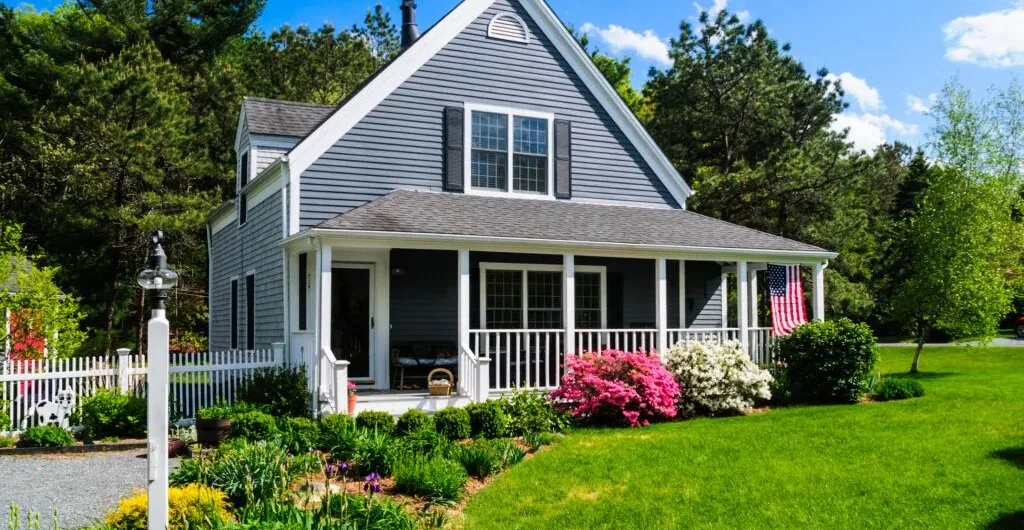
Summer is one of the best times to sell in Southern New Hampshire. The weather is pleasant. Families have more flexibility. In addition, many buyers want to move before the next school year begins. Because of that, competition can increase. However, the right preparation can help your home stand out.
Whether you live in Hudson, Nashua, Londonderry, Derry, Windham, Merrimack, or Manchester, the same basic strategy applies. Focus on curb appeal, repairs, staging, and smart pricing. Those four areas create a powerful first impression.

Buyers form an opinion before they step inside. In fact, many decide how excited they feel within seconds of arriving. That is why curb appeal is one of the most important parts of a summer home sale.
Begin by mowing the lawn and trimming overgrown shrubs. Remove weeds from flower beds. Add fresh mulch around trees and landscaping. If the front door looks faded, consider painting it. A clean, attractive entrance makes the home feel welcoming.
Power washing can also create a dramatic improvement. Dirt, pollen, and mildew build up over time. Therefore, washing the siding, walkways, and deck can make the property look newer without a major investment.
Do not forget the small details. Replace broken light fixtures, tighten loose railings, and make sure the house numbers are easy to read. These inexpensive updates help buyers feel confident about the home.
Once buyers enter the home, they want to picture themselves living there. Clutter makes that difficult. As a result, decluttering is one of the highest value tasks before listing.
Start with kitchen counters. Remove extra appliances, papers, and decorative items. Leave only a few attractive pieces. Next, move through the living room and remove excess furniture if the space feels crowded.
Bedrooms should look calm and spacious. Store off season clothing, extra shoes, and personal items. In addition, clear off dressers and nightstands. Buyers notice storage space, so organize closets carefully.
A good rule is to remove about one third of your belongings from each room. This simple step often makes the home feel significantly larger.
Small issues can raise big questions in a buyer’s mind. A dripping faucet, loose doorknob, or cracked outlet cover may seem minor. However, buyers often wonder what larger problems could exist.
Create a repair checklist before listing. Walk through the home as if you were seeing it for the first time. Test doors, windows, lights, fans, and plumbing fixtures. Then fix anything that does not work properly.
Pay special attention to areas that buyers inspect closely, including:
Leaky faucets
Running toilets
Loose handrails
Missing screens
Damaged caulking
Sticking doors
Burned out light bulbs
These repairs are usually inexpensive. Yet they can improve buyer confidence and reduce inspection concerns later.

Paint is one of the most effective updates for a summer home sale. Fresh paint makes a home feel clean and cared for. It also helps rooms appear brighter.
Choose neutral colors whenever possible. Soft whites, light grays, and warm beige tones appeal to the widest group of buyers. Bold colors can distract buyers and make rooms feel smaller.
If the entire home does not need painting, focus on the most visible areas. Entryways, kitchens, living rooms, and hallways usually provide the best return on investment.
Summer buyers expect light filled spaces. Therefore, maximize natural light throughout the home.
Open all blinds and curtains before showings. Clean the windows inside and out. Replace dim light bulbs with bright, matching bulbs. In addition, make sure every fixture works properly.
If a room feels dark, remove heavy window treatments or unnecessary furniture that blocks light. Bright rooms photograph better and create a more cheerful atmosphere.
You do not need a full professional staging package to make a strong impression. Instead, focus on the rooms that influence buyers the most.
Kitchen: Add a bowl of fresh fruit, a simple plant, and clean towels. Keep counters mostly clear.
Living Room: Arrange furniture to create an open conversation area. Remove oversized pieces if necessary.
Primary Bedroom: Use neutral bedding and minimal decorations. The room should feel restful and spacious.
Bathrooms: Add fresh white towels and remove personal toiletries.
These simple staging steps can help buyers connect emotionally with the home.
Summer buyers pay close attention to outdoor areas. A deck, patio, or backyard can become a major selling feature.
Clean outdoor furniture and arrange it neatly. Sweep decks and patios. If you have a grill, make sure it is clean and presentable. In addition, remove unused items such as old planters, broken chairs, or garden tools.
Even a small outdoor space can feel inviting when it is organized and well maintained.
Many Southern New Hampshire buyers want storage space. Therefore, basements and garages deserve special attention.
Remove unnecessary boxes and old equipment. Organize shelves and create clear walking paths. If the basement feels damp, run a dehumidifier before showings.
For the garage, sweep the floor and keep items neatly stored. Buyers should be able to visualize parking vehicles inside.

Preparation alone will not guarantee a successful sale. Pricing is equally important. A home that is priced too high may sit on the market, even during a busy season.
A local REALTOR can provide a comparative market analysis based on recent sales, current competition, and neighborhood trends. This helps you position the home competitively from day one.
In many Southern New Hampshire communities, well prepared homes attract strong interest quickly. However, buyers still compare value carefully. The right price creates urgency and encourages showings.
Most buyers begin their search online. Therefore, professional photography is essential. Clean, bright photos generate more clicks and more showing requests.
Before the photographer arrives:
Open all blinds and curtains
Turn on all lights
Remove vehicles from the driveway
Hide trash cans
Put away pet items
Make all beds neatly
Clear countertops and tables
Because online presentation is so important, photography should never be an afterthought.
Once the home is listed, try to keep it ready for showings at all times. Buyers often request appointments with short notice.
Create a simple daily routine. Make beds each morning, wipe kitchen counters, empty trash, and do a quick floor sweep. This routine usually takes less than 15 minutes.
In addition, have a plan for pets during showings. A calm, clean environment helps buyers focus on the home.
Local buyers often look for specific features that fit the Southern New Hampshire lifestyle. If your home offers any of these benefits, make sure they are highlighted:
Easy highway access
Commuter friendly location
Large yard
Wooded privacy
Central air
Updated roof or heating system
Finished bonus space
Nearby shopping and restaurants
Access to parks, trails, or recreation
These features can help your property stand out among other Southern NH Houses for sale.
Many sellers spend money in the wrong places. Before investing in major upgrades, speak with a local real estate professional. Some projects add little value compared to their cost.
Common mistakes include:
Overpricing the home
Ignoring minor repairs
Leaving rooms cluttered
Using dark paint colors
Neglecting curb appeal
Taking poor quality listing photos
Making highly personalized renovations before selling
Instead, focus on cleanliness, maintenance, and presentation. Those areas usually provide the strongest return.
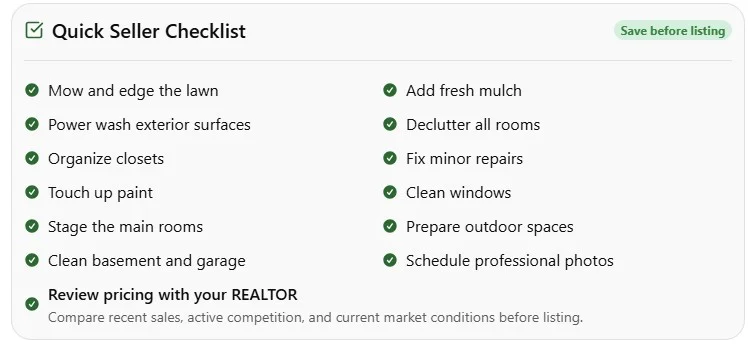
Summer creates a sense of urgency for many buyers. Families often want to settle before school starts. In addition, the longer daylight hours make it easier to schedule showings after work.
Because demand can be strong, a well prepared home may receive significant attention during the first week on the market. That is why preparation before listing is so important.
A successful summer home sale is not about spending a fortune. It is about presenting the home in its best possible condition.
Getting your home ready for the market takes planning, but the payoff can be substantial. Start with curb appeal, declutter every room, complete minor repairs, and make the home feel bright and welcoming. Then work with a local REALTOR to price the property correctly and market it effectively.
Buyers looking at Southern NH Houses for sale have plenty of options. However, homes that are clean, well maintained, and professionally presented consistently stand out. By preparing early and focusing on the details that matter most, you can create a smoother selling experience and put yourself in a strong position for a successful summer home sale in Southern New Hampshire.
If you need more info on a Southern NH summer home sale, or are ready to sell your house give us a call at (603) 883-8840. You can also sign up for your dream home search or reach out to Our Agents for more information. We’d love to help you with your real estate needs.

If you are thinking about relocating, understanding the Southern NH cost of living is one of the most important parts of your decision. Many buyers from Massachusetts look north because they want more space, lower taxes, and a different lifestyle. At the same time, they want honest answers about what life really costs. As more people search for Southern NH Houses for sale and Litchfield houses for sale, they often ask the same question. Is New Hampshire really cheaper than Massachusetts?
The answer is yes in many ways, but there is more to the story. New Hampshire offers significant tax advantages, yet property taxes work differently than they do in Massachusetts. Understanding both sides of the equation helps buyers make a smart move. This guide will break down housing costs, taxes, utilities, commuting expenses, and everyday living costs so you can decide whether Southern New Hampshire is the right fit for your family.

Southern New Hampshire continues to attract buyers from across New England. Many people work in Massachusetts but prefer living in New Hampshire. Others simply want more home for their money.
Communities such as Hudson, Nashua, Merrimack, Londonderry, Windham, Derry, Pelham, Salem, Amherst, Hollis, Milford, and Litchfield offer a suburban feel with easy access to employment centers. As a result, buyers often find larger lots, newer homes, and quieter neighborhoods than they expected.
Another major reason is financial. Housing costs and taxes can significantly impact a family's monthly budget. Therefore, many people compare both states before deciding where to settle down.
When people talk about the Southern NH cost of living, they usually focus on taxes. While taxes are important, they are only one piece of the puzzle. Housing, transportation, utilities, groceries, healthcare, and insurance all play a role.
Fortunately, New Hampshire performs well in several key categories. Residents benefit from a tax structure that many people find attractive. However, buyers should understand exactly how those savings work.
Looking only at one expense can be misleading. Instead, it is important to examine the complete financial picture.
One of the most appealing parts of living in New Hampshire is the lack of a state income tax on earned wages. If you work in New Hampshire, your paycheck is not reduced by a state income tax.
This can create meaningful savings over time. A family earning a strong income may keep thousands of dollars more each year compared to living in states with income taxes. Consequently, many buyers see an immediate benefit after relocating.
For households focused on long-term financial planning, these savings can add up quickly. Many homeowners use the extra money for mortgage payments, retirement savings, home improvements, or family activities.
Another major advantage is New Hampshire's lack of a statewide sales tax. Residents generally do not pay sales tax on most retail purchases.
That means furniture, appliances, electronics, clothing, and many other items are purchased without the added tax burden found in neighboring states. As a result, many shoppers from surrounding areas cross state lines to shop in New Hampshire.
These savings may seem small at first. However, over the course of a year, they can become substantial. Families making large purchases often notice the difference immediately.

This is where the conversation becomes more balanced. New Hampshire's tax advantages are often offset by higher property taxes compared to many other states.
Property taxes help fund local schools, municipal services, police departments, fire departments, and public infrastructure. Since the state does not collect broad income or sales taxes, local property taxes become an important source of revenue.
That does not automatically mean every homeowner pays more overall. In many cases, homeowners still come out ahead due to savings from income and sales taxes. However, buyers should evaluate their specific situation carefully.
Property taxes in New Hampshire are based on the assessed value of a property. Municipalities periodically update assessments to reflect market conditions.
Each town establishes a tax rate that helps fund local services and schools. The amount a homeowner pays depends on both the assessed value and the tax rate.
For example, two homes with similar market values may have different tax bills if they are located in different towns. Therefore, comparing communities becomes an important part of the home buying process.
Massachusetts also relies on property taxes, but the overall tax structure differs. Massachusetts residents generally pay state income tax and sales tax in addition to local property taxes.
As a result, many families discover that comparing property taxes alone does not provide the full picture. A homeowner may pay more property tax in New Hampshire but save significantly through lower overall taxation.
This is why relocation buyers often look at annual household expenses rather than focusing on a single line item. A complete budget comparison usually provides a clearer answer.
Housing remains one of the largest expenses for any family. Fortunately, Southern New Hampshire often offers excellent value compared to many Massachusetts communities.
Buyers frequently find larger lots and more living space for the same budget. Additionally, many neighborhoods offer a suburban atmosphere while remaining within commuting distance of Boston and surrounding employment centers.
Inventory levels and market conditions can change throughout the year. Nevertheless, Southern New Hampshire continues to attract buyers seeking affordability and quality of life.
Home prices vary greatly depending on location. Towns closer to the Massachusetts border often command higher prices due to strong demand.
Even so, buyers relocating from many Massachusetts communities are often pleasantly surprised by what their budget can purchase. More square footage, larger yards, and newer homes are commonly available.
For growing families, this added space can provide tremendous value. Consequently, many buyers feel they are getting more for their money.
Utility expenses should also be considered when evaluating the Southern NH cost of living. New Hampshire experiences four distinct seasons, including cold winters.
Heating costs can vary based on fuel type, home size, insulation quality, and weather conditions. Oil, propane, natural gas, and electric heating systems are all common throughout Southern New Hampshire.
Energy-efficient homes often provide significant savings. Therefore, buyers should review utility history when evaluating a property.
Many Southern New Hampshire residents commute to jobs in Massachusetts. While housing and taxes may create savings, commuting expenses should also be considered.
Fuel costs, vehicle maintenance, tolls, and travel time can impact a family's budget. Fortunately, many communities offer convenient highway access.
For some households, the financial benefits of living in New Hampshire still outweigh commuting expenses. However, each family's situation is different.

Grocery prices are generally similar throughout much of New England. While certain items may vary slightly, major differences are uncommon.
The absence of sales tax can help reduce the cost of some purchases. Additionally, many residents enjoy access to local farms, farmers markets, and seasonal produce.
Everyday expenses should be viewed as part of the larger financial picture. Small savings across multiple categories can add up over time.
Healthcare expenses vary based on coverage, providers, and individual needs. Most families will find similar healthcare options throughout Southern New Hampshire and nearby Massachusetts communities.
Insurance costs may differ based on location and provider. Therefore, obtaining personalized quotes before moving is always a good idea.
A complete relocation budget should include health insurance, homeowner's insurance, auto insurance, and other recurring expenses.
Southern New Hampshire is known for strong communities and local schools. Property taxes help support many of these services.
Well-maintained roads, public safety departments, parks, libraries, and recreational programs all contribute to quality of life. Therefore, some homeowners view higher property taxes as an investment in their community.
Families often appreciate the balance between suburban living and access to modern conveniences.
Several Southern New Hampshire towns continue to attract relocation buyers. Each community offers unique advantages.
Nashua provides shopping, dining, entertainment, and easy highway access. Hudson offers a strong sense of community and convenient commuting options. Merrimack remains popular due to its location and residential neighborhoods.
Londonderry and Windham attract buyers looking for larger homes and excellent commuter access. Salem continues to grow with new development and retail opportunities. Meanwhile, many buyers searching for Litchfield houses for sale appreciate the town's small-town atmosphere, scenic setting, and convenient location.
Litchfield has become increasingly popular among buyers seeking a quieter lifestyle. The town offers a mix of newer developments, established neighborhoods, and beautiful natural surroundings.
Many families appreciate the community feel and access to nearby employment centers. Additionally, buyers exploring Litchfield houses for sale often discover larger lots than they expected.
As demand continues, Litchfield remains a strong option for buyers relocating from Massachusetts.
Money is important, but lifestyle matters too. Many people relocate because they want a better balance between work and personal life.
Southern New Hampshire offers outdoor recreation, local events, parks, trails, and family-friendly communities. Residents enjoy easy access to mountains, lakes, beaches, and major cities.
This combination creates a lifestyle that appeals to many families. As a result, relocation demand remains strong year after year.
The greatest savings often occur for households with higher incomes and larger spending levels. Without state income tax and sales tax, many families retain more of their earnings.
Homeowners planning long-term residency may also benefit from building equity while enjoying New Hampshire's tax structure. Furthermore, retirees often appreciate the financial advantages and quality of life.
However, every buyer should evaluate their unique circumstances. What works well for one family may not be the best choice for another.
When comparing New Hampshire and Massachusetts, it helps to create a simple annual budget. Include housing costs, property taxes, income taxes, sales taxes, utilities, transportation, insurance, and daily expenses.
This approach often reveals a more accurate financial picture. Rather than focusing on one expense, you can evaluate your total annual cost of living.
Many relocation buyers are surprised by the results. In numerous cases, New Hampshire offers meaningful overall savings despite higher property taxes.
For many families, the answer is yes. The combination of no state income tax, no state sales tax, strong communities, and attractive housing options creates a compelling value.
At the same time, understanding property taxes remains essential. Buyers who approach the decision with realistic expectations are often the happiest after moving.
The best relocation decisions are based on complete information. Fortunately, Southern New Hampshire gives buyers plenty to consider.
The Southern NH cost of living continues to attract buyers from Massachusetts and beyond. While no location is perfect for everyone, Southern New Hampshire offers a unique combination of financial advantages, lifestyle benefits, and housing opportunities. Whether you are exploring Southern NH Houses for sale for the first time or comparing communities throughout the region, understanding the complete cost picture will help you make a confident decision.
If you are considering a move, take time to compare taxes, housing costs, utilities, and everyday expenses. Look beyond headlines and focus on your family's actual budget. Whether you are searching for Litchfield houses for sale or reviewing the latest Southern NH Houses for sale, the right home may be closer than you think. Many buyers begin by exploring Southern NH Houses for sale online and quickly discover opportunities that fit their goals. Likewise, families researching Litchfield houses for sale often find the perfect blend of value, community, and convenience. With careful planning and the right guidance, your move to Southern New Hampshire can be both financially smart and personally rewarding.
If you need moreinfo on the Southern NH cost of living, or are ready to sell your house give us a call at (603) 883-8840. You can also sign up for your dream home search or reach out to Our Agents for more information. We’d love to help you with your real estate needs.