Tag Archives for " home buying tips "

Would you rather spend your Saturday enjoying New Hampshire instead of working around the house? If so, Low Maintenance Homes in Derry NH may be worth exploring. Buyers looking at Derry houses for sale can find condos, newer homes, adult communities, and properties designed to make ownership easier. In addition, buyers searching Southern NH Houses for sale often discover that Derry offers a great mix of convenience, community, and housing choices.
A low maintenance home does not mean you never have to lift a finger. Instead, it usually means fewer projects, easier exterior care, or an association that handles certain responsibilities. As a result, you can spend more time enjoying your home instead of constantly maintaining it.
However, not every low maintenance property is the same. Therefore, it helps to understand your choices before you begin your home search.
Low maintenance homes are properties that require less routine work from the homeowner. For example, the home may have newer systems, easy care building materials, or a smaller yard. In other cases, a condo association may handle landscaping, snow removal, or exterior maintenance.
The idea is simple. You still own and enjoy your home, but you may have fewer chores competing for your free time. Therefore, these properties can appeal to many different types of buyers.
Some people want less yard work. Others want to travel without worrying about maintaining a large property. Meanwhile, some buyers simply want a newer home that should require fewer major projects in the near future.
Owning a home can be rewarding. However, it also comes with responsibilities. Lawns need mowing, snow needs clearing, and exterior surfaces eventually need repairs.
For many homeowners, those jobs can take up valuable weekends. In addition, larger or older properties may require regular repairs and improvements. As a result, some buyers decide they want a simpler way to own a home.
Low maintenance living can provide that balance. You can still have a comfortable place of your own while reducing some of the work that comes with traditional homeownership.
Derry offers several housing choices for buyers who want easier upkeep. Depending on your budget and goals, you may find condominiums, townhomes, detached condos, adult community homes, newer construction, and traditional single family properties with easy care features.
Some condominium communities provide exterior maintenance as part of the association. However, services vary between developments. Therefore, buyers should always review the condominium documents before purchasing.
Meanwhile, a traditional single family home can also offer low maintenance living. A smaller yard, vinyl siding, newer roof, modern heating system, and updated windows can greatly reduce future work.
The best choice depends on how much maintenance you actually want to handle.

Derry is a Rockingham County community in Southern New Hampshire. It offers a convenient location with access to shopping, restaurants, recreation, community services, and nearby employment centers. In addition, Interstate 93 provides an important route for travel toward Manchester, Salem, and Massachusetts.
Derry also has a rich New Hampshire history. The town is connected to poet Robert Frost, who lived on a farm in Derry during the early 1900s. Today, the Robert Frost Farm State Historic Site preserves that piece of local history.
For recreation, residents can find parks, trails, conservation areas, and community activities. Therefore, Derry can provide a nice mix of convenience and New Hampshire character.
A condominium is often one of the first choices buyers consider when they want less maintenance. Depending on the development, the association may handle some exterior maintenance and common areas.
For example, an association might take care of lawn maintenance or snow removal. It may also maintain common roads, landscaping, or certain exterior building components. However, every condominium association has different responsibilities.
That makes reviewing the condo documents extremely important. Before buying, find out exactly what the association handles and what remains your responsibility.
You should also review the monthly condo fee. A higher fee is not automatically a bad thing if it covers valuable services. Instead, compare the cost with the maintenance you would otherwise need to handle yourself.
Some buyers like the idea of condominium living but prefer a home that feels more private. In that case, a detached condominium may be appealing.
A detached condo can look and feel similar to a single family home. However, the property is still part of a condominium association. Depending on the community, the association may provide exterior services that reduce your maintenance responsibilities.
This setup can provide an interesting balance. You may get your own driveway, garage, yard area, and private entrance. At the same time, some exterior responsibilities may be handled for you.
Again, association rules and services vary. Therefore, review the condominium documents carefully before deciding whether the community fits your needs.
Derry also has adult community housing options. These communities can appeal to buyers who want a simpler lifestyle and less exterior work.
Depending on the development, an adult community may include attached or detached homes. Some communities may provide exterior maintenance or other services through an association.
However, age requirements, fees, rules, amenities, and maintenance responsibilities vary. Therefore, buyers should compare communities rather than assuming they all work the same way.
For some homeowners, this type of housing can be an excellent next chapter. There may be less property to maintain while still having comfortable living space, storage, and privacy.

You do not need to buy a condo to enjoy easier homeownership. In fact, many single family properties can offer a surprisingly low maintenance lifestyle.
Start with the exterior. Vinyl siding can reduce the need for regular painting. Likewise, composite decking can require less maintenance than traditional wood. Newer roofing and replacement windows may also reduce upcoming projects.
Next, look at the yard. A smaller or simple lot may be much easier to maintain than a large property with extensive gardens. As a result, you can still enjoy outdoor space without spending every weekend working outside.
Finally, consider the home's age and condition. A well maintained home with updated systems can often require less immediate work than a property with many older components.
Updated kitchens are exciting. However, beautiful countertops do not necessarily make a house low maintenance.
Instead, look closely at the expensive parts of the property. Ask about the roof, heating system, central air, electrical system, plumbing, windows, and siding.
A home with a newer roof and heating system may save you from major projects in the near future. On the other hand, a beautifully renovated home can still have older systems behind the walls.
Therefore, look beyond cosmetic improvements. The condition of the entire property matters when your goal is easier ownership.
Many buyers searching for Low Maintenance Homes naturally consider newer properties. New construction and newer resale homes may have modern materials and newer mechanical systems.
For example, newer windows, roofing, heating, cooling, electrical, and plumbing can reduce the number of immediate projects. In addition, modern building materials may require less exterior care.
However, newer does not always mean maintenance free. Every house requires upkeep. Therefore, buyers should still complete inspections and learn how to maintain the home's systems correctly.
The advantage is that you may start with fewer aging components. That can make budgeting and planning easier.
New Hampshire weather can put heating and cooling systems to work. Therefore, these systems deserve attention when you are buying a home.
Ask about the age and maintenance history of the heating equipment. Also, find out whether the property has central air, mini split systems, or another cooling option.
Newer equipment may provide better efficiency and fewer immediate concerns. However, proper maintenance still matters. Regular service can help equipment perform well and may extend its useful life.
You should also ask about fuel type. Homes in Derry may use oil, propane, natural gas, electricity, or other heating systems. Understanding those costs can help you compare properties more accurately.
A large yard can look amazing during a showing. However, think about the work involved before falling in love with it.
Large lawns need mowing. Trees may need trimming. Leaves need cleanup, and gardens require regular attention. In winter, long driveways can also mean more snow removal.
If you enjoy outdoor work, that may be perfect. However, if you want low maintenance living, a simpler yard could be a better match.
Therefore, think about how you actually want to spend your free time. A smaller outdoor area may provide enough room to relax without creating another long list of chores.
Anyone who has lived through a New Hampshire winter knows that snow removal can become a major job. Driveways, walkways, steps, and entrances all need attention.
Therefore, snow removal can be an important consideration when comparing Derry houses for sale. Some condo associations may include snow removal for certain areas. Meanwhile, single family homeowners usually handle their own property.
If you are comparing properties, look at the driveway and walkway layout. A short, level driveway will generally require less work than a long or steep one.
Also, ask exactly what a condominium association covers. Some associations may clear roads but not individual walkways. Knowing that before you buy can prevent surprises later.

Buyers sometimes see a condo fee and immediately consider it an extra expense. However, it is important to look at what you receive for that money.
A condo fee may help pay for landscaping, snow removal, common area maintenance, insurance, reserves, and other community expenses. Therefore, some of the fee may replace costs you would otherwise pay yourself.
However, buyers should review the association's financial health. Look at the budget, reserve funds, recent meeting minutes, and planned projects when available.
Special assessments can also matter. If a major project is planned and reserves are not enough, owners could face an additional expense.
For that reason, choosing a condo should involve more than simply comparing monthly fees.
Some buyers hear the words low maintenance homes and immediately picture a tiny home. However, that does not have to be the case.
A detached condo or newer home may offer several bedrooms, a garage, storage, and a finished lower level. Yet exterior maintenance may still be easier than at a traditional property with a large lot.
Likewise, a well designed townhome may provide plenty of living space. The difference is that the home may use space more efficiently.
Therefore, decide how much space you actually need. Then look for a property that provides that space without adding unnecessary work.
Storage is easy to overlook when touring homes. However, good storage can make everyday life much easier.
Look for closets, garage space, basement storage, pantry space, and other useful areas. If you are moving from a larger home, storage may become even more important.
Low maintenance homes should simplify your life rather than make everything feel crowded. Therefore, think about where your belongings will go before you make an offer.
Sometimes a slightly larger condo with good storage may work better than a smaller property with a lower price.
Finidng low maintence homes that work today should ideally continue working for several years. Therefore, think ahead before choosing a property.
For example, consider the number of stairs. Think about bedroom locations, laundry access, parking, storage, and bathroom layouts.
You may also want to consider whether the property can adapt to changing needs. A first floor bedroom, flexible office, or first floor laundry can add convenience.
Of course, nobody can predict the future. However, buying a home with useful features can help you enjoy it longer.
Derry may be your first choice, but it can still help to compare nearby towns. Buyers exploring Southern NH Houses for sale may also consider Londonderry, Hudson, Litchfield, Windham, Salem, Merrimack, Nashua, or other nearby communities.
Home styles, taxes, condo fees, locations, and available inventory can differ. Therefore, expanding your search slightly may help you understand what your budget can buy.
At the same time, do not choose a location based only on the house. Think about your commute, shopping, services, recreation, and daily routine.
The right home should work with your lifestyle. It should not make your daily life harder just because it has a few extra features.
If you enjoy traveling, easier homeownership can be especially appealing. A smaller property or condo may require less preparation before you leave.
For example, you may not need to worry as much about a large lawn while you are away. In some communities, exterior maintenance may also continue through the association.
However, you should still understand your responsibilities. Even condo owners need to maintain the interior and certain systems.
The goal is not to eliminate every responsibility. Instead, it is to make homeownership fit more comfortably into the way you want to live.
Monthly housing costs involve more than your mortgage payment. Property taxes and homeowners insurance can have a significant impact on your budget.
Condo insurance also works differently from traditional homeowners insurance. The association may insure certain common elements while you need coverage for your unit and belongings.
Therefore, speak with an insurance professional before buying. Find out what type of coverage you need and what it may cost.
Likewise, review the property's tax information. A home with a lower purchase price does not always have a lower monthly carrying cost.
Low maintenance does not mean no inspection. Even newer homes can have issues that deserve attention.
A professional home inspection can help you learn more about the property's condition. The inspector may identify concerns with roofing, plumbing, electrical systems, heating equipment, drainage, or other components.
In addition, an inspection gives you a chance to learn about the home. You can ask questions about maintenance and understand which items may need attention later.
That information can help you plan ahead. More importantly, it can help you make a confident decision.
Finding the right property is easier when you understand the local market. A REALTOR who knows Derry and Southern New Hampshire can help you compare your options.
For example, your agent can help identify condominiums, detached condos, adult communities, newer homes, and traditional properties with easier maintenance. Your agent can also help you compare recent sales and understand current market conditions.
In addition, an experienced REALTOR can help you identify questions to ask about condo fees, association responsibilities, major systems, and property condition.
Buying a home is a major decision. Therefore, having someone guide you through the details can make the process less stressful.
There is no single definition that works for every buyer. For one person, low maintenance may mean never mowing a lawn again. For someone else, it may simply mean buying a newer home with updated systems.
Therefore, make a list before you begin searching. Decide which chores you want to avoid and which ones you do not mind doing.
Maybe you love gardening but hate shoveling snow. Perhaps you want a garage but do not need a large yard. Or maybe you want complete exterior maintenance through an association.
Once you know what matters, your REALTOR can build a more focused search.
The best home is not always the biggest house or the property with the largest yard. Instead, it is often the home that fits the way you truly want to live. Low Maintenance Homes can provide comfort, convenience, and more freedom while still giving you a place that feels like your own.
If you are searching Derry houses for sale, consider how much time and money each property may require after closing. Likewise, comparing Southern NH Houses for sale can help you see additional options and decide which community fits your plans. The right property should provide more than a place to live. It should help you enjoy your time, your community, and the lifestyle you worked hard to create.
If you need more information on low maintenance homes in Derry NH, or are ready to sell your house give us a call at (603) 883-8840. You can also sign up for your dream home search or reach out to Our Agents for more information. We’d love to help you with your real estate needs. We would love to help you find the right Derry home for your next chapter.

Finding the home of your dreams can be exciting, especially when you know where to look. If you are searching for Derry NH Homes, you have many options to consider. You may also be comparing Derry houses for sale with Southern NH Houses for sale as you search for the right fit. However, finding the perfect home takes more than scrolling through listing photos. You need a smart plan, a realistic budget, and a clear idea of what you want.
Derry is a popular Southern New Hampshire community with a mix of established neighborhoods, newer homes, condominiums, and properties with larger lots. The town also offers convenient access to nearby communities, shopping, restaurants, recreation, and major roads. Therefore, it is easy to understand why buyers continue to consider Derry when looking for a home.
The best part is that your dream Derry NH homes do not have to be perfect. Instead, it needs to be the right home for your lifestyle, budget, and future plans. With the right approach, you can make the search easier and enjoy the journey along the way.
Before you start looking at homes, take some time to think about what you really want. It is easy to become distracted by beautiful kitchens, large yards, or updated bathrooms. However, those features may not be the most important things for your daily life.
Start by making a list of your needs and wants. For example, you may need three bedrooms, two bathrooms, a garage, and a home office. You may also want a fenced yard, a finished basement, or central air conditioning.
Next, separate your list into two categories. Your needs are the features you truly cannot live without. Your wants are features that would be nice to have. This simple step can make your home search much more focused.
One of the most important steps is knowing how much you can comfortably afford. Your lender can help you understand your purchasing power and monthly payment. However, remember that the loan amount is not always the same as the amount you should spend.
Your monthly housing costs can include principal, interest, property taxes, homeowners insurance, and possibly mortgage insurance. You should also plan for maintenance and unexpected repairs. Therefore, leave some room in your budget for the costs that come with owning Derry NH homes.
Getting preapproved can also make your search easier. A preapproval gives you a better idea of your price range. In addition, it can make your offer stronger when you find the right property.

Derry NH homes may look perfect online, but the location matters just as much. Therefore, take time to explore Derry before making a decision.
Drive through different areas and visit at different times of the day. Pay attention to traffic, noise, nearby businesses, roads, and the overall feel of the area. You should also think about how long it will take you to get to work, shopping, appointments, and other places you visit often.
Derry offers a mix of residential areas and convenient community amenities. The town is located in Rockingham County and provides access to nearby Southern New Hampshire communities. For many buyers, that balance between a community setting and regional convenience is appealing.
The housing market can change quickly, so it helps to understand current conditions before making an offer. As of July 2026, local market data showed continued demand for single family Derry NH Homes. The New Hampshire REALTORS® market information reported a year to date median sale price of $590,000 for single family residences through July 2026. It also showed only about 1.5 months of inventory during July.
Other market sources show different numbers because they use different time periods and property types. For example, Redfin reported a median Derry sale price of about $459,750 for June 2026 across all home types.
This is an important reminder. One market number does not tell the entire story. Home prices can vary based on location, condition, size, property type, lot size, and many other factors.
Therefore, your REALTOR® should look at recent comparable sales before helping you decide what a home may be worth.
Online home searches are helpful, but they do not always tell the whole story. Listing information can change quickly, especially when homes receive offers soon after hitting the market.
When searching for Derry NH Homes, consider setting up an MLS search that matches your needs. You can choose your price range, number of bedrooms, property type, location, and other features.
You may also want to search surrounding communities. Sometimes your ideal home is just outside the town you originally selected. Expanding your search can reveal additional opportunities without moving you too far from the area you love.
When you find Derry NH Homes you like, slow down and look beyond the photos. Listing pictures are designed to show the property at its best. However, pictures cannot tell you everything about a house.
Look at the floor plan and consider how the rooms will work for your lifestyle. Think about furniture placement, storage, bedrooms, bathrooms, and everyday traffic flow.
Also, look at the age of major systems. Ask about the roof, heating system, water heater, electrical system, windows, and other important components. Cosmetic updates are often easier to handle than major structural or mechanical problems.

Many buyers walk into a home and immediately notice paint colors, flooring, cabinets, or outdated fixtures. While those things matter, they should not always determine your decision.
Paint can change a room quickly. Flooring can be replaced. Light fixtures can be updated. Even an older kitchen may have good bones and a layout that works well.
Instead, focus on the home's overall condition and potential. If the location, layout, lot, and major systems work for you, cosmetic improvements may be worth considering.
Of course, you should still understand the cost of those improvements. A REALTOR® can help you think through the potential resale impact. You can also get contractor estimates before making major decisions.
While it is smart to remain flexible, you should know your deal breakers. These are features that could make Derry NH Homes unsuitable for your lifestyle.
For example, perhaps you need a first floor bedroom. Maybe you need a garage or a large yard. You may also need a specific number of bedrooms because of your household.
Once you know your deal breakers, stick to them. Otherwise, it is easy to fall in love with a home because of one exciting feature.
A beautiful kitchen cannot fix a location you dislike. Likewise, a large yard may not make up for a floor plan that does not work. Therefore, keep your priorities in view throughout the search.
Your dream home should work for your life today. However, it should also make sense for your future.
Are you planning to stay for several years? Do you expect your household to change? Will you need a home office? Could stairs become a concern later? These questions may seem small now, but they can make a big difference later.
Also, think about resale value. You may love an unusual feature, but future buyers may not value it in the same way.
Derry NH Homes with desirable locations, functional layouts, useful features, and well maintained systems can be easier to sell later. Therefore, buying with the future in mind can be a smart move.
Your home is only part of your daily experience. The neighborhood matters too.
Think about nearby roads, parks, shopping, restaurants, services, and recreation. Consider your normal routine and how convenient the location will be.
You should also visit the neighborhood more than once. A quiet street during the afternoon may feel different during morning traffic. Therefore, take a drive during different times of the day whenever possible.
This is especially important when comparing homes in different parts of Derry or nearby communities.
Sometimes the best home may not be inside your first choice town. Southern New Hampshire offers many communities with different housing styles, prices, amenities, and lifestyles.
For example, you may want to compare Derry NH Homes with Londonderry, Windham, Salem, Hudson, Nashua, Merrimack, Litchfield, or other nearby homes. Each community has its own personality and housing market.
That does not mean you need to expand your search everywhere. Instead, focus on communities that make sense for your commute, budget, lifestyle, and long term plans.
The purchase price is only one part of buying a home. Therefore, take time to understand the full cost of ownership.
Property taxes can vary between communities. Homeowners insurance can also vary based on the property and coverage. In addition, older homes may require more maintenance than newer construction.
Ask questions about heating costs, utility expenses, association fees, and recent improvements. If the home has a pool, septic system, private road, or other special feature, understand those costs too.
A home that looks affordable at first may have higher monthly or annual expenses. Knowing those costs before you make an offer can help prevent surprises later.
A home inspection for Derry NH Homes is one of the most useful steps in the buying process. It gives you an opportunity to learn more about the property's condition.
The inspector may identify issues involving the roof, foundation, electrical system, plumbing, heating, drainage, or other components. Some problems may be minor. Others could require further evaluation.
Most importantly, an inspection for Derry NH Homes gives you more information before you make one of the biggest purchases of your life.
You should also consider specialized inspections when appropriate. Depending on the property, that could include septic, well, radon, chimney, pest, or other inspections.

Buying a home involves more than getting through the inspection. You should also review important property information before moving forward.
Your REALTOR® can help you understand the process and the documents involved. Your lender can explain financing requirements. Your attorney can review legal matters and help protect your interests.
It is also important to understand property boundaries, easements, restrictions, permits, and other issues that could affect the property.
The goal is simple. You want to know what you are buying before you become the owner.
Buying a home can become confusing quickly. Therefore, having an experienced REALTOR® by your side can make the process easier.
A local REALTOR® can help you identify properties that fit your goals. They can also provide information about neighborhoods, recent sales, property conditions, and market activity.
Most importantly, your REALTOR® can help you understand the process from the first showing through closing.
In a competitive market, timing can matter. A REALTOR® can help you prepare before the right home appears. Then, when it does, you are ready to take action.
It is easy to become emotional when you find a home that checks several boxes. However, try to remain patient.
You may find a home quickly. Alternatively, it may take several weeks or months. Both situations are normal.
If a home is not right for you, it is okay to walk away. There will be other Derry NH homes. Your goal is not simply to buy a house. Your goal is to find a property that works for your budget and your life.
At the same time, patience does not mean waiting forever. When the right home appears, you need to be prepared to act.
Preparation can make a big difference in today's market. Start by getting your financing in order. Know your budget and understand your preferred loan program.
Keep important financial documents organized. Stay in contact with your lender. Also, make sure your REALTOR® knows exactly what you are looking for.
Then, when the right property comes on the market, you can move quickly.
This is especially important when inventory is limited. Current Derry NH Homes market data shows that homes can move quickly when buyers compete for desirable properties.
Once you find the right Derry NH Homes, it is time to consider the offer. This is where emotions should take a back seat to good information.
Your REALTOR® can review recent comparable sales and current competition with you. You can then decide what price and terms make sense.
Price is important, but it is not the only part of an offer. Closing date, financing, inspection terms, deposit amount, and other conditions can also matter.
Therefore, look at the entire offer rather than focusing only on the purchase price.
Even if you plan to stay in your new home for many years, resale value still matters. Life can change, and you may eventually need to move.
Consider the home's location, layout, condition, and overall appeal. Ask yourself whether another buyer could see the same value that you see today.
You do not need to buy the most expensive home in the neighborhood. In fact, buying a well located home at a reasonable price can sometimes be a stronger long term choice.
There is something special about walking into a house and feeling at home. Maybe you can picture your furniture in the living room. Perhaps you can imagine summer evenings in the backyard.
That emotional connection matters. After all, a home is more than an investment.
However, emotions should work alongside facts. If you love the house but the numbers do not work, take a step back. If you love the kitchen but the home needs major repairs, understand those costs first.
The best decision combines both your heart and your head.
Once your offer is accepted, the process is not over. There are still important steps before you receive the keys for your Derry NH Homes search.
Stay in contact with your lender, REALTOR®, attorney, and other professionals involved in the transaction. Respond to requests quickly and keep track of important deadlines.
Then, start planning your move. Decide what you will keep, donate, sell, or throw away. Schedule movers if needed and arrange utilities for your new home.
Although moving can feel overwhelming, planning ahead can make the process much easier.
Buying a home is a major decision, but it should also be an exciting experience. You are choosing where you will spend your time, build memories, and enjoy everyday life.
If you are searching for Derry NH Homes, start with a clear plan. Know your budget, understand the market, explore the neighborhoods, and identify the features that matter most to you. Then, work with a knowledgeable local REALTOR® who can help you navigate each step.
Whether you are focused on Derry houses for sale or want to explore Southern NH Houses for sale, the right home may be closer than you think. With patience, preparation, and the right guidance, you can find a home that feels right today and continues to work for you in the years ahead.
If you need more information on finding Derry NH homes, or are ready to sell your house give us a call at (603) 883-8840. You can also sign up for your dream home search or reach out to Our Agents for more information. We’d love to help you with your real estate needs. We would love to help you find the right Derry home for your next chapter.

Buying or selling a home is a major financial decision. Whether you are searching for South Nashua houses for sale or browsing Southern NH houses for sale, financing can have a massive impact on your success. Choosing a local lender is often one of the smartest choices you can make during a real estate transaction. A great lender does much more than approve a mortgage. They become an essential part of your real estate team.
In New Hampshire, local knowledge matters. Our housing market has its own nuances across neighborhoods, property types, local property taxes, regulations, and market trends. A lender who regularly operates in the area understands these details intimately. They have established working relationships with local REALTORS®, appraisers, real estate attorneys, and title companies.
Most importantly, a local lender provides direct accessibility. When questions arise, you are never just a loan number in a centralized system—you have a direct point of contact who understands your transaction and why timing is everything.
Local Lender Knowledge Helps Buyers Make Smarter Decision
A mortgage is far more than an interest rate on paper; it dictates your monthly payment, purchasing power, closing costs, and overall long-term budget.
A local mortgage professional understands the specific communities where you are shopping:
Tax Nuances: A buyer searching in Nashua may also look at Hudson, Merrimack, Litchfield, Londonderry, or Manchester. Because property tax rates vary significantly across town lines, the exact same purchase price can produce drastically different monthly payments.
Property Types: Local lenders are familiar with regional nuances, including older historic homes, local condominium developments, multi-family investments, and new construction developments.
Total Cost of Ownership: A home with a slightly higher purchase price might feature lower municipal taxes or fewer immediate capital repairs, whereas a lower priced home may require more out-of-pocket cash after closing.

Real estate transactions move at a rapid pace, and timing can make or break an offer.
In a competitive market, a pre-approval does more than set your budget. It gives sellers confidence.
Sellers evaluate entire offer packages, not just the top line purchase price. A basic online pre-qualification does not carry the same weight as a thoroughly verified pre-approval from a reputable local lender known for closing on time. Furthermore, a local loan officer can proactively call the listing agent to vouch for your financial strength and reliability.
A real estate closing has many moving parts:
A single delay can cascade into significant logistical and financial problems. A lender experienced in New Hampshire transactions understands local timelines and helps identify potential underwriting conditions long before they jeopardize the closing date.
From historic homes and rural properties with private wells and septics to condominium associations and multi-family units, non-traditional properties often require nuanced underwriting review:
A local lender familiar with local housing stock knows how to navigate these requirements efficiently without stalling the loan process.

While online mortgage platforms offer convenient initial application tools, they can fall short during complex negotiations:
| Feature | Local Lender Mortgage | Large Online Platform |
| Market Expertise | Deep understanding of NH property taxes & towns | Generalized national algorithms |
| Communication | Direct line to a dedicated loan officer | Routing through call centers & rotating reps |
| Listing Agent Confidence | High; local lender reputation carries weight in offers | Moderate to low in competitive bidding |
| Problem Resolution | Direct access to local appraisers & title teams | Disconnected departments & automated queues |
Choosing local lender does not mean skipping your due diligence. When evaluating your financing options, consider asking:
A smooth transaction requires strong collaboration between your REALTOR® and your local lender. When both professionals communicate seamlessly, they protect your earnest money, keep your purchase on schedule, and ensure your monthly payment aligns with your long-term financial goals.
Whether you are touring homes in Nashua, Hudson, Litchfield, Merrimack, Londonderry, Derry, or Manchester, starting with a trusted local lending partner gives you the clarity, confidence, and leverage you need to secure your next home.
If you need more information on Local Lender programs, or are ready to sell your house give us a call at (603) 883-8840. You can also sign up for your dream home search or reach out to Our Agents for more information. We’d love to help you with your real estate needs.

Buying a home in Southern New Hampshire can feel exciting and challenging at the same time. With changing market conditions and strong buyer demand, many people wonder what their budget can actually buy. This guide takes a closer look at $500,000 Homes NH buyers can find today and what features may be available across different communities. Whether you are searching for South Nashua houses for sale or exploring Southern NH Houses for sale, understanding your options helps you make a confident decision.
A $500,000 budget remains an important price point in the Southern New Hampshire real estate market. It can open the door to many different possibilities. However, what you find depends greatly on the town, neighborhood, lot size, home condition, and current inventory.
For example, a $500,000 home in Manchester may offer something very different than a home at the same price in Windham or Londonderry.
Therefore, buyers should look beyond the price tag. The location, lifestyle, and long term value all matter.
Southern New Hampshire continues to attract buyers because of its location, strong communities, and quality of life.
Many people choose the region because it offers a balance between convenience and comfort. Residents enjoy access to shopping, restaurants, employment centers, outdoor recreation, and excellent community resources.
Additionally, the area provides options for many lifestyles. Buyers can find city living, suburban neighborhoods, and more rural properties.
However, housing inventory remains competitive in many communities. As a result, buyers often need to understand the market before beginning their search.
A realistic budget helps create a better home buying experience. Knowing what your money can purchase allows you to focus on the right areas.
A $500,000 budget is considered a strong buying position in many Southern New Hampshire communities.
However, expectations should match the local market.
In some towns, buyers may find newer homes with modern features. In other areas, the same budget may provide an older home with more land.
Additionally, location plays a major role.
Homes closer to Massachusetts often have stronger competition because many buyers want shorter commutes.
Meanwhile, communities farther north may offer more space and larger lots.
Therefore, understanding local differences is important when comparing homes.
Nashua remains one of the most popular communities in Southern New Hampshire.
The city offers convenience, employment opportunities, shopping, restaurants, and a variety of neighborhoods.
For buyers interested in $500,000 Homes NH, Nashua often provides several options.
Depending on the neighborhood, buyers may find:
Three bedroom single family homes
Updated older homes
Homes with finished basements
Properties with manageable yards
Townhomes or condominiums
Nashua is attractive because it offers city conveniences while maintaining a community feel.
South Nashua is especially popular because of its location. Buyers searching South Nashua houses for sale often appreciate the area’s access to shopping, highways, and nearby communities.
At this price point, buyers may find homes with updated kitchens, newer systems, and desirable neighborhood locations.
However, competition can be strong. Well maintained homes often attract attention quickly.
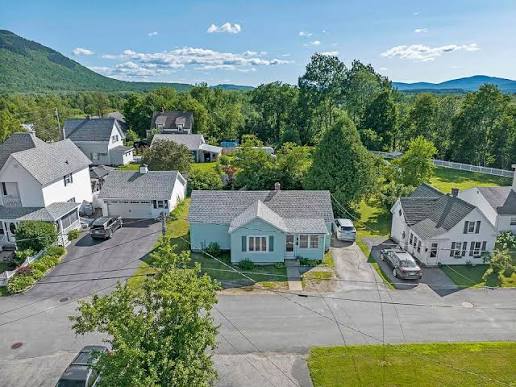
Hudson is another popular Southern New Hampshire community.
Many buyers are drawn to Hudson because it offers a suburban lifestyle with easy access to Nashua and Massachusetts.
At approximately the $500,000 price point, buyers may find:
Three bedroom homes
Larger yards
Established neighborhoods
Updated interior spaces
Homes with garages
Additionally, Hudson provides a quieter atmosphere while remaining close to shopping and services.
Many families appreciate the town’s parks, recreation opportunities, and community feeling.
For buyers looking at Southern NH Houses for sale, Hudson often provides a strong combination of location and value.
Londonderry continues to be one of Southern New Hampshire’s most desirable towns.
The community offers a wonderful blend of history, open space, convenience, and suburban comfort.
At the $500,000 price range, buyers may find:
Older colonial style homes
Split level homes
Ranch style properties
Homes needing minor updates
Neighborhood properties with outdoor space
Additionally, Londonderry is known for its beautiful landscapes and strong community atmosphere.
Buyers looking at Londonderry homes often value privacy and convenience.
For those searching Londonderry houses for sale, a $500,000 budget may require some flexibility. Buyers may need to consider home age, updates, and lot size.
However, the town’s lifestyle appeal continues to make it highly desirable.
Litchfield offers a different experience compared to some neighboring towns.
The community provides more open space, larger lots, and a peaceful environment.
For buyers seeking more land, Litchfield can offer excellent value.
At the $500,000 level, buyers may find:
Larger lots
Traditional New England homes
Rural style properties
Homes with outdoor features
More privacy
Additionally, Litchfield provides convenient access to Nashua and Manchester.
This makes it appealing for buyers who want a quieter lifestyle without feeling isolated.
The town is a great example of how location influences value.
A similar budget may provide more space here compared to some nearby communities.

Windham is known for its desirable location, excellent community reputation, and attractive neighborhoods.
Because of strong demand, homes in Windham often receive significant buyer interest.
At the $500,000 price range, buyers may find:
Smaller single family homes
Older properties
Homes needing updates
Townhomes or condominium options
Properties with desirable locations
However, buyers should understand that Windham often commands higher prices because of demand.
The community’s proximity to Massachusetts makes it appealing for commuters.
Additionally, many buyers value the town’s natural beauty and residential feel.
Manchester offers one of the widest ranges of housing options in Southern New Hampshire.
As the largest city in the state, Manchester provides many different neighborhoods and property types.
At $500,000, buyers may find:
Larger homes
Historic properties
Multi family investments
Updated city homes
Properties near amenities
Furthermore, Manchester provides strong convenience.
Residents enjoy restaurants, entertainment, healthcare, and employment opportunities.
For buyers who want more space or investment potential, Manchester can provide exciting possibilities.
Additionally, the city offers opportunities that may be harder to find in smaller communities.
One important question buyers should ask is what lifestyle fits them best.
A $500,000 budget can create different experiences depending on location.
In a city like Manchester or Nashua, buyers may enjoy:
Shorter commutes
More restaurants
More entertainment
Greater housing variety
In suburban towns, buyers may enjoy:
More privacy
Larger yards
Quieter neighborhoods
More outdoor space
Therefore, the best choice depends on personal priorities.
A buyer who loves walking to restaurants may prefer city living. A buyer who wants gardening space may prefer a suburban or rural setting.

Today’s buyers often have a wish list.
They may want updated kitchens, open layouts, modern bathrooms, and energy efficient features.
However, the $500,000 price point requires buyers to prioritize.
Some homes may offer updated interiors but smaller lots.
Others may provide larger properties but require renovations.
Additionally, newer construction may offer modern features but less space.
Therefore, buyers should decide which features matter most.
A knowledgeable REALTOR can help identify which tradeoffs make sense.
Real estate value is strongly connected to location.
Two homes with similar square footage may have very different prices because of their town or neighborhood.
For example, a home near major highways may appeal to commuters.
A property near parks or trails may attract outdoor enthusiasts.
Additionally, school districts, taxes, and future development can affect value.
Therefore, buyers should consider the entire picture.
The right home is not always the newest home. It is the home that fits your lifestyle and future goals.
If you are shopping in this price range, preparation matters.
First, get pre approved before starting your search.
Next, understand your monthly budget.
Additionally, research different towns.
Visit neighborhoods and compare what each community offers.
Furthermore, work with a local REALTOR who understands Southern New Hampshire.
Local expertise can help you recognize good opportunities and make strong decisions.
For example, someone interested in South Nashua houses for sale may benefit from guidance about different neighborhoods and pricing trends.
A smart buyer looks beyond today’s appearance.
Some homes may need cosmetic updates but have excellent potential.
For example, fresh paint, new flooring, or landscaping can create significant improvement.
Additionally, buyers should consider long term value.
A home in a strong community with good access to amenities may continue to perform well over time.
Furthermore, choosing the right location can help protect your investment.
Real estate is not only about the home you buy today. It is also about future possibilities.
Southern New Hampshire continues to attract buyers from many backgrounds.
Some are relocating for jobs. Others want more space, better communities, or a change in lifestyle.
The region offers a unique combination of affordability compared to nearby areas, natural beauty, and convenience.
Additionally, the Manchester Nashua area provides strong economic opportunities.
This continued demand supports long term interest in local real estate.
For buyers exploring Southern NH Houses for sale, understanding the market creates confidence.
A $500,000 budget can still provide exciting opportunities throughout Southern New Hampshire.
The key is understanding your priorities and knowing how each town compares.
Whether you prefer the convenience of Nashua, the community feel of Hudson, the charm of Londonderry, the open spaces of Litchfield, or the energy of Manchester, there are options available.
If you are exploring South Nashua houses for sale or comparing Southern NH Houses for sale, a local REALTOR can help you navigate today’s market.
The perfect home may look different depending on the town, but the goal remains the same. Find a place where you feel comfortable, build memories, and create lasting value.
With the right preparation and guidance, $500,000 Homes NH buyers can discover wonderful opportunities throughout Southern New Hampshire.
If you need more infor on $500,000 Homes NH, or are ready to sell your house give us a call at (603) 883-8840. You can also sign up for your dream home search or reach out to Our Agents for more information. We’d love to help you with your real estate needs.

Buying a home is one of the biggest financial decisions most people make. Therefore, understanding NH property taxes can help buyers and homeowners feel more confident. Many people are surprised when they compare tax bills between towns because the amounts can look very different. For example, someone looking at South Nashua Houses for Sale may notice a different tax bill than someone viewing Amherst properties. Likewise, buyers searching for Southern NH Houses for Sale often compare communities based on more than just the purchase price.

The good news is that New Hampshire property taxes are easier to understand once you know how the system works. Although tax bills can seem complicated, the basics are straightforward. Property taxes help fund important local services like schools, roads, emergency services, and town operations. Because each town has different needs and budgets, tax rates can vary greatly across the state.
In New Hampshire, property taxes are mainly collected at the local level. Towns, cities, and school districts create budgets each year. Then, those budgets are divided among property owners based on the assessed value of their homes and land.
Simply put, your property tax bill depends on two main things. First, it depends on your property’s assessed value. Second, it depends on the tax rate set by your town and other local taxing districts.
A home with a higher assessed value usually has a higher tax bill. However, a town with a lower tax rate may still have lower overall taxes than a town with a higher rate. Therefore, looking only at the tax rate does not always tell the full story.
Each year, towns review their budgets and determine how much money they need to raise through property taxes. As a result, tax rates can change from year to year. Additionally, property assessments may change when home values increase or when towns complete property revaluations.
One of the most common questions buyers ask is why property taxes differ so much between communities. The answer comes down to local budgets, services, property values, and community needs.
For example, Nashua and Amherst are both desirable Southern New Hampshire communities, but they have different budgets and structures. Nashua is a larger city with more public services, more infrastructure, and a larger population. Amherst is a smaller town with a different community style, different expenses, and different property values.
Because each community creates its own budget, tax rates reflect local priorities. Some towns spend more on schools, while others may have different levels of municipal services. Also, towns with more commercial properties may have a larger tax base, which can help reduce the amount needed from residential homeowners.
This is why buyers should not automatically assume a lower tax rate means a better value. Instead, it is important to look at the complete picture. A slightly higher tax bill may provide valuable services, excellent schools, and strong community benefits.

One of the most common questions buyers ask is why property taxes differ so much between communities. The answer comes down to local budgets, services, property values, and community needs.
For example, Nashua and Amherst are both desirable Southern New Hampshire communities, but they have different budgets and structures. Nashua is a larger city with more public services, more infrastructure, and a larger population. Amherst is a smaller town with a different community style, different expenses, and different property values.
Because each community creates its own budget, tax rates reflect local priorities. Some towns spend more on schools, while others may have different levels of municipal services. Also, towns with more commercial properties may have a larger tax base, which can help reduce the amount needed from residential homeowners.
This is why buyers should not automatically assume a lower tax rate means a better value. Instead, it is important to look at the complete picture. A slightly higher tax bill may provide valuable services, excellent schools, and strong community benefits.
Many homeowners confuse assessed value with market value. Although they are connected, they are not always the same.
Your home’s assessed value is the value used by your town to calculate property taxes. The town determines this value through assessments and periodic revaluations. Meanwhile, market value is what buyers are willing to pay for your home in the current real estate market.
When home prices rise, assessed values may also increase after a townwide review. However, your assessment does not automatically mean your home will sell for that amount. The real estate market, buyer demand, location, condition, and features all influence the sale price.
For homeowners thinking about selling, understanding assessments can be helpful. Buyers often review taxes before making an offer. A knowledgeable NH REALTOR can explain how taxes compare between nearby communities and how they may affect affordability.
Many people moving to New Hampshire are surprised by the state’s tax system. New Hampshire does not have a broad based state income tax or a general sales tax on everyday purchases. Instead, the state relies more heavily on property taxes and other revenue sources.
Because of this structure, property owners carry a larger share of funding for local services. In many ways, the property tax replaces some of the revenue that other states collect through income and sales taxes.
For buyers relocating from states with income taxes or higher sales taxes, the difference can feel significant. A homeowner may pay more in property taxes but save money in other areas of their budget.
However, every situation is different. A buyer should compare the total cost of living rather than looking at one expense alone. Housing costs, insurance, utilities, transportation, and taxes all play a role in affordability.


When searching for a home, taxes are an important factor. However, they should be part of a larger financial picture.
A home with a slightly higher tax bill may offer benefits that matter to your lifestyle. These benefits could include a shorter commute, better access to shopping, larger lots, community programs, or highly rated schools.
For example, someone searching for South Nashua houses for sale may compare neighborhoods based on convenience, location, and monthly expenses. At the same time, another buyer looking at Southern NH Houses for sale may focus on space, privacy, and town services.
A good real estate professional helps buyers understand these differences. Instead of simply comparing tax rates, buyers can make informed decisions based on value, comfort, and long term goals.
Property taxes matter for sellers too. When preparing to list a home, owners should understand how taxes may affect buyer interest.
A higher tax bill does not always hurt a home’s value. Many buyers understand that desirable towns often have higher expenses because they provide strong services and community advantages.
However, sellers should be prepared to answer questions about taxes. Buyers may ask about the current tax amount, recent increases, or how the property compares with nearby homes.
A REALTOR can help explain these details while highlighting the features that make the home attractive. Strong marketing shows buyers the complete value of the property, not just one number on a tax bill.
When comparing homes in different communities, start by looking beyond the listing price. Monthly costs include more than just a mortgage payment.
Consider the property taxes, insurance costs, maintenance expenses, and potential utility costs. Also, think about how the town fits your lifestyle.
Next, review local services and community features. Look at schools, recreation, commuting options, and nearby amenities. These factors often influence long term satisfaction.
Additionally, work with a local real estate expert who understands the differences between New Hampshire communities. A knowledgeable REALTOR can help explain why one town may have higher taxes while still offering excellent value.
Buying a home should feel exciting, not overwhelming. Understanding taxes helps buyers make smarter choices and avoid surprises after closing.
Whether you are exploring city neighborhoods or quiet country communities, every town has something unique to offer. Some buyers prefer the convenience of Nashua, while others enjoy the charm and space found in smaller towns like Amherst.
For buyers searching throughout Southern New Hampshire, comparing communities carefully can lead to a better home buying experience. Many people exploring South Nashua houses for sale also compare nearby towns to find the right balance of price, taxes, and lifestyle.
Likewise, buyers reviewing Southern NH Houses for sale often discover that each community has different strengths. The best choice depends on your personal needs, financial goals, and future plans.
Understanding NH property taxes gives homeowners and buyers a stronger foundation for making real estate decisions. Although taxes can vary widely, they are only one piece of the overall homeownership picture.
New Hampshire offers many advantages, including beautiful communities, no general sales tax, and no broad based state income tax. Because of this unique structure, property taxes play an important role in funding local services.
When you understand how taxes work, you can better compare homes, neighborhoods, and communities. Whether you are buying your first home, moving to a new town, or selling your current property, knowledge creates confidence.
If you are exploring South Nashua Houses for Sale or looking through Southern NH Houses for Sale, consider the complete value of each community. The right home is not only about the price you pay. It is also about the lifestyle, services, and long term benefits your community provides.
If you need more tips on NH property taxes, or are ready to sell your house give us a call at (603) 883-8840. You can also sign up for your dream home search or reach out to Our Agents for more information. We’d love to help you with your real estate needs.

Buying a home is exciting, but choosing the right financing can feel overwhelming. Fortunately, learning about today's mortgage options makes the process much easier. If you are looking at Southern NH Houses for sale, understanding fixed rate loans, adjustable rate loans, seller concessions, and rate buydowns can help you buy with confidence. The right loan can save money, reduce stress, and help you stay within your monthly budget. Even better, today's buyers have more choices than many people realize.
Why Mortgage Options Matter
Understanding Fixed Rate Mortgages
Understanding Adjustable Rate Mortgages
Fixed vs Adjustable Rate Mortgages
Seller Concessions Explained
Mortgage Rate Buydowns
Temporary vs Permanent Buydowns
Buying Within Your Budget
Why Preapproval Matters
Mortgage Tips for Southern NH Buyers
Frequently Asked Questions
Work With a Local REALTOR
Interest rates affect much more than your monthly payment. They also influence how much home you can comfortably afford. Therefore, understanding your financing choices before shopping can prevent costly mistakes.
Today's housing market continues to change. Even so, buyers are still purchasing homes every day. Instead of waiting for the perfect interest rate, many buyers focus on finding the right home with the right loan. As a result, they move forward with confidence instead of uncertainty.

A fixed rate mortgage keeps the same interest rate throughout the life of the loan. Because the rate never changes, your principal and interest payment stays the same each month.
Many buyers appreciate this stability. It makes budgeting easier and removes the worry of rising interest rates. In addition, fixed rate loans are often the preferred choice for buyers who expect to stay in their home for many years.
A fixed rate mortgage offers predictable monthly payments. It also protects you if interest rates increase in the future. Furthermore, many homeowners enjoy the peace of mind that comes from knowing exactly what they will pay each month.
Although fixed loans provide stability, the starting interest rate may be slightly higher than some adjustable loans. Even so, many buyers find the consistent payment worth the difference.
An adjustable rate mortgage, often called an ARM, begins with a fixed interest rate for a specific period. After that period ends, the interest rate may adjust according to market conditions.
For example, a five year ARM keeps the same interest rate during the first five years. Afterward, the rate may increase or decrease based on the loan agreement.
Although this type of loan is not right for everyone, it can be an excellent choice in certain situations.
An ARM often works well if you expect to move before the adjustment period begins. Likewise, buyers planning to relocate for work may benefit from the lower starting payment.
However, it is important to understand how future adjustments could affect your monthly payment. Therefore, always review the loan terms carefully with your lender.
Choosing between these mortgage options depends on your financial goals.
If you want long term stability, a fixed rate mortgage is often the better choice. On the other hand, if you plan to own the home for only a few years, an adjustable rate mortgage could save money during that time.
There is no universal answer. Instead, the best loan depends on your timeline, budget, and comfort level.
Many buyers overlook seller concessions, yet they can significantly reduce upfront costs.
A seller concession allows the seller to pay certain buyer expenses at closing. These funds may cover closing costs, prepaid expenses, or even a mortgage rate buydown.
Because affordability remains important, seller concessions have become a valuable negotiating tool in many real estate transactions

A mortgage rate buydown allows buyers to lower their interest rate by paying upfront fees at closing. Sometimes buyers pay for the buydown themselves. However, sellers often agree to contribute during negotiations.
Lower interest rates usually mean lower monthly payments. Therefore, a buydown may improve affordability without reducing the home's purchase price.
A temporary buydown lowers your payment during the first years of the mortgage. As a result, buyers enjoy smaller payments while adjusting to homeownership.
This strategy has become increasingly popular because it offers immediate monthly savings.
A permanent buydown lowers the interest rate for the life of the loan. Although the upfront cost is usually higher, buyers who plan to stay in the home for many years often save more over time.
Buying the most expensive home you qualify for is not always the smartest decision. Instead, create a realistic monthly budget before shopping.
Include property taxes, homeowner's insurance, maintenance costs, utilities, and savings. Once you know your comfortable payment, you can confidently search for homes within your price range.
That approach often reduces financial stress after closing.
A mortgage preapproval should be one of your first steps.
Preapproval helps you understand your budget before touring homes. It also shows sellers that you are a serious buyer. Consequently, your offer may stand out in a competitive market.
If you are touring Southern NH Houses for sale, preapproval gives you confidence throughout the buying process.
Every housing market is different. Southern New Hampshire continues to attract buyers because of its strong communities, convenient commuting options, and excellent quality of life.
An experienced REALTOR understands neighborhood trends, pricing strategies, and local inventory. Likewise, a trusted lender can explain financing choices using simple language.
Together, they help buyers make informed decisions from start to finish.
Many buyers unintentionally create problems before closing. Fortunately, these mistakes are easy to avoid.
Do not finance a new vehicle before your mortgage closes. Avoid opening new credit cards. Continue making payments on time. In addition, avoid changing jobs if possible during the loan process.
Small financial decisions today can make a big difference tomorrow.
Not always. A fixed rate mortgage offers stable payments, while an adjustable rate mortgage may provide lower initial payments. The best choice depends on your plans and financial goals.
A seller concession is money the seller contributes toward certain buyer costs, such as closing costs or a mortgage rate buydown.

A mortgage rate buydown lowers your interest rate by paying upfront costs at closing. As a result, your monthly payment becomes more affordable.
No one can predict future interest rates. Instead of waiting, focus on finding the right home and a payment that fits your budget. If rates decline later, refinancing may become an option.
Finding the right financing is just as important as finding the right home. As you search Southern NH Houses for sale, compare today's mortgage options carefully. Ask questions, review your budget, and work with experienced professionals who understand the local market. By making informed decisions today, you can buy with confidence and build a stronger financial future for tomorrow.
If you need more info on a Southern NH mortgage options, or are ready to sell your house give us a call at (603) 883-8840. You can also sign up for your dream home search or reach out to Our Agents for more information. We’d love to help you with your real estate needs.

Buying your first home is exciting. It can also feel overwhelming. One of the most important steps in the process is the home inspection. Many first time buyers feel nervous about what an inspector might find. That is completely normal. Whether you are looking at Litchfield Houses for Sale or exploring Southern NH houses for sale, understanding the inspection process can help you feel confident and prepared.
A home inspection is designed to give buyers a better understanding of a property's condition. It is not about finding a perfect house. Every home has strengths and weaknesses. The goal is to identify important issues before closing so you can make informed decisions.
In Southern New Hampshire, inspections often include concerns that are unique to our region. Older homes, private wells, septic systems, radon mitigation equipment, and basement moisture are all common topics. Knowing what to expect can reduce stress and help you navigate the process with confidence.
A home inspection is a professional evaluation of a property's visible systems and components. A licensed home inspector examines the home's structure, mechanical systems, safety features, and overall condition.
The inspection typically takes two to four hours depending on the size and condition of the property. Buyers are encouraged to attend whenever possible. Walking through the home with the inspector provides valuable insight that may not be obvious in the written report.
Many buyers worry when they receive a lengthy report. However, even newer homes often generate dozens of comments. Most inspection reports contain a mix of maintenance recommendations, minor repairs, and larger concerns.
Remember that the purpose of a home inspection is education. The report helps you understand the home you are buying.
The inspection contingency is one of the most important protections available to buyers. It gives you an opportunity to learn about the property's condition before completing the purchase.
The inspection may uncover issues that need attention. It may also confirm that the home is generally well maintained. Either outcome provides valuable information.
In some cases, buyers negotiate repairs or credits after the inspection. In other situations, the inspection simply provides peace of mind.
Most importantly, the inspection helps you avoid unexpected surprises after moving in.

A standard home inspection covers many areas of the home. Inspectors examine the property's major systems and components.
They typically review:
Roof condition
Exterior siding and trim
Foundation and structure
Basement and crawl spaces
Electrical systems
Plumbing systems
Heating and cooling equipment
Water heaters
Windows and doors
Insulation and ventilation
Attics
Interior walls, ceilings, and floors
Built in appliances
Safety concerns
The inspector will document observations and provide recommendations based on visible conditions.
One of the biggest surprises for first time buyers involves basement moisture.
Southern New Hampshire homes often have basements that experience some level of dampness. This is especially true in older properties. Seasonal weather patterns, melting snow, and heavy rain can all contribute to moisture issues.
Finding signs of moisture does not automatically mean there is a serious problem. Many older homes have minor moisture conditions that owners successfully manage for years.
Inspectors often look for water stains, efflorescence, cracks, mold like growth, and signs of previous water intrusion. They also evaluate grading and drainage around the home.
If moisture is present, buyers should ask questions. Understanding the severity of the issue is more important than simply noting its existence.
Radon is a naturally occurring gas found throughout New Hampshire. Because it cannot be seen or smelled, testing is important.
Many Southern New Hampshire homes have radon mitigation systems already installed. These systems help reduce radon levels inside the home. However, older systems may require maintenance or upgrades.
Inspectors often recommend radon testing even if a mitigation system is present. Testing confirms whether the system is functioning properly.
If elevated levels are found, buyers should not panic. Radon mitigation systems are generally effective and relatively affordable compared to many major home repairs.
For buyers reviewing Southern NH houses for sale, radon is a common topic and should be viewed as a manageable issue rather than a deal breaker.
Many homes outside city water systems rely on private wells.
A standard home inspection may not include comprehensive water quality testing. Therefore, many buyers choose additional well water testing during the inspection period.
Water testing may evaluate:
Bacteria
Nitrates
Arsenic
Lead
Iron
Manganese
Other contaminants
Southern New Hampshire has areas where naturally occurring arsenic can be present. Testing provides valuable information about water quality and potential treatment needs.
A failed water test does not necessarily mean you should walk away from the home. In many cases, treatment systems can effectively address water quality concerns.
The key is understanding the results and discussing options with qualified professionals.
Many Southern New Hampshire properties use private septic systems rather than municipal sewer connections.
Because septic repairs can be expensive, buyers often order a separate septic inspection in addition to the general home inspection.
A septic evaluation may include:
Tank location
Tank condition
Distribution system review
Leach field evaluation
Signs of failure
Maintenance history
Inspectors look for evidence that the system is functioning properly. They also identify signs that may indicate future concerns.
When viewing Litchfield houses for sale, private septic systems are common. Understanding septic health is an important part of the home buying process.
A well maintained septic system can operate effectively for many years.
New England weather can be tough on roofs.
Snow, ice, wind, rain, and changing temperatures all contribute to wear and tear. During the inspection, the roof receives significant attention.
Inspectors evaluate:
Shingle condition
Flashing
Ventilation
Gutters
Signs of leaks
Estimated remaining lifespan
A roof nearing the end of its life is not always a reason to cancel a purchase. However, buyers should understand replacement costs and plan accordingly.
Knowing the roof's condition helps you budget for future maintenance.
Heating systems are especially important in New Hampshire.
Inspectors evaluate furnaces, boilers, heat pumps, and other heating equipment. They check for proper operation and visible signs of wear.
Buyers should ask about:
System age
Maintenance history
Fuel type
Efficiency ratings
Expected lifespan
Heating costs can vary significantly depending on the system and home size. Understanding how the system performs helps buyers estimate future expenses.
Electrical safety remains a major focus during every home inspection.
Inspectors evaluate panels, wiring, outlets, switches, and visible electrical components. Older homes sometimes contain outdated wiring methods that may require upgrades.
Common findings include:
Missing GFCI protection
Double tapped breakers
Improper wiring
Outdated panels
Exposed wiring
Many electrical issues are repairable. However, buyers should understand any safety concerns identified during the inspection.

Building Surveyor Wearing Hard Hat With Clipboard Looking At Interior Of New Property
Plumbing systems receive careful review as well.
Inspectors check visible pipes, fixtures, water heaters, drains, and water pressure. They also look for signs of leaks or previous repairs.
In older homes, inspectors may identify aging plumbing materials. Some materials have longer life expectancies than others.
Understanding the plumbing system helps buyers prepare for future maintenance needs.
Attics reveal a surprising amount of information about a home.
Inspectors evaluate insulation levels, ventilation, moisture conditions, and structural components. Proper attic performance can improve comfort and energy efficiency.
Poor insulation may lead to higher heating costs. Inadequate ventilation can contribute to moisture issues and ice dams during winter.
Many buyers overlook the attic, but it plays an important role in overall home performance.
First time buyers often worry whenever an inspector identifies concerns.
The reality is that many findings are relatively minor.
Common examples include:
Loose handrails
Minor grading issues
Missing caulk
Small cracks
Older appliances
Worn weather stripping
Slow drains
Minor roof wear
These items are often manageable and expected, especially in older homes.
A long report does not necessarily mean the home is in poor condition.
Once the inspection is complete, buyers review the report with their REALTOR.
Together, they identify any significant concerns and discuss possible next steps.
Depending on the findings, buyers may:
Move forward as planned
Request repairs
Request credits
Seek additional evaluations
Terminate the contract if allowed by contingency terms
Every situation is unique. Your REALTOR can help you evaluate options and negotiate effectively.
Attend the inspection if possible.
Ask questions throughout the process.
Focus on major systems rather than cosmetic issues.
Take notes and photos.
Read the entire report carefully.
Discuss concerns with your REALTOR.
Obtain estimates for significant repairs when needed.
Most importantly, remember that no home is perfect.
Even newly built homes often generate inspection findings.
It is easy for first time buyers to become overwhelmed during the inspection process. The report may contain dozens of observations. Some comments may sound alarming at first glance.
However, context matters.
Many homes throughout Southern New Hampshire have basement moisture. Many properties use wells and septic systems. Many homes have radon mitigation equipment. These conditions are common and often manageable.
Experienced buyers and homeowners understand that maintenance is part of homeownership. The inspection simply helps you understand what to expect.
The home inspection is one of the most valuable steps in the home buying journey. It provides insight, protection, and peace of mind. Instead of fearing the process, first time buyers should view it as an opportunity to learn more about the property they hope to call home.
Whether you are reviewing Litchfield houses for sale or comparing Southern NH houses for sale, understanding local inspection concerns can help you make smarter decisions. From radon testing and well water quality to septic health and basement moisture, these topics are part of buying real estate in New Hampshire. As you continue exploring Litchfield Houses for Sale and Southern NH houses for sale, a thorough home inspection can provide the confidence you need to move forward with your purchase and enjoy your new home for years to come.
If you need more home inspection secrets, or are ready to sell your house give us a call at (603) 883-8840. You can also sign up for your dream home search or reach out to Our Agents for more information. We’d love to help you with your real estate needs.

If you are thinking about selling, you are not alone. Many homeowners are looking at the market and asking what comes next. Right now, homes for sale New Hampshire are in demand, which is great news for sellers. Buyers are still active, and inventory is often low. That means you may have a strong chance to sell at a great price.
At the same time, selling is more than putting a sign in the yard. It takes a smart plan, strong marketing, and a clear understanding of the market. For example, if you are thinking about Pelham houses for sale or even Southern NH Houses for sale, your strategy may look a little different based on location. However, the goal stays the same. You want to attract serious buyers and get the best return.
First, let’s talk about demand. Many buyers want to live in New Hampshire because of its quality of life. There are great schools, beautiful scenery, and easy access to nearby cities. Because of this, homes continue to sell well across many towns.
In addition, low inventory helps sellers. When there are fewer homes on the market, buyers compete more. This can lead to stronger offers and better terms. As a result, sellers often feel more confident listing their property.
However, not every home sells fast. Condition, price, and location still matter. Even in a strong market, buyers are careful. They compare homes and look for value. That is why preparation is key.
Before you list your home, it is important to make a strong first impression. Buyers often decide how they feel within seconds. Because of that, small updates can make a big difference.
Start with cleaning and decluttering. A clean home feels bigger and more inviting. Next, focus on simple updates like fresh paint and minor repairs. These steps are affordable, yet they add real value.
Curb appeal is also very important. When buyers pull up, they should feel excited. Trim bushes, mow the lawn, and add a few flowers if possible. Even small touches can boost interest.
For sellers looking at Pelham houses for sale, this step is especially helpful. Many buyers in Pelham are looking for move in ready homes. So, the better your home shows, the more attention it will get.
Pricing is one of the most important parts of the process. If your home is priced too high, buyers may skip it. If it is priced too low, you could leave money on the table.
A smart pricing strategy looks at recent sales, current listings, and market trends. This is often called a comparative market analysis. It helps you understand what buyers are willing to pay.
In addition, pricing can create momentum. A well priced home can attract more buyers right away. That may lead to multiple offers, which is ideal for sellers.
When working with Southern NH Houses for sale, pricing can vary by town. For example, homes closer to major highways or job centers may sell faster. Therefore, local knowledge is key.
Today, most buyers start their search online. Because of this, strong marketing is a must. High quality photos are one of the most important tools. Bright, clear images help your home stand out.
Next, listing descriptions should be clear and inviting. They should highlight key features like updated kitchens, large yards, or great locations. At the same time, they should feel natural and easy to read.
Social media also plays a big role. Many buyers scroll through listings every day. A well placed post can bring more eyes to your home. In addition, email marketing can reach active buyers quickly.
If you are selling homes for sale New Hampshire, the right marketing plan can make a huge difference. It helps your home reach more buyers and increases your chances of a strong offer.
Open houses and private showings give buyers a chance to connect with your home. This is where they picture their life in the space. Because of that, presentation matters.
Keep your home clean and organized at all times. You never know when a buyer may want to visit. Also, try to make showings easy to schedule. The more flexible you are, the more buyers you will attract.
During open houses, it helps to create a welcoming feel. Open curtains, turn on lights, and keep the space fresh. These small steps can make a big impact.

Once offers start coming in, it is time to review them carefully. Price is important, but it is not the only factor. Terms like financing, inspection, and closing date also matter.
For example, a cash offer may be more secure. However, a financed offer with strong terms can also be a great choice. It depends on your goals.
Negotiation is where strategy comes in. You may receive one offer or several. Either way, it is important to stay calm and make informed decisions. A skilled agent can help guide you through this step.
Pelham is a popular town in Southern New Hampshire. It offers a quiet setting with easy access to Massachusetts. Many buyers are drawn to its community feel and location.
For sellers, this is a great advantage. Homes in Pelham often attract buyers who want more space and a peaceful setting. At the same time, they still want a reasonable commute.
If you are preparing Pelham houses for sale, highlight what makes the town special. Talk about local parks, schools, and nearby amenities. Buyers love to learn about the lifestyle, not just the home.
In addition, timing can play a role. Spring and early summer are often busy seasons. However, homes can sell year round with the right approach.
Even in a strong market, mistakes can slow down your sale. One common mistake is overpricing. While it is natural to aim high, pricing too high can turn buyers away.
Another mistake is skipping preparation. A home that needs work may sit longer on the market. In contrast, a well prepared home often sells faster.
Also, poor marketing can hurt your results. Low quality photos or weak descriptions may not attract buyers. That is why working with a professional matters.
Finally, being too rigid with showings can limit your opportunities. The easier it is to see your home, the better.
Timing can affect how fast your home sells and the price you receive. Spring is often the busiest season. Buyers are active, and the weather helps homes show well.
However, fall and winter also have serious buyers. While there may be fewer people looking, those who are tend to be motivated. That can work in your favor.
For homes for sale New Hampshire, the key is to be ready when the time feels right for you. A strong plan can help you succeed in any season.

Selling a home is a big step. Because of this, having the right support matters. A local real estate expert understands the market and knows how to position your home.
They can help with pricing, marketing, and negotiation. In addition, they can guide you through each step of the process. This makes the experience smoother and less stressful.
For sellers looking at Southern NH Houses for sale, local knowledge is especially important. Each town has its own trends, and small details can impact your sale.
Selling your home can feel overwhelming at first. However, with the right plan, it becomes much more manageable. Focus on preparation, pricing, and marketing. These steps will set you up for success.
Whether you are thinking about Pelham houses for sale or exploring Southern NH Houses for sale, the opportunity is there. Buyers are still looking, and well prepared homes are standing out.
As you move forward, remember that every home is unique. Your strategy should reflect your goals and your property. With the right approach, you can sell with confidence and achieve a great result
If you need more tips on homes for sale New Hampshire, or are ready to sell your house give us a call at (603) 883-8840. You can also sign up for your dream home search or reach out to Our Agents for more information. We’d love to help you with your real estate needs.

Let’s play a quick game. Picture a house with a long sloping roof in the back and a shorter roof in the front. Does that ring a bell? That classic shape is a saltbox, and it is just one of many NH home styles you will see when touring Litchfield houses for sale or browsing Southern NH Houses for sale.
New Hampshire is full of character homes. Some look formal. Some look cozy. Some make you tilt your head and ask what style even is that. Knowing home styles helps you shop smarter and talk real estate with confidence. It also makes open houses more fun. Yes, really.
Put your architectural knowledge to the test as we walk through the most common home styles found in New Hampshire. No quiz at the end. Promise.
Home style is not just about looks. It affects layout, maintenance, resale value, and how a home lives day to day.
Some styles offer open space. Others favor smaller rooms. Rooflines affect snow load. Window placement affects light and heat. In New Hampshire, style and weather go hand in hand.
Understanding NH home styles helps buyers choose homes that fit their lifestyle and long term goals. It also helps sellers highlight the right features when listing.
Plus, it feels good to know what you are looking at.
Let’s start with the star of the show. The saltbox house.
A saltbox has two stories in the front and one story in the back. The roof slopes long and low toward the rear. This design came from early New England settlers who needed simple, strong homes.
Why the shape? Snow slides off easier. Wind resistance improves. Extra space appears without building taller.
You will still see saltboxes today, especially in older neighborhoods and historic areas. Many buyers touring Southern NH Houses for sale fall in love with their charm without knowing the name.
Now you know.

Let’s play a quick game. Picture a house with a long sloping roof in the back and a shorter roof in the front. Does that ring a bell? That classic shape is a saltbox, and it is just one of many NH home styles you will see when touring Litchfield houses for sale or browsing Southern NH Houses for sale.
New Hampshire is full of character homes. Some look formal. Some look cozy. Some make you tilt your head and ask what style even is that. Knowing home styles helps you shop smarter and talk real estate with confidence. It also makes open houses more fun. Yes, really.
Put your architectural knowledge to the test as we walk through the most common home styles found in New Hampshire. No quiz at the end. Promise.
Home style is not just about looks. It affects layout, maintenance, resale value, and how a home lives day to day.
Some styles offer open space. Others favor smaller rooms. Rooflines affect snow load. Window placement affects light and heat. In New Hampshire, style and weather go hand in hand.
Understanding NH home styles helps buyers choose homes that fit their lifestyle and long term goals. It also helps sellers highlight the right features when listing.
Plus, it feels good to know what you are looking at.
Let’s start with the star of the show. The saltbox house.
A saltbox has two stories in the front and one story in the back. The roof slopes long and low toward the rear. This design came from early New England settlers who needed simple, strong homes.
Why the shape? Snow slides off easier. Wind resistance improves. Extra space appears without building taller.
You will still see saltboxes today, especially in older neighborhoods and historic areas. Many buyers touring Southern NH Houses for sale fall in love with their charm without knowing the name.
Now you know.

Victorian homes are hard to miss. They feature steep roofs, decorative trim, and bold personality.
These homes often have many rooms, tall ceilings, and unique layouts. No two feel exactly alike.
Maintenance can be higher, but charm is off the charts.
Victorians are part of the architectural fabric of NH home styles, especially in historic towns.
Farmhouses were built for work and family life. They feel welcoming and practical.
These homes often feature wide porches, large kitchens, and flexible space. Many have been updated over time.
Modern farmhouse style draws inspiration from these roots while adding clean finishes.
Farmhouses remain popular among buyers seeking character and comfort.
Contemporary homes focus on clean lines and open space. They often use large windows and modern materials.
These homes may look different from traditional New England designs. They stand out.
Energy efficiency often plays a big role in contemporary builds.
Buyers seeking something unique often gravitate toward this end of NH home styles.
Townhomes and condos offer lower maintenance living. They are popular with first time buyers and downsizers.
These homes vary widely in style. Some look colonial. Others feel modern.
Location often drives demand. Community features matter too.
When browsing Litchfield houses for sale, buyers sometimes overlook attached options that fit their needs perfectly.

In New Hampshire, winter matters. Roof pitch affects snow load. Window placement affects heat loss.
Saltbox and cape homes handle snow well. Ranch homes may need roof maintenance.
Understanding style helps buyers plan for maintenance and comfort.
This is where NH home styles and local climate intersect in real ways.
Do you love open space? Do you want defined rooms? Do stairs matter?
Home style influences how a home lives. There is no perfect style, only the right fit.
Buyers who take time to learn styles often feel more confident making offers.
Knowledge reduces stress.
Buyers often tell me this is the fun part. Touring homes becomes a learning experience.
They start guessing styles before I say anything. They notice details.
That confidence grows quickly.
This is one reason understanding NH home styles helps buyers feel in control of their search.
Some styles appeal to wider audiences. Others attract niche buyers.
Knowing this helps buyers think long term. It helps sellers market better.
Homes in Southern NH Houses for sale benefit when style features are highlighted clearly.
Older does not always mean outdated. Smaller does not mean cramped.
Modern does not mean cold. Traditional does not mean boring.
Style myths stop buyers from seeing potential.
Seeing past them opens doors.
Next time you tour a home, look up. Look at the roofline. Look at symmetry and layout.
You will start spotting styles everywhere.
Whether you are exploring Litchfield houses for sale or searching through Southern NH Houses for sale, understanding NH home styles helps you buy smarter and enjoy the process more.
And yes, now you know a saltbox when you see one.
If you need more tips on NH Home styles, or are ready to sell your house give us a call at (603) 883-8840. You can also sign up for your dream home search or reach out to Our Agents for more information. We’d love to help you with your real estate needs.

Buying a home can feel exciting and stressful at the same time. This guide focuses on writing winning offers that stand out in New Hampshire real estate. In New Hampshire real estate, strong offers matter. Sellers want certainty. Listing agents want smooth deals. Buyers want accepted contracts. The goal is to bring all three together. This guide explains writing winning offers in a simple and practical way.
When an offer feels clean and thoughtful, it stands out fast. It builds trust. It reduces risk. It shows respect for the seller. That feeling matters more than many buyers realize. Great offers are not just about price. They are about clarity, timing, and confidence.
If you are shopping for Southern NH Houses for sale, competition can be strong. Homes move fast. Sellers often see multiple offers. The best written offer often rises to the top. Even when it is not the highest price.
This article breaks down gives a breakdown for writing winning offers sellers and listing agents will truly love. The advice is clear, friendly, and proven in real deals across New Hampshire.

The best offers start with empathy. A seller is not just selling a house. They are closing a chapter. They may be moving for work, family, or lifestyle changes. They care about timing, stress, and certainty.
When you write an offer, think about what the seller wants most. Many sellers value a smooth closing. Others need flexibility on move out dates. Some want fewer contingencies. Some want confidence the buyer will close.
A strong buyer agent looks past price. They read the listing closely. They talk with the listing agent. They listen for clues. This approach helps shape an offer that fits the seller’s goals.
This mindset is a core part of writing winning offers. Sellers feel it right away.
Listing agents often review many offers at once. The first impression matters. A clean and complete offer package feels professional. It sets the tone for the deal.
Make sure names, dates, and numbers are correct. Errors cause doubt. Doubt creates hesitation. Clear paperwork builds trust.
A complete offer usually includes the purchase contract, disclosures, pre approval letter, and any addenda. When everything arrives together, the listing agent feels relief. That feeling helps your offer.
Professional presentation matters in New Hampshire real estate. It shows respect for the process and the people involved.
Price is important. It is not everything. Sellers want strong value. They also want confidence the home will appraise.
A smart offer price comes from market data. Recent sales matter. Active competition matters. Condition matters. Location matters. Southern NH Houses for sale can vary widely by town and neighborhood.
Avoid emotional pricing. Overpaying can cause appraisal issues. Underpaying can offend a seller. A thoughtful price shows preparation and care.
A buyer who understands value feels serious. Listing agents notice this right away. This approach supports writing winning offers that hold together through closing.

Earnest money sends a message. It shows commitment. It shows confidence.
In New Hampshire, earnest money amounts vary. A strong deposit can make an offer feel solid. It tells the seller the buyer is serious.
This does not mean taking reckless risks. It means choosing an amount that matches the market and the buyer’s comfort.
When earnest money feels right, sellers relax. Listing agents feel safer moving forward.
Contingencies protect buyers. Too many can scare sellers. The balance matters.
Inspection contingencies are common and wise. Financing contingencies are often required. Appraisal contingencies protect against surprises.
The key is clarity. Keep timelines reasonable. Avoid vague language. Use standard New Hampshire forms when possible.
Shorter contingency periods can help an offer stand out. Clear terms reduce confusion. This is another pillar of writing winning offers.
Inspections matter. Sellers understand this. They also fear endless requests.
A strong offer shows respect for the home. It avoids extreme demands upfront. It focuses on safety and major systems.
Buyers should plan inspection strategy before offering. Know your priorities. Communicate expectations clearly.
Listing agents appreciate buyers who approach inspections fairly. It builds goodwill. That goodwill can save deals later.

Sellers worry about financing delays. Clear financing terms reduce stress.
A solid pre approval letter is essential. It should match the offer price. It should come from a trusted lender.
Cash offers feel strong because they reduce risk. Financed offers can still shine with clear terms and strong lenders.
In New Hampshire real estate, local lenders often add value. Listing agents trust familiar names. That trust helps your offer.
Deadlines matter. Response times matter. Closing dates matter.
An offer with a fast response deadline can feel confident. It can also feel pushy if poorly timed. Balance is key.
Closing dates should match the seller’s needs when possible. Flexibility can be powerful.
Buyers who adapt their timing often win. This strategy supports writing winning offers that feel cooperative.
Buyer letters can be emotional. They can also create risk.
Some sellers love personal stories. Others prefer clean business. Fair housing concerns matter.
In New Hampshire, many agents avoid buyer letters. Always ask your agent before including one.
If used, keep it short and respectful. Focus on the home, not personal details.

Listing agents are gatekeepers. They present offers to sellers. Their experience matters.
Clear communication helps. Professional tone helps. Prompt responses help.
A respectful approach builds cooperation. It does not mean weakness. It means confidence.
Agents remember smooth deals. That memory can help future negotiations.
Simple offers close more often. Complex terms create confusion.
Avoid unusual requests unless truly needed. Avoid vague promises. Avoid unclear language.
Use standard forms. Follow local practices. New Hampshire real estate values clarity.
Sellers love offers they can understand quickly.
Appraisals can derail deals. Sellers fear this risk.
Strong offers consider appraisal reality. They avoid inflated pricing without support.
Some buyers include appraisal gap language. This must be done carefully.
When appraisal risk feels managed, sellers feel safer choosing your offer.
Flexibility is powerful. It shows cooperation.
Allowing seller possession after closing can help. Adjusting closing dates can help. Being open to small repairs can help.
Flexibility does not mean giving up protection. It means choosing battles wisely.
This balance defines writing winning offers that feel strong and fair.
Every New Hampshire town feels different. What works in one area may fail in another.
Southern NH Houses for sale often move fast. Northern areas may move slower.
Local knowledge shapes offer strategy. It influences price, terms, and timing.
Working with a local REALTOR brings insight buyers cannot Google.
Buying a home is emotional. Offers should not be.
Strong offers feel calm. They feel thoughtful. They feel prepared.
Emotional reactions can lead to regret. Strategic thinking leads to success.
Sellers feel confidence when buyers stay steady.
The offer is just the beginning.
Prompt scheduling of inspections matters. Clear updates matter. Respectful tone matters.
Smooth communication keeps deals together. It protects everyone’s time.
Listing agents appreciate buyers who stay organized.

Sellers choose offers that feel safe. They choose clarity. They choose confidence.
They want fewer surprises. They want steady progress.
Price matters. Terms matter more than many buyers think.
Understanding this helps buyers succeed.
A skilled REALTOR guides offer strategy. They read between the lines.
They communicate with listing agents. They protect buyers.
In New Hampshire real estate, experience matters. Market shifts matter.
Professional guidance supports writing winning offers that close.
Multiple offers require precision.
Clean terms matter more. Strong deposits matter more. Clear timelines matter more.
Escalation clauses can help when used carefully.
Every detail counts when competition is high.
Sometimes the highest offer loses.
Inspection fears. Financing doubts. Timing conflicts.
Strong offers address these concerns upfront.
That is why strategy beats emotion.
A good offer protects the future.
It reduces stress. It avoids conflict. It supports closing.
Short term wins mean little if deals fall apart.
Sellers value buyers who think long term.
Strong offers feel confident. They do not feel aggressive.
They invite cooperation. They respect boundaries.
This tone builds trust quickly.
Trust closes deals.

Great offers tell a story. They say this buyer is ready, reasonable, and respectful.
They balance protection and appeal. They reflect market knowledge.
In New Hampshire, sellers respond to clarity and confidence.
Whether you are buying your first home or your fifth, strategy matters.
If you are exploring Southern NH Houses for sale, the right offer can change everything.
Writing winning offers is not luck. It is preparation, communication, and care.
If you need more tips on writing winning offers, or are ready to sell your house give us a call at (603) 883-8840. You can also sign up for your dream home search or reach out to Our Agents for more information. We’d love to help you with your real estate needs.