Home Inspection Secrets Every NH Buyer Must Know
Buying your first home is exciting. It can also feel overwhelming. One of the most important steps in the process is the home inspection. Many first time buyers feel nervous about what an inspector might find. That is completely normal. Whether you are looking at Litchfield Houses for Sale or exploring Southern NH houses for sale, understanding the inspection process can help you feel confident and prepared.
A home inspection is designed to give buyers a better understanding of a property's condition. It is not about finding a perfect house. Every home has strengths and weaknesses. The goal is to identify important issues before closing so you can make informed decisions.
In Southern New Hampshire, inspections often include concerns that are unique to our region. Older homes, private wells, septic systems, radon mitigation equipment, and basement moisture are all common topics. Knowing what to expect can reduce stress and help you navigate the process with confidence.
What Is a Home Inspection?
A home inspection is a professional evaluation of a property's visible systems and components. A licensed home inspector examines the home's structure, mechanical systems, safety features, and overall condition.
The inspection typically takes two to four hours depending on the size and condition of the property. Buyers are encouraged to attend whenever possible. Walking through the home with the inspector provides valuable insight that may not be obvious in the written report.
Many buyers worry when they receive a lengthy report. However, even newer homes often generate dozens of comments. Most inspection reports contain a mix of maintenance recommendations, minor repairs, and larger concerns.
Remember that the purpose of a home inspection is education. The report helps you understand the home you are buying.
Why the Home Inspection Matters
The inspection contingency is one of the most important protections available to buyers. It gives you an opportunity to learn about the property's condition before completing the purchase.
The inspection may uncover issues that need attention. It may also confirm that the home is generally well maintained. Either outcome provides valuable information.
In some cases, buyers negotiate repairs or credits after the inspection. In other situations, the inspection simply provides peace of mind.
Most importantly, the inspection helps you avoid unexpected surprises after moving in.
What Inspectors Typically Evaluate
A standard home inspection covers many areas of the home. Inspectors examine the property's major systems and components.
They typically review:
Roof condition
Exterior siding and trim
Foundation and structure
Basement and crawl spaces
Electrical systems
Plumbing systems
Heating and cooling equipment
Water heaters
Windows and doors
Insulation and ventilation
Attics
Interior walls, ceilings, and floors
Built in appliances
Safety concerns
The inspector will document observations and provide recommendations based on visible conditions.
Understanding New England Basements
One of the biggest surprises for first time buyers involves basement moisture.
Southern New Hampshire homes often have basements that experience some level of dampness. This is especially true in older properties. Seasonal weather patterns, melting snow, and heavy rain can all contribute to moisture issues.
Finding signs of moisture does not automatically mean there is a serious problem. Many older homes have minor moisture conditions that owners successfully manage for years.
Inspectors often look for water stains, efflorescence, cracks, mold like growth, and signs of previous water intrusion. They also evaluate grading and drainage around the home.
If moisture is present, buyers should ask questions. Understanding the severity of the issue is more important than simply noting its existence.
Radon Testing and Older Mitigation Systems
Radon is a naturally occurring gas found throughout New Hampshire. Because it cannot be seen or smelled, testing is important.
Many Southern New Hampshire homes have radon mitigation systems already installed. These systems help reduce radon levels inside the home. However, older systems may require maintenance or upgrades.
Inspectors often recommend radon testing even if a mitigation system is present. Testing confirms whether the system is functioning properly.
If elevated levels are found, buyers should not panic. Radon mitigation systems are generally effective and relatively affordable compared to many major home repairs.
For buyers reviewing Southern NH houses for sale, radon is a common topic and should be viewed as a manageable issue rather than a deal breaker.
Private Well Water Testing
Many homes outside city water systems rely on private wells.
A standard home inspection may not include comprehensive water quality testing. Therefore, many buyers choose additional well water testing during the inspection period.
Water testing may evaluate:
Bacteria
Nitrates
Arsenic
Lead
Iron
Manganese
Other contaminants
Southern New Hampshire has areas where naturally occurring arsenic can be present. Testing provides valuable information about water quality and potential treatment needs.
A failed water test does not necessarily mean you should walk away from the home. In many cases, treatment systems can effectively address water quality concerns.
The key is understanding the results and discussing options with qualified professionals.
Septic System Inspections
Many Southern New Hampshire properties use private septic systems rather than municipal sewer connections.
Because septic repairs can be expensive, buyers often order a separate septic inspection in addition to the general home inspection.
A septic evaluation may include:
Tank location
Tank condition
Distribution system review
Leach field evaluation
Signs of failure
Maintenance history
Inspectors look for evidence that the system is functioning properly. They also identify signs that may indicate future concerns.
When viewing Litchfield houses for sale, private septic systems are common. Understanding septic health is an important part of the home buying process.
A well maintained septic system can operate effectively for many years.
Roof Inspections in Southern New Hampshire
New England weather can be tough on roofs.
Snow, ice, wind, rain, and changing temperatures all contribute to wear and tear. During the inspection, the roof receives significant attention.
Inspectors evaluate:
Shingle condition
Flashing
Ventilation
Gutters
Signs of leaks
Estimated remaining lifespan
A roof nearing the end of its life is not always a reason to cancel a purchase. However, buyers should understand replacement costs and plan accordingly.
Knowing the roof's condition helps you budget for future maintenance.
Heating Systems and Winter Performance
Heating systems are especially important in New Hampshire.
Inspectors evaluate furnaces, boilers, heat pumps, and other heating equipment. They check for proper operation and visible signs of wear.
Buyers should ask about:
System age
Maintenance history
Fuel type
Efficiency ratings
Expected lifespan
Heating costs can vary significantly depending on the system and home size. Understanding how the system performs helps buyers estimate future expenses.
Electrical System Concerns
Electrical safety remains a major focus during every home inspection.
Inspectors evaluate panels, wiring, outlets, switches, and visible electrical components. Older homes sometimes contain outdated wiring methods that may require upgrades.
Common findings include:
Missing GFCI protection
Double tapped breakers
Improper wiring
Outdated panels
Exposed wiring
Many electrical issues are repairable. However, buyers should understand any safety concerns identified during the inspection.

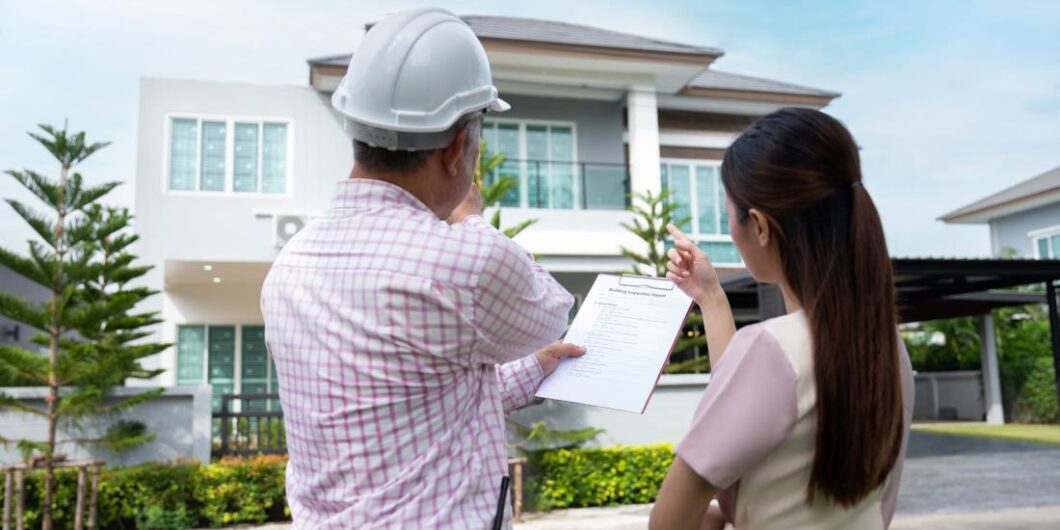
Building Surveyor Wearing Hard Hat With Clipboard Looking At Interior Of New Property
Plumbing Evaluations
Plumbing systems receive careful review as well.
Inspectors check visible pipes, fixtures, water heaters, drains, and water pressure. They also look for signs of leaks or previous repairs.
In older homes, inspectors may identify aging plumbing materials. Some materials have longer life expectancies than others.
Understanding the plumbing system helps buyers prepare for future maintenance needs.
Attic and Insulation Inspections
Attics reveal a surprising amount of information about a home.
Inspectors evaluate insulation levels, ventilation, moisture conditions, and structural components. Proper attic performance can improve comfort and energy efficiency.
Poor insulation may lead to higher heating costs. Inadequate ventilation can contribute to moisture issues and ice dams during winter.
Many buyers overlook the attic, but it plays an important role in overall home performance.
Common Inspection Findings That Are Usually Not Major Problems
First time buyers often worry whenever an inspector identifies concerns.
The reality is that many findings are relatively minor.
Common examples include:
Loose handrails
Minor grading issues
Missing caulk
Small cracks
Older appliances
Worn weather stripping
Slow drains
Minor roof wear
These items are often manageable and expected, especially in older homes.
A long report does not necessarily mean the home is in poor condition.
What Happens After the Inspection?
Once the inspection is complete, buyers review the report with their REALTOR.
Together, they identify any significant concerns and discuss possible next steps.
Depending on the findings, buyers may:
Move forward as planned
Request repairs
Request credits
Seek additional evaluations
Terminate the contract if allowed by contingency terms
Every situation is unique. Your REALTOR can help you evaluate options and negotiate effectively.
How to Get the Most From Your Home Inspection
Attend the inspection if possible.
Ask questions throughout the process.
Focus on major systems rather than cosmetic issues.
Take notes and photos.
Read the entire report carefully.
Discuss concerns with your REALTOR.
Obtain estimates for significant repairs when needed.
Most importantly, remember that no home is perfect.
Even newly built homes often generate inspection findings.
The Value of Perspective
It is easy for first time buyers to become overwhelmed during the inspection process. The report may contain dozens of observations. Some comments may sound alarming at first glance.
However, context matters.
Many homes throughout Southern New Hampshire have basement moisture. Many properties use wells and septic systems. Many homes have radon mitigation equipment. These conditions are common and often manageable.
Experienced buyers and homeowners understand that maintenance is part of homeownership. The inspection simply helps you understand what to expect.
Turning Knowledge Into Confidence
The home inspection is one of the most valuable steps in the home buying journey. It provides insight, protection, and peace of mind. Instead of fearing the process, first time buyers should view it as an opportunity to learn more about the property they hope to call home.
Whether you are reviewing Litchfield houses for sale or comparing Southern NH houses for sale, understanding local inspection concerns can help you make smarter decisions. From radon testing and well water quality to septic health and basement moisture, these topics are part of buying real estate in New Hampshire. As you continue exploring Litchfield Houses for Sale and Southern NH houses for sale, a thorough home inspection can provide the confidence you need to move forward with your purchase and enjoy your new home for years to come.
If you need more home inspection secrets, or are ready to sell your house give us a call at (603) 883-8840. You can also sign up for your dream home search or reach out to Our Agents for more information. We’d love to help you with your real estate needs.

