Category Archives for "South Hudson homes for sale"
South Hudson homes for sale
South Hudson homes for sale

If you are thinking about moving or investing in real estate, searching for homes for sale in New Hampshire is an exciting first step. New Hampshire offers beautiful landscapes, welcoming communities, and a strong sense of home for buyers of all ages. For those exploring the area, Pelham houses for sale and Southern NH Houses for sale stand out for their mix of charm and modern conveniences. Many buyers are drawn to Pelham for its quiet streets, top-rated schools, and easy access to major highways. Southern New Hampshire also provides a variety of properties ranging from cozy starter homes to large family residences.
Buying a home is both a practical and emotional decision. It is important to understand what each area offers and how it fits your lifestyle. With so many options, using professional guidance and exploring local neighborhoods helps make the process smoother and more enjoyable.
New Hampshire has long been a favorite for buyers seeking balance between city access and suburban charm. The state offers peaceful towns, scenic lakes, and vibrant small cities. Families, retirees, and professionals alike find that homes for sale in New Hampshire offer a mix of affordability and quality of life. Southern NH is especially popular because of its proximity to Boston and other major employment centers.
Communities like Pelham give buyers a mix of privacy and community living. The town features parks, recreational facilities, and family-friendly events. Local amenities, including grocery stores, restaurants, and coffee shops, add convenience for homeowners. Additionally, Pelham NH residents enjoy low crime rates, making it attractive for families and first-time buyers.
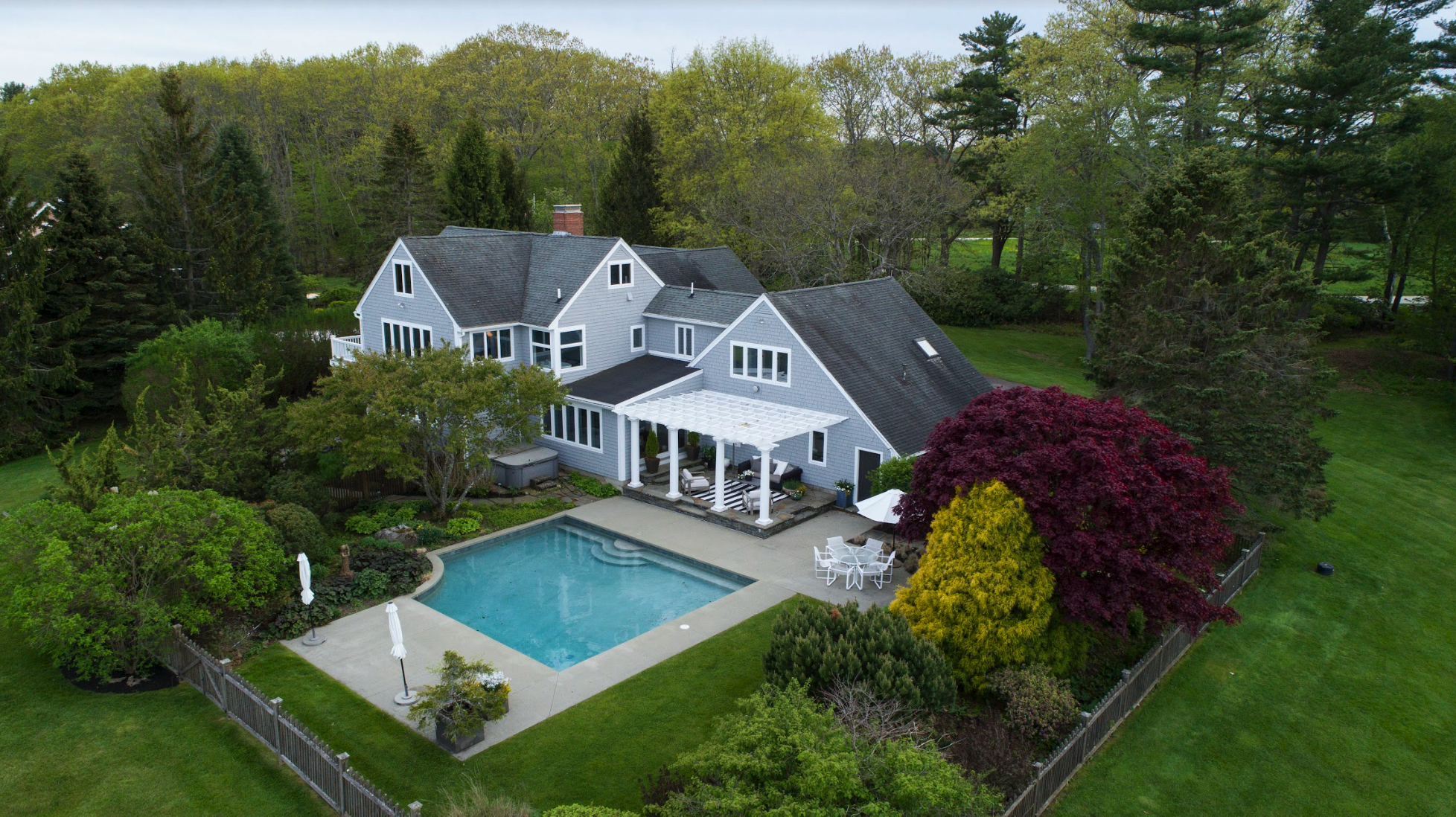
When looking at Southern NH Houses for sale, several key factors influence buying decisions. Location is often the top priority. Many buyers want easy access to highways, shopping centers, and schools. Pelham is a prime example because it connects conveniently to major roads while still providing a suburban feel.
Property size is another consideration. Southern NH homes range from small single-family properties to larger estates. Many buyers appreciate open floor plans, finished basements, and updated kitchens. Outdoor space is also essential for families with children or pets. Many homes in Pelham and nearby towns offer spacious yards and gardens.
The real estate market in Southern New Hampshire remains competitive. Buyers often need to act quickly and be prepared with financing pre-approval. Working with a knowledgeable local REALTOR ensures you understand market trends and pricing.
Pricing is an important factor when exploring homes for sale in New Hampshire. Average home prices vary by town, property size, and neighborhood amenities. For example, Pelham houses for sale often fall in a range that balances affordability with quality features. Southern NH Houses for sale may include properties near the seacoast or urban centers, where prices can be slightly higher.
It is crucial to understand local market trends. Homes in popular areas may sell quickly, and well-maintained properties often attract multiple offers. Buyers should consider home inspections, potential repairs, and neighborhood value when making an offer.
Pelham is an excellent location for buyers seeking a suburban lifestyle with easy access to city jobs. Families are drawn to its strong school system, safe streets, and recreational options. The town hosts seasonal events, local sports leagues, and community programs that bring neighbors together.
Many Pelham houses for sale feature classic New England architecture, with charming colonial and ranch-style homes. Open spaces and private yards provide comfort for growing families. Proximity to major highways also allows for a manageable commute to surrounding towns and cities. Buyers looking for a balance of convenience and community find Pelham appealing.
Southern New Hampshire is a broad region with diverse housing options. Buyers looking for Southern NH Houses for sale can find everything from historic homes with character to new constructions with modern features. Cities and towns in Southern NH offer various price points, ensuring options for both first-time buyers and seasoned investors.
Amenities in the area make living convenient and enjoyable. Shopping centers, restaurants, and recreational areas add to the quality of life. Outdoor lovers appreciate parks, hiking trails, and nearby lakes for year-round activities. These features make Southern NH a desirable region for families and retirees alike.
When buying homes for sale in New Hampshire, preparation is key. Start by defining your budget and securing mortgage pre-approval. This helps you move quickly when you find the right property. Researching towns and neighborhoods, such as Pelham, gives insight into school ratings, property taxes, and local amenities.
Visiting multiple homes in person allows you to understand space, layout, and community feel. Ask questions about maintenance history, utility costs, and any homeowner association rules. Working with a professional REALTOR ensures you have guidance through negotiations, contracts, and closing. Their expertise helps you find properties that match your needs and budget.
Financing a home in New Hampshire may vary depending on the type of property and buyer status. First-time buyers often benefit from state programs that offer down payment assistance or lower interest rates. Conventional loans, FHA, and VA loans remain popular. Buyers exploring Pelham houses for sale should compare mortgage options to choose the best fit for their budget.
Many lenders consider credit history, income, and debt-to-income ratio. Understanding these factors early helps avoid delays in the buying process. A REALTOR can recommend trusted mortgage brokers familiar with Southern NH Houses for sale, streamlining approval and ensuring realistic expectations.
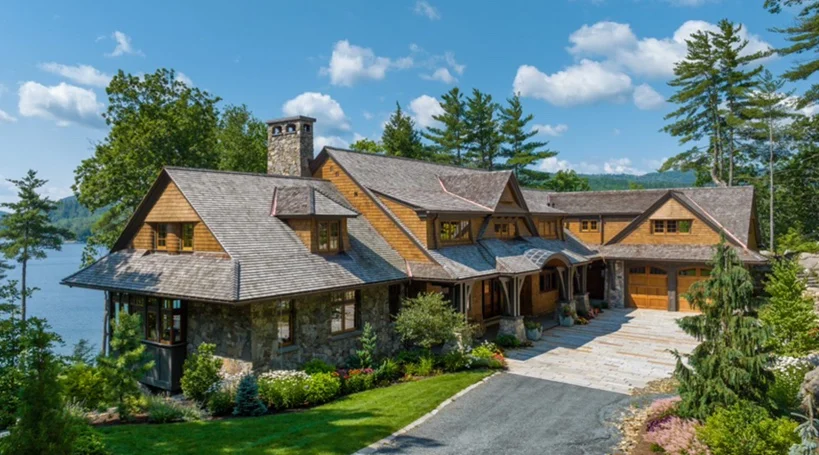
Owning a home in New Hampshire offers more than just a property investment. The state provides a lifestyle that blends outdoor adventure, safe communities, and strong local culture. Residents enjoy four seasons with activities like skiing, hiking, boating, and leaf-peeping.
Towns like Pelham offer friendly neighborhoods, making it easy to meet neighbors and build community connections. Southern NH Houses for sale often include access to nearby recreational areas and family-centered amenities. The slower pace and natural beauty appeal to those wanting to escape busy city life while staying connected to necessary services.
Selecting the right neighborhood is vital when looking for homes for sale in New Hampshire. Factors such as school quality, commute times, local services, and neighborhood culture all influence your choice. Pelham attracts buyers who value suburban charm, outdoor spaces, and community engagement.
Southern NH Houses for sale provide a wide range of options. Some buyers prefer historic neighborhoods with mature trees and established homes, while others want modern developments with new constructions and energy-efficient features. Understanding your priorities helps you narrow your search effectively.
A professional REALTOR is invaluable when exploring homes for sale in New Hampshire. They provide knowledge of the local market, access to listings, and negotiation expertise. For buyers considering Pelham houses for sale, a REALTOR helps identify the best properties and ensures offers are competitive.
Southern NH Houses for sale often move quickly, so working with an agent ensures you do not miss opportunities. REALTORS also guide buyers through paperwork, inspections, and closing, reducing stress and saving time. Their experience is especially useful for first-time buyers navigating the complexities of real estate transactions.
Once you have found the perfect home, preparation for moving is essential. Start by organizing your belongings and setting up utility services. Scheduling movers and creating a checklist helps make the process smooth.
For Pelham buyers, knowing local rules for waste disposal, parking, and community regulations is helpful. Southern NH Houses for sale often come with HOA guidelines, so understanding requirements ahead of time ensures a seamless transition. Planning ahead helps you enjoy your new home from day one.
Southern New Hampshire offers many benefits for buyers. Homes in this region, including Pelham houses for sale, often provide a mix of quality, value, and community. Residents enjoy safe streets, access to amenities, and proximity to major employment hubs.
The real estate market here has something for everyone. Whether you seek a starter home, a larger family residence, or a vacation property, Southern NH Houses for sale meet diverse needs. The region's strong sense of community and scenic surroundings make it an ideal choice for those looking to settle in New England.
Searching for homes for sale in New Hampshire requires research, planning, and expert guidance. Start by identifying your needs, priorities, and budget. Explore towns such as Pelham to understand the lifestyle, schools, and amenities. Check Southern NH Houses for sale to find a home that suits your preferences.
Working with a REALTOR ensures you access the best listings and receive advice for making competitive offers. Taking your time to explore homes allows you to make an informed and confident decision.
When you are ready to move, focus on organization and timing. Coordinate with your REALTOR, lenders, and moving services. Familiarize yourself with your new community to make the transition easier.
For Pelham buyers, moving into a home provides access to parks, schools, and local events. Southern NH Houses for sale offer communities that are welcoming and family-friendly. By planning carefully, you can enjoy a smooth, exciting move into your new home.
The real estate market in New Hampshire remains strong, making now a great time to buy. Interest rates are competitive, and inventory in Southern NH provides plenty of options. Pelham houses for sale often receive interest quickly, so being prepared is key.
Whether you are relocating, upgrading, or buying your first home, New Hampshire offers opportunities for buyers to find homes that match their lifestyle. Exploring options now allows you to secure a property that meets your needs and ensures a smooth purchase process.
Finding the perfect home requires patience, knowledge, and professional support. Start by identifying your must-haves, budget, and preferred towns. Explore homes for sale in New Hampshire carefully, and consider listings in Pelham and other Southern NH areas.
Working closely with a REALTOR gives you access to current listings and market insights. They can help negotiate terms and guide you through inspections, appraisals, and closing. With careful planning, you can move confidently into your ideal New Hampshire home.
Now is the perfect time to explore homes for sale in New Hampshire. Pelham houses for sale and Southern NH Houses for sale offer a wide variety of options for families, professionals, and retirees. Research neighborhoods, identify your priorities, and work with a professional REALTOR to make the process smooth.
With the right approach, you can find a home that fits your lifestyle, budget, and needs. From cozy starter homes to spacious family residences, New Hampshire real estate has something for everyone. Begin your search today and discover the perfect home in this beautiful state.
If you need more tips on homes for sale in New Hamphsire, or are ready to sell your house give us a call at (603) 883-8840. You can also sign up for your dream home search or reach out to Our Agents for more information. We’d love to help you with your real estate needs.

Spring is here, and it is the perfect time to come together as a community. I am excited to invite you to our FREE Easter Bunny Event NH happening right here in Hudson at Harmony Real Estate. This event is more than a visit with the Easter Bunny. It's also a chance to connect, relax, and enjoy a fun time with people who live and work in the area.

Our Easter Bunny Event NH will take place on Saturday, April 4, 2026 from 2-4 PM at Harmony Real Estate located at 2 Winnhaven Drive in Hudson NH. This location is easy to find and offers a welcoming setting for everyone who attends. And it’s only five minutes away from Nashua. It’s right next to St Mary’s Bank and Soho’s Chinese Restaurant. The front of our building is on Lowell Road in Hudson with parking on Winnhaven Drive. Families, friends, neighbors, and pets are all invited to join the fun.


When you arrive, you will feel the warm and friendly energy right away. Kids can meet the Easter Bunny and enjoy the excitement. Adults can enjoy a relaxed afternoon in a small setting. If you don’t want to stay long that will even be possible with short waiting lines. Pets are welcome, if you’d like to get some photos of your furry friends, which makes this event even more special and inclusive.
To make this Easter Bunny Event NH the best it can be, We are asking that you sign up in advance. This helps us plan for Easter baskets, treats, and fun surprises for everyone. I want to make sure every guest feels included and has a great experience.
Signing up is quick and easy. It also helps ensure we have enough goodies for every child, adult, and even your pets. As a result, everyone can enjoy the event without missing out. Simply reach out or use the sign up link provided so we can save your spot.
Events like this Easter Bunny Event NH bring people together in a real and meaningful way. They help build strong connections and create a true sense of community. When people feel connected, they feel at home.
As a local real estate professional, I know how important that feeling is. Many buyers search for more than just a house. They want a neighborhood where they feel welcome and supported. That is one reason why Hudson houses for sale and Southern NH houses for sale continue to attract buyers who value community.
If you are thinking about moving, this Easter Bunny Event NH is a great way to explore Hudson. You can meet local residents, see the area, and get a feel for daily life. It is a simple and natural way to picture yourself living here.
Southern New Hampshire offers charm, convenience, and strong communities. Many buyers are drawn to this area and the residents love calling Hudson home.

When you attend the Easter Bunny Event NH, you can expect a fun and relaxed experience. There will be photo opportunities, smiles, snacks and plenty of time to enjoy the moment. You can come anytime between 2 and 4 PM and stay as long (or as little) as you like.
The event is designed to feel easy and welcoming. Simple moments often become the ones people remember the most.




This Easter Bunny Event NH is also a chance for us to meet in person. Real estate is about relationships, trust, and understanding your goals. Events like this make those connections feel natural and comfortable.
If you have questions about buying or selling, I am always here to help. At the same time, there is no pressure at all and we can talk about Easter, the area or life in general. You can simply enjoy the event and take in the experience.
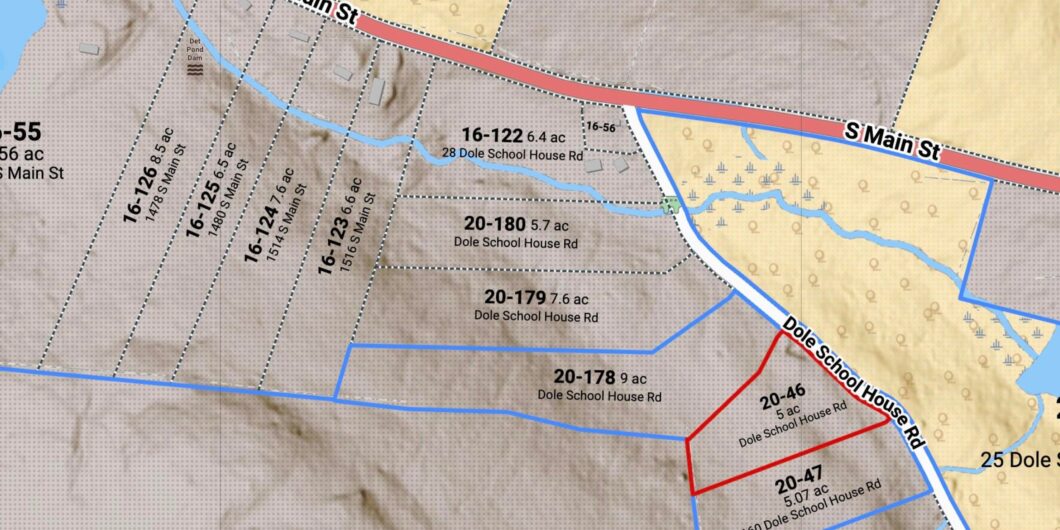
Tucked along the quiet charm of Dole School House Road, 20-46 Dole School House Rd Washington NH offers more than just land. It offers a place to create your own escape. Set on 5± wooded acres with approximately 487 feet of road frontage, this peaceful parcel invites you to slow down, breathe deeper, and imagine life surrounded by nature. From the moment you arrive, you’ll feel the calm of a setting where privacy, possibility, and natural beauty come together effortlessly.
As you walk the land at 20-46 Dole School House Rd Washington NH, the story begins to unfold. Towering trees create a sense of seclusion, while the generous road frontage offers flexibility for your vision, whether that’s a year-round home, a cozy cabin retreat, or a quiet hunting getaway. The gentle sounds of nature replace the noise of everyday life, creating a setting that feels both grounding and inspiring.
With ample frontage and no association restrictions, 20-46 Dole School House Rd Washington NH gives you the freedom to bring your ideas to life. Build your dream home, design a weekend escape, or create a private getaway tailored to your lifestyle. A town maintained road ensures year-round access and ease.

While the setting feels peaceful and tucked away, convenience is close by. Just 10 minutes from Hillsborough for shopping, dining, and daily essentials, 20-46 Dole School House Rd Washington NH also offers easy access to Route 31, with a short drive to Concord and Keene. It’s the perfect blend of country living and everyday convenience.
Outdoor enthusiasts will love everything surrounding 20-46 Dole School House Rd Washington NH. Spend your days exploring nearby snowmobile and ATV trails, swimming or boating at Millen Pond, or discovering the many lakes throughout town. Hiking options include the Monadnock-Sunapee Greenway Trail and the natural beauty of Pillsbury State Park. In the winter months, enjoy skiing at Mount Sunapee Resort, Ragged Mountain Resort, and Pats Peak.
Rich in history, Dole School House Road once connected Washington to Windsor and remains a scenic, wildlife-filled area that feels untouched by time. At 20-46 Dole School House Rd Washington NH, you’re not just buying land, you’re becoming part of a peaceful New Hampshire setting filled with natural beauty and local charm.
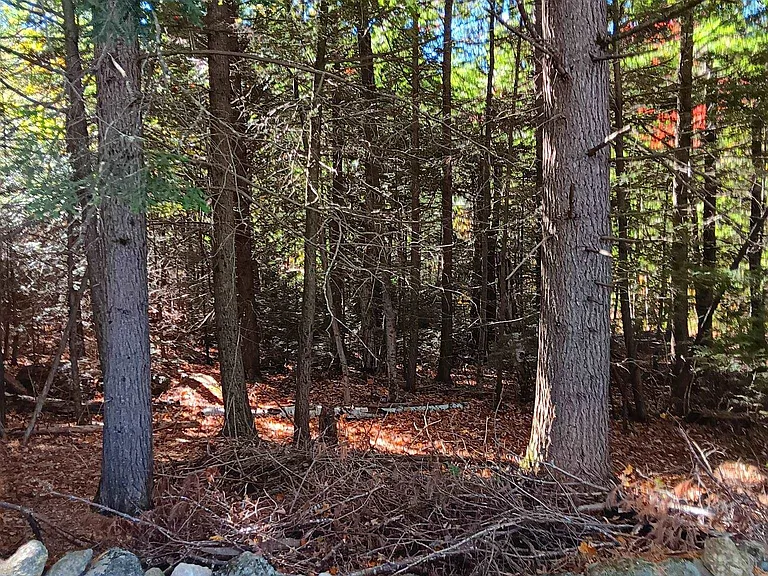
This isn’t just a piece of land. It’s an invitation. An invitation to build, explore, and create something truly your own. Walk the land, take in the quiet surroundings, and imagine the possibilities waiting for you at 20-46 Dole School House Rd Washington NH.
If you’re looking to buy a piece of land, this property shines with its great location, and incredible potential. Don’t miss the opportunity to make this beautiful parcel of land 20-46 Dole School House Rd Washington NH 03280 your own! Contact Pat Nappo today to schedule a viewing and make 20-46 Dole School House Rd Washington NH 03280 your new destination!

There are many Misconceptions About Becoming a Real Estate Agent in New Hampshire. Social media often makes the job look easy and glamorous. However, the real estate career path takes focus, grit, and heart. Many people see beautiful homes and quick closings. They picture open houses and big commission checks. They do not always see the hard work behind selling Southern NH houses for sale or helping buyers find the right fit. They also overlook the daily grind behind marketing Southern NH houses for sale and guiding clients with care.
Let us clear up the confusion. If you are thinking about earning your real estate license in New Hampshire, this guide will help you understand what to expect. You deserve honest, practical insight before you take this exciting step.

One of the biggest Misconceptions About Becoming a Real Estate Agent in New Hampshire is that agents simply unlock doors. People often assume agents walk through homes and collect a check. In reality, the job is much deeper and far more strategic.
First, agents spend hours studying the local housing market. They research pricing trends, inventory levels, and buyer demand. They analyze comparable sales in towns across Southern New Hampshire. Then they craft strong pricing strategies for sellers. Accurate pricing is critical in a competitive market.
Next, agents guide clients through contracts, negotiations, and inspections. Real estate contracts are legal documents. They must be handled with care and skill. A small mistake can cause delays or lost deals. Therefore, attention to detail matters every day.
Finally, agents invest time in marketing. They create compelling listing descriptions. They hire professional photography. They promote homes online and through social media. Selling Southern NH houses for sale takes more than opening a door. It takes planning, creativity, and powerful marketing.
Another common myth is that real estate is fast money. This belief creates unrealistic expectations. While top producers earn strong incomes, success does not happen overnight.
Most new agents start part time or build their business slowly. It takes months to close your first deal. You must build trust in your community. You need to grow your sphere of influence. You must earn referrals through consistent service.
Commissions are not steady paychecks. Real estate is performance based. Some months are strong. Others are quiet. Smart agents plan for this. They save money. They budget wisely. They treat their business like a real business.
When people believe the hype, they miss the truth. The truth is that real estate rewards discipline and long term commitment. If you show up daily and serve people well, growth follows.
Many people think that once they pass the New Hampshire real estate exam, they are fully prepared. However, the exam only tests basic knowledge. It does not teach you how to run a business.
After earning your real estate license in New Hampshire, you must choose a brokerage. A strong brokerage provides mentorship, training, and support. New agents benefit from experienced leaders who guide them through contracts and negotiations.
In addition, you must learn lead generation. You need systems for prospecting, follow up, and client care. You must master time management. Without these skills, even talented agents struggle.
Therefore, the real learning begins after you receive your license. Continuous education keeps you sharp. Market shifts require adaptability. The best agents stay curious and proactive.
Another major item among Misconceptions About Becoming a Real Estate Agent in New Hampshire is the idea of flexible hours with little pressure. While you control your schedule, clients often need you evenings and weekends.
Buyers tour homes after work. Sellers call with urgent questions. Offers arrive at unexpected times. Deadlines drive the process. Therefore, strong communication is essential.
At the same time, flexibility can be powerful. You can attend school events. You can build your day around personal priorities. However, success requires boundaries and structure. Productive agents block time for prospecting, marketing, and client meetings.
Freedom comes with responsibility. When you manage your time well, real estate offers a rewarding lifestyle.

Some people avoid real estate because they dislike sales. They imagine pushy tactics or high pressure conversations. Yet modern real estate is about service and education.
Clients want guidance. They want clarity in a complex market. A skilled REALTOR helps buyers and sellers make confident decisions. That means explaining market data. It means presenting options clearly. It means negotiating firmly yet respectfully.
Selling Southern NH houses for sale involves strategy and empathy. You listen first. You understand goals. Then you create a plan that fits those goals. When you focus on solving problems, sales feel natural.
Real estate is dynamic. Interest rates shift. Inventory levels rise and fall. Buyer demand moves with economic trends. Therefore, adaptability is critical.
One year may favor sellers. The next may favor buyers. Agents who thrive study the data. They watch days on market. They monitor pricing adjustments. They adjust marketing plans accordingly.
For example, marketing Southern NH houses for sale in a low inventory market looks different than in a high inventory market. In a competitive market, pricing and exposure matter even more. Clear communication builds trust during uncertain times.
Understanding these changes separates professionals from hobbyists. It builds credibility and long term success.
A huge misunderstanding is that success comes from flashy marketing alone. While branding matters, relationships matter more.
Referrals are the lifeblood of a strong real estate business. Happy clients tell friends and family. They leave reviews. They return when they move again.
Therefore, agents invest deeply in client care. They check in after closings. They provide local resources. They share market updates. They become trusted advisors.
Helping clients buy Southern NH houses for sale often leads to repeat business. Years later, those same clients may sell and move up. Long term relationships create stability in your income and purpose in your work.
When you become a real estate agent in New Hampshire, you become a business owner. That means tracking expenses. It means setting goals. It means investing in marketing.
You may pay for licensing fees, continuing education, association dues, and marketing materials. You also invest in technology and customer management systems. Therefore, financial planning is essential.
However, business ownership offers powerful rewards. You control your growth. You choose your niche. You build a brand that reflects your values.
Many agents focus on Southern NH houses for sale. Others specialize in first time buyers, luxury homes, or relocation clients. Finding your niche helps you stand out in a competitive market.
Clear communication builds trust. It reduces stress. It protects transactions. Buyers and sellers rely on their agent for honest updates.
Agents communicate with lenders, attorneys, inspectors, and appraisers. Each transaction includes many moving parts. Strong organization keeps everything on track.
Moreover, emotional intelligence matters. Buying or selling a home is deeply personal. Clients may feel anxious or overwhelmed. A calm, steady presence makes a huge difference.
When you master communication, your confidence grows. Clients feel safe. Deals close smoothly.
Another item among Misconceptions About Becoming a Real Estate Agent in New Hampshire is that the job is old fashioned. In truth, technology drives modern real estate marketing.
Agents use online listing platforms, digital advertising, and social media. They create virtual tours and email campaigns. They track leads through customer relationship software.
Marketing Southern NH houses for sale requires a strong online presence. Buyers start their search online. Therefore, high quality photos and detailed descriptions are critical.
Learning new tools may feel overwhelming at first. However, most brokerages offer training. With practice, technology becomes a powerful ally in growing your real estate business.
Rejection happens in real estate. Buyers change their minds. Sellers choose another agent. Offers fall apart. These moments test your mindset.
Resilient agents learn from setbacks. They refine their scripts. They improve their systems. They keep moving forward.
Success rarely comes from one lucky break. It comes from consistent effort. Daily prospecting builds momentum. Follow up nurtures relationships. Over time, results compound.
When you accept that challenges are part of the journey, you build emotional strength. That strength fuels long term growth.

The term REALTOR carries meaning. Members of the National Association of REALTORS follow a strict Code of Ethics. This code protects consumers and promotes professionalism.
Integrity builds a lasting reputation. Clients trust agents who tell the truth about pricing and market value. They respect transparency during negotiations.
Cutting corners damages trust. Therefore, ethical conduct must guide every decision. A strong reputation attracts more business than any advertisement.
Continuing education is required in New Hampshire. However, top agents go beyond minimum requirements. They attend workshops. They study negotiation tactics. They analyze market reports.
Knowledge builds authority. Clients feel confident when their agent explains complex terms clearly. Therefore, ongoing learning becomes a competitive advantage.
Understanding local towns, school districts, and community features also matters. Buyers want insight. Sellers want proof of expertise. Education empowers you to deliver both.
Now that you understand the truth behind Misconceptions About Becoming a Real Estate Agent in New Hampshire, you can make an informed decision. Real estate is not easy money. It is a meaningful career built on service, strategy, and consistency.
Helping clients buy and sell Southern NH houses for sale is deeply rewarding. Marketing Southern NH houses for sale requires skill, patience, and heart. Yet the impact you make in people’s lives is powerful.
If you feel called to serve, to guide, and to grow, this career can change your life. When you move past the Misconceptions About Becoming a Real Estate Agent in New Hampshire, you see the real opportunity. You see a business built on relationships and resilience. You see the chance to shape your future while helping others secure theirs through Southern NH houses for sale and expert marketing of Southern NH houses for sale.
If you need more tips on misconceptions about becoming a real estate agent, or are ready to sell your house give us a call at (603) 883-8840. You can also sign up for your dream home search or reach out to Our Agents for more information. We’d love to help you with your real estate needs.
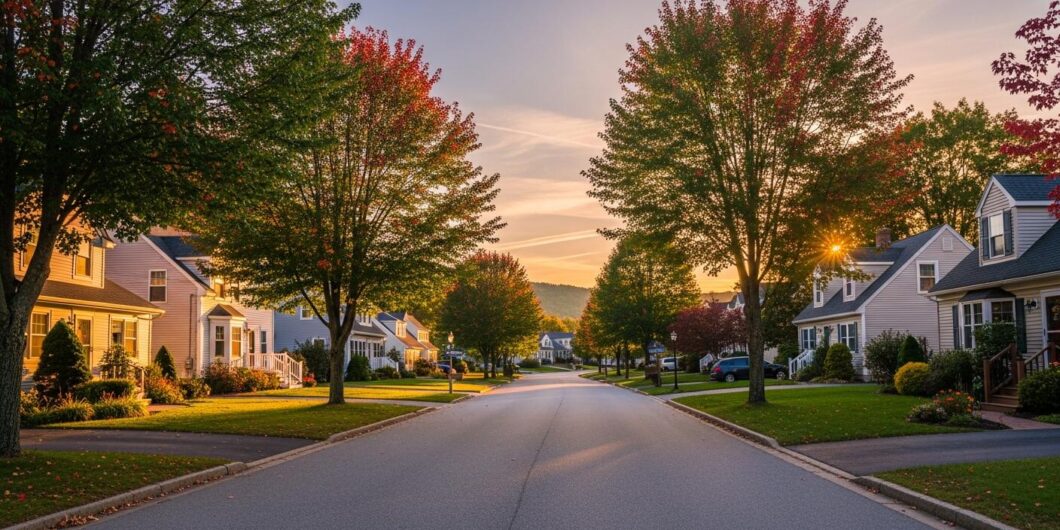
If you are thinking about buying a home, you may already be searching for homes for sale in Londonderry NH. This town continues to attract serious buyers who want space, comfort, and value. Many buyers compare Londonderry houses for sale with other Southern NH Houses for sale because the location feels both peaceful and convenient. Whether you are upsizing, downsizing, or buying your first home, Londonderry offers strong choices and long term potential.
Londonderry sits in southern New Hampshire with easy access to major highways. You can reach Manchester, Nashua, or even Boston without a long commute. At the same time, you enjoy open land, apple orchards, and quiet neighborhoods. Because of that balance, demand stays steady and property values remain strong.
First, buyers love the setting. Londonderry offers scenic roads, farm stands, and wide lots. Many homes sit on one acre or more. That extra space gives privacy and peace of mind.
Next, the town provides excellent public services. Schools earn strong ratings, which draws families year after year. In addition, the town maintains parks, sports fields, and walking trails. Buyers often tell me they feel a true sense of community here.
Finally, location matters. Londonderry sits near Route 93 and Route 102. Therefore, commuters can travel south to Massachusetts or north toward Concord with ease. That convenience adds powerful value when buyers compare Southern NH Houses for sale.
Before you buy, you need to understand how the market works. Homes for sale in Londonderry NH often move quickly. Inventory can stay low, especially in spring and early summer. Because of that, buyers must stay prepared and act with confidence.
Prices vary based on size, age, and location. Newer construction homes may list higher due to modern finishes and energy efficiency. However, older homes with updates can offer excellent value. In many cases, buyers find that Londonderry houses for sale provide more land than similar homes in nearby towns.
Interest rates also shape buyer power. When rates rise, competition may slow slightly. When rates drop, activity often increases fast. Therefore, smart buyers watch trends and stay in close contact with their lender and agent.
Londonderry offers a mix of established neighborhoods and newer developments. Some areas feature colonial style homes with large yards. Others include contemporary builds with open floor plans and attached garages. Because the town covers a wide area, you can find both quiet country roads and more central locations.
The south end appeals to commuters who want quick highway access. Meanwhile, the north end provides more rural charm. Buyers searching homes for sale in Londonderry NH often decide based on commute time, school zones, and lifestyle goals.
In addition, some neighborhoods include sidewalks and small community parks. These features create strong curb appeal and emotional connection. Buyers often picture themselves hosting gatherings or enjoying backyard evenings.
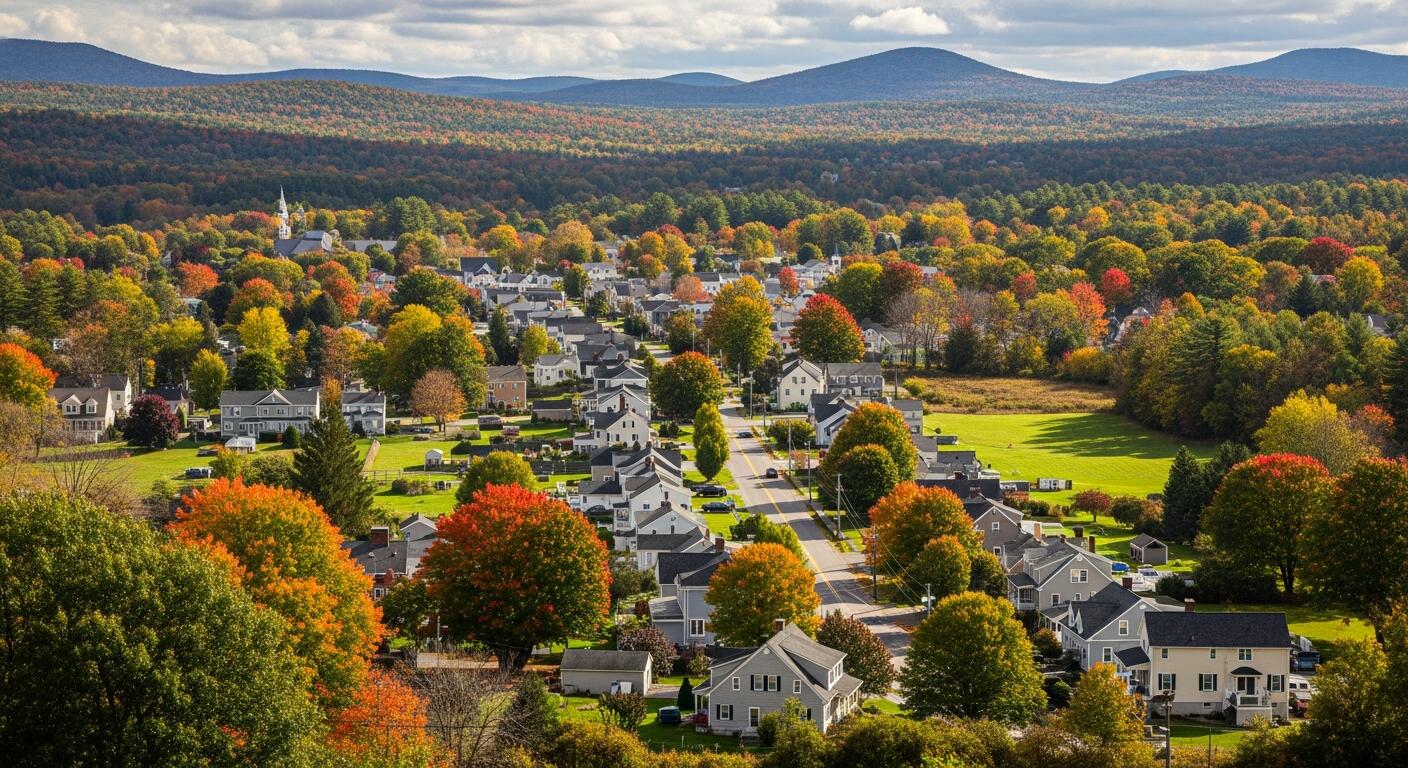
When reviewing homes for sale in Londonderry NH, you will see a wide range of property styles. Colonials remain popular because they offer practical layouts and multiple bedrooms. Ranch homes also attract buyers who prefer single level living.
Cape style homes provide classic New England charm. Meanwhile, new construction homes attract buyers who want modern kitchens, open concepts, and smart home features. Many of these properties include granite counters, hardwood floors, and energy efficient systems.
You may also find townhomes or small condo communities. These options work well for buyers who want less maintenance. However, single family homes dominate the market, especially for families seeking space and privacy.
Buying a home feels exciting, but it can also feel overwhelming. That is why preparation matters. First, get pre approved with a trusted lender. This step shows sellers you are serious and financially ready.
Next, create a clear wish list. Decide what features you need and what features would be nice to have. For example, do you want a large yard, finished basement, or home office space. Clear priorities help you move quickly when the right property appears.
Because homes for sale in Londonderry NH can receive multiple offers, timing matters. Therefore, schedule showings fast and review disclosures carefully. Strong communication with your agent can give you a competitive edge.
Many buyers compare Londonderry houses for sale with properties in Derry, Hudson, and Windham. Each town offers benefits. However, Londonderry stands out for its blend of space and access.
Derry may offer slightly lower price points in some neighborhoods. Windham often features higher price ranges with luxury builds. Hudson provides strong commuter access and shopping options. Still, Londonderry continues to deliver balanced value.
When buyers explore Southern NH Houses for sale, they often return to Londonderry because it feels welcoming and stable. Property values show resilience, which supports long term investment goals.
Families often prioritize schools when searching homes for sale in Londonderry NH. The Londonderry School District serves students from kindergarten through high school. Many parents appreciate the town’s focus on academics, sports, and extracurricular programs.
Beyond schools, community events bring neighbors together. Seasonal fairs, youth sports leagues, and local farm markets create strong bonds. Therefore, buyers do not just purchase a house. They invest in a lifestyle.
Recreation also plays a role. The town maintains several parks and conservation areas. Residents enjoy walking trails, playgrounds, and open green space. These amenities increase quality of life and boost property appeal.

New construction continues to attract attention. Builders respond to demand by creating modern layouts and efficient designs. Buyers who choose new homes often enjoy lower maintenance costs during the first few years.
However, new builds may carry premium pricing. Lot availability can also remain limited. Therefore, buyers must weigh benefits against budget goals.
Still, many clients searching homes for sale in Londonderry NH explore both resale and new construction options. This approach expands opportunity and strengthens negotiating power.
Real estate remains a powerful wealth building tool. Londonderry supports steady appreciation due to location and demand. When you purchase wisely, you create equity over time.
Additionally, larger lots and quality construction protect value. Even during shifting markets, well maintained homes tend to perform better. Because of this, Londonderry houses for sale often appeal to both homeowners and investors.
If you plan to stay five to ten years or longer, buying in Londonderry can feel like a confident decision. Market cycles change, yet strong towns continue to thrive.
Start with research. Review active listings daily. Then tour properties with an experienced local REALTOR who understands pricing trends.
Next, craft a strong offer. Include solid financing, flexible timelines if possible, and clear communication. In competitive situations, clean offers often win.
After acceptance, complete inspections promptly. Address concerns with calm negotiation. A smooth transaction protects your investment and your peace of mind.
Buying real estate requires strategy and skill. A local expert understands neighborhoods, pricing patterns, and contract details. This knowledge reduces stress and increases success.
When searching homes for sale in Londonderry NH, you benefit from guidance on value and resale potential. An experienced agent helps you avoid overpaying while still presenting a competitive offer.
Moreover, strong negotiation can save thousands of dollars. Professional support also ensures deadlines and documents stay on track. That protection feels priceless during a major purchase.
Londonderry offers a rare blend of rural charm and suburban comfort. Apple orchards and farm stands reflect its agricultural roots. At the same time, grocery stores, restaurants, and services sit within easy reach.
Residents enjoy short drives to Manchester Boston Regional Airport. Commuters value quick highway access. These factors make daily life easier and more efficient.
As you explore Southern NH Houses for sale, think about lifestyle as much as square footage. A home should support your routine, your family, and your future plans.
Timing your purchase requires awareness. Markets shift based on interest rates, inventory, and buyer demand. Therefore, stay informed and flexible.
Many buyers watch listings for weeks before making a move. Others act quickly when the right property appears. Either way, preparation leads to success.
If you feel ready to explore homes for sale in Londonderry NH, now may be the right moment to begin. Inventory changes daily, and new opportunities can appear fast. The right strategy helps you secure one of the best Londonderry houses for sale that fits your goals and budget. As you compare options across Southern NH Houses for sale, remember that Londonderry continues to deliver strong value, lifestyle benefits, and long term stability. With clear guidance and a confident plan, your next home can become a smart investment and a place you truly love.
If you need more tips on (idea here), or are ready to sell your house give us a call at (603) 883-8840. You can also sign up for your dream home search or reach out to Our Agents for more information. We’d love to help you with your real estate needs.
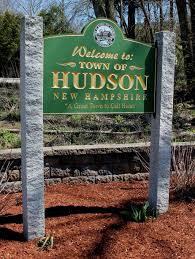
If you are searching for low maintenance homes in Hudson, New Hampshire, you are not alone. Many buyers want comfort without the stress of heavy upkeep. Today, more people explore South Hudson homes for sale and Southern New Hampshire homes for sale with simple living in mind. Low maintenance homes give you freedom, savings, and peace of mind in one smart move.
Hudson is a welcoming town in Southern New Hampshire. It sits along the Merrimack River and near Nashua. Because of this, buyers enjoy quick access to shopping, dining, and major highways. At the same time, Hudson keeps its small town charm and strong community feel.
When people think about moving, they often picture yard work and repairs. However, that does not have to be your story. Instead, you can choose a home that fits your lifestyle. That is where low maintenance homes truly shine.
Low maintenance homes focus on ease and comfort. They often include newer systems, smaller yards, and smart layouts. As a result, you spend less time fixing and more time living. That shift feels powerful and freeing.
Many buyers today work long hours. Others want to travel or spend time with family. Therefore, they look for homes that do not demand constant care. Low maintenance homes answer that need in a clear and practical way.
In addition, newer materials last longer. Vinyl siding, composite decks, and energy efficient windows reduce upkeep. Because of that, your weekends stay open for fun instead of chores.
Hudson offers a perfect mix of value and location. It sits close to Route 3 and the Massachusetts border. So commuters can reach Boston or Manchester with ease. At the same time, residents enjoy quiet neighborhoods and scenic views.
Benson Park is a local favorite. Families walk the trails and visit the playground. There are also seasonal events that bring neighbors together. This strong sense of community adds lasting value to your home.
Shopping is simple as well. The Hudson Mall and nearby Nashua stores meet daily needs. Therefore, you do not have to travel far for groceries or dining. Convenience makes life smoother and more enjoyable.
Hudson offers several property styles for buyers seeking simplicity. Condominiums are very popular. Many condos for sale in Hudson NH provide exterior maintenance through an association. That means snow removal, landscaping, and roof care are handled for you.
Townhouses are another strong option. Buyers searching for townhomes for sale Hudson NH often want more space than a condo. Yet they still prefer limited yard work. Townhomes balance space and ease in a smart design.
Single level living also draws interest. Many downsizing homes in Hudson New Hampshire offer first floor bedrooms and open layouts. This design reduces stairs and daily strain. It also supports long term comfort.
Some buyers want a quiet setting with neighbors in a similar stage of life. Adult community homes Hudson NH offer that experience. These communities often provide clubhouse access and planned activities. Because of this, residents build friendships with ease.
Exterior maintenance is often included. So lawn care and snow removal become stress free. In addition, many homes feature modern kitchens and energy efficient systems. That mix of comfort and simplicity feels rewarding.
Buyers also enjoy the safety and calm environment. Streets are peaceful and well kept. Therefore, adult communities remain a top choice for low maintenance homes in Hudson.
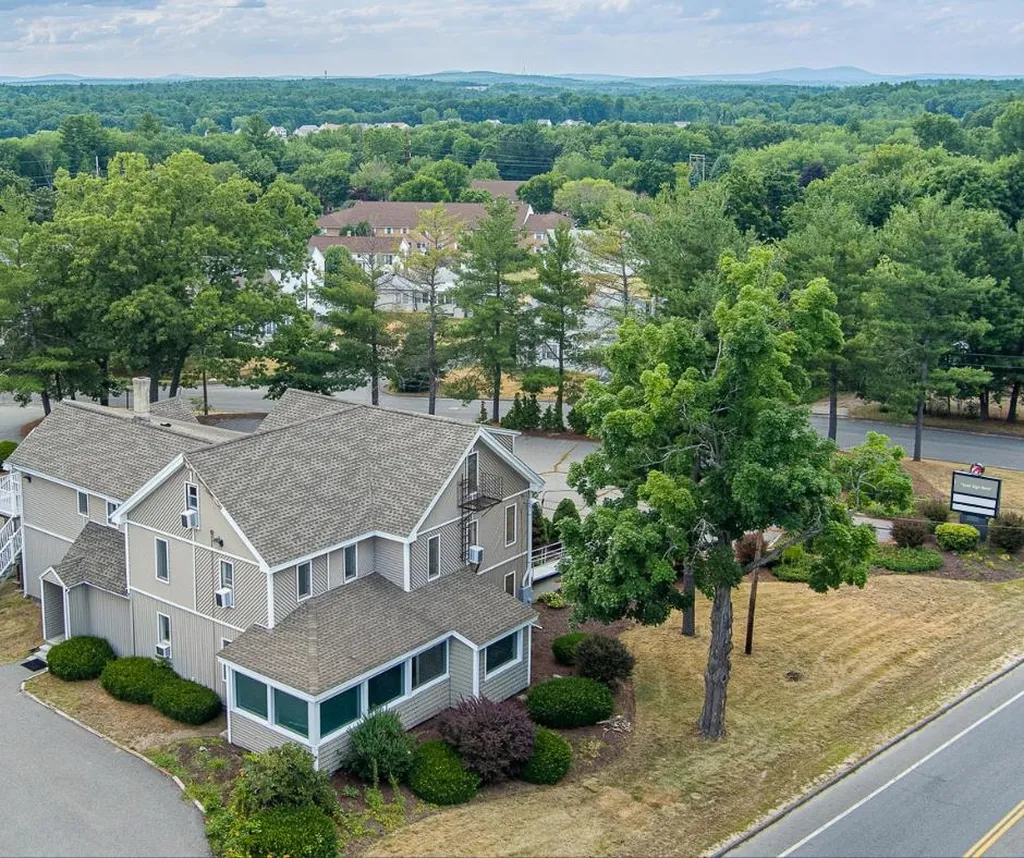
Downsizing can feel emotional. You may leave a large family home behind. However, you gain freedom and flexibility in return. Downsizing homes in Hudson New Hampshire offer smart layouts and efficient use of space.
Smaller homes lower heating and cooling costs. They also reduce cleaning time. As a result, you gain both financial and personal benefits. That combination makes downsizing a powerful decision.
Moreover, Hudson offers many ranch style homes. These homes support easy living with fewer stairs. Buyers often see them as ideal low maintenance homes for the long term.
Condos for sale in Hudson NH continue to attract first time buyers and retirees. Many condo communities sit near shopping and highways. Therefore, daily errands become quick and simple.
Associations often handle exterior repairs. They also manage landscaping and common areas. Because of that, owners avoid large surprise costs for roofs or siding.
Inside, many condos feature updated kitchens and open floor plans. Natural light and smart storage add comfort. So buyers feel excited about both style and function.
Townhomes for sale Hudson NH offer a blend of privacy and shared maintenance. Owners enjoy separate entrances and small outdoor spaces. Yet they still benefit from association services.
This option works well for busy professionals. It also fits growing families who want manageable space. Townhomes often include garages and multiple bedrooms. Therefore, buyers gain flexibility without heavy upkeep.
In many cases, townhomes fall within popular South Hudson homes for sale searches. Buyers love the access to schools and nearby amenities. That location advantage adds lasting appeal.
South Hudson homes for sale attract strong interest year after year. The area sits close to Nashua and major roads. Because of that, commuting becomes easier and faster.
Neighborhoods in South Hudson often feature sidewalks and mature trees. Residents enjoy peaceful streets and friendly neighbors. That sense of belonging feels comforting and secure.
In addition, buyers exploring Southern New Hampshire homes for sale often compare Hudson to nearby towns. Hudson stands out for value and access. So many buyers decide to call it home.
Low maintenance homes often hold value well. Buyers appreciate updated systems and simple designs. Therefore, resale demand stays strong over time.
Energy efficiency also adds appeal. Newer heating systems and insulation reduce monthly costs. That savings feels meaningful in today’s market.
Furthermore, homes with association services attract a wide buyer pool. When you later sell, many buyers will see the benefits quickly. So your investment stays protected and competitive.
Life in Hudson feels balanced and welcoming. Residents enjoy local restaurants and small shops. Seasonal events bring the community together in a joyful way.
The Merrimack River adds natural beauty. Many people enjoy walking and fishing nearby. Outdoor lovers find simple pleasures close to home.
Because Hudson sits within the larger region of Southern New Hampshire homes for sale, buyers gain even more options nearby. Manchester and Nashua offer jobs and entertainment. Yet Hudson keeps its calm charm.
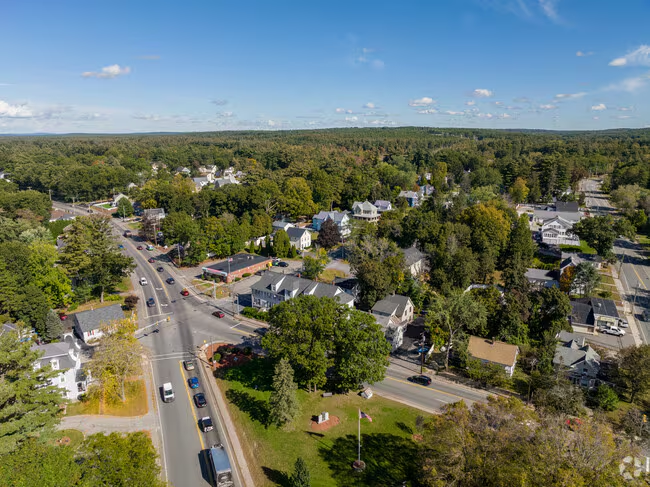
Begin by setting clear goals. Decide how much space you need. Then consider your monthly budget and desired location.
Next, explore real estate listings online. Focus on real estate listings that highlight low maintenance homes. Look for notes about association fees and services.
Finally, work with a local real estate expert. An experienced agent understands South Hudson homes for sale and market trends. That guidance saves time and reduces stress.
Many buyers compare towns before deciding. Southern New Hampshire homes for sale include options in Nashua, Londonderry, and Merrimack. Each town offers unique features.
However, Hudson often wins on balance. It offers value, location, and community. Because of that, low maintenance homes in Hudson stay in demand.
When buyers review listings side by side, they notice Hudson’s strong pricing. That advantage helps first time buyers and downsizers alike.
Hudson supports families with solid schools. The town values education and local programs. Therefore, many parents feel confident raising children here.
Community services also stand out. The town library and recreation programs serve all ages. This support builds strong neighborhood bonds.
When buyers search South Hudson homes for sale, they often ask about schools first. Hudson answers that question with pride and steady performance.
The Hudson real estate market remains active. Buyers compete for updated, well priced homes. As a result, low maintenance homes often move quickly.
Inventory can change fast. Therefore, staying informed matters. New listings in South Hudson homes for sale may attract strong attention.
Southern New Hampshire homes for sale overall continue to draw interest from out of state buyers. Many people relocate for lower taxes and quality of life. Hudson benefits from this steady demand.

Owning a home should feel joyful. Yet constant repairs can drain that joy. Low maintenance homes help restore excitement and comfort.
Imagine weekends free from yard work. Picture evenings spent relaxing instead of fixing things. That vision feels calm and empowering.
Downsizing homes in Hudson New Hampshire or choosing a condo can bring that freedom. Many buyers say they wish they moved sooner.
Think about your long term goals. Do you want fewer stairs as you age. Would you enjoy travel without worry.
Low maintenance homes support those dreams. Adult community homes Hudson NH offer social connection and simple upkeep. Condos and townhomes provide similar ease.
As you review Southern New Hampshire homes for sale, keep your future in mind. A smart choice today builds comfort for years to come.
A local Realtor understands Hudson streets and neighborhoods. They track new listings daily. Therefore, you gain access to opportunities fast.
They also explain association rules and fees clearly. This knowledge prevents surprises later. In addition, they negotiate strongly on your behalf.
When exploring South Hudson homes for sale, local insight matters. Market knowledge gives you a powerful edge.
Low maintenance homes offer more than simple living. They provide freedom, value, and peace of mind. Buyers across South Hudson homes for sale continue to seek these smart options. At the same time, Southern New Hampshire homes for sale attract attention for quality and lifestyle.
Hudson stands out in this vibrant region. It blends location, charm, and strong property value. Whether you explore adult community homes Hudson NH, condos for sale in Hudson NH, or townhomes for sale Hudson NH, you will find exciting choices. As you review South Hudson homes for sale and compare Southern New Hampshire homes for sale, remember that the right low maintenance homes can transform your daily life in the best possible way.
If you need more information on low maintenance homes, or are ready to sell your house give us a call at (603) 883-8840. You can also sign up for your dream home search or reach out to Our Agents for more information. We’d love to help you with your real estate needs.
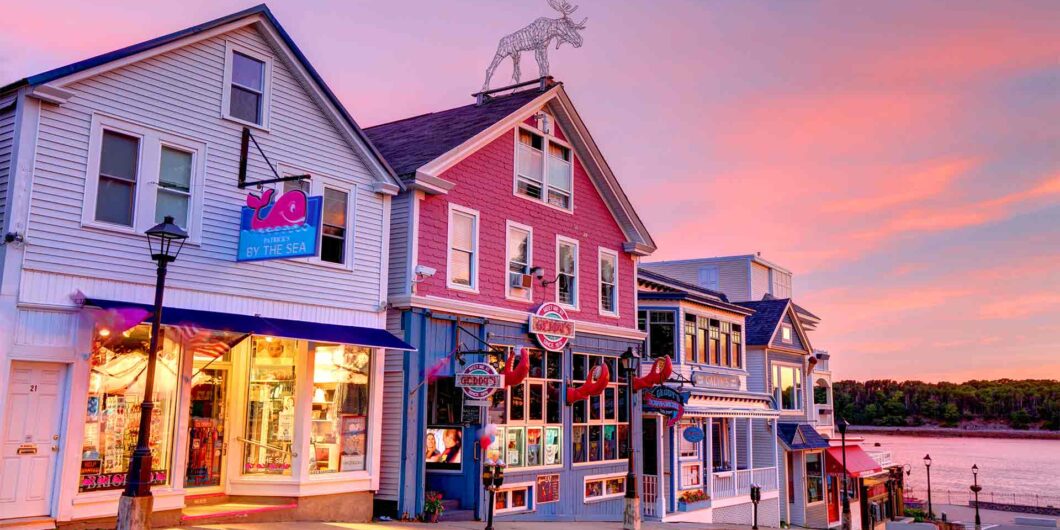
Becoming a first time home buyer New Hampshire is exciting and life changing. You may feel proud, nervous, and hopeful all at once. Many buyers begin by exploring South Hudson houses for sale while learning about financing and next steps. At the same time, buying a house in NH becomes much easier when you understand the process and work with a trusted local expert.
This journey is about more than just finding a house. It is about building stability and long term wealth. Therefore, preparation and education matter from day one. When you follow a clear plan, you move forward with confidence instead of stress.
New Hampshire offers strong communities and natural beauty. In addition, the state has no state income tax, which attracts many buyers. That financial advantage creates long term value.
Affordable homes in New Hampshire can still be found in many towns. While some areas are competitive, opportunities exist with the right strategy. As a result, first time buyers can enter the market with realistic expectations.
South Hudson houses for sale remain popular because of location and convenience. Buyers enjoy access to highways, shopping, and nearby Massachusetts. However, you can also explore other towns for different price points and lifestyles.
A first time home buyer New Hampshire often has many questions. That is completely normal. You may wonder about credit scores, down payments, and monthly costs.
Therefore, the first step is education. Learn about mortgage options New Hampshire lenders provide. Understand how interest rates affect payments. Knowledge gives you control.
Buying a house in NH is not just about emotion. It is also about smart financial planning. When you balance both, success becomes possible.
Before touring homes, talk with a lender. Pre approval shows sellers that you are serious and ready. In competitive markets, this step is powerful.
Mortgage options New Hampshire buyers use include FHA, conventional, and VA loans. FHA loans often require lower down payments. Conventional loans may offer flexible terms with strong credit.
Down payment assistance NH programs may also help qualified buyers. These programs can reduce upfront costs. Therefore, always ask what options are available.
When you understand your budget, you search with clarity. That confidence changes everything.
Saving money takes discipline. However, clear goals make it easier. Start by reviewing your monthly expenses and cutting unnecessary costs.
Down payment assistance NH resources can also support your savings plan. Some programs offer grants or low interest second loans. This support can shorten your timeline.
Affordable homes in New Hampshire become more realistic when you combine savings with smart financing. Even small steps each month build momentum. Over time, those efforts add up.
Location shapes your daily routine. Therefore, think about work, schools, and lifestyle. Some buyers prefer quiet neighborhoods. Others want easy access to shopping and highways.
South Hudson houses for sale attract many first time buyers. The area offers convenience and established neighborhoods. In addition, commute times appeal to professionals working across state lines.
Still, affordable homes in New Hampshire exist beyond one town. Explore nearby communities to compare value. Your REALTOR can guide you with current market data.
When you tour neighborhoods, pay attention to traffic and amenities. These details matter long term.
Online searches are helpful, yet they are only the beginning. Work with a local REALTOR for full MLS access. This ensures accurate and timely information.
Affordable homes in New Hampshire can move quickly. Therefore, set up alerts and act fast when needed. Preparation gives you an edge.
Buying a house in NH requires flexibility. You may not find every feature on your wish list. However, focus on what truly matters, such as layout and condition.
South Hudson houses for sale often receive strong interest. As a result, staying informed helps you compete effectively.
When you walk through a home, look beyond paint colors. Focus on structure, roof age, heating system, and windows. These elements affect long term costs.
As a first time home buyer New Hampshire, ask questions at every showing. Understanding maintenance needs protects your investment. Your REALTOR will explain what to watch for.
Buying a house in NH is a major milestone. Therefore, take your time and think clearly. Emotional excitement should never replace practical thinking.
Once you find the right home, strategy matters. Your REALTOR will review comparable sales and market trends. This data guides your offer price.
Mortgage options New Hampshire lenders approve influence your offer strength. A solid pre approval letter builds trust with sellers. In busy markets, this advantage is powerful.
South Hudson houses for sale sometimes attract multiple offers. Therefore, strong terms and quick communication improve your chances. Still, stay within your budget to protect your future.
Buying a house in NH should feel exciting, not reckless. Smart decisions create peace of mind.
After your offer is accepted, inspections begin. A home inspection reviews structure and major systems. This step protects you from hidden problems.
If issues arise, your REALTOR will help negotiate repairs or credits. Clear communication leads to fair outcomes. Most transactions move forward smoothly with cooperation.
Next, the lender orders an appraisal. This confirms the property value matches the loan amount. Affordable homes in New Hampshire usually appraise well when priced correctly.
Stay organized during this stage. Respond quickly to lender requests. Efficient action keeps closing on schedule.
Closing day feels rewarding and emotional. You sign documents and finalize your loan. Soon after, you receive the keys to your new home.
As a first time home buyer New Hampshire, this moment represents growth and achievement. All your planning pays off. You move from renting to owning.
South Hudson houses for sale offer many buyers this exciting milestone each year. With preparation and guidance, you can reach it too.

Avoid large purchases before closing. Lenders recheck credit before final approval. New debt can create delays.
Do not change jobs during the loan process if possible. Stability supports approval. Clear communication with your lender is essential.
Buying a house in NH requires patience and discipline. Emotional choices can cause regret. Instead, rely on facts and expert advice.
Down payment assistance NH programs also have guidelines. Make sure you understand timelines and requirements. Staying informed prevents surprises.
Homeownership builds equity over time. Each payment increases your ownership stake. Meanwhile, property values may grow.
Affordable homes in New Hampshire can become powerful financial assets. Over years, appreciation may strengthen your net worth. This growth creates stability.
South Hudson houses for sale continue to draw strong demand due to location and convenience. Therefore, buying in a desirable area may support future resale value.
For a first time home buyer New Hampshire, this means opportunity and pride. You invest in your future while enjoying your present.
The real estate process includes contracts and deadlines. Therefore, professional guidance protects your interests. A local REALTOR understands market trends and pricing.
Mortgage options New Hampshire buyers use can feel complex. However, experienced professionals simplify each step. That clarity reduces stress.
Buying a house in NH becomes smoother with expert support. From negotiations to closing, your REALTOR stays by your side. This partnership creates confidence and results.
Your journey as a first time home buyer New Hampshire begins with preparation and belief. Start by exploring mortgage options New Hampshire lenders provide. Then review down payment assistance NH programs that may support your goals.
Affordable homes in New Hampshire remain within reach when you plan carefully and act decisively. If you are reviewing South Hudson houses for sale, study current listings and neighborhood trends. With the right strategy and trusted guidance, a first time home buyer New Hampshire can turn the dream of ownership into reality, and South Hudson houses for sale may offer the perfect place to begin that exciting new chapter.
If you need more tips on first time home buyer New Hampshire, or are ready to sell your house give us a call at (603) 883-8840. You can also sign up for your dream home search or reach out to Our Agents for more information. We’d love to help you with your real estate needs.
If you are searching for homes for sale in Hudson NH, you are already looking in a strong and desirable market. Buyers often compare nearby towns, yet many quickly focus on South Hudson NH homes for sale because of location and value. In fact, homes for sale in Hudson NH offer a balance of neighborhood charm and commuter convenience that is hard to beat.
Hudson sits just over the river from Nashua. Therefore, you enjoy access to shopping, dining, and major highways within minutes. At the same time, many streets feel quiet and welcoming. That mix attracts both first time buyers and move up buyers.
Hudson offers space, comfort, and accessibility. Many buyers want proximity to Massachusetts without living directly across the border. As a result, homes for sale NH in this area receive steady interest.
In addition, buyers who search local homes for sale Nashua NH often expand their search to Hudson. They realize they can find similar value with a different neighborhood feel. Therefore, Hudson becomes a smart alternative.
South Hudson NH homes for sale remain especially popular due to commuter routes and established neighborhoods. Buyers enjoy sidewalks, mature trees, and community pride. That sense of stability creates emotional appeal.
The market for homes for sale in Hudson NH changes with inventory and season. In spring and summer, activity tends to increase. Meanwhile, fall and winter may offer slightly less competition.
However, demand remains steady year round. Many buyers looking at houses for sale near Nashua NH also tour Hudson properties. This crossover keeps the market active and competitive.
Real estate listings Nashua NH often include surrounding towns. Therefore, buyers see Hudson options alongside Nashua homes. This exposure helps maintain strong visibility and demand.
When inventory is limited, well priced homes move quickly. Preparation and strong financing matter more than ever.
Hudson offers a variety of property styles. You will find classic Colonials, Ranch homes, split levels, and newer construction. Each style meets different lifestyle needs.
Some buyers want move in ready condition. Others look for properties they can update over time. Therefore, homes for sale NH in Hudson appeal to both practical and creative buyers.
South Hudson NH homes for sale often include established neighborhoods with larger lots. These properties may offer privacy and yard space. Buyers who value outdoor living often focus here.
In addition, condominiums and townhomes provide lower maintenance options. These properties attract downsizers and busy professionals.
Many buyers start by reviewing local homes for sale Nashua NH. However, once they compare taxes, lot sizes, and price points, they often consider Hudson. The two towns share convenience, yet they offer different atmospheres.
Houses for sale near Nashua NH provide easy access to highways and employment centers. Hudson fits perfectly into that search area. Therefore, it becomes part of the same decision process.
Real estate listings Hudson NH display active properties across the region. Buyers benefit from comparing options side by side. This clear view helps them make confident choices.
Hudson often provides slightly more suburban space. Nashua may offer more urban energy. The right choice depends on your priorities.

Hudson features a mix of established subdivisions and newer developments. Some neighborhoods offer sidewalks and close proximity to schools. Others provide quiet streets with wooded backyards.
South Hudson NH homes for sale often draw attention due to location. Buyers enjoy quick routes to Route 3 and nearby shopping centers. This convenience saves time and reduces daily stress.
In addition, many homes sit on generous lots. That space allows for gardens, decks, and outdoor gatherings. For many families, that outdoor lifestyle adds meaningful value.
When exploring homes for sale in Hudson NH, visit neighborhoods at different times of day. Notice traffic flow and noise levels. These details shape long term satisfaction.
Pricing for homes for sale in Hudson NH depends on size, condition, and location. Updated kitchens and modern systems often command stronger offers. Meanwhile, homes needing cosmetic updates may offer opportunity.
Homes for sale NH across Southern New Hampshire remain competitive. Therefore, pricing strategy matters greatly. Sellers who price accurately often see faster results.
Buyers reviewing houses for sale near Nashua NH should watch recent comparable sales. This data helps guide realistic offers. A knowledgeable REALTOR will provide insight into fair market value.
South Hudson NH homes for sale have shown steady demand over recent years. This consistency supports long term confidence for buyers.
First, secure mortgage pre approval. This step shows sellers that you are serious and prepared. In competitive markets, pre approval strengthens your offer.
Next, review real estate listings Hudson NH specific listings daily. New homes can appear quickly. Acting fast may give you an advantage.
Then schedule showings promptly. Homes for sale in Hudson NH sometimes receive multiple offers. Clear communication with your REALTOR keeps you informed.
Finally, craft a strong offer based on data and budget. Emotional excitement should not replace smart strategy.
After an accepted offer, schedule a home inspection. This protects your investment and reveals important details. Your REALTOR will help interpret findings.
If repairs are needed, negotiations often follow. Clear communication leads to fair agreements. Most transactions move forward smoothly.
Closing day arrives once financing and appraisal are complete. At that moment, you receive keys and ownership transfers. That milestone feels both exciting and rewarding.
South Hudson NH homes for sale continue to welcome new owners each year. With preparation and guidance, your transaction can feel seamless and positive.
A local professional understands neighborhood trends and pricing patterns. They monitor inventory changes daily. Therefore, you stay ahead of market shifts.
Real estate listings Hudson NH provide valuable data, yet interpretation matters. An experienced REALTOR explains how each listing compares to recent sales.
When reviewing houses for sale near Hudson NH, your agent will highlight differences in taxes and resale value. This clarity protects your investment.
Buying homes for sale NH becomes far less stressful with expert guidance. Support and insight build confidence.
Homeownership builds equity over time. Each payment strengthens your financial position. Meanwhile, stable demand supports long term value.
Homes for sale in Hudson NH often attract buyers who plan to stay for years. The community feel encourages long term roots. This stability creates pride and connection.
South Hudson NH homes for sale remain appealing due to location and livability. Buyers appreciate access to nearby cities without losing suburban comfort.
When you purchase wisely, you invest in both lifestyle and financial growth.
Exploring homes for sale in Hudson NH gives you access to comfort, convenience, and strong community appeal. Buyers who compare local homes for sale Nashua NH often find Hudson offers a refreshing balance. If you are reviewing South Hudson NH homes for sale, pay close attention to neighborhood features and pricing trends.
Houses for sale near Nashua NH will always attract attention, yet Hudson continues to stand out for value and accessibility. Real estate listings Nashua NH provide useful data, but local expertise makes the difference. Whether you are drawn to South Hudson NH homes for sale for commuting ease or lifestyle comfort, homes for sale in Hudson NH offer meaningful opportunity for buyers ready to make a confident move.
If you need more tips on homes for sale in Hudson NH, or are ready to sell your house give us a call at (603) 883-8840. You can also sign up for your dream home search or reach out to Our Agents for more information. We’d love to help you with your real estate needs.
Selling a home is a big decision. In South Hudson, it can also be a strong opportunity. Many homeowners want clear guidance, calm advice, and a plan that works. That is exactly what this guide provides.
If you are thinking about listing, understanding homes for sale in New Hampshire is the first step. The local market has its own rhythm. South Hudson continues to attract buyers who value space, convenience, and long term value.
South Hudson homes for sale often stand out because of their location. Buyers look for easy commuting and quiet neighborhoods. As a seller, knowing what buyers want helps you prepare with confidence.
South Hudson offers a balance that many buyers seek. It feels peaceful yet connected. This balance supports strong demand year after year.
Because of this, South Hudson homes for sale remain competitive. Well prepared homes often receive solid attention. Some even attract multiple offers when priced correctly.
Sellers benefit from this interest. However, success still depends on planning. A thoughtful approach always delivers better results.
Every sale should begin with market knowledge. South Hudson is not the same as nearby towns. Pricing trends and buyer behavior can shift even street by street.
Reviewing New Hampshire real estate listings helps set expectations. It shows what buyers see online. It also reveals how your home compares.
MLS listings New Hampshire data gives valuable insight. It highlights recent sales, days on market, and buyer demand. This information shapes a smart pricing plan.
Price plays a major role in your final result. Buyers react quickly to value. Overpricing often leads to longer market time.
Homes priced well attract stronger interest. They feel exciting and urgent. This energy helps drive better outcomes.
A pricing review should consider houses for sale in NH that are similar. It should also look at recent closed sales. This balance keeps expectations realistic.
First impressions matter. Buyers decide quickly how they feel about a home. Clean, bright spaces create emotional connection.
Simple updates can make a big impact. Fresh paint, clear rooms, and neat landscaping go far. These changes help buyers imagine living there.
South Hudson homes for sale that show pride of ownership often stand out. Preparation builds trust and value at the same time.

Strong marketing tells a clear story. It shows buyers why your home matters. Professional photos and descriptions make a difference.
Buyers searching homes for sale near me NH rely on online listings. Your home must shine in that space. Clear details and inviting images help capture attention.
New Hampshire real estate listings work best when paired with local expertise. This combination brings qualified buyers through the door.
Timing affects interest and momentum. Some sellers worry about finding the perfect moment. In reality, preparation matters more.
Homes listed when ready tend to perform better. Buyers respond to quality and value. Seasonal trends help, but they do not replace strategy.
If you plan to buy a home in New Hampshire after selling, timing becomes even more important. Coordinated planning reduces stress.
Receiving an offer feels exciting. It can also feel overwhelming. Each term matters, not just the price.
Strong negotiation balances emotion and logic. It protects your goals while keeping the deal moving forward.
Experienced guidance helps you review offers clearly. This approach leads to smoother closings and fewer surprises.
Once under contract, the process continues. Inspections and appraisals play key roles. Understanding them reduces anxiety.
Preparation helps here as well. Homes in good condition face fewer challenges. Transparency builds trust with buyers.
South Hudson homes for sale that are well maintained often move through this phase smoothly.
The final steps bring everything together. Paperwork, timelines, and coordination matter. Clear communication keeps things on track.
Knowing what to expect makes closing easier. It also helps you plan your next move.
Many sellers feel relief and pride at this stage. A successful sale is a major milestone.
South Hudson continues to attract motivated buyers. This demand supports sellers who prepare and price well. The area remains appealing for many reasons.
South Hudson homes for sale benefit from location, lifestyle, and value. These qualities matter in today’s market.
If you are considering selling homes for sale in New Hampshire, South Hudson offers real opportunity. With the right plan, you can move forward confidently.
South Hudson homes for sale continue to draw attention. Sellers who act thoughtfully often see rewarding results.
If you need more tips on homes for sale in New Hampshire, or are ready to sell your house give us a call at (603) 883-8840. You can also sign up for your dream home search or reach out to Our Agents for more information. We’d love to help you with your real estate needs.
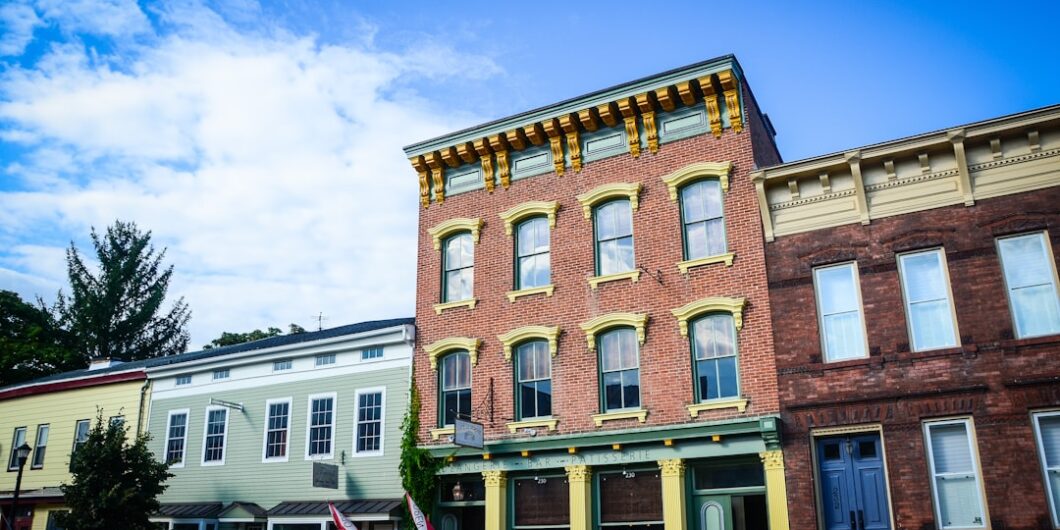
Searching for South Hudson homes for sale often begins with excitement and curiosity. Buyers want comfort, convenience, and a place that fits daily life. South Hudson attracts attention because it offers a balance of quiet neighborhoods and easy access to nearby cities. With the right information, the search feels more relaxed and far less stressful.
Many buyers start online, then refine choices with local knowledge. This approach saves time and builds confidence. A clear plan helps buyers focus on homes that truly fit their needs.
Why South Hudson Is a Popular Choice
South Hudson continues to draw strong interest from buyers. The area offers easy highway access, shopping, and everyday services. Many people enjoy being close to Nashua while still having a neighborhood feel. This mix appeals to families, professionals, and long term residents.
South Hudson homes for sale often reflect this demand. Buyers appreciate the blend of location and value. The area feels practical, welcoming, and easy to settle into.
Understanding the South Hudson Housing Market
The housing market in South Hudson can move quickly. Well priced homes often receive strong attention. MLS listings New Hampshire help buyers track new listings and price changes. These tools provide current and reliable information.
Houses for sale in New Hampshire vary by size, age, and style. In South Hudson, buyers often see single family homes with functional layouts. Knowing local trends helps buyers act with confidence.
Types of Homes You Will Find
South Hudson offers a variety of home styles. Many buyers find classic Colonials, Ranch homes, and split level designs. Some homes feature updates, while others offer room to personalize. Each option fits different budgets and lifestyles.
New Hampshire real estate listings help buyers compare features and pricing. Clear priorities keep searches focused. This helps buyers avoid feeling overwhelmed by choices.
Neighborhood Feel and Daily Life
Living in South Hudson feels comfortable and connected. Streets often feel quiet and residential. Nearby parks and local spots support an active lifestyle. Many residents enjoy simple routines close to home.
Homes for sale near me NH searches often lead buyers here. Convenience matters for work, school, and errands. South Hudson offers this balance without feeling crowded.
Starting Your Home Search Online
Most buyers begin online today. Searching South Hudson homes for sale helps narrow options quickly. Filters allow buyers to choose price range, size, and features. Photos and tours offer helpful first impressions.
Online tools work best with local insight. A REALTOR explains details that listings may not show. This includes neighborhood patterns and market demand.

Home tours help buyers connect with a space. Layout, light, and flow shape daily comfort. Buyers should imagine everyday routines during tours. This helps determine true fit.
After several tours, houses for sale in NH can blend together. Simple notes help buyers remember details. Asking questions builds clarity and confidence.
Price matters, but value matters more. A well priced home reflects condition, location, and demand. New Hampshire real estate listings offer comparison tools. These show recent sales and market movement.
A REALTOR reviews this data and explains differences. Buyers gain confidence in their decisions. Understanding value helps avoid regret later.
Strong offers balance price and terms. In active markets, clear offers stand out. This does not always mean paying the highest price. Flexibility can also appeal to sellers.
A REALTOR helps buyers understand strategy and risk. Clear advice reduces stress during negotiations. Buyers feel supported through each step.
Inspections protect buyers and provide reassurance. Most inspections uncover minor issues. This is normal and expected. Buyers can request repairs or credits when needed.
Clear communication keeps deals moving forward. MLS listings New Hampshire sometimes reflect inspection outcomes. Staying informed makes this stage easier.
Financing plays a major role in buying a home. Buyers should speak with lenders early. Pre approval strengthens offers and sets clear budgets. It also speeds the process.
Loan options vary by buyer needs. Fixed rate and adjustable loans remain common. A trusted lender explains choices simply.
A local REALTOR brings valuable insight. They understand South Hudson pricing and demand. They also manage timelines and details. This guidance helps buyers feel secure.
REALTORS use MLS listings New Hampshire daily. They help buyers navigate choices and protect interests. Trusted support makes the process smoother.

Timing matters, but perfection is rare. The right time depends on comfort and goals. Some buyers want more options. Others prefer less competition.
Staying informed helps buyers act with confidence. A REALTOR shares updates and advice based on local trends.
Once under contract, planning begins. Buyers arrange movers, utilities, and services. Checklists help keep tasks organized. Preparation reduces stress.
Moving brings excitement and nerves. Support and planning ease the transition. Soon, the house feels like home.
Living in South Hudson offers balance and ease. Many residents enjoy nearby amenities and local events. Pride grows with time and connection. Homeownership builds roots.
Buyers who choose South Hudson homes for sale often value comfort and convenience. The area supports busy lives while still feeling personal.
Homeownership includes regular care. Routine maintenance protects comfort and value. Small tasks prevent larger issues. This care supports long term stability.
Houses for sale in New Hampshire often reflect pride of ownership. Buyers benefit from well cared for homes. Long term care supports future resale value.
Finding South Hudson homes for sale is both practical and emotional. Buyers want confidence, comfort, and clarity. With trusted guidance, the journey feels rewarding.
Using New Hampshire real estate listings and local advice makes a difference. When you buy a home in New Hampshire, you invest in lifestyle and community. South Hudson continues to be a place buyers are proud to call home.
If you need more tips on homes for sale in New Hampshire, or are ready to sell your house give us a call at (603) 883-8840. You can also sign up for your dream home search or reach out to Our Agents for more information. We’d love to help you with your real estate needs.