Horrific Home Design Fads That Scare Buyers in 2025
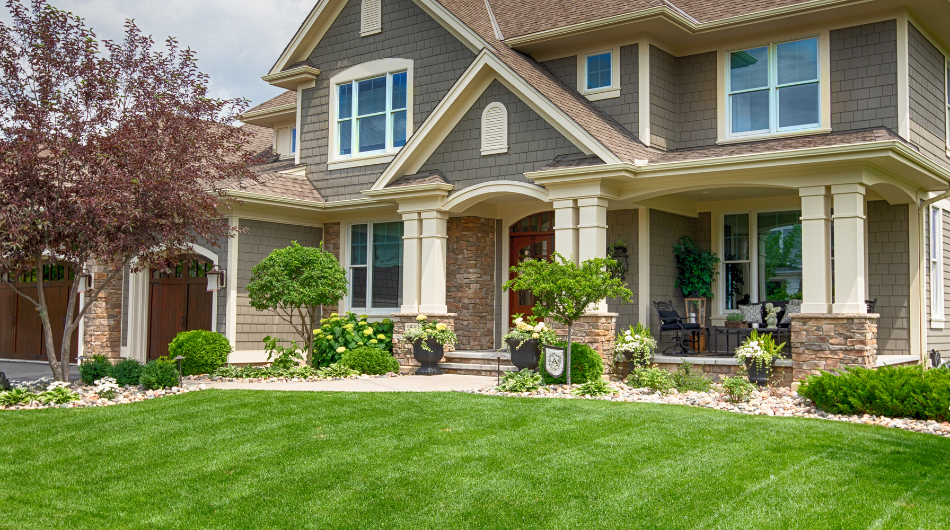
Design trends change every year. Some feel exciting at first. Others quickly become costly mistakes. In real estate, design choices matter more than many homeowners expect. Buyers notice everything, especially the choices that feel awkward or dated.
In 2025, several home design fads gained attention online. Social media pushed bold ideas fast. Unfortunately, many of these trends turn buyers away in real life. I hear the same feedback during showings across New Hampshire. Buyers feel distracted, overwhelmed, or unsure about renovation costs.
Homes should feel welcoming and easy to live in. Buyers want comfort, flexibility, and value. When design trends ignore those needs, homes sit longer on the market. This is especially true in competitive areas like Londonderry houses for sale and across Southern NH Houses for sale.
Let’s walk through the most shocking design trends of 2025 and why buyers strongly dislike them.
Why Home Design Fads Matter When Selling
Design affects first impressions instantly. Buyers form opinions within seconds of entering a home. When design choices feel extreme, buyers focus on flaws instead of features. That shift hurts emotional connection, which plays a huge role in purchasing decisions.
Poor design choices also raise concerns. Buyers worry about repair costs, replacement expenses, and time spent fixing issues. Even small changes feel overwhelming when trends look bold or impractical. Many buyers prefer homes that feel move in ready.
In New Hampshire real estate, buyers value simplicity. Clean layouts, neutral tones, and functional spaces outperform flashy trends. Homes that feel calm and flexible attract more interest and stronger offers.
1. All Gray Everything Home Design Fads
Gray dominated interior design for years. In 2025, buyers feel exhausted by it. Homes filled with gray walls, gray floors, gray cabinets, and gray furniture feel cold and lifeless. Buyers often describe these homes as gloomy or flat.
Natural light struggles in gray heavy spaces. Rooms lose warmth and personality. Buyers want homes that feel cheerful and inviting, especially during long New Hampshire winters. Too much gray removes that comfort.
Neutral colors still work well, but balance matters. Soft whites, light greige, warm beige, and subtle earth tones create a better emotional response. Homes that break away from full gray palettes sell faster and show better.
2. Open Shelving Everywhere Home Design Fads
Open shelving exploded in popularity thanks to social media. In real homes, buyers see problems quickly. Open shelves collect dust, highlight clutter, and reduce usable storage. During showings, buyers often comment on how difficult these kitchens feel to maintain.
Storage ranks high on buyer priority lists. Kitchens without enough cabinets feel impractical. Buyers imagine everyday mess, not styled photos. That mental shift reduces excitement.
Open shelving works best in small doses. A few shelves can add charm. Too many make kitchens feel unfinished. Buyers across Southern NH Houses for sale consistently prefer closed cabinetry.
3. Ultra Dark Kitchens That Kill Buyer Energy
Dark kitchens gained attention in 2025. Black cabinets, dark counters, and moody finishes look dramatic. Buyers often react negatively. These kitchens feel heavy and closed in, especially in smaller homes.
Buyers want bright kitchens that feel open and friendly. They picture morning routines, family meals, and gatherings. Dark kitchens block that vision. Lighting helps but does not solve the issue.
Balanced contrast works better. Lighter uppers, warm wood tones, or soft countertops feel safer. Homes with overly dark kitchens tend to receive lower offers or longer days on market.
4. Statement Walls That Overwhelm Spaces
Bold wallpaper and oversized patterns returned strongly in 2025. While creative, many designs overwhelm rooms. Buyers feel distracted instead of impressed. Loud patterns pull attention away from layout and flow.
Smaller rooms suffer the most. Busy walls make spaces feel tight and chaotic. Buyers struggle to imagine their own style replacing strong designs. That creates hesitation.
Accent walls should enhance a space, not dominate it. Subtle textures and soft colors perform better. Buyers prefer homes that allow easy personalization.
5. Built In Furniture That Limits Buyer Flexibility
Custom built furniture seems convenient at first. Buyers see limitations. Built in desks, beds, benches, and shelving restrict room use. Families want flexibility as needs change over time.
Buyers often ask if built ins can be removed. They worry about damage and cost. Fixed furniture reduces usable square footage and layout options.
Open spaces sell better. Rooms that adapt easily appeal to a wider audience. Flexibility remains one of the strongest selling points in today’s market.
6. Overloaded Smart Home Home Design Fads
Smart home features continue to grow. In 2025, many homes go too far. Buyers feel overwhelmed by multiple systems, apps, and controls. They worry about maintenance and future compatibility.
Simple smart features work best. Thermostats, security systems, and basic lighting offer value. Complex setups create confusion.
Buyers want technology that helps, not technology that complicates daily life. Overdone systems often reduce appeal instead of adding value.
7. Extreme Minimalism That Feels Cold
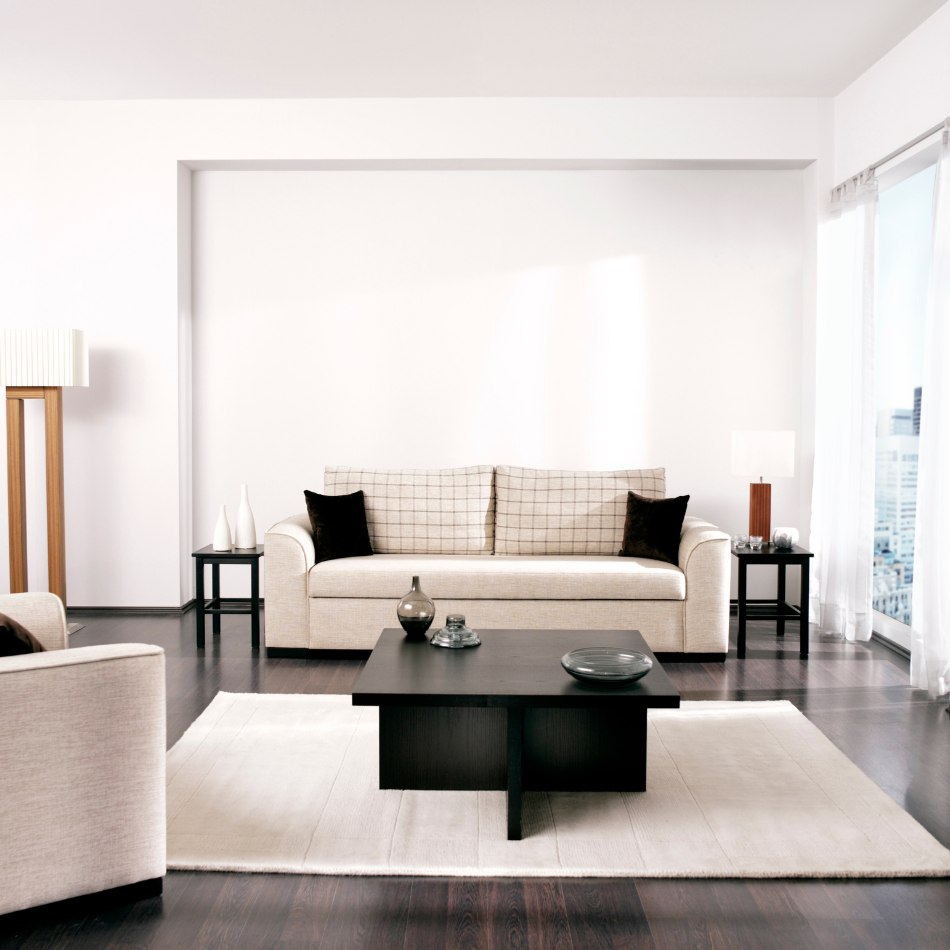
Minimalism reached an extreme level in 2025. Homes feel empty and unfinished. Buyers describe these spaces as cold and uninviting. Emotional connection disappears quickly.
Furniture helps buyers understand scale. Decor adds warmth and comfort. Without those elements, rooms feel smaller and awkward.
Minimal design works best with balance. Clean lines paired with warmth perform better. Buyers want calm spaces, not sterile ones.
8. Bold Tile Patterns Buyers Fear Replacing
Tile trends became louder in 2025. Bright colors, heavy patterns, and large graphics dominate floors and backsplashes. Buyers worry immediately about replacement costs.
Tile feels permanent. Buyers imagine expensive renovations before moving in. That fear reduces excitement and urgency.
Classic tile styles age well. Subtle patterns and neutral colors feel safer. Buyers prefer options that require little change.
9. Indoor Outdoor Confusion Spaces
Indoor outdoor living sounds appealing. In New Hampshire, buyers think practically. Large openings, oversized glass walls, and exposed transitions worry buyers.
Weather shifts fast. Snow, cold, heat loss, and maintenance concerns come up often. Buyers value energy efficiency and comfort.
Defined indoor spaces with seasonal outdoor access perform better. Buyers want homes that work well year round.
10. Theme Rooms That Feel Like Gimmicks
Theme rooms returned in 2025. Beach rooms, cabin rooms, retro rooms, and novelty designs frustrate buyers. These spaces feel childish or dated.
Buyers struggle to see themselves living there. Personal taste clashes quickly. Neutral spaces allow imagination.
Theme rooms often feel like extra work. Buyers prefer simple, flexible rooms that adapt easily to their lifestyle.
How These Home Design Fads Hurt Home Value
Bad design choices impact pricing and timing. Homes with strong trends attract fewer buyers. Showings slow down. Price reductions follow.
Buyers use design flaws as negotiation leverage. Appraisers notice condition and appeal. Value drops quietly but consistently.
In areas like Londonderry houses for sale, competition remains strong. Homes that appeal broadly perform better and sell faster.
What Buyers Actually Want in 2025
Buyers want homes that feel warm and livable. Light filled spaces matter. Functional layouts matter more. Storage continues to rank high.
Neutral does not mean boring. Soft colors and natural materials feel timeless. Buyers appreciate thoughtful updates that respect resale value.
Comfort wins every time.
Smart Alternatives to Risky Home Design Fads
Choose classic finishes. Keep bold choices in décor, not permanent features. Focus on paint, lighting, and layout.
Think like a buyer before renovating. Ask how a change impacts resale. When unsure, consult a local REALTOR.
Simple updates bring stronger returns.
Home Design Fads
Trends fade quickly. Value lasts longer. The worst home design fads of 2025 share one problem. They ignore buyer needs.
Homes should feel welcoming, flexible, and calm. Smart sellers think beyond trends. They focus on appeal, comfort, and long term value. That approach wins in any market.
If you need more info on Home Design Fads, or are ready to sell your house give us a call at (603) 883-8840. You can also sign up for your dream home search or reach out to Our Agents for more information. We’d love to help you with your real estate needs.