Tag Archives for " Hudson NH "
Hudson NH
Hudson NH
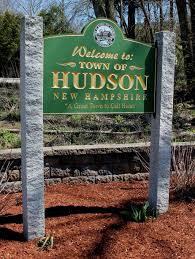
If you are searching for low maintenance homes in Hudson, New Hampshire, you are not alone. Many buyers want comfort without the stress of heavy upkeep. Today, more people explore South Hudson homes for sale and Southern New Hampshire homes for sale with simple living in mind. Low maintenance homes give you freedom, savings, and peace of mind in one smart move.
Hudson is a welcoming town in Southern New Hampshire. It sits along the Merrimack River and near Nashua. Because of this, buyers enjoy quick access to shopping, dining, and major highways. At the same time, Hudson keeps its small town charm and strong community feel.
When people think about moving, they often picture yard work and repairs. However, that does not have to be your story. Instead, you can choose a home that fits your lifestyle. That is where low maintenance homes truly shine.
Low maintenance homes focus on ease and comfort. They often include newer systems, smaller yards, and smart layouts. As a result, you spend less time fixing and more time living. That shift feels powerful and freeing.
Many buyers today work long hours. Others want to travel or spend time with family. Therefore, they look for homes that do not demand constant care. Low maintenance homes answer that need in a clear and practical way.
In addition, newer materials last longer. Vinyl siding, composite decks, and energy efficient windows reduce upkeep. Because of that, your weekends stay open for fun instead of chores.
Hudson offers a perfect mix of value and location. It sits close to Route 3 and the Massachusetts border. So commuters can reach Boston or Manchester with ease. At the same time, residents enjoy quiet neighborhoods and scenic views.
Benson Park is a local favorite. Families walk the trails and visit the playground. There are also seasonal events that bring neighbors together. This strong sense of community adds lasting value to your home.
Shopping is simple as well. The Hudson Mall and nearby Nashua stores meet daily needs. Therefore, you do not have to travel far for groceries or dining. Convenience makes life smoother and more enjoyable.
Hudson offers several property styles for buyers seeking simplicity. Condominiums are very popular. Many condos for sale in Hudson NH provide exterior maintenance through an association. That means snow removal, landscaping, and roof care are handled for you.
Townhouses are another strong option. Buyers searching for townhomes for sale Hudson NH often want more space than a condo. Yet they still prefer limited yard work. Townhomes balance space and ease in a smart design.
Single level living also draws interest. Many downsizing homes in Hudson New Hampshire offer first floor bedrooms and open layouts. This design reduces stairs and daily strain. It also supports long term comfort.
Some buyers want a quiet setting with neighbors in a similar stage of life. Adult community homes Hudson NH offer that experience. These communities often provide clubhouse access and planned activities. Because of this, residents build friendships with ease.
Exterior maintenance is often included. So lawn care and snow removal become stress free. In addition, many homes feature modern kitchens and energy efficient systems. That mix of comfort and simplicity feels rewarding.
Buyers also enjoy the safety and calm environment. Streets are peaceful and well kept. Therefore, adult communities remain a top choice for low maintenance homes in Hudson.
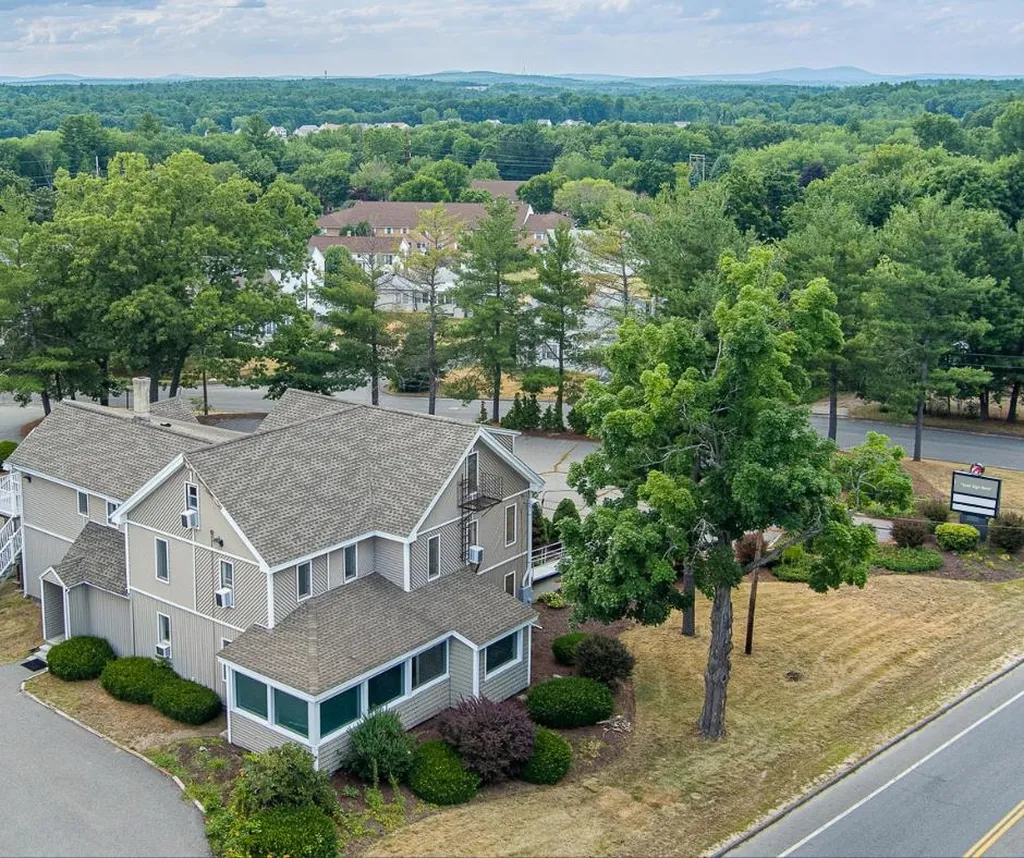
Downsizing can feel emotional. You may leave a large family home behind. However, you gain freedom and flexibility in return. Downsizing homes in Hudson New Hampshire offer smart layouts and efficient use of space.
Smaller homes lower heating and cooling costs. They also reduce cleaning time. As a result, you gain both financial and personal benefits. That combination makes downsizing a powerful decision.
Moreover, Hudson offers many ranch style homes. These homes support easy living with fewer stairs. Buyers often see them as ideal low maintenance homes for the long term.
Condos for sale in Hudson NH continue to attract first time buyers and retirees. Many condo communities sit near shopping and highways. Therefore, daily errands become quick and simple.
Associations often handle exterior repairs. They also manage landscaping and common areas. Because of that, owners avoid large surprise costs for roofs or siding.
Inside, many condos feature updated kitchens and open floor plans. Natural light and smart storage add comfort. So buyers feel excited about both style and function.
Townhomes for sale Hudson NH offer a blend of privacy and shared maintenance. Owners enjoy separate entrances and small outdoor spaces. Yet they still benefit from association services.
This option works well for busy professionals. It also fits growing families who want manageable space. Townhomes often include garages and multiple bedrooms. Therefore, buyers gain flexibility without heavy upkeep.
In many cases, townhomes fall within popular South Hudson homes for sale searches. Buyers love the access to schools and nearby amenities. That location advantage adds lasting appeal.
South Hudson homes for sale attract strong interest year after year. The area sits close to Nashua and major roads. Because of that, commuting becomes easier and faster.
Neighborhoods in South Hudson often feature sidewalks and mature trees. Residents enjoy peaceful streets and friendly neighbors. That sense of belonging feels comforting and secure.
In addition, buyers exploring Southern New Hampshire homes for sale often compare Hudson to nearby towns. Hudson stands out for value and access. So many buyers decide to call it home.
Low maintenance homes often hold value well. Buyers appreciate updated systems and simple designs. Therefore, resale demand stays strong over time.
Energy efficiency also adds appeal. Newer heating systems and insulation reduce monthly costs. That savings feels meaningful in today’s market.
Furthermore, homes with association services attract a wide buyer pool. When you later sell, many buyers will see the benefits quickly. So your investment stays protected and competitive.
Life in Hudson feels balanced and welcoming. Residents enjoy local restaurants and small shops. Seasonal events bring the community together in a joyful way.
The Merrimack River adds natural beauty. Many people enjoy walking and fishing nearby. Outdoor lovers find simple pleasures close to home.
Because Hudson sits within the larger region of Southern New Hampshire homes for sale, buyers gain even more options nearby. Manchester and Nashua offer jobs and entertainment. Yet Hudson keeps its calm charm.
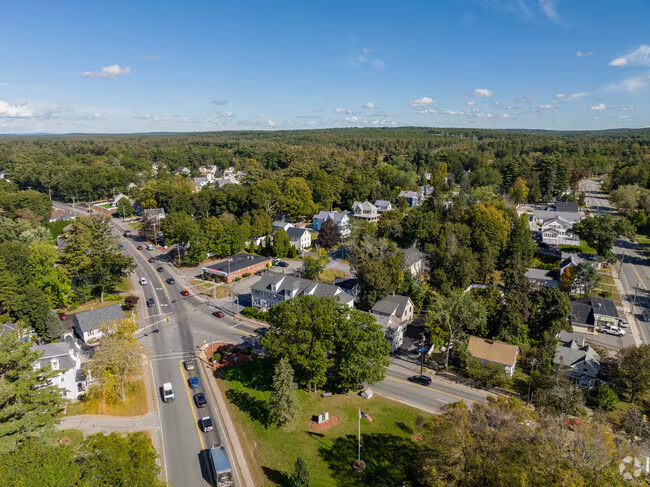
Begin by setting clear goals. Decide how much space you need. Then consider your monthly budget and desired location.
Next, explore real estate listings online. Focus on real estate listings that highlight low maintenance homes. Look for notes about association fees and services.
Finally, work with a local real estate expert. An experienced agent understands South Hudson homes for sale and market trends. That guidance saves time and reduces stress.
Many buyers compare towns before deciding. Southern New Hampshire homes for sale include options in Nashua, Londonderry, and Merrimack. Each town offers unique features.
However, Hudson often wins on balance. It offers value, location, and community. Because of that, low maintenance homes in Hudson stay in demand.
When buyers review listings side by side, they notice Hudson’s strong pricing. That advantage helps first time buyers and downsizers alike.
Hudson supports families with solid schools. The town values education and local programs. Therefore, many parents feel confident raising children here.
Community services also stand out. The town library and recreation programs serve all ages. This support builds strong neighborhood bonds.
When buyers search South Hudson homes for sale, they often ask about schools first. Hudson answers that question with pride and steady performance.
The Hudson real estate market remains active. Buyers compete for updated, well priced homes. As a result, low maintenance homes often move quickly.
Inventory can change fast. Therefore, staying informed matters. New listings in South Hudson homes for sale may attract strong attention.
Southern New Hampshire homes for sale overall continue to draw interest from out of state buyers. Many people relocate for lower taxes and quality of life. Hudson benefits from this steady demand.

Owning a home should feel joyful. Yet constant repairs can drain that joy. Low maintenance homes help restore excitement and comfort.
Imagine weekends free from yard work. Picture evenings spent relaxing instead of fixing things. That vision feels calm and empowering.
Downsizing homes in Hudson New Hampshire or choosing a condo can bring that freedom. Many buyers say they wish they moved sooner.
Think about your long term goals. Do you want fewer stairs as you age. Would you enjoy travel without worry.
Low maintenance homes support those dreams. Adult community homes Hudson NH offer social connection and simple upkeep. Condos and townhomes provide similar ease.
As you review Southern New Hampshire homes for sale, keep your future in mind. A smart choice today builds comfort for years to come.
A local Realtor understands Hudson streets and neighborhoods. They track new listings daily. Therefore, you gain access to opportunities fast.
They also explain association rules and fees clearly. This knowledge prevents surprises later. In addition, they negotiate strongly on your behalf.
When exploring South Hudson homes for sale, local insight matters. Market knowledge gives you a powerful edge.
Low maintenance homes offer more than simple living. They provide freedom, value, and peace of mind. Buyers across South Hudson homes for sale continue to seek these smart options. At the same time, Southern New Hampshire homes for sale attract attention for quality and lifestyle.
Hudson stands out in this vibrant region. It blends location, charm, and strong property value. Whether you explore adult community homes Hudson NH, condos for sale in Hudson NH, or townhomes for sale Hudson NH, you will find exciting choices. As you review South Hudson homes for sale and compare Southern New Hampshire homes for sale, remember that the right low maintenance homes can transform your daily life in the best possible way.
If you need more information on low maintenance homes, or are ready to sell your house give us a call at (603) 883-8840. You can also sign up for your dream home search or reach out to Our Agents for more information. We’d love to help you with your real estate needs.

Becoming a first time home buyer New Hampshire is exciting and life changing. You may feel proud, nervous, and hopeful all at once. Many buyers begin by exploring South Hudson houses for sale while learning about financing and next steps. At the same time, buying a house in NH becomes much easier when you understand the process and work with a trusted local expert.
This journey is about more than just finding a house. It is about building stability and long term wealth. Therefore, preparation and education matter from day one. When you follow a clear plan, you move forward with confidence instead of stress.
New Hampshire offers strong communities and natural beauty. In addition, the state has no state income tax, which attracts many buyers. That financial advantage creates long term value.
Affordable homes in New Hampshire can still be found in many towns. While some areas are competitive, opportunities exist with the right strategy. As a result, first time buyers can enter the market with realistic expectations.
South Hudson houses for sale remain popular because of location and convenience. Buyers enjoy access to highways, shopping, and nearby Massachusetts. However, you can also explore other towns for different price points and lifestyles.
A first time home buyer New Hampshire often has many questions. That is completely normal. You may wonder about credit scores, down payments, and monthly costs.
Therefore, the first step is education. Learn about mortgage options New Hampshire lenders provide. Understand how interest rates affect payments. Knowledge gives you control.
Buying a house in NH is not just about emotion. It is also about smart financial planning. When you balance both, success becomes possible.
Before touring homes, talk with a lender. Pre approval shows sellers that you are serious and ready. In competitive markets, this step is powerful.
Mortgage options New Hampshire buyers use include FHA, conventional, and VA loans. FHA loans often require lower down payments. Conventional loans may offer flexible terms with strong credit.
Down payment assistance NH programs may also help qualified buyers. These programs can reduce upfront costs. Therefore, always ask what options are available.
When you understand your budget, you search with clarity. That confidence changes everything.
Saving money takes discipline. However, clear goals make it easier. Start by reviewing your monthly expenses and cutting unnecessary costs.
Down payment assistance NH resources can also support your savings plan. Some programs offer grants or low interest second loans. This support can shorten your timeline.
Affordable homes in New Hampshire become more realistic when you combine savings with smart financing. Even small steps each month build momentum. Over time, those efforts add up.
Location shapes your daily routine. Therefore, think about work, schools, and lifestyle. Some buyers prefer quiet neighborhoods. Others want easy access to shopping and highways.
South Hudson houses for sale attract many first time buyers. The area offers convenience and established neighborhoods. In addition, commute times appeal to professionals working across state lines.
Still, affordable homes in New Hampshire exist beyond one town. Explore nearby communities to compare value. Your REALTOR can guide you with current market data.
When you tour neighborhoods, pay attention to traffic and amenities. These details matter long term.
Online searches are helpful, yet they are only the beginning. Work with a local REALTOR for full MLS access. This ensures accurate and timely information.
Affordable homes in New Hampshire can move quickly. Therefore, set up alerts and act fast when needed. Preparation gives you an edge.
Buying a house in NH requires flexibility. You may not find every feature on your wish list. However, focus on what truly matters, such as layout and condition.
South Hudson houses for sale often receive strong interest. As a result, staying informed helps you compete effectively.
When you walk through a home, look beyond paint colors. Focus on structure, roof age, heating system, and windows. These elements affect long term costs.
As a first time home buyer New Hampshire, ask questions at every showing. Understanding maintenance needs protects your investment. Your REALTOR will explain what to watch for.
Buying a house in NH is a major milestone. Therefore, take your time and think clearly. Emotional excitement should never replace practical thinking.
Once you find the right home, strategy matters. Your REALTOR will review comparable sales and market trends. This data guides your offer price.
Mortgage options New Hampshire lenders approve influence your offer strength. A solid pre approval letter builds trust with sellers. In busy markets, this advantage is powerful.
South Hudson houses for sale sometimes attract multiple offers. Therefore, strong terms and quick communication improve your chances. Still, stay within your budget to protect your future.
Buying a house in NH should feel exciting, not reckless. Smart decisions create peace of mind.
After your offer is accepted, inspections begin. A home inspection reviews structure and major systems. This step protects you from hidden problems.
If issues arise, your REALTOR will help negotiate repairs or credits. Clear communication leads to fair outcomes. Most transactions move forward smoothly with cooperation.
Next, the lender orders an appraisal. This confirms the property value matches the loan amount. Affordable homes in New Hampshire usually appraise well when priced correctly.
Stay organized during this stage. Respond quickly to lender requests. Efficient action keeps closing on schedule.
Closing day feels rewarding and emotional. You sign documents and finalize your loan. Soon after, you receive the keys to your new home.
As a first time home buyer New Hampshire, this moment represents growth and achievement. All your planning pays off. You move from renting to owning.
South Hudson houses for sale offer many buyers this exciting milestone each year. With preparation and guidance, you can reach it too.

Avoid large purchases before closing. Lenders recheck credit before final approval. New debt can create delays.
Do not change jobs during the loan process if possible. Stability supports approval. Clear communication with your lender is essential.
Buying a house in NH requires patience and discipline. Emotional choices can cause regret. Instead, rely on facts and expert advice.
Down payment assistance NH programs also have guidelines. Make sure you understand timelines and requirements. Staying informed prevents surprises.
Homeownership builds equity over time. Each payment increases your ownership stake. Meanwhile, property values may grow.
Affordable homes in New Hampshire can become powerful financial assets. Over years, appreciation may strengthen your net worth. This growth creates stability.
South Hudson houses for sale continue to draw strong demand due to location and convenience. Therefore, buying in a desirable area may support future resale value.
For a first time home buyer New Hampshire, this means opportunity and pride. You invest in your future while enjoying your present.
The real estate process includes contracts and deadlines. Therefore, professional guidance protects your interests. A local REALTOR understands market trends and pricing.
Mortgage options New Hampshire buyers use can feel complex. However, experienced professionals simplify each step. That clarity reduces stress.
Buying a house in NH becomes smoother with expert support. From negotiations to closing, your REALTOR stays by your side. This partnership creates confidence and results.
Your journey as a first time home buyer New Hampshire begins with preparation and belief. Start by exploring mortgage options New Hampshire lenders provide. Then review down payment assistance NH programs that may support your goals.
Affordable homes in New Hampshire remain within reach when you plan carefully and act decisively. If you are reviewing South Hudson houses for sale, study current listings and neighborhood trends. With the right strategy and trusted guidance, a first time home buyer New Hampshire can turn the dream of ownership into reality, and South Hudson houses for sale may offer the perfect place to begin that exciting new chapter.
If you need more tips on first time home buyer New Hampshire, or are ready to sell your house give us a call at (603) 883-8840. You can also sign up for your dream home search or reach out to Our Agents for more information. We’d love to help you with your real estate needs.
If you are searching for homes for sale in Hudson NH, you are already looking in a strong and desirable market. Buyers often compare nearby towns, yet many quickly focus on South Hudson NH homes for sale because of location and value. In fact, homes for sale in Hudson NH offer a balance of neighborhood charm and commuter convenience that is hard to beat.
Hudson sits just over the river from Nashua. Therefore, you enjoy access to shopping, dining, and major highways within minutes. At the same time, many streets feel quiet and welcoming. That mix attracts both first time buyers and move up buyers.
Hudson offers space, comfort, and accessibility. Many buyers want proximity to Massachusetts without living directly across the border. As a result, homes for sale NH in this area receive steady interest.
In addition, buyers who search local homes for sale Nashua NH often expand their search to Hudson. They realize they can find similar value with a different neighborhood feel. Therefore, Hudson becomes a smart alternative.
South Hudson NH homes for sale remain especially popular due to commuter routes and established neighborhoods. Buyers enjoy sidewalks, mature trees, and community pride. That sense of stability creates emotional appeal.
The market for homes for sale in Hudson NH changes with inventory and season. In spring and summer, activity tends to increase. Meanwhile, fall and winter may offer slightly less competition.
However, demand remains steady year round. Many buyers looking at houses for sale near Nashua NH also tour Hudson properties. This crossover keeps the market active and competitive.
Real estate listings Nashua NH often include surrounding towns. Therefore, buyers see Hudson options alongside Nashua homes. This exposure helps maintain strong visibility and demand.
When inventory is limited, well priced homes move quickly. Preparation and strong financing matter more than ever.
Hudson offers a variety of property styles. You will find classic Colonials, Ranch homes, split levels, and newer construction. Each style meets different lifestyle needs.
Some buyers want move in ready condition. Others look for properties they can update over time. Therefore, homes for sale NH in Hudson appeal to both practical and creative buyers.
South Hudson NH homes for sale often include established neighborhoods with larger lots. These properties may offer privacy and yard space. Buyers who value outdoor living often focus here.
In addition, condominiums and townhomes provide lower maintenance options. These properties attract downsizers and busy professionals.
Many buyers start by reviewing local homes for sale Nashua NH. However, once they compare taxes, lot sizes, and price points, they often consider Hudson. The two towns share convenience, yet they offer different atmospheres.
Houses for sale near Nashua NH provide easy access to highways and employment centers. Hudson fits perfectly into that search area. Therefore, it becomes part of the same decision process.
Real estate listings Hudson NH display active properties across the region. Buyers benefit from comparing options side by side. This clear view helps them make confident choices.
Hudson often provides slightly more suburban space. Nashua may offer more urban energy. The right choice depends on your priorities.

Hudson features a mix of established subdivisions and newer developments. Some neighborhoods offer sidewalks and close proximity to schools. Others provide quiet streets with wooded backyards.
South Hudson NH homes for sale often draw attention due to location. Buyers enjoy quick routes to Route 3 and nearby shopping centers. This convenience saves time and reduces daily stress.
In addition, many homes sit on generous lots. That space allows for gardens, decks, and outdoor gatherings. For many families, that outdoor lifestyle adds meaningful value.
When exploring homes for sale in Hudson NH, visit neighborhoods at different times of day. Notice traffic flow and noise levels. These details shape long term satisfaction.
Pricing for homes for sale in Hudson NH depends on size, condition, and location. Updated kitchens and modern systems often command stronger offers. Meanwhile, homes needing cosmetic updates may offer opportunity.
Homes for sale NH across Southern New Hampshire remain competitive. Therefore, pricing strategy matters greatly. Sellers who price accurately often see faster results.
Buyers reviewing houses for sale near Nashua NH should watch recent comparable sales. This data helps guide realistic offers. A knowledgeable REALTOR will provide insight into fair market value.
South Hudson NH homes for sale have shown steady demand over recent years. This consistency supports long term confidence for buyers.
First, secure mortgage pre approval. This step shows sellers that you are serious and prepared. In competitive markets, pre approval strengthens your offer.
Next, review real estate listings Hudson NH specific listings daily. New homes can appear quickly. Acting fast may give you an advantage.
Then schedule showings promptly. Homes for sale in Hudson NH sometimes receive multiple offers. Clear communication with your REALTOR keeps you informed.
Finally, craft a strong offer based on data and budget. Emotional excitement should not replace smart strategy.
After an accepted offer, schedule a home inspection. This protects your investment and reveals important details. Your REALTOR will help interpret findings.
If repairs are needed, negotiations often follow. Clear communication leads to fair agreements. Most transactions move forward smoothly.
Closing day arrives once financing and appraisal are complete. At that moment, you receive keys and ownership transfers. That milestone feels both exciting and rewarding.
South Hudson NH homes for sale continue to welcome new owners each year. With preparation and guidance, your transaction can feel seamless and positive.
A local professional understands neighborhood trends and pricing patterns. They monitor inventory changes daily. Therefore, you stay ahead of market shifts.
Real estate listings Hudson NH provide valuable data, yet interpretation matters. An experienced REALTOR explains how each listing compares to recent sales.
When reviewing houses for sale near Hudson NH, your agent will highlight differences in taxes and resale value. This clarity protects your investment.
Buying homes for sale NH becomes far less stressful with expert guidance. Support and insight build confidence.
Homeownership builds equity over time. Each payment strengthens your financial position. Meanwhile, stable demand supports long term value.
Homes for sale in Hudson NH often attract buyers who plan to stay for years. The community feel encourages long term roots. This stability creates pride and connection.
South Hudson NH homes for sale remain appealing due to location and livability. Buyers appreciate access to nearby cities without losing suburban comfort.
When you purchase wisely, you invest in both lifestyle and financial growth.
Exploring homes for sale in Hudson NH gives you access to comfort, convenience, and strong community appeal. Buyers who compare local homes for sale Nashua NH often find Hudson offers a refreshing balance. If you are reviewing South Hudson NH homes for sale, pay close attention to neighborhood features and pricing trends.
Houses for sale near Nashua NH will always attract attention, yet Hudson continues to stand out for value and accessibility. Real estate listings Nashua NH provide useful data, but local expertise makes the difference. Whether you are drawn to South Hudson NH homes for sale for commuting ease or lifestyle comfort, homes for sale in Hudson NH offer meaningful opportunity for buyers ready to make a confident move.
If you need more tips on homes for sale in Hudson NH, or are ready to sell your house give us a call at (603) 883-8840. You can also sign up for your dream home search or reach out to Our Agents for more information. We’d love to help you with your real estate needs.
Selling a home is a big decision. In South Hudson, it can also be a strong opportunity. Many homeowners want clear guidance, calm advice, and a plan that works. That is exactly what this guide provides.
If you are thinking about listing, understanding homes for sale in New Hampshire is the first step. The local market has its own rhythm. South Hudson continues to attract buyers who value space, convenience, and long term value.
South Hudson homes for sale often stand out because of their location. Buyers look for easy commuting and quiet neighborhoods. As a seller, knowing what buyers want helps you prepare with confidence.
South Hudson offers a balance that many buyers seek. It feels peaceful yet connected. This balance supports strong demand year after year.
Because of this, South Hudson homes for sale remain competitive. Well prepared homes often receive solid attention. Some even attract multiple offers when priced correctly.
Sellers benefit from this interest. However, success still depends on planning. A thoughtful approach always delivers better results.
Every sale should begin with market knowledge. South Hudson is not the same as nearby towns. Pricing trends and buyer behavior can shift even street by street.
Reviewing New Hampshire real estate listings helps set expectations. It shows what buyers see online. It also reveals how your home compares.
MLS listings New Hampshire data gives valuable insight. It highlights recent sales, days on market, and buyer demand. This information shapes a smart pricing plan.
Price plays a major role in your final result. Buyers react quickly to value. Overpricing often leads to longer market time.
Homes priced well attract stronger interest. They feel exciting and urgent. This energy helps drive better outcomes.
A pricing review should consider houses for sale in NH that are similar. It should also look at recent closed sales. This balance keeps expectations realistic.
First impressions matter. Buyers decide quickly how they feel about a home. Clean, bright spaces create emotional connection.
Simple updates can make a big impact. Fresh paint, clear rooms, and neat landscaping go far. These changes help buyers imagine living there.
South Hudson homes for sale that show pride of ownership often stand out. Preparation builds trust and value at the same time.

Strong marketing tells a clear story. It shows buyers why your home matters. Professional photos and descriptions make a difference.
Buyers searching homes for sale near me NH rely on online listings. Your home must shine in that space. Clear details and inviting images help capture attention.
New Hampshire real estate listings work best when paired with local expertise. This combination brings qualified buyers through the door.
Timing affects interest and momentum. Some sellers worry about finding the perfect moment. In reality, preparation matters more.
Homes listed when ready tend to perform better. Buyers respond to quality and value. Seasonal trends help, but they do not replace strategy.
If you plan to buy a home in New Hampshire after selling, timing becomes even more important. Coordinated planning reduces stress.
Receiving an offer feels exciting. It can also feel overwhelming. Each term matters, not just the price.
Strong negotiation balances emotion and logic. It protects your goals while keeping the deal moving forward.
Experienced guidance helps you review offers clearly. This approach leads to smoother closings and fewer surprises.
Once under contract, the process continues. Inspections and appraisals play key roles. Understanding them reduces anxiety.
Preparation helps here as well. Homes in good condition face fewer challenges. Transparency builds trust with buyers.
South Hudson homes for sale that are well maintained often move through this phase smoothly.
The final steps bring everything together. Paperwork, timelines, and coordination matter. Clear communication keeps things on track.
Knowing what to expect makes closing easier. It also helps you plan your next move.
Many sellers feel relief and pride at this stage. A successful sale is a major milestone.
South Hudson continues to attract motivated buyers. This demand supports sellers who prepare and price well. The area remains appealing for many reasons.
South Hudson homes for sale benefit from location, lifestyle, and value. These qualities matter in today’s market.
If you are considering selling homes for sale in New Hampshire, South Hudson offers real opportunity. With the right plan, you can move forward confidently.
South Hudson homes for sale continue to draw attention. Sellers who act thoughtfully often see rewarding results.
If you need more tips on homes for sale in New Hampshire, or are ready to sell your house give us a call at (603) 883-8840. You can also sign up for your dream home search or reach out to Our Agents for more information. We’d love to help you with your real estate needs.

Searching for South Hudson homes for sale often begins with excitement and curiosity. Buyers want comfort, convenience, and a place that fits daily life. South Hudson attracts attention because it offers a balance of quiet neighborhoods and easy access to nearby cities. With the right information, the search feels more relaxed and far less stressful.
Many buyers start online, then refine choices with local knowledge. This approach saves time and builds confidence. A clear plan helps buyers focus on homes that truly fit their needs.
Why South Hudson Is a Popular Choice
South Hudson continues to draw strong interest from buyers. The area offers easy highway access, shopping, and everyday services. Many people enjoy being close to Nashua while still having a neighborhood feel. This mix appeals to families, professionals, and long term residents.
South Hudson homes for sale often reflect this demand. Buyers appreciate the blend of location and value. The area feels practical, welcoming, and easy to settle into.
Understanding the South Hudson Housing Market
The housing market in South Hudson can move quickly. Well priced homes often receive strong attention. MLS listings New Hampshire help buyers track new listings and price changes. These tools provide current and reliable information.
Houses for sale in New Hampshire vary by size, age, and style. In South Hudson, buyers often see single family homes with functional layouts. Knowing local trends helps buyers act with confidence.
Types of Homes You Will Find
South Hudson offers a variety of home styles. Many buyers find classic Colonials, Ranch homes, and split level designs. Some homes feature updates, while others offer room to personalize. Each option fits different budgets and lifestyles.
New Hampshire real estate listings help buyers compare features and pricing. Clear priorities keep searches focused. This helps buyers avoid feeling overwhelmed by choices.
Neighborhood Feel and Daily Life
Living in South Hudson feels comfortable and connected. Streets often feel quiet and residential. Nearby parks and local spots support an active lifestyle. Many residents enjoy simple routines close to home.
Homes for sale near me NH searches often lead buyers here. Convenience matters for work, school, and errands. South Hudson offers this balance without feeling crowded.
Starting Your Home Search Online
Most buyers begin online today. Searching South Hudson homes for sale helps narrow options quickly. Filters allow buyers to choose price range, size, and features. Photos and tours offer helpful first impressions.
Online tools work best with local insight. A REALTOR explains details that listings may not show. This includes neighborhood patterns and market demand.

Home tours help buyers connect with a space. Layout, light, and flow shape daily comfort. Buyers should imagine everyday routines during tours. This helps determine true fit.
After several tours, houses for sale in NH can blend together. Simple notes help buyers remember details. Asking questions builds clarity and confidence.
Price matters, but value matters more. A well priced home reflects condition, location, and demand. New Hampshire real estate listings offer comparison tools. These show recent sales and market movement.
A REALTOR reviews this data and explains differences. Buyers gain confidence in their decisions. Understanding value helps avoid regret later.
Strong offers balance price and terms. In active markets, clear offers stand out. This does not always mean paying the highest price. Flexibility can also appeal to sellers.
A REALTOR helps buyers understand strategy and risk. Clear advice reduces stress during negotiations. Buyers feel supported through each step.
Inspections protect buyers and provide reassurance. Most inspections uncover minor issues. This is normal and expected. Buyers can request repairs or credits when needed.
Clear communication keeps deals moving forward. MLS listings New Hampshire sometimes reflect inspection outcomes. Staying informed makes this stage easier.
Financing plays a major role in buying a home. Buyers should speak with lenders early. Pre approval strengthens offers and sets clear budgets. It also speeds the process.
Loan options vary by buyer needs. Fixed rate and adjustable loans remain common. A trusted lender explains choices simply.
A local REALTOR brings valuable insight. They understand South Hudson pricing and demand. They also manage timelines and details. This guidance helps buyers feel secure.
REALTORS use MLS listings New Hampshire daily. They help buyers navigate choices and protect interests. Trusted support makes the process smoother.

Timing matters, but perfection is rare. The right time depends on comfort and goals. Some buyers want more options. Others prefer less competition.
Staying informed helps buyers act with confidence. A REALTOR shares updates and advice based on local trends.
Once under contract, planning begins. Buyers arrange movers, utilities, and services. Checklists help keep tasks organized. Preparation reduces stress.
Moving brings excitement and nerves. Support and planning ease the transition. Soon, the house feels like home.
Living in South Hudson offers balance and ease. Many residents enjoy nearby amenities and local events. Pride grows with time and connection. Homeownership builds roots.
Buyers who choose South Hudson homes for sale often value comfort and convenience. The area supports busy lives while still feeling personal.
Homeownership includes regular care. Routine maintenance protects comfort and value. Small tasks prevent larger issues. This care supports long term stability.
Houses for sale in New Hampshire often reflect pride of ownership. Buyers benefit from well cared for homes. Long term care supports future resale value.
Finding South Hudson homes for sale is both practical and emotional. Buyers want confidence, comfort, and clarity. With trusted guidance, the journey feels rewarding.
Using New Hampshire real estate listings and local advice makes a difference. When you buy a home in New Hampshire, you invest in lifestyle and community. South Hudson continues to be a place buyers are proud to call home.
If you need more tips on homes for sale in New Hampshire, or are ready to sell your house give us a call at (603) 883-8840. You can also sign up for your dream home search or reach out to Our Agents for more information. We’d love to help you with your real estate needs.

The real estate world changes fast and interest rates shift often. Many buyers struggle to keep up with rising payments. When a seller offers an assumable FHA, VA, or USDA mortgage, buyers get something rare. They get a chance to step into a loan with a lower rate than they can find in the current market.
This creates instant emotional impact. Buyers feel relief when they hear the words lower payment. They feel hopeful when they realize they can afford more home than expected. Financial stress fades and excitement grows. Sellers with assumable mortgages hold an incredible advantage because they are offering something powerful and uncommon.
Assumable mortgages allow buyers to take over the seller’s current loan. The interest rate remains the same. The remaining loan term stays the same. The monthly payment remains the same. The buyer simply continues where the seller left off.
This works only with certain types of loans. FHA, VA, and USDA loans are commonly assumable when rules are followed. Many homeowners in Southern NH have one of these loans. That means more homes in Hudson, Londonderry, and Nashua offer hidden benefits that buyers do not always realize.
The key is education. Buyers need to understand that this is not a new loan. It is a financial gift already wrapped and ready. For sellers, this becomes a golden selling point.
There are many reasons buyers feel drawn to assumable mortgages. Many buyers enter the market feeling overwhelmed. They see rising prices and rising rates. They see their buying power shrinking. Then they discover a home with an assumable mortgage and everything shifts.
Buyers enjoy the chance to save money. They appreciate the chance to avoid high interest rates. They feel secure knowing the loan has a proven track record. The payment is predictable and already established. This creates emotional comfort. Buyers want predictability and assumable mortgages offer exactly that.
Buyers also love the idea of stepping into a ready made financial structure. They feel like they are being handed a key to a rare savings opportunity. Many buyers even become more flexible with other terms because of this benefit. That can speed up negotiations and create smoother deals for everyone.
Sellers with assumable mortgages hold a quiet superpower. Not every seller has it and not every buyer knows to look for it. When the seller proudly says please take my mortgage they are offering something extremely valuable. It gives their home more attention and more offers. It makes their home feel special in a crowded market.
A home with an assumable loan becomes easier to market. It can attract buyers who were previously priced out. It can attract buyers who planned to wait but now feel ready to move. It can attract cash buyers who want lower payments and stronger long term plans.
Sellers love that their home becomes more competitive. They love that buyers feel happier and more confident. They also appreciate that their home might sell faster because assumable loans feel like a bonus feature that other homes do not offer.

Marketing is about emotion and value. When you include assumable mortgage information in your listing package, you are giving buyers a reason to stop and look. You can highlight lower payments and long term savings. You can share examples of possible monthly differences if a buyer keeps the seller’s rate instead of starting fresh.
Homes with assumable loans can be advertised proudly. A smart REALTOR knows how to present it in a simple and friendly way. You can share this information in open houses, online listings, social media posts, and printed marketing materials. When you do this clearly, buyers respond quickly.
Your listing becomes powerful. Your listing becomes shareable. Buyers tell their friends that this home is different. That builds energy and increases demand.
Buyers need to qualify with the lender who holds the current mortgage. This helps protect both buyer and seller. The lender reviews the buyer’s income, credit, and financial history. This part is similar to getting a traditional loan, but everything moves into an existing loan instead of a brand new one.
If the buyer approves, the remaining steps are simple. The buyer pays the seller for any equity if needed. Closing takes place and the buyer steps into the existing mortgage. They continue making the payments as usual.
The process feels smooth because the loan already exists. The buyer gains a predictable payment and a future filled with savings. The seller moves forward knowing they offered something truly helpful.
One question that often comes up involves equity. When a seller has built equity over time, the buyer may need to cover the difference between the loan balance and the home value. Buyers can use cash, a second loan, or creative financing options to cover this.
This still benefits buyers because the first mortgage has such a good interest rate. Even if a buyer takes a small second loan, the blended payment often remains lower than a brand new single mortgage at today’s higher rates.
This creates strong motivation for buyers to move quickly. They see real savings and they feel more in control of their purchase.
Southern New Hampshire remains one of the most popular areas for homebuyers. The communities offer strong schools, great commuter access, and beautiful neighborhoods. Homes in areas like Hudson, Nashua, and Londonderry stay in demand because they provide comfort and convenience.
Many homes in Southern NH were purchased in years when rates were very low. That means many sellers here already have FHA, VA, or USDA loans that come with attractive interest rates. Buyers moving into the region appreciate any opportunity to lock in lower costs. This gives sellers a real edge.
Homes with assumable mortgages in South Hudson and surrounding communities can become some of the most desirable properties on the market.
Real estate is emotional. Buyers fall in love with homes that feel comforting and secure. When a seller says please take my mortgage they are not only offering a loan. They are offering peace of mind. They are offering a path to a future that feels stable and predictable.
Buyers appreciate anything that reduces stress. They appreciate saving money. They appreciate fairness and transparency. A loan assumption checks all of these emotional boxes. A buyer feels good about moving forward because they know they are stepping into something proven and trustworthy.
Sellers feel emotional satisfaction because they know they helped the buyer. They created a moment of relief and hope. This often creates smoother cooperation during the rest of the transaction.
Imagine a seller with a three percent FHA loan. The current rate for a new loan might be seven percent. If a buyer assumes the seller’s loan, the payment could be much lower.
This difference adds up quickly. A buyer might save several hundred dollars each month. Over the life of the loan, that could mean tens of thousands of dollars saved. These savings can change a family’s financial future.
This is why assumable mortgages hold so much power in your marketing plan. They are real benefits that buyers can feel and understand.
Sellers should work closely with a REALTOR who understands how to promote this feature. Strong marketing helps buyers understand the value right away. Sellers should have their loan details ready and available. They should also confirm with their lender that the loan can be assumed.
Once everything is confirmed, this benefit should be shared in every part of the marketing package. It should be highlighted in online listings, open house discussions, and printed flyers. Buyers should see it instantly and feel encouraged to learn more.
Buyers should ask questions early in the process. They should explore the current loan balance, interest rate, and remaining years. They should also speak with a qualified lender to understand the steps involved.
Buyers should work with a REALTOR who knows how to negotiate assumable mortgage terms. They should also prepare to move quickly because homes with assumable mortgages often receive extra attention.
Assumable mortgages create real excitement in the current housing market. When a seller proudly says please take my mortgage it transforms the entire conversation. The listing feels more valuable and more attractive. Buyers feel hopeful and ready to take action. Southern NH buyers especially appreciate any advantage that makes ownership easier.
When used correctly, this feature becomes a true superpower for your listing. It adds confidence, clarity, and emotional appeal. Sellers feel empowered and buyers feel supported. It is a win for everyone. As you explore South Hudson houses for sale or other Southern NH houses for sale, keep an eye out for this benefit. It may shape your future in ways you never expected. The idea of assumable loans brings new energy to modern real estate and helps many people move forward with joy and confidence.
If you need more tips on how a buyer can take my mortgage, or are ready to sell your house give us a call at (603) 883-8840. You can also sign up for your dream home search or reach out to Our Agents for more information. We’d love to help you with your real estate needs.

Life looks different as time goes by and the home that once felt perfect might now feel too large or too expensive. Many people want fewer rooms to clean, fewer bills to handle, and more time to do what matters most. A smaller home can be easier to manage and can also fit a simpler lifestyle. When you decide to downsize, you gain control of your living situation and also your financial future. New Hampshire buyers and sellers often look for homes that offer comfort, convenience, and predictable costs. This is where downsizing becomes a powerful option.
Housing trends across Southern New Hampshire show strong demand for well kept smaller homes. Buyers want move in ready homes with smart layouts and easy access to local amenities. Sellers who downsize can often sell their current home for a strong price and then purchase a smaller home with more financial flexibility. That flexibility becomes even stronger when you explore the option of downsizing without the monthly payment.
Many people dream of living in a home that brings peace instead of financial stress. The concept of downsizing without the monthly payment means choosing a home that can be paid for in full or financed in a way that eliminates a traditional mortgage payment. This creates a life with steady expenses and fewer worries.
Some homeowners achieve this by using equity from their current home to purchase their next home outright. Others use specific financing tools that allow payment flexibility. The goal is always the same. You want a home that supports your lifestyle instead of draining it. New Hampshire homeowners often have strong equity because of rising home values. That equity makes this plan very realistic.
A reverse mortgage can be a helpful tool for some homeowners. This type of loan is often used by people who are at least sixty two years old and want to stay in control of their finances. A reverse mortgage allows you to use equity in your home to pay for your new home without creating a monthly payment obligation. Instead, the loan balance is paid when the home is sold or the homeowner leaves the home.
This approach can be especially helpful when someone wants a comfortable home in a town like Hudson, Londonderry, Nashua, or another popular Southern NH area. It helps people stay independent while also enjoying financial ease. When used carefully and with good advice, a reverse mortgage can support a strong plan for downsizing without the monthly payment.
Reverse mortgages offer several benefits that help homeowners who want financial confidence. First, the homeowner keeps the title to the home. Second, there is no required monthly mortgage payment which keeps stress levels low. Third, the homeowner can often increase cash flow and savings because less money goes toward housing costs.
Many people in New Hampshire prefer reverse mortgages because they want stability and control. Life feels easier when housing expenses stay predictable. A reverse mortgage allows that and supports personal freedom. A smaller home that fits your lifestyle combined with a loan that eliminates monthly payments can create a peaceful future.
Planning ahead helps you feel calm and organized. Downsizing takes thought but it can also be very exciting. You are building a new chapter that fits your needs and goals.
Start by reviewing your current finances and future plans. Think about how much space you really want. Decide which features matter most to you. Many people want one level living, modern updates, and low maintenance yards. Southern NH houses for sale offer many of these features.
Next, speak with a knowledgeable REALTOR who understands the local market. They can guide you toward smart decisions and realistic expectations. A REALTOR with experience in South Hudson houses for sale or Nashua homes can show you communities that match your lifestyle.
Finally, meet with a trusted reverse mortgage specialist if you want to explore that option. It is important to understand how the program works and to feel confident in your decision.
Nashua and Hudson continue to be very popular towns for homeowners who want comfort and convenience. Nashua offers great restaurants, medical services, parks, and shopping. Hudson provides a quieter suburban feel with easy access to major highways, nature trails, and community spaces.
Both towns offer strong value and consistent demand. Homes here tend to sell quickly when priced well. That makes them great choices for downsizing without the monthly payment because resale value remains strong.
A smaller home can bring more joy than you might expect. Less cleaning and fewer repairs means more time to enjoy your day. Lower costs can also remove stress and allow you to travel, spend time with family, or pursue hobbies.
Many homeowners discover that a right sized home feels more comfortable and easier to manage. Life often feels simpler and more enjoyable. When your home works for you, you feel more at peace.

Downsizing is not only a financial decision. It is also emotional. Leaving a longtime home can feel bittersweet. It takes courage to start fresh and choose a home that fits your new lifestyle.
Give yourself time to process the change. Focus on the positive benefits like more freedom, less stress, and more comfort. A new home in Southern NH can feel exciting and inspiring. You are not losing space. You are gaining a new chapter.
When you shop for your new home, think about your long term needs. Look for wide hallways, first floor bedrooms, safe entryways, and modern systems. Consider the location carefully. You may want to be near family, shopping, medical care, or recreation.
Southern NH houses for sale offer many options that fit the needs of downsizing homeowners. There are beautifully updated condos, charming ranch homes, and right sized colonials. Your REALTOR can help you compare neighborhoods and features so you can choose wisely.
A local REALTOR provides guidance that makes your journey easier. They know the market and understand local trends. They can help you price your current home correctly and find the best options for your next home. They also help you avoid mistakes that could cost money or cause stress.
A REALTOR can also introduce you to reverse mortgage experts, inspectors, attorneys, and lenders. This helps create a smooth and confident plan for downsizing without the monthly payment.
Southern New Hampshire offers a perfect blend of convenience, comfort, and community. Many downsizing homeowners want easy access to Boston and Manchester. They want friendly neighborhoods and strong home values. Southern NH delivers all of this and more.
Whether you want a quiet home in South Hudson or a vibrant condo in Nashua, you can find a home that fits your lifestyle. Southern NH houses for sale appeal to many age groups and offer long term value.
Downsizing can help you enjoy more freedom and less stress. When combined with a smart reverse mortgage plan, it can support a strong future. The idea of downsizing without the monthly payment brings peace to many people who want stability and comfort.
As you explore your options, remember to take your time, ask questions, and work with trusted professionals. The right home is out there and it will support the life you want to enjoy. Southern NH offers many wonderful communities that can help you start your next chapter with confidence.
If you need more tips on downsizing without the monthly payment, or are ready to sell your house give us a call at (603) 883-8840. You can also sign up for your dream home search or reach out to Our Agents for more information. We’d love to help you with your real estate needs.

Many people dream about leaving their regular job and building a life filled with more freedom and financial stability. The truth is that many have already done it through real estate investing. This path can feel exciting and life changing once you understand how it works. The steps are simple but they must be followed with patience and focus. You can turn your interest in property into a full time business that supports your goals. This includes investing in local areas such as South Hudson houses for sale or other popular Southern NH houses for sale.
Real estate offers many ways to grow your income. Some investors choose rental properties. Some flip homes for profit. Others explore short term rentals or commercial buildings. When you learn the basics and build skills over time, you can create a business that grows with you. It does not matter if you are starting small. What matters is learning, planning, and taking steps every week.
Real estate can feel rewarding because it creates both short term income and long term value. You are building something real that stands on the land. People will always need places to live and work. This is why real estate stays strong in almost every economy. Property also grows in value over time which helps investors build wealth.
Another reason this field works is the flexibility. You can begin small with one rental. You can buy a fixer upper and make a profit. You can work part time while learning the ropes. As you feel more comfortable you can grow your business slowly or quickly. Many investors reach a point where they feel ready to go full time because the income becomes steady.
Real estate also creates emotional satisfaction. Investors enjoy helping families find homes. They enjoy improving neglected properties. They enjoy watching tenants thrive. It is a business that can feel personal which encourages loyalty and pride.
Every strong real estate career begins with knowledge. You need to understand what makes a property valuable. You need to learn how rental income works. You need to know local market trends. Luckily these things are easy to learn with practice.
Start by studying your local area. Look at prices in Nashua, Hudson, Londonderry, and other Southern NH towns. Pay attention to days on market and average rent. Notice which neighborhoods grow quickly. This simple research will help you make smarter choices later.
It also helps to understand common terms used in real estate investing. These include cash flow, equity, appreciation, cap rate, and return on investment. Learning these terms may feel strange at first but they become natural with use. You can read books, attend local seminars, or watch online videos. Make time each week to practice your skills.
Surround yourself with people who already invest. This can be through local real estate groups, networking events, or community meetings. Ask questions and learn from their experiences. Most investors enjoy helping beginners because they remember what it felt like to start.
There are many ways to invest because different personalities enjoy different strategies. You can decide which path fits your skills and comfort level.
Many investors choose long term rental homes because they create steady monthly income. Rental homes can be single family homes, condos, or even small multi family buildings. You earn money each month while your tenant pays down the loan. You also earn value as the property increases in price.

Some investors buy older homes that need repairs. They make improvements then sell for a profit. This path can earn larger paychecks but the risk can feel higher. It requires good contractors, strong budgets, and smart planning.
Short term rentals can work well in tourist areas or busy towns. These properties are rented for days or weeks. They can earn more than traditional rentals but require more hands on management.
Commercial real estate includes office buildings, retail centers, and warehouses. These properties often have higher income but require more knowledge. Many investors enter this field later in their career.
The best path is the one that feels comfortable to you. There is no wrong place to start. Many full time investors begin by purchasing one rental home in their town. For example, investing in South Hudson houses for sale can be a great first step because the area stays in high demand.
Real estate feels easier when you are not alone. A solid team can support your career and help you grow safely. This includes a REALTOR who knows the local market. It includes a trustworthy lender who offers smart financing options. It includes contractors, inspectors, attorneys, insurance agents, and property managers.
Your REALTOR becomes one of your most valuable partners. They help you find strong deals. They help you understand neighborhood trends. They help you negotiate fair prices. They also help you avoid mistakes. A REALTOR with Southern NH experience can guide you to homes that appreciate well.
A good lender helps you secure financing for each deal. They explain different loan types and show which options fit your income and goals. They help you plan your credit and your future purchases.
Contractors help you repair and upgrade properties. Inspectors help you avoid hidden problems. Attorneys help you understand legal paperwork. Insurance agents help you protect your investments.
When you have a strong team, you feel more confident and ready to take bigger steps.

Real estate investing requires money but you do not need to be wealthy to begin. Many investors start with low down payment loans. Some use FHA loans. Some use conventional loans with small down payments. Others use creative financing such as seller financing or private lenders.
You can also use equity from your current home to make your first purchase. Homeowners in New Hampshire often have strong equity because prices have grown. Using equity wisely can help you buy your first rental or flip property.
It is important to understand your monthly expenses. You should know your mortgage payment, taxes, insurance costs, and repair budgets. When these numbers are clear, you can plan your income correctly. You will understand how much rent you need to make the property profitable.
The better you understand your money, the smoother your transition into full time real estate investing will feel.
Full time real estate investors follow habits that keep their business strong. They check new listings each day. They study market changes. They visit open houses. They run numbers on possible deals. These habits keep their minds active and ready for action.
Investors also track their income and expenses. They monitor tenant issues and property conditions. They keep legal documents organized. They communicate clearly with their team. They plan ahead for maintenance and renovations.
Real estate investing becomes a full time career when you treat it like one. You do not need to work twenty four hours a day. You simply need a steady routine. Over time these habits create structure and help your business grow.
Investing can feel exciting but also a little stressful at times. You may worry about making mistakes. You may feel nervous during negotiations. You may second guess yourself before buying your first property.
These feelings are normal. Every full time investor felt them at the start. The key is to move slowly and stay educated. Celebrate your small wins. Learn from your challenges. Over time your confidence will grow and decisions will feel easier.
Real estate also brings joy. You help families find rentals. You improve neighborhoods by updating homes. You build a business that supports your dreams. This emotional reward keeps many investors motivated.
Every investment includes some level of risk. Your goal is to control that risk. You do this through research, education, and planning. You also do this by keeping savings available for unexpected repairs.
Real estate usually becomes safer the longer you hold it. Property values grow. Mortgage balances drop. Rental income increases. When you plan for the long term, risk becomes smaller.
Many full time investors begin small to stay safe. They buy one home. They learn how to manage tenants. They build confidence. Then they buy another. This steady growth helps reduce risk and builds wealth at the same time.
Southern New Hampshire remains a very strong area for new and experienced investors. Cities such as Nashua, Hudson, Londonderry, and Manchester attract renters and buyers year round. These areas offer good jobs, strong schools, and easy travel to Boston. This keeps demand high for rental homes.
Investors often enjoy stable results in towns like Hudson. South Hudson houses for sale remain popular because they offer great value and comfort. These neighborhoods make long term rentals easy to fill. They also give investors dependable appreciation.
Southern NH houses for sale offer many opportunities for flips and rentals. Many homes are older and ready for updates. These projects can increase value and create strong returns.
When you choose to become a full time investor, it helps to build a brand. This does not need to feel complicated. It simply means presenting yourself as a professional who cares about quality.
You can create a simple website or social media page that shares your work. You can post photos of your renovations and rented homes. You can share real estate tips that help others. Over time people will recognize your name and trust your business.
A strong brand helps you find deals more easily. Sellers will reach out to you. Buyers will ask for your help. Other investors will want to partner with you. This becomes a powerful part of your long term success.
There is no perfect moment where a sign appears and tells you to quit your job. You will know you are ready when your income feels steady and your confidence feels strong. Most investors feel prepared once they have at least two or three successful properties.
Before going full time, make sure your financial safety net is strong. Keep savings available for repairs and slow months. Create a plan for your next five deals. Review your goals and update your budget.
You will feel a mix of excitement and nervousness. This is normal. That feeling means you are stepping into something meaningful. With time, your business will grow and your confidence will increase.

Turning your passion for real estate investing into a full time career is possible when you build knowledge, create habits, and surround yourself with strong partners. The journey takes patience but it also brings excitement and pride. When you choose the right properties such as Southern NH houses for sale or South Hudson houses for sale, you create long term stability.
The best part is that you can shape your career to fit your life. You can grow slowly or quickly. You can focus on rentals or flips. You can adjust your plan whenever needed. When you use the principles of real estate investing with care, your future becomes brighter and more secure.
This path has already changed the lives of many investors. It can change yours too. With courage, focus, and the right guidance, you can build a full time real estate career that feels rewarding every single day.
If you need more tips on real estate investing, or are ready to sell your house give us a call at (603) 883-8840. You can also sign up for your dream home search or reach out to Our Agents for more information. We’d love to help you with your real estate needs.

Open houses still matter in 2026. They just look different now. Buyers expect more comfort, more clarity, and more value. Open House Best Practices help meet those needs in a natural way. A great open house should feel helpful, relaxed, and welcoming. It should never feel rushed or sales heavy. Buyers want space to imagine life in the home. They also want answers when they ask.
Today’s buyers often arrive prepared. Many already viewed the home online. Some tracked prices for months. Others follow South Hudson houses for sale daily. Your open house should confirm their interest. It should also build trust fast.
The market keeps changing. Buyers have more tools than ever. They compare homes quickly. They notice details faster. Open House Best Practices help your listing rise above the noise.
Open houses are no longer about balloons and sign in sheets. They are about experience. Buyers want ease. They want honesty. They want to feel respected. When done right, open houses build emotional connection. That connection often leads to offers.
Southern NH houses for sale remain competitive. First impressions still matter. A strong open house can shorten days on market. It can also protect your price.
Every great open house starts before the door opens. Preparation builds confidence. It also reduces stress on the day of the event.
Start with a clean home. This step never changes. Buyers notice floors, windows, and kitchens first. A fresh smell helps too. Avoid strong scents. Clean air feels safer and more inviting.
Next focus on lighting. Open curtains fully. Turn on lamps. Bright spaces feel larger and happier. Buyers stay longer in well lit rooms.
Remove clutter from all surfaces. Less stuff helps buyers picture their own life there. Storage space should feel open and useful.
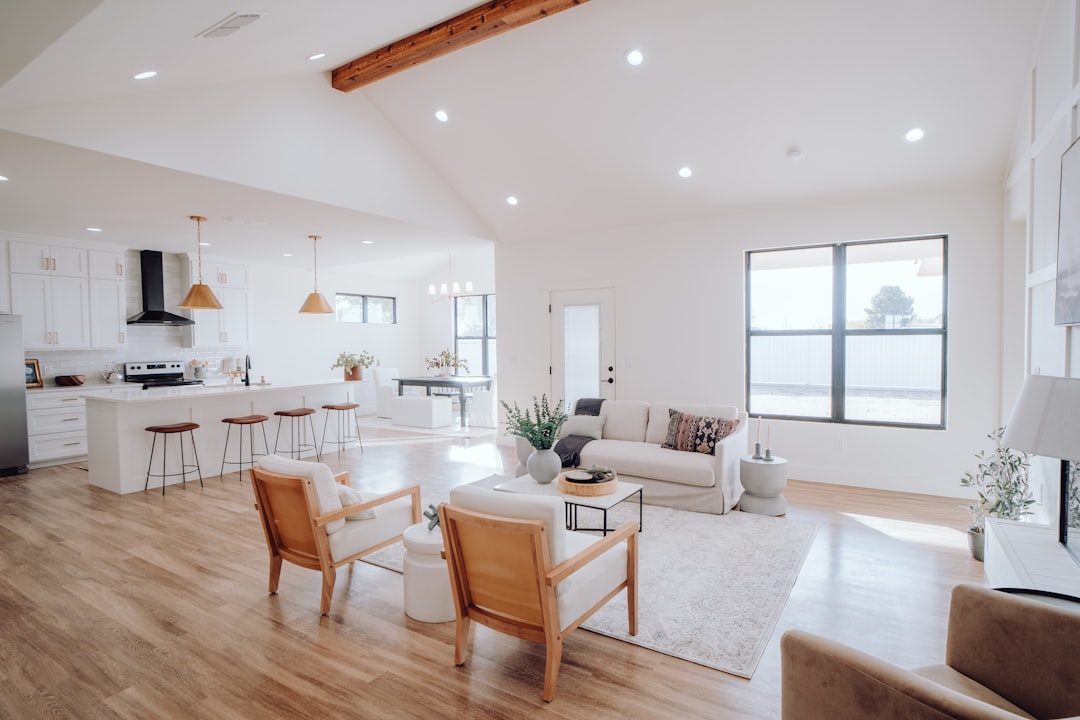
Open House Best Practices now include strong digital marketing. Most buyers learn about open houses online. Your photos must match reality. Accurate listings build trust.
Promote the open house early. Share it on social media. Add it to real estate websites. Email your buyer list. Clear dates and times matter.
Short videos work well too. A simple walkthrough video builds excitement. It also attracts serious buyers.
Use clear signs on open house day. Directional signs reduce frustration. Easy parking instructions help visitors relax before entering.
Technology supports modern open houses when used wisely. It should never feel distracting. Digital sign in systems save time. They also feel cleaner and more secure. Buyers appreciate a quick process.
QR codes offer instant access to listing details. Buyers can review floor plans and disclosures on their phone. This keeps conversations natural.
Consider soft background music. Smart speakers allow easy control. Music should stay low and neutral.
Virtual tours help buyers who arrive later. They also support follow up conversations.
Comfort is central to Open House Best Practices. Buyers need time and space. Avoid crowding rooms. Guide traffic gently.
Greet visitors warmly. A smile goes far. Offer a brief welcome. Then give them space to explore. Be available for questions. Do not follow closely. Buyers talk more freely when they feel relaxed.
Provide simple printed information. Highlight features. Include utility costs if available. Buyers appreciate transparency.
Simple refreshments add warmth. They should never feel messy or distracting. Offer bottled water. Light snacks work well. Avoid strong smells or crumbs.
Local touches create connection. A small sign mentioning a local bakery can spark conversation. This works well for South Hudson houses for sale.
Clean up often during the event. A tidy space maintains a professional feel.
Staging remains important in 2026. The style feels lighter now. Neutral colors still win. Soft textures add comfort. Buyers respond well to cozy yet clean spaces.
Use fewer decorations. Focus on scale. Furniture should show room size clearly. Add life with plants. Greenery feels fresh and calming. Avoid artificial looks.
Bathrooms and kitchens deserve extra care. These rooms drive decisions.

Safety matters for everyone involved. Clear plans reduce risk. Secure valuables before the event. Lock private areas if needed.
Keep personal items out of sight. Buyers should focus on the home. Have a second person present for busy events. This helps manage traffic.
Follow local guidelines when needed. Buyers value thoughtful precautions.
Strong conversations build trust. Listen more than you speak. Ask open questions. Learn what buyers value most.
Answer honestly. If you do not know, say so. Follow up later. Avoid pressure. Buyers move at their own pace. Support that process.
Mention neighborhood benefits naturally. Schools, trails, and commutes matter.
Local insight sets professionals apart. Buyers rely on it. Share trends in Southern NH houses for sale. Explain pricing clearly.
Mention recent activity in South Hudson houses for sale when relevant. Talk about community features. Restaurants, parks, and events help buyers connect.
Local stories make the home feel grounded and real.
The open house does not end when the door closes. Follow up matters. Send a short thank you message. Keep it friendly and helpful.
Share answers to questions asked. Provide missing details promptly. Ask for feedback. Buyer insight improves future showings.
Stay present but respectful. Trust builds over time.

Success looks different now. It is not only about attendance. Quality conversations matter most. Serious buyers ask deeper questions.
Track online engagement after the event. Listing views often rise. Monitor showing requests. Strong open houses drive private tours.
Evaluate feedback honestly. Small changes can improve results fast.
Open houses remain powerful in 2026. They just require care and intention. Open House Best Practices focus on experience, trust, and connection. Buyers remember how a home made them feel.
When done well, open houses support strong offers. They shorten market time. They protect value.
In competitive areas like Southern NH houses for sale, details matter. A modern open house creates confidence. Confidence leads to action.
If you need more info on Open House best practices, or are ready to sell your house give us a call at (603) 883-8840. You can also sign up for your dream home search or reach out to Our Agents for more information. We’d love to help you with your real estate needs.

Buying a home is exciting. It can also feel stressful. The home inspection checklist helps buyers feel calm, prepared, and confident. It gives you clarity before you move forward.
A home inspection is not just a formality. It is a powerful step in protecting your investment. It gives you real insight into the home condition. It also helps you plan ahead.
If you are buying in New Hampshire, this guide is for you. Whether you are viewing South Hudson houses for sale or Southern NH houses for sale, knowing what to look for matters.
Let us walk through the inspection process together. Think of this as a friendly conversation, not a scary report.
A home inspection gives you knowledge. Knowledge builds confidence. Confidence helps you make smart decisions.
The inspector checks major systems and visible areas. They look for safety issues. They look for signs of damage. They also look for wear and tear.
Even a beautiful home can hide problems. Some issues cost very little to fix. Others can cost thousands. This is why inspections matter.
For buyers, inspections provide leverage. You can ask for repairs. You can ask for credits. You can also walk away if needed.
In New Hampshire real estate, inspections are common. Most buyers include them in the offer. Skipping one can be risky.
A home inspection is a visual review. It is not invasive. Inspectors do not open walls. They do not dig into the ground.
They inspect what they can see and access. This includes systems, structures, and surfaces.
A home inspection is not a guarantee. It does not predict future problems. It also does not provide a home value.
It is a snapshot of the home condition today. That snapshot is extremely valuable.
The inspection usually happens after your offer is accepted. It takes place during the inspection contingency period.
In New Hampshire, this window is often short. Buyers should schedule inspections quickly.
The inspection usually lasts two to four hours. Buyers are encouraged to attend. Being present helps you learn the home.
This is also a great time to ask questions. No question is too small.
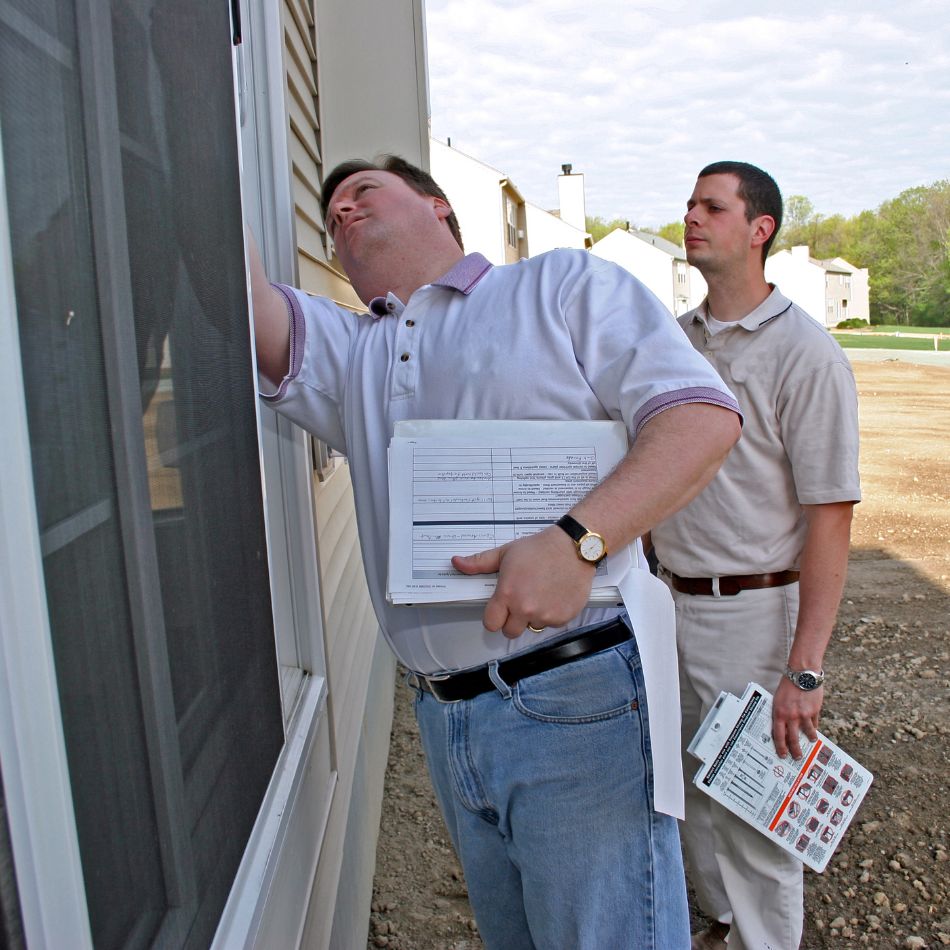
This home inspection checklist walks through each major area. It helps buyers know what matters most.
The exterior protects the home. It also protects everything inside.
The roof should be inspected carefully. Look for missing shingles. Look for curling or cracking. Check flashing around chimneys and vents.
Ask about the roof age. Roofs have a lifespan. Knowing the age helps with future planning.
Siding should be secure and intact. Look for cracks, rot, or warping. Wood trim should be solid, not soft.
Paint should not be peeling excessively. Peeling can allow moisture inside.
The foundation should appear solid. Small cracks can be normal. Large cracks may signal concern.
Water stains or damp areas matter. Ask about drainage and grading.
Windows should open and close easily. Doors should latch properly. Gaps may signal settling or moisture issues.
Check for broken seals or foggy glass.
Decks should feel sturdy. Railings should be secure. Wood should not show rot.
Steps should be even and safe.
The inside of the home tells a story. Pay attention to details.
Look for cracks or stains. Stains may signal past leaks. Cracks can be cosmetic or structural.
Floors should feel level. Sloping floors may need further review.
Interior doors should open smoothly. Windows should lock properly.
Check for drafts. Drafts impact comfort and energy costs.
Stairs should feel solid. Railings should be secure. Safety matters here.

The kitchen is one of the most used spaces.
Inspectors usually check built in appliances. They test basic functions. This includes ovens, dishwashers, and ranges.
Ask about appliance age when possible.
Cabinets should be secure. Look under sinks for leaks. Check counters for cracks or damage.
Run the water. Check pressure. Look for leaks below sinks.
Drainage should be smooth.
Bathrooms handle moisture daily. Moisture control matters.
Toilets should flush properly. Faucets should not drip. Showers should drain well.
Leaks under vanities matter.
Bathrooms need ventilation. Fans help reduce moisture. Poor ventilation can cause mold.
Check grout and caulk. Loose or missing areas may allow water damage.
Electrical systems impact safety and function.
Inspectors check the panel type. They note wiring concerns. Older homes may have outdated systems.
Ask if the system meets current standards.
Outlets should be grounded where required. Switches should function properly.
GFCI outlets are required in certain areas.
Water is essential. Plumbing issues can be costly.
Inspectors look for visible leaks. They note pipe materials. Some older materials may need updates.
Check the age of the water heater. Most last eight to twelve years.
Ask about capacity and condition.
Comfort matters in New Hampshire seasons.
Inspectors test basic operation. They note age and fuel type.
Ask about service history.
If present, air conditioning should function. Inspectors test temperature output.
Maintenance history matters here.
The attic impacts energy efficiency.
Proper insulation helps control energy costs. Inspectors note depth and type.
Ventilation helps prevent moisture buildup. Poor airflow can cause issues.
Below ground areas tell important stories.
Look for dampness or musty smells. Water intrusion should be addressed.
Inspectors look for beam and support concerns. Sagging or damage matters.

Some inspections include added tests.
Radon testing is common in New Hampshire. Elevated levels can be mitigated.
These should be present and working. Safety matters for every buyer.
Inspection reports can feel overwhelming. Take your time.
Focus on major items first. Safety issues matter most. Structural concerns matter next.
Cosmetic issues are common. Do not panic over small items.
Your REALTOR can help review the report. They can explain what matters.
Inspections create options.
Buyers can request repairs. Buyers can request credits. Buyers can adjust terms.
Not every item needs negotiation. Focus on big picture concerns.
In competitive markets, strategy matters. Your agent helps guide this step.
Older homes are common in Southern NH. Older homes can still be great homes.
Expect some wear. Focus on function and safety.
Weather impacts homes here. Snow, rain, and cold take a toll.
This makes inspections even more important.
South Hudson houses for sale offer great neighborhoods. Southern NH houses for sale attract many buyers.
Homes move fast. Preparation helps.
Knowing your home inspection checklist gives you confidence. Confidence helps you compete.
Your REALTOR does more than schedule the inspection.
They attend with you. They help explain findings. They help negotiate next steps.
They also connect you with trusted inspectors.
This guidance is valuable, especially for first time buyers.
Buying a home is a big step. It should feel exciting, not scary.
A strong home inspection checklist gives you clarity. It helps you plan. It helps you protect your investment. No home is perfect. The goal is understanding.
When you know what you are buying, you move forward with confidence. If you are exploring South Hudson houses for sale or Southern NH houses for sale, inspections matter.
Take your time. Ask questions. Lean on your REALTOR. You deserve to feel confident when you buy a home.
If you need more information on a home inspection checklist, or are ready to sell your house give us a call at (603) 883-8840. You can also sign up for your dream home search or reach out to Our Agents for more information. We’d love to help you with your real estate needs.