
Tag Archives for " New Hampshire real estate "

If you are thinking about selling, you are not alone. Many homeowners are looking at the market and asking what comes next. Right now, homes for sale in New Hampshire are in demand, which is great news for sellers. Buyers are still active, and inventory is often low. That means you may have a strong chance to sell at a great price.
At the same time, selling is more than putting a sign in the yard. It takes a smart plan, strong marketing, and a clear understanding of the market. For example, if you are thinking about Pelham houses for sale or even Southern NH Houses for sale, your strategy may look a little different based on location. However, the goal stays the same. You want to attract serious buyers and get the best return.
First, let’s talk about demand. Many buyers want to live in New Hampshire because of its quality of life. There are great schools, beautiful scenery, and easy access to nearby cities. Because of this, homes continue to sell well across many towns.
In addition, low inventory helps sellers. When there are fewer homes on the market, buyers compete more. This can lead to stronger offers and better terms. As a result, sellers often feel more confident listing their property.
However, not every home sells fast. Condition, price, and location still matter. Even in a strong market, buyers are careful. They compare homes and look for value. That is why preparation is key.
Before you list your home, it is important to make a strong first impression. Buyers often decide how they feel within seconds. Because of that, small updates can make a big difference.
Start with cleaning and decluttering. A clean home feels bigger and more inviting. Next, focus on simple updates like fresh paint and minor repairs. These steps are affordable, yet they add real value.
Curb appeal is also very important. When buyers pull up, they should feel excited. Trim bushes, mow the lawn, and add a few flowers if possible. Even small touches can boost interest.
For sellers looking at Pelham houses for sale, this step is especially helpful. Many buyers in Pelham are looking for move in ready homes. So, the better your home shows, the more attention it will get.
Pricing is one of the most important parts of the process. If your home is priced too high, buyers may skip it. If it is priced too low, you could leave money on the table.
A smart pricing strategy looks at recent sales, current listings, and market trends. This is often called a comparative market analysis. It helps you understand what buyers are willing to pay.
In addition, pricing can create momentum. A well priced home can attract more buyers right away. That may lead to multiple offers, which is ideal for sellers.
When working with Southern NH Houses for sale, pricing can vary by town. For example, homes closer to major highways or job centers may sell faster. Therefore, local knowledge is key.

Today, most buyers start their search online. Because of this, strong marketing is a must. High quality photos are one of the most important tools. Bright, clear images help your home stand out.
Next, listing descriptions should be clear and inviting. They should highlight key features like updated kitchens, large yards, or great locations. At the same time, they should feel natural and easy to read.
Social media also plays a big role. Many buyers scroll through listings every day. A well placed post can bring more eyes to your home. In addition, email marketing can reach active buyers quickly.
If you are selling homes for sale in New Hampshire, the right marketing plan can make a huge difference. It helps your home reach more buyers and increases your chances of a strong offer.
Open houses and private showings give buyers a chance to connect with your home. This is where they picture their life in the space. Because of that, presentation matters.
Keep your home clean and organized at all times. You never know when a buyer may want to visit. Also, try to make showings easy to schedule. The more flexible you are, the more buyers you will attract.
During open houses, it helps to create a welcoming feel. Open curtains, turn on lights, and keep the space fresh. These small steps can make a big impact.
Once offers start coming in, it is time to review them carefully. Price is important, but it is not the only factor. Terms like financing, inspection, and closing date also matter.
For example, a cash offer may be more secure. However, a financed offer with strong terms can also be a great choice. It depends on your goals.
Negotiation is where strategy comes in. You may receive one offer or several. Either way, it is important to stay calm and make informed decisions. A skilled agent can help guide you through this step.
Pelham is a popular town in Southern New Hampshire. It offers a quiet setting with easy access to Massachusetts. Many buyers are drawn to its community feel and location.
For sellers, this is a great advantage. Homes in Pelham often attract buyers who want more space and a peaceful setting. At the same time, they still want a reasonable commute.
If you are preparing Pelham houses for sale, highlight what makes the town special. Talk about local parks, schools, and nearby amenities. Buyers love to learn about the lifestyle, not just the home.
In addition, timing can play a role. Spring and early summer are often busy seasons. However, homes can sell year round with the right approach.
Even in a strong market, mistakes can slow down your sale. One common mistake is overpricing. While it is natural to aim high, pricing too high can turn buyers away.
Another mistake is skipping preparation. A home that needs work may sit longer on the market. In contrast, a well prepared home often sells faster.
Also, poor marketing can hurt your results. Low quality photos or weak descriptions may not attract buyers. That is why working with a professional matters.
Finally, being too rigid with showings can limit your opportunities. The easier it is to see your home, the better.
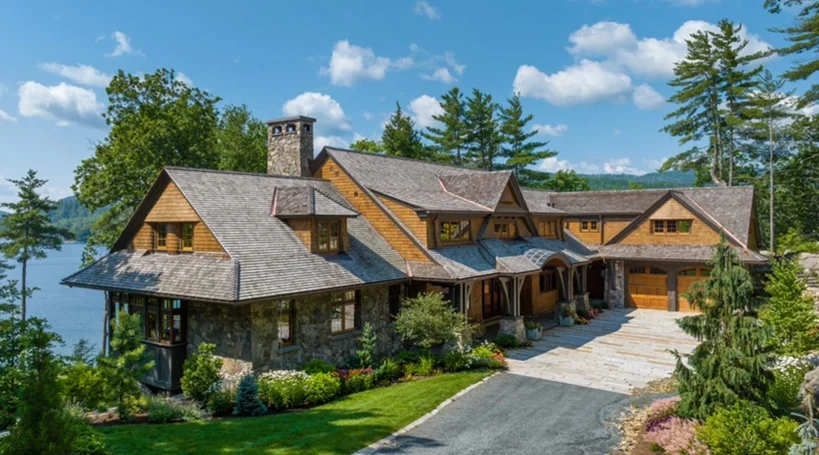
Timing can affect how fast your home sells and the price you receive. Spring is often the busiest season. Buyers are active, and the weather helps homes show well.
However, fall and winter also have serious buyers. While there may be fewer people looking, those who are tend to be motivated. That can work in your favor.
For homes for sale in New Hampshire, the key is to be ready when the time feels right for you. A strong plan can help you succeed in any season.
Selling a home is a big step. Because of this, having the right support matters. A local real estate expert understands the market and knows how to position your home.
They can help with pricing, marketing, and negotiation. In addition, they can guide you through each step of the process. This makes the experience smoother and less stressful.
For sellers looking at Southern NH Houses for sale, local knowledge is especially important. Each town has its own trends, and small details can impact your sale.
Selling your home can feel overwhelming at first. However, with the right plan, it becomes much more manageable. Focus on preparation, pricing, and marketing. These steps will set you up for success.
Whether you are thinking about Pelham houses for sale or exploring Southern NH Houses for sale, the opportunity is there. Buyers are still looking, and well prepared homes are standing out.
As you move forward, remember that every home is unique. Your strategy should reflect your goals and your property. With the right approach, you can sell with confidence and achieve a great result
If you need more tips on homes for sale in New Hampshire, or are ready to sell your house give us a call at (603) 883-8840. You can also sign up for your dream home search or reach out to Our Agents for more information. We’d love to help you with your real estate needs.

Spring is here, and it is the perfect time to come together as a community. I am excited to invite you to our FREE Easter Bunny Event NH happening right here in Hudson at Harmony Real Estate. This event is more than a visit with the Easter Bunny. It's also a chance to connect, relax, and enjoy a fun time with people who live and work in the area.

Our Easter Bunny Event NH will take place on Saturday, April 4, 2026 from 2-4 PM at Harmony Real Estate located at 2 Winnhaven Drive in Hudson NH. This location is easy to find and offers a welcoming setting for everyone who attends. And it’s only five minutes away from Nashua. It’s right next to St Mary’s Bank and Soho’s Chinese Restaurant. The front of our building is on Lowell Road in Hudson with parking on Winnhaven Drive. Families, friends, neighbors, and pets are all invited to join the fun.


When you arrive, you will feel the warm and friendly energy right away. Kids can meet the Easter Bunny and enjoy the excitement. Adults can enjoy a relaxed afternoon in a small setting. If you don’t want to stay long that will even be possible with short waiting lines. Pets are welcome, if you’d like to get some photos of your furry friends, which makes this event even more special and inclusive.
To make this Easter Bunny Event NH the best it can be, We are asking that you sign up in advance. This helps us plan for Easter baskets, treats, and fun surprises for everyone. I want to make sure every guest feels included and has a great experience.
Signing up is quick and easy. It also helps ensure we have enough goodies for every child, adult, and even your pets. As a result, everyone can enjoy the event without missing out. Simply reach out or use the sign up link provided so we can save your spot.
Events like this Easter Bunny Event NH bring people together in a real and meaningful way. They help build strong connections and create a true sense of community. When people feel connected, they feel at home.
As a local real estate professional, I know how important that feeling is. Many buyers search for more than just a house. They want a neighborhood where they feel welcome and supported. That is one reason why Hudson houses for sale and Southern NH houses for sale continue to attract buyers who value community.
If you are thinking about moving, this Easter Bunny Event NH is a great way to explore Hudson. You can meet local residents, see the area, and get a feel for daily life. It is a simple and natural way to picture yourself living here.
Southern New Hampshire offers charm, convenience, and strong communities. Many buyers are drawn to this area and the residents love calling Hudson home.

When you attend the Easter Bunny Event NH, you can expect a fun and relaxed experience. There will be photo opportunities, smiles, snacks and plenty of time to enjoy the moment. You can come anytime between 2 and 4 PM and stay as long (or as little) as you like.
The event is designed to feel easy and welcoming. Simple moments often become the ones people remember the most.




This Easter Bunny Event NH is also a chance for us to meet in person. Real estate is about relationships, trust, and understanding your goals. Events like this make those connections feel natural and comfortable.
If you have questions about buying or selling, I am always here to help. At the same time, there is no pressure at all and we can talk about Easter, the area or life in general. You can simply enjoy the event and take in the experience.
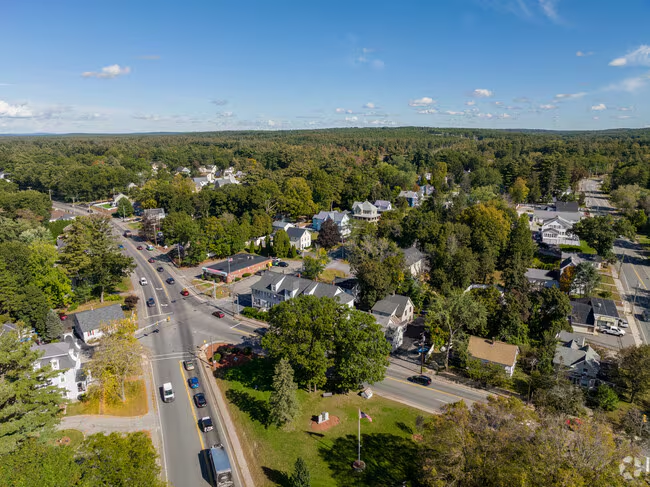
If you are a first time home buyer New Hampshire, you are stepping into an exciting new chapter. You may scroll through listings at night and picture your future. You might already be exploring Merrimack houses for sale and imagining your own front porch. At the same time, buying a house in NH can feel overwhelming without a clear plan. That is why this guide will walk you through every major step with confidence and clarity.
This is not a surface level overview. Instead, it is a practical conversation about money, mindset, strategy, and local insight. You deserve honest guidance as you search for affordable homes in New Hampshire. You also deserve real answers about mortgage options New Hampshire and down payment assistance NH programs. Let us break it down in a way that feels simple and empowering.
Owning a home shifts your financial story. Rent payments build someone else’s wealth. Mortgage payments build yours. Over time, that equity can become one of your strongest financial assets.
In New Hampshire, homeownership often brings long term stability. Communities value local pride and property care. Therefore, buying a house in NH can support both your lifestyle and your net worth.
As a first time home buyer New Hampshire, you also gain control. You choose paint colors. You plan upgrades. You shape your living space around your life. That sense of ownership builds confidence and pride.
Before you tour homes, pause and review your finances. This step creates power and direction. Begin by checking your credit score. A higher score often means better interest rates.
Next, review your monthly income and expenses. Calculate what feels comfortable, not just what a lender approves. Buying a house in NH should feel sustainable, not stressful.
Build a savings cushion as well. You need funds for closing costs and moving expenses. Even if you qualify for down payment assistance NH, extra savings provide peace of mind. When you understand your numbers, your search becomes focused and strategic.
Many buyers assume they must put twenty percent down. That belief stops people before they start. In truth, there are flexible mortgage options New Hampshire designed for first time buyers.
Conventional loans often allow lower down payments. FHA loans support buyers with moderate credit scores. VA loans provide strong benefits for eligible veterans. Each option carries unique guidelines and benefits.
As a first time home buyer New Hampshire, speak with a trusted local lender early. A pre approval letter strengthens your offer. It also clarifies your true price range. This knowledge prevents heartbreak and wasted time.
Understanding mortgage options New Hampshire gives you leverage. Instead of guessing, you act with precision and confidence.
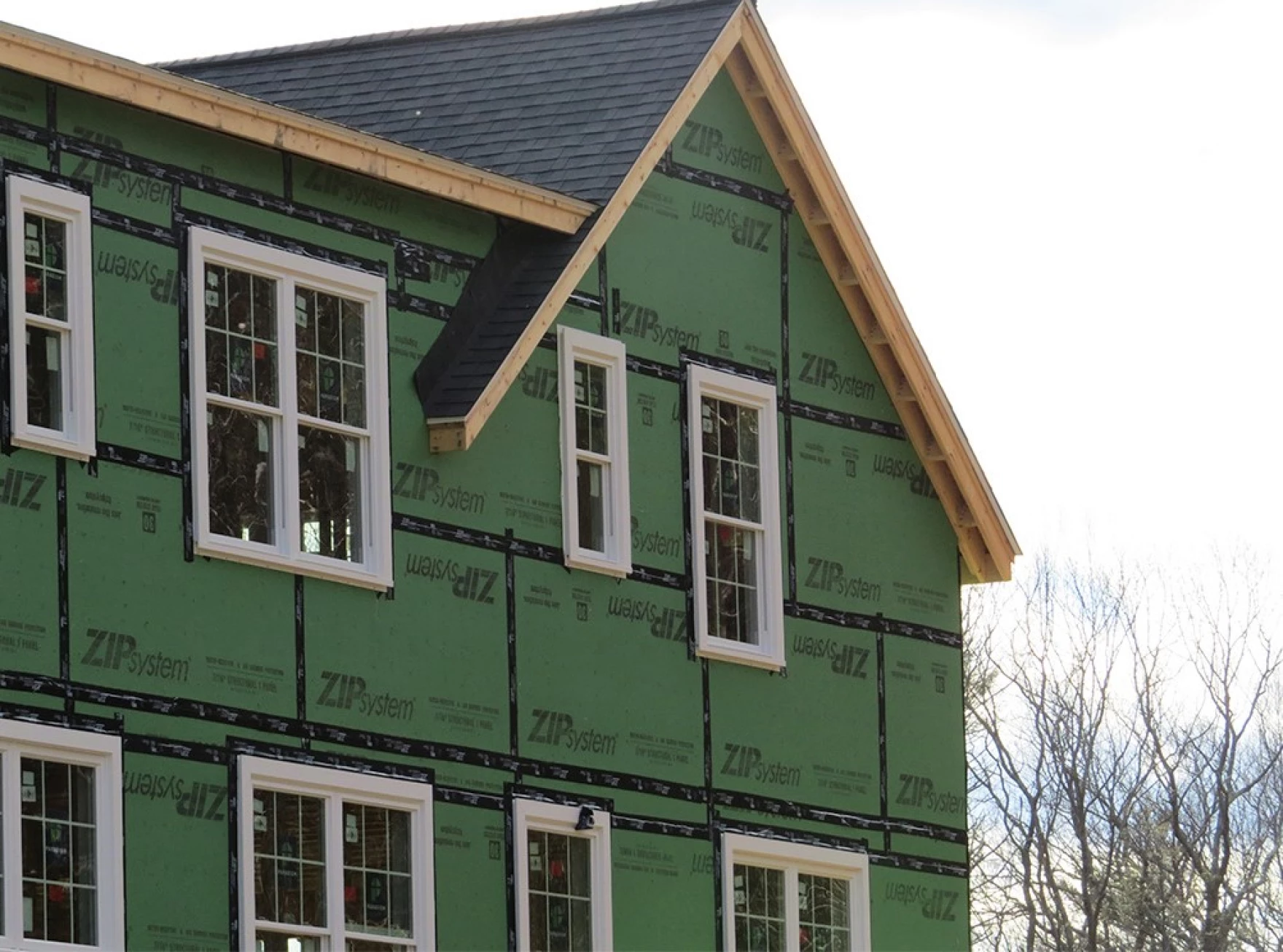
Saving for a down payment feels like a mountain for many buyers. However, down payment assistance NH programs can reduce that burden. Some programs offer grants. Others provide low interest secondary loans.
Eligibility often depends on income and location. Therefore, explore your options early in the process. Your lender and REALTOR can help you review available programs.
Down payment assistance NH can move your timeline forward. Instead of waiting years, you may qualify sooner than expected. Affordable homes in New Hampshire become realistic when you combine smart financing with assistance.
Do not assume you need a perfect financial profile. Many first time buyers qualify with proper guidance and preparation.
The New Hampshire housing market moves quickly in many towns. Inventory levels can tighten during peak seasons. Therefore, buying a house in NH requires preparation and speed.
Start by defining your must have features. Do you need three bedrooms or just two. Is a yard essential. How important is commute time. Clear priorities prevent emotional overspending.
As a first time home buyer New Hampshire, rely on market data. Your REALTOR will review comparable sales. They will analyze days on market and pricing trends. This insight shapes a competitive yet smart offer.
Buying a house in NH is both emotional and strategic. Balance your heart with solid numbers.
Merrimack offers a blend of convenience and charm. Located between Manchester and Nashua, it provides strong commuter access. Residents enjoy proximity to Route 3 and nearby retail centers.
The town features scenic parks and walking trails. Wasserman Park offers lake views and community events. Local schools and sports programs create a strong sense of belonging.
Merrimack houses for sale often attract buyers who value location and lifestyle. The area combines suburban comfort with access to major employment hubs. That balance makes it a popular choice for first time buyers.
As you review Merrimack houses for sale, consider both the property and the community. A home becomes more valuable when the neighborhood supports your daily life.
Some buyers fear that prices are too high. While certain markets feel competitive, there are still affordable homes in New Hampshire. Flexibility often unlocks opportunity.
You might explore smaller homes with room to grow. You may consider townhomes or condominiums. You could widen your search radius slightly.
Affordable homes in New Hampshire often require vision. Cosmetic updates like paint and flooring can transform a space. Over time, gradual improvements increase both comfort and value.
As a first time home buyer New Hampshire, focus on potential and location first. Upgrades can follow when your budget allows.
When you find the right home, your REALTOR drafts a formal offer. This document outlines price, contingencies, and timelines. Sellers review these terms carefully.
A strong offer includes your pre approval letter. It also reflects realistic pricing based on local data. In competitive areas, clean terms can strengthen your position.
Merrimack houses for sale may receive multiple offers during peak seasons. Therefore, preparation matters. A clear strategy helps you compete without overextending financially.
Stay calm during negotiations. Your agent advocates for your interests with professionalism and confidence.

After an accepted offer, inspections begin. A licensed inspector reviews the home’s structure, systems, and safety features. This step protects your future investment.
Inspection findings may reveal minor repairs. Most homes need some updates. Focus on major concerns first.
Buying a house in NH with proper inspections reduces risk. It also provides negotiation leverage if serious issues arise. This stage builds clarity and peace of mind before closing.
Closing costs include lender fees, title services, and prepaid taxes. Your lender provides an estimate early in the process. Review it carefully and ask questions.
Before closing day, complete a final walk through. Confirm the home’s condition matches expectations. Then prepare for document signing.
As a first time home buyer New Hampshire, closing day feels powerful. You sign paperwork and receive keys. This moment marks the start of ownership and long term wealth building.
Affordable homes in New Hampshire become stepping stones toward future financial growth when managed wisely.
Homeownership continues beyond closing day. Budget for maintenance and repairs. Even newer homes require upkeep.
Create a simple maintenance calendar. Change air filters regularly. Clean gutters seasonally. Protect your investment through proactive care.
Merrimack houses for sale often hold value due to strong demand and location. Proper maintenance protects that value. Over time, equity builds steadily.
As a first time home buyer New Hampshire, think long term. Each mortgage payment moves you closer to financial freedom.
If you are a first time home buyer New Hampshire, remember that preparation fuels confidence. Explore mortgage options New Hampshire with curiosity and intention. Review down payment assistance NH programs with your lender. Stay focused on affordable homes in New Hampshire that match your goals.
Buying a house in NH is a meaningful milestone. Whether you are reviewing Merrimack houses for sale or exploring nearby towns, trust the process. Merrimack houses for sale continue to attract buyers who value community and location. With expert guidance and a smart strategy, you can move from searching to owning as a confident first time home buyer New Hampshire.
If you need more tips on first time home buyer New Hampshire, or are ready to sell your house give us a call at (603) 883-8840. You can also sign up for your dream home search or reach out to Our Agents for more information. We’d love to help you with your real estate needs.
If you are a first time home buyer New Hampshire, you may feel excited and nervous at the same time. That is completely normal. Buying your first home is a big milestone and a powerful wealth building step. Many buyers start their journey by exploring Londonderry houses for sale and dreaming about a place to call their own. However, buying a house in NH takes planning, patience, and smart strategy.
This guide gives you a clear path forward. You will learn how to prepare financially, understand mortgage options New Hampshire, and explore down payment assistance NH programs. You will also discover how to compete for affordable homes in New Hampshire with confidence. Let us walk through this together in a simple and practical way.
Owning a home builds stability and pride. Instead of paying rent each month, you build equity. Over time, equity becomes wealth. That is one reason so many people choose buying a house in NH.
New Hampshire offers strong communities, great outdoor spaces, and steady housing demand. Therefore, property ownership often becomes a smart long term investment. While the market shifts, real estate tends to grow over time.
As a first time home buyer New Hampshire, you gain control over your space. You can paint the walls. You can plant a garden. You can create a life that feels grounded and secure. That emotional reward matters just as much as the financial benefit.
The first step is financial clarity. Before touring homes, review your income, savings, and credit score. Lenders look at these factors closely. Therefore, strong preparation increases your buying power.
Start by pulling your credit report. Pay down high interest debt if possible. Avoid opening new credit cards during this stage. These small actions can improve your loan terms.
Next, build your savings. You need funds for your down payment, closing costs, and moving expenses. Even if you qualify for down payment assistance NH programs, extra savings provide peace of mind.
When you understand your numbers, you feel empowered. Confidence replaces confusion. That confidence helps you act quickly when the right home appears.
Many buyers assume they need twenty percent down. That is not always true. Today, there are flexible mortgage options New Hampshire designed for first time buyers.
Conventional loans often require lower down payments than people expect. FHA loans offer competitive terms and flexible credit guidelines. VA loans support eligible veterans with powerful benefits.
Each loan type has pros and cons. Therefore, speak with a trusted local lender early in the process. A pre approval letter shows sellers you are serious and qualified. In a competitive market, that letter gives you strength.
As a first time home buyer New Hampshire, learning about mortgage options New Hampshire reduces fear. Knowledge replaces guesswork. You move forward with clarity and strategy.

Saving for a down payment feels overwhelming. However, many buyers qualify for down payment assistance NH programs. These programs support qualified buyers with grants or low interest second loans.
Some programs target income limits. Others focus on specific areas. Therefore, it is important to explore your eligibility early. Your lender and REALTOR can guide you.
Down payment assistance NH programs often make the difference between waiting and owning. Instead of delaying your dream for years, you may qualify sooner than expected.
Affordable homes in New Hampshire become more attainable when you combine smart financing with assistance programs. Do not assume you need to do it alone.
The New Hampshire housing market can move quickly. Inventory sometimes feels tight. Therefore, buying a house in NH requires preparation and decisiveness.
First, know your budget clearly. Then focus your search on homes within that range. When you tour properties, pay attention to layout, condition, and location. Try to separate emotion from impulse.
If you love a home, be ready to act. A strong offer includes your pre approval letter and realistic terms. Your REALTOR will guide your pricing strategy based on recent sales data.
Londonderry houses for sale often attract strong interest because of location and community appeal. Therefore, a clear plan gives you an edge. Speed and strategy win in competitive conditions.
Many buyers worry that prices are too high. While some areas command premium values, there are still affordable homes in New Hampshire. The key is flexibility.
You may need to adjust square footage expectations. You might consider townhomes or condos. You may look slightly outside your original target town.
Affordable homes in New Hampshire often require vision. Cosmetic updates can transform a space over time. Paint and flooring make a big impact without major renovation.
As a first time home buyer New Hampshire, focus on potential and location. You can upgrade finishes later. However, you cannot change the neighborhood.
Location drives value and lifestyle. Proximity to highways, shopping, and schools influences daily life. Therefore, spend time exploring neighborhoods before making an offer.
For example, Londonderry houses for sale attract buyers who want access to Route 93 and Manchester. Parks and local businesses add to the appeal. Understanding these factors helps you make a smart decision.
Drive through the area at different times of day. Notice traffic patterns. Visit nearby stores. Imagine your routine in that setting.
Buying a house in NH is not just about the property. It is about how that property fits your life.
Buying your first home feels powerful. You may feel pride, excitement, and even anxiety. These emotions are normal and healthy.
However, do not let emotion override logic. Set clear criteria before touring homes. Know your must haves and nice to haves. This structure keeps you grounded.
As a first time home buyer New Hampshire, you deserve both joy and wisdom. A calm, informed approach protects your financial future while honoring your dream.

Once your offer is accepted, inspections begin. A home inspection reviews structure, roof, plumbing, and electrical systems. This step protects your investment.
Inspections may reveal repairs. Do not panic. Most homes have minor issues. Your REALTOR will negotiate if needed.
Buying a house in NH with proper inspections reduces risk. It ensures you understand the condition before closing. That clarity builds confidence.
A skilled local REALTOR provides market insight and negotiation strength. They track new listings daily. They understand pricing trends.
As a first time home buyer New Hampshire, you benefit from expert guidance. Your agent explains paperwork clearly. They coordinate with lenders and attorneys. They keep deadlines on track.
Londonderry houses for sale may vary widely in price and condition. A local expert helps you compare fairly. That insight prevents costly mistakes.
Working with a professional turns stress into structure. You gain an advocate who protects your interests at every step.
Closing day feels exciting and surreal. You sign documents. You receive keys. You officially become a homeowner.
However, the journey does not end there. Budget for maintenance and savings. Build an emergency fund for repairs. Smart planning keeps your investment strong.
Affordable homes in New Hampshire can appreciate steadily with proper care. Routine upkeep protects value. Over time, you build equity and financial security.
As a first time home buyer New Hampshire, this moment marks the beginning of long term growth.
If you are a first time home buyer New Hampshire, remember that preparation creates power. Learn about mortgage options New Hampshire. Explore down payment assistance NH programs. Stay focused on affordable homes in New Hampshire that fit your budget and goals.
Buying a house in NH is not just a transaction. It is a life step filled with purpose and promise. Whether you are exploring Londonderry houses for sale or considering other towns, stay patient and strategic.
Your future home may already be waiting among Londonderry houses for sale or other great communities nearby. With the right guidance, smart financing, and clear goals, you will move from renter to confident first time home buyer New Hampshire. The journey may feel complex at first. Yet with expert support and a strong plan, buying a house in NH becomes an achievable and empowering reality.
If you need more tips on first time home buyer New Hampshire, or are ready to sell your house give us a call at (603) 883-8840. You can also sign up for your dream home search or reach out to Our Agents for more information. We’d love to help you with your real estate needs.
Becoming a first time home buyer New Hampshire is a big and exciting step. You may feel hopeful, proud, and a little nervous all at once. Many buyers start by browsing Litchfield houses for sale while learning how buying a house in NH really works. With the right plan and expert support, a first time home buyer New Hampshire can move forward with clarity instead of confusion.
This journey is about more than walls and a roof. It is about freedom, stability, and long term growth. Therefore, strong preparation creates powerful results. When you understand each stage, you gain confidence and peace of mind.
New Hampshire offers charm, natural beauty, and strong local communities. In addition, the state provides financial advantages that attract new buyers. Many people search for affordable homes in New Hampshire because they want value and lifestyle together.
Buying a house in NH allows you to build equity over time. Instead of paying rent, you invest in your future. As a result, your monthly payment supports long term wealth.
Litchfield houses for sale often attract first time buyers who want space and a neighborhood feel. At the same time, the town offers convenience to nearby cities. This balance makes it appealing and practical.
A first time home buyer New Hampshire often has many questions. That is completely normal and healthy. You may wonder about credit scores, loan types, and monthly payments.
However, education changes everything. Once you learn about mortgage options New Hampshire lenders offer, you feel more in control. Knowledge replaces fear with clarity.
Buying a house in NH involves steps, timelines, and teamwork. Therefore, staying informed helps you avoid stress. Each phase builds toward success.
Before touring homes, speak with a trusted lender. Pre approval shows sellers that you are serious and ready. In competitive markets, this gives you an edge.
Mortgage options New Hampshire buyers use include conventional loans, FHA loans, and VA loans. FHA loans often allow lower down payments. Conventional loans may reward strong credit.
In addition, down payment assistance NH programs may support qualified buyers. These programs can reduce upfront costs and open new doors. Therefore, always ask about current opportunities.
Affordable homes in New Hampshire become more reachable when you understand your numbers. Clear budgeting keeps you focused and confident.

Saving for a home takes discipline. However, small consistent steps create powerful progress. Review your spending and set realistic monthly goals.
Down payment assistance NH resources can work alongside your savings. Some programs offer grants, while others provide low interest loans. This support may shorten your path to ownership.
As a first time home buyer New Hampshire, you do not need perfection. You need a plan and steady effort. Over time, that effort becomes real opportunity.
Location shapes your daily life. Therefore, think about commute time, schools, and local amenities. Some buyers prefer quiet neighborhoods with larger lots.
Litchfield houses for sale appeal to buyers who value space and community charm. The town offers a peaceful setting with access to nearby services. That balance attracts many first time buyers.
Affordable homes in New Hampshire exist in various towns. Prices vary, yet opportunities remain with careful searching. Your REALTOR can guide you through current market data.
When visiting neighborhoods, notice traffic flow and nearby conveniences. These details matter long term.
Online searches are helpful, yet they are only the beginning. Work with a local REALTOR who provides accurate MLS access. This ensures you see real time listings.
Affordable homes in New Hampshire can sell quickly. Therefore, set up alerts and respond promptly. Preparation increases your chances of success.
Buying a house in NH requires flexibility. You may adjust your wish list as you explore options. Focus on layout, condition, and location first.
Litchfield houses for sale sometimes move fast due to demand. Staying organized helps you compete with confidence.
When you walk through a home, look beyond surface details. Paint colors can change, but structure matters. Focus on roof age, heating systems, and overall condition.
As a first time home buyer New Hampshire, ask direct questions. Understanding maintenance needs protects your budget. Your REALTOR will explain each feature clearly.
Buying a house in NH is emotional and financial. Therefore, balance excitement with logic. Smart decisions today support future stability.

When you find the right property, strategy becomes important. Your REALTOR reviews comparable sales and market trends. This data shapes a strong offer.
Mortgage options New Hampshire lenders approve influence your offer strength. A solid pre approval letter builds trust with sellers. Clear terms also matter.
Litchfield houses for sale may attract multiple buyers in active markets. Therefore, timely action and professional guidance make a difference. Still, stay within your comfort zone.
A first time home buyer New Hampshire should feel empowered, not pressured. Thoughtful choices create lasting satisfaction.
After your offer is accepted, inspections begin. A home inspection evaluates structure and major systems. This step protects your investment.
If concerns appear, your REALTOR helps negotiate solutions. Clear communication often leads to fair agreements. Most transactions continue smoothly.
Next comes the appraisal. The lender orders this to confirm market value. Affordable homes in New Hampshire typically appraise well when priced accurately.
Stay organized during this stage. Quick responses help keep the process on track.
Closing day represents a powerful milestone. You review documents and finalize your mortgage. Soon after, you receive the keys.
As a first time home buyer New Hampshire, this moment feels rewarding and emotional. Your planning and persistence pay off. You move from dreaming to owning.
Litchfield houses for sale have welcomed many first time buyers into homeownership. With preparation and guidance, you can reach that same goal.
Avoid major purchases before closing. Lenders review credit again before final approval. New debt can create delays.
Keep employment stable during the loan process if possible. Stability supports approval and confidence. Clear communication with your lender is essential.
Buying a house in NH requires patience and focus. Emotional decisions can lead to regret. Instead, rely on data and expert advice.
Down payment assistance NH programs also require attention to detail. Follow guidelines carefully and meet deadlines. Staying informed prevents surprises.
Homeownership builds equity over time. Each payment increases your ownership share. Meanwhile, property values may grow.
Affordable homes in New Hampshire often become valuable assets. Over years, appreciation may strengthen your financial position. This growth supports future goals.
Litchfield houses for sale continue to attract steady demand due to location and community appeal. Therefore, purchasing in a desirable area can support resale value.
For a first time home buyer New Hampshire, this means opportunity and pride. You build a foundation that supports your future.
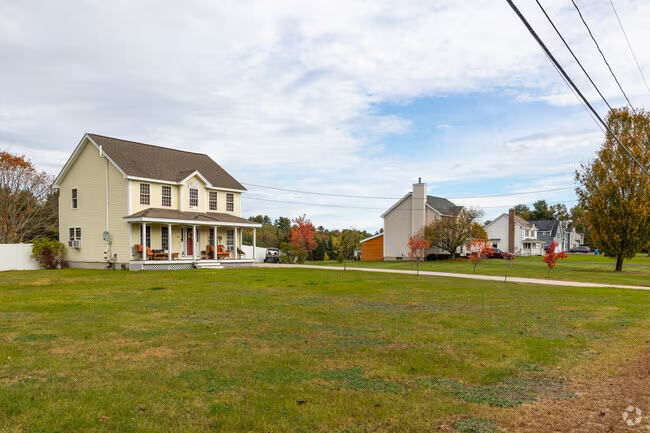
The real estate process includes contracts and deadlines. Therefore, expert support protects your interests. A knowledgeable REALTOR understands local trends and pricing.
Mortgage options New Hampshire programs can feel complex. However, professionals explain each step in simple terms. That clarity reduces stress.
Buying a house in NH becomes smoother with the right team. From negotiation to closing, guidance makes a real difference. Strong support creates confident buyers.
Your path as a first time home buyer New Hampshire begins with one clear step. Speak with a lender about mortgage options New Hampshire offers. Review down payment assistance NH programs that may support your goals.
Explore affordable homes in New Hampshire with realistic expectations and steady focus. If you are reviewing Litchfield houses for sale, study current listings and neighborhood trends carefully. With preparation, education, and trusted guidance, a first time home buyer New Hampshire can achieve lasting success, and Litchfield houses for sale may offer the ideal place to begin your exciting new chapter.
If you need more tips on first time home buyer New Hampshire, or are ready to sell your house give us a call at (603) 883-8840. You can also sign up for your dream home search or reach out to Our Agents for more information. We’d love to help you with your real estate needs.

If you are searching for homes for sale in Litchfield NH, you are looking in one of Southern New Hampshire’s most peaceful towns. Many buyers begin by browsing Litchfield homes for sale because they want space, privacy, and long term value. Right away, homes for sale in Litchfield NH stand out for their larger lots and quiet setting.
Litchfield offers a rural feel while staying close to major routes. Therefore, commuters can reach Nashua, Manchester, and even Massachusetts with ease. At the same time, daily life feels calm and grounded. That balance makes Litchfield homes for sale very appealing.
Buyers who review homes for sale NH often compare several towns. However, once they visit Litchfield, many decide it feels just right.
The real estate market here reflects steady demand and limited inventory. Real estate listings Litchfield NH often feature single family homes on generous parcels of land. As a result, buyers who value yard space and privacy take notice.
Local homes for sale Litchfield NH range from classic Colonials to updated Ranch homes. Some properties offer modern kitchens and open layouts. Others provide opportunity for updates and customization.
Houses for sale near Litchfield NH may sit closer to busier areas. In contrast, Litchfield itself delivers a more relaxed environment. That difference plays a big role in buyer decisions.
Because inventory can be limited, well priced homes often attract strong interest. Preparation and quick action help buyers compete confidently.
Lifestyle often drives the decision to move. Litchfield offers scenic roads, wooded areas, and open skies. Therefore, many buyers describe the town as peaceful and refreshing.
Litchfield homes for sale attract people who enjoy outdoor living. Large backyards allow for gardens, decks, and gatherings. This extra space creates freedom and comfort.
In addition, the town maintains a close knit community feel. Neighbors often know each other. That welcoming atmosphere adds emotional value beyond square footage.
When exploring homes for sale in Litchfield NH, consider how the setting fits your daily routine. Quiet mornings and evening walks may become part of your lifestyle.
Buyers often compare Litchfield to Nashua or Manchester. Homes for sale NH across these areas provide different experiences. Urban areas offer more activity, while Litchfield offers more space.
Local homes for sale Litchfield NH usually include larger lots than properties in nearby cities. Therefore, buyers seeking privacy often lean toward Litchfield. However, commuting remains manageable.
Houses for sale near Litchfield NH may cost less in some locations. Yet, buyers sometimes trade convenience for space. Weighing these factors helps clarify priorities.
Real estate listings Litchfield NH allow side by side comparisons. Reviewing data carefully ensures smart decisions.
Most homes for sale in Litchfield NH are single family residences. These properties often sit on one acre or more. As a result, homeowners enjoy room to grow.
You will find traditional Colonials with multiple bedrooms and attached garages. Ranch style homes provide one level living. Meanwhile, some newer properties offer modern open floor plans.
Litchfield homes for sale also include a small number of townhomes. These properties appeal to buyers seeking lower maintenance. However, single family homes remain the primary market.
Because inventory stays limited, each listing gains attention quickly. Staying informed gives buyers a clear advantage.

Pricing depends on size, updates, and location within town. Updated kitchens and bathrooms often increase value. Homes with finished basements may also attract strong offers.
Homes for sale NH across Southern New Hampshire have seen steady demand. Litchfield follows this pattern. Therefore, accurate pricing remains critical.
Real estate listings Litchfield NH provide recent sale data. Reviewing comparable properties helps buyers determine fair value. A knowledgeable REALTOR can interpret this information clearly.
When demand rises and inventory remains low, competition increases. Acting decisively becomes essential.
Before touring properties, secure mortgage pre approval. Sellers take pre approved buyers seriously. In competitive markets, this step strengthens your offer.
Next, monitor real estate listings Litchfield NH daily. New listings may appear without much notice. Quick scheduling can make a difference.
Local homes for sale Litchfield NH sometimes receive multiple offers. Therefore, understanding market pace is important. Your REALTOR will guide your strategy.
Homes for sale in Litchfield NH reward prepared buyers. Organization and communication support success.
When touring Litchfield homes for sale, look beyond decor. Focus on structure, heating systems, roof condition, and layout. These factors affect long term comfort and cost.
Ask questions about maintenance history and improvements. Clear information supports confident decisions. Your REALTOR will help interpret answers.
Houses for sale near Litchfield NH may offer similar layouts but different surroundings. Pay attention to traffic and noise levels. Environment shapes daily living.
Exploring homes for sale in Litchfield NH at different times of day reveals important details. Notice sunlight, neighborhood activity, and overall feel.
Once you find the right home, your REALTOR will review comparable sales. Data guides your offer price and terms. Emotion should not replace strategy.
Local homes for sale Litchfield NH sometimes move quickly. Therefore, strong financing and clear communication matter. A thoughtful yet decisive approach increases success.
Homes for sale NH in desirable towns often attract serious buyers. Understanding this reality helps you prepare mentally. Patience and flexibility support smart outcomes.
Real estate listings Litchfield NH provide valuable background, yet professional insight brings clarity.
After an accepted offer, schedule a home inspection promptly. This step protects your investment and reveals potential concerns. Addressing issues early prevents future surprises.
If repairs arise, negotiation often follows. Clear and respectful communication leads to solutions. Most transactions proceed smoothly with cooperation.
Closing day arrives once financing and appraisal are complete. You sign documents and receive your keys. That milestone feels rewarding and meaningful.
Litchfield homes for sale have helped many families build long term stability. With preparation and guidance, your experience can feel just as positive.
Homeownership builds equity over time. Each payment strengthens your financial foundation. Meanwhile, demand for homes for sale in Litchfield NH supports long term value.
The town’s limited inventory and desirable setting create stability. Buyers often stay for years. This consistency supports resale potential.
Houses for sale near Litchfield NH may fluctuate more with market changes. However, Litchfield’s unique charm remains steady. That appeal protects investment value.
When you choose wisely, you invest in both lifestyle and financial growth.
A local REALTOR understands pricing trends and neighborhood nuances. They monitor real estate listings Litchfield NH daily. Therefore, you gain up to date insight.
Local homes for sale Litchfield NH require careful evaluation. Each property offers different strengths. Professional guidance clarifies those differences.
Homes for sale NH across the region compete for attention. However, working with a knowledgeable agent ensures you do not miss key opportunities.
Clear advice, honest feedback, and strong negotiation skills create confidence. That support transforms the buying experience.
Exploring homes for sale in Litchfield NH opens the door to space, privacy, and lasting value. Buyers who compare homes for sale NH often return to Litchfield for its peaceful setting. Litchfield homes for sale continue to attract those seeking balance between rural charm and commuter access.
Real estate listings Litchfield NH provide valuable data, yet local expertise brings it to life. Whether you are reviewing local homes for sale Litchfield NH for yard space or comparing houses for sale near Litchfield NH for convenience, the right guidance makes a difference. In the end, homes for sale in Litchfield NH and Litchfield homes for sale offer opportunity, comfort, and the chance to build a future in a town that truly feels like home.
If you need more tips on homes for sale in Litchfield NH, or are ready to sell your house give us a call at (603) 883-8840. You can also sign up for your dream home search or reach out to Our Agents for more information. We’d love to help you with your real estate needs.

Becoming a first time home buyer New Hampshire is exciting and a little scary at the same time. You may be thinking about budgets, loans, and where to live. You may also be exploring South Nashua houses for sale while wondering if now is the right time. The good news is that buying a house in NH can be simple when you follow clear steps and have the right support.
First time buyers often feel overwhelmed at first. However, once you understand the process, things feel much more manageable. With planning and expert guidance, you can move forward with confidence. That is where preparation makes all the difference.
New Hampshire offers strong communities and beautiful scenery. In addition, the state provides great schools, parks, and local businesses. Many buyers search for affordable homes in New Hampshire because they want value and lifestyle together.
Buying a house in NH also gives you long term stability. Instead of paying rent, you build equity over time. As a result, you create financial growth while enjoying your own space. That is powerful for any first time home buyer New Hampshire.
Furthermore, many towns offer different price points. Some buyers focus on South Nashua houses for sale because of location and commuting options. Others prefer smaller towns with quiet neighborhoods. Either way, New Hampshire offers choices.
The first step is understanding your budget. Before you tour homes, speak with a trusted lender. This helps you learn about mortgage options New Hampshire buyers can use. Pre approval shows sellers you are serious and ready.
Next, review your income and monthly expenses. Look at savings and credit score as well. Strong credit often leads to better loan terms. Therefore, take time to review your finances carefully.
Buying a house in NH becomes easier when you know your numbers. You avoid stress and focus only on homes within reach. That clarity brings confidence.
Many first time buyers think they need twenty percent down. However, that is not always true. Mortgage options New Hampshire lenders offer include FHA, conventional, and VA loans.
FHA loans often require lower down payments. Conventional loans may work well if you have solid credit. Meanwhile, VA loans help eligible veterans and service members.
In addition, some programs focus on first time buyers. These programs often provide flexible credit guidelines. As a result, more buyers can qualify for affordable homes in New Hampshire.
Talk with your lender about each option. Ask about interest rates and monthly payments. Compare carefully so you choose wisely.
Saving for a down payment can feel like the hardest part. However, down payment assistance NH programs can help. These programs may offer grants or low interest second loans.
For many first time home buyer New Hampshire clients, this support changes everything. Instead of waiting years, they move forward sooner. That can be life changing.
In addition, some programs help with closing costs. Therefore, ask your lender and REALTOR about current options. Guidelines can change, so up to date information matters.
With smart planning and down payment assistance NH resources, homeownership becomes realistic and achievable.
Location shapes your daily life. Therefore, think about work commute, schools, and lifestyle. Some buyers love being near shopping and highways. Others want quiet streets and more space.
South Nashua houses for sale often attract buyers who commute to Massachusetts. The location offers convenience and access. At the same time, neighborhoods feel welcoming and established.
Affordable homes in New Hampshire exist in many areas. However, prices vary by town and neighborhood. Your REALTOR can help you compare options clearly.
When you explore homes, visit at different times of day. Notice traffic, noise, and overall feel. That helps you make a smart long term choice.

Online searches are a great place to begin. However, not every listing site shows accurate data. Therefore, work with a local REALTOR who provides full MLS access.
Affordable homes in New Hampshire can move quickly. As a result, you need alerts and fast communication. When the right property appears, you want to see it right away.
Create a list of must have features. For example, think about bedrooms, bathrooms, and yard size. Then consider features that are nice but not required.
Buying a house in NH means balancing wants and needs. Flexibility often leads to better results. At the same time, never ignore your core priorities.
Once you start touring, pay attention to layout and condition. Look beyond paint colors and decor. Focus on structure, roof, heating system, and windows.
As a first time home buyer New Hampshire, ask questions freely. There is no such thing as a silly question. Your REALTOR is there to guide you.
In competitive markets, homes may receive multiple offers. Therefore, stay prepared and responsive. Quick decisions sometimes matter.
Still, never rush blindly. A thoughtful approach protects your investment. Smart buyers stay calm and informed.
When you find the right home, your REALTOR will help craft an offer. Offer price matters, but terms matter too. Sellers look at financing strength and flexibility.
If you are buying a house in NH in a busy market, strong pre approval helps. In addition, clear communication keeps things smooth.
South Nashua houses for sale sometimes attract multiple buyers. Therefore, strategy becomes important. Your agent will review comparable sales and market trends.
A well structured offer increases your chances of success. At the same time, stay within your budget. Smart decisions today protect your future.
After your offer is accepted, inspections begin. A home inspection reviews major systems and structure. This step protects you from surprises.
If issues appear, your REALTOR helps negotiate solutions. Sometimes sellers agree to repairs or credits. Clear communication leads to fair outcomes.
Next comes the appraisal. The lender orders this to confirm value. Most affordable homes in New Hampshire appraise without issue when priced correctly.
Stay organized during this stage. Provide documents quickly when requested. Smooth communication keeps closing on track.
Closing day feels exciting and emotional. However, preparation reduces stress. Review documents carefully before signing.
Your lender provides final loan details. Make sure numbers match your expectations. Ask questions if anything seems unclear.
As a first time home buyer New Hampshire, this moment represents achievement. You move from planning to ownership. That is a powerful milestone.
Once you receive the keys, celebrate responsibly. You earned this success through preparation and smart choices.

Some buyers change jobs during the loan process. That can delay approval. Therefore, keep employment stable until after closing.
Others make large purchases before closing. Avoid new debt, including cars or furniture. Lenders recheck credit before final approval.
Buying a house in NH requires patience. Emotional decisions can cause regret. Instead, rely on data and professional advice.
Also, avoid skipping inspections. Even newer homes need evaluation. Protecting your investment always matters.
Homeownership builds equity over time. Each payment reduces your loan balance. Meanwhile, property values may grow.
Affordable homes in New Hampshire often become valuable long term assets. Therefore, think beyond today’s price. Consider future appreciation and community growth.
South Nashua houses for sale have shown steady demand over the years. Location and convenience drive interest. As a result, buyers often see strong resale potential.
For a first time home buyer New Hampshire, this means stability and opportunity. You create a foundation for your financial future.
The process includes contracts, deadlines, and negotiations. Therefore, expert support protects you. A knowledgeable REALTOR explains each step clearly.
Mortgage options New Hampshire lenders offer can feel complex. However, professionals simplify the details. That clarity builds confidence.
In addition, REALTORS understand local trends. They analyze comparable sales and pricing patterns. This insight helps you avoid overpaying.
Buying a house in NH should feel empowering, not confusing. The right team makes that possible.
Every journey starts with a single step. First, speak with a lender about mortgage options New Hampshire programs provide. Next, connect with a local REALTOR who understands your goals.
Explore affordable homes in New Hampshire with realistic expectations. Stay open minded and focused. Ask questions and stay informed.
If you are considering South Nashua houses for sale, review current listings and market trends carefully. With preparation and expert advice, a first time home buyer New Hampshire can succeed with clarity and confidence. Your path to homeownership in New Hampshire starts now, and South Nashua houses for sale may offer the perfect place to begin.
If you need more tips on first time home buyer New Hampshire, or are ready to sell your house give us a call at (603) 883-8840. You can also sign up for your dream home search or reach out to Our Agents for more information. We’d love to help you with your real estate needs.

Many people dream about leaving their regular job and building a life filled with more freedom and financial stability. The truth is that many have already done it through real estate investing. This path can feel exciting and life changing once you understand how it works. The steps are simple but they must be followed with patience and focus. You can turn your interest in property into a full time business that supports your goals. This includes investing in local areas such as South Hudson houses for sale or other popular Southern NH houses for sale.
Real estate offers many ways to grow your income. Some investors choose rental properties. Some flip homes for profit. Others explore short term rentals or commercial buildings. When you learn the basics and build skills over time, you can create a business that grows with you. It does not matter if you are starting small. What matters is learning, planning, and taking steps every week.
Real estate can feel rewarding because it creates both short term income and long term value. You are building something real that stands on the land. People will always need places to live and work. This is why real estate stays strong in almost every economy. Property also grows in value over time which helps investors build wealth.
Another reason this field works is the flexibility. You can begin small with one rental. You can buy a fixer upper and make a profit. You can work part time while learning the ropes. As you feel more comfortable you can grow your business slowly or quickly. Many investors reach a point where they feel ready to go full time because the income becomes steady.
Real estate also creates emotional satisfaction. Investors enjoy helping families find homes. They enjoy improving neglected properties. They enjoy watching tenants thrive. It is a business that can feel personal which encourages loyalty and pride.
Every strong real estate career begins with knowledge. You need to understand what makes a property valuable. You need to learn how rental income works. You need to know local market trends. Luckily these things are easy to learn with practice.
Start by studying your local area. Look at prices in Nashua, Hudson, Londonderry, and other Southern NH towns. Pay attention to days on market and average rent. Notice which neighborhoods grow quickly. This simple research will help you make smarter choices later.
It also helps to understand common terms used in real estate investing. These include cash flow, equity, appreciation, cap rate, and return on investment. Learning these terms may feel strange at first but they become natural with use. You can read books, attend local seminars, or watch online videos. Make time each week to practice your skills.
Surround yourself with people who already invest. This can be through local real estate groups, networking events, or community meetings. Ask questions and learn from their experiences. Most investors enjoy helping beginners because they remember what it felt like to start.
There are many ways to invest because different personalities enjoy different strategies. You can decide which path fits your skills and comfort level.
Many investors choose long term rental homes because they create steady monthly income. Rental homes can be single family homes, condos, or even small multi family buildings. You earn money each month while your tenant pays down the loan. You also earn value as the property increases in price.

Some investors buy older homes that need repairs. They make improvements then sell for a profit. This path can earn larger paychecks but the risk can feel higher. It requires good contractors, strong budgets, and smart planning.
Short term rentals can work well in tourist areas or busy towns. These properties are rented for days or weeks. They can earn more than traditional rentals but require more hands on management.
Commercial real estate includes office buildings, retail centers, and warehouses. These properties often have higher income but require more knowledge. Many investors enter this field later in their career.
The best path is the one that feels comfortable to you. There is no wrong place to start. Many full time investors begin by purchasing one rental home in their town. For example, investing in South Hudson houses for sale can be a great first step because the area stays in high demand.
Real estate feels easier when you are not alone. A solid team can support your career and help you grow safely. This includes a REALTOR who knows the local market. It includes a trustworthy lender who offers smart financing options. It includes contractors, inspectors, attorneys, insurance agents, and property managers.
Your REALTOR becomes one of your most valuable partners. They help you find strong deals. They help you understand neighborhood trends. They help you negotiate fair prices. They also help you avoid mistakes. A REALTOR with Southern NH experience can guide you to homes that appreciate well.
A good lender helps you secure financing for each deal. They explain different loan types and show which options fit your income and goals. They help you plan your credit and your future purchases.
Contractors help you repair and upgrade properties. Inspectors help you avoid hidden problems. Attorneys help you understand legal paperwork. Insurance agents help you protect your investments.
When you have a strong team, you feel more confident and ready to take bigger steps.

Real estate investing requires money but you do not need to be wealthy to begin. Many investors start with low down payment loans. Some use FHA loans. Some use conventional loans with small down payments. Others use creative financing such as seller financing or private lenders.
You can also use equity from your current home to make your first purchase. Homeowners in New Hampshire often have strong equity because prices have grown. Using equity wisely can help you buy your first rental or flip property.
It is important to understand your monthly expenses. You should know your mortgage payment, taxes, insurance costs, and repair budgets. When these numbers are clear, you can plan your income correctly. You will understand how much rent you need to make the property profitable.
The better you understand your money, the smoother your transition into full time real estate investing will feel.
Full time real estate investors follow habits that keep their business strong. They check new listings each day. They study market changes. They visit open houses. They run numbers on possible deals. These habits keep their minds active and ready for action.
Investors also track their income and expenses. They monitor tenant issues and property conditions. They keep legal documents organized. They communicate clearly with their team. They plan ahead for maintenance and renovations.
Real estate investing becomes a full time career when you treat it like one. You do not need to work twenty four hours a day. You simply need a steady routine. Over time these habits create structure and help your business grow.
Investing can feel exciting but also a little stressful at times. You may worry about making mistakes. You may feel nervous during negotiations. You may second guess yourself before buying your first property.
These feelings are normal. Every full time investor felt them at the start. The key is to move slowly and stay educated. Celebrate your small wins. Learn from your challenges. Over time your confidence will grow and decisions will feel easier.
Real estate also brings joy. You help families find rentals. You improve neighborhoods by updating homes. You build a business that supports your dreams. This emotional reward keeps many investors motivated.
Every investment includes some level of risk. Your goal is to control that risk. You do this through research, education, and planning. You also do this by keeping savings available for unexpected repairs.
Real estate usually becomes safer the longer you hold it. Property values grow. Mortgage balances drop. Rental income increases. When you plan for the long term, risk becomes smaller.
Many full time investors begin small to stay safe. They buy one home. They learn how to manage tenants. They build confidence. Then they buy another. This steady growth helps reduce risk and builds wealth at the same time.
Southern New Hampshire remains a very strong area for new and experienced investors. Cities such as Nashua, Hudson, Londonderry, and Manchester attract renters and buyers year round. These areas offer good jobs, strong schools, and easy travel to Boston. This keeps demand high for rental homes.
Investors often enjoy stable results in towns like Hudson. South Hudson houses for sale remain popular because they offer great value and comfort. These neighborhoods make long term rentals easy to fill. They also give investors dependable appreciation.
Southern NH houses for sale offer many opportunities for flips and rentals. Many homes are older and ready for updates. These projects can increase value and create strong returns.
When you choose to become a full time investor, it helps to build a brand. This does not need to feel complicated. It simply means presenting yourself as a professional who cares about quality.
You can create a simple website or social media page that shares your work. You can post photos of your renovations and rented homes. You can share real estate tips that help others. Over time people will recognize your name and trust your business.
A strong brand helps you find deals more easily. Sellers will reach out to you. Buyers will ask for your help. Other investors will want to partner with you. This becomes a powerful part of your long term success.
There is no perfect moment where a sign appears and tells you to quit your job. You will know you are ready when your income feels steady and your confidence feels strong. Most investors feel prepared once they have at least two or three successful properties.
Before going full time, make sure your financial safety net is strong. Keep savings available for repairs and slow months. Create a plan for your next five deals. Review your goals and update your budget.
You will feel a mix of excitement and nervousness. This is normal. That feeling means you are stepping into something meaningful. With time, your business will grow and your confidence will increase.

Turning your passion for real estate investing into a full time career is possible when you build knowledge, create habits, and surround yourself with strong partners. The journey takes patience but it also brings excitement and pride. When you choose the right properties such as Southern NH houses for sale or South Hudson houses for sale, you create long term stability.
The best part is that you can shape your career to fit your life. You can grow slowly or quickly. You can focus on rentals or flips. You can adjust your plan whenever needed. When you use the principles of real estate investing with care, your future becomes brighter and more secure.
This path has already changed the lives of many investors. It can change yours too. With courage, focus, and the right guidance, you can build a full time real estate career that feels rewarding every single day.
If you need more tips on real estate investing, or are ready to sell your house give us a call at (603) 883-8840. You can also sign up for your dream home search or reach out to Our Agents for more information. We’d love to help you with your real estate needs.

Top home security cameras play a growing role in how buyers feel about a home. Safety, comfort, and peace of mind now guide many real estate decisions. In New Hampshire, buyers often ask about smart security before making offers. This comes up often when viewing South Nashua houses for sale and Southern NH Houses for sale. Because of this, understanding camera options helps sellers and buyers feel confident.
Home security cameras feel less complex than before. Many systems now install easily and work right away. They also blend into the home without distraction. For homeowners, these systems add daily comfort. For buyers, they signal care and modern living.
Security affects how people feel inside a home. Buyers want to feel safe the moment they walk in. A visible camera system creates trust and reassurance. Therefore, homes with security features often feel more appealing.
In real estate, perception matters. Even simple systems can improve first impressions. Buyers see cameras as a sign of smart ownership. As a result, listings with security features often gain more interest.
In New Hampshire markets, safety ranks high for families and retirees. Buyers want peace of mind in every season. Because winters bring longer nights, security feels even more important.
Top home security cameras do more than watch doors. They support lifestyle and property value. Buyers see them as practical upgrades, not luxury extras. This mindset helps listings stand out.
Cameras can lower insurance costs in some cases. They also help owners monitor property when away. Because of this, cameras support both financial and emotional value.
For sellers, leaving a system in place can help negotiations. Buyers feel they gain something extra. That feeling often leads to stronger offers.

Storage options matter to buyers. Cloud storage offers easy access and backup. Local storage appeals to those who value privacy.
Buyers ask how long footage stays available. They also ask who can access it. Clear answers help build confidence.
Privacy settings matter too. Cameras should respect neighbors and family spaces. Responsible setup supports trust and peace of mind.
Some camera styles stand out to buyers. Doorbell cameras remain very popular. They offer convenience and security in one device.
Bullet cameras cover wide outdoor areas. Dome cameras feel discreet and professional. Each style serves a different need.
Buyers appreciate when sellers explain these choices. Simple guidance helps them see value. This clarity supports better decisions.
Families value safety above most features. Cameras help parents feel calm. They also help kids feel protected.
Seeing activity around the home builds awareness. Alerts notify parents of movement. This support feels reassuring during busy schedules.
In family focused areas, security matters more. Buyers exploring South Nashua houses for sale often ask about safety features. Cameras help answer those concerns.
Security cameras also reflect neighborhood care. They show pride and awareness. This can influence buyer perception of the area.
When many homes have cameras, buyers feel safer. This sense of community matters. It also supports property values.
In Southern NH Houses for sale for sale, buyers often notice these details. Small signs of care add up during decision making.

Landlords use cameras to protect property. They also help manage rentals from afar. This adds efficiency and oversight.
Tenants appreciate secure buildings. Clear rules and visible cameras build trust. However, privacy must remain respected.
For investors, cameras protect income and assets. They also reduce risk. This makes them a smart addition to rentals.
New Hampshire weather affects camera choice. Cold winters demand durable equipment. Cameras must handle snow and ice.
Buyers ask about temperature ratings. They want systems that work year round. Because of this, quality matters.
Sellers who choose weather ready cameras gain an edge. These systems feel reliable and thoughtful.
Easy installation matters to buyers. Many prefer systems that need little setup. Clear instructions and simple apps help.
Professional installation adds value for some. It ensures proper placement and coverage. However, many buyers like doing it themselves.
In real estate, ease often wins. Systems that feel simple attract wider interest.
Buyers consider cost carefully. They want fair pricing and clear benefits. Cameras that offer strong value stand out.
Subscription fees can raise questions. Buyers want to know monthly costs. Transparency helps build trust.
When sellers explain value clearly, buyers respond well. Cameras then feel like smart investments.
Some insurance providers offer discounts. Cameras reduce risk and claims. Buyers like potential savings.
Not all systems qualify. Buyers should check with providers. Still, the possibility adds appeal.
In listings, this benefit can be mentioned. It shows thoughtful ownership and planning.
REALTORS can highlight security in listings. Photos and descriptions matter. Clear mention of cameras adds interest.
During showings, sellers can explain features. This builds confidence. Buyers appreciate honesty and clarity.
Security features help listings feel complete. They also support emotional comfort during tours.
Buyers ask if systems stay with the home. They want to know how to use them. They also ask about privacy.
Clear answers help deals move forward. REALTORS play a key role here. Knowledge builds trust.
Top home security cameras often spark positive conversations. They show modern care and awareness.
Camera technology continues to improve. Better video and smarter alerts lead the way. Buyers expect these improvements.
In the future, cameras may predict patterns. They may also integrate deeper with homes. This progress excites buyers.
Homes that already use modern systems feel ahead. This supports long term value.
Buying a home feels emotional. Safety plays a big role. Cameras support that feeling.
When buyers feel safe, they relax. Relaxed buyers make confident decisions. This benefits everyone.
Top home security cameras support peace of mind. That peace often seals the deal.
Top home security cameras now feel essential, not optional. They support safety, value, and buyer confidence. In New Hampshire, these systems match lifestyle and climate needs. Buyers looking at South Nashua houses for sale often see cameras as a strong benefit. The same holds true for Southern NH Houses for sale where safety remains a top priority. With smart choices, cameras help homes feel protected and ready for the future.
If you need more tips on top home security cameras, or are ready to sell your house give us a call at (603) 883-8840. You can also sign up for your dream home search or reach out to Our Agents for more information. We’d love to help you with your real estate needs.

Open houses still matter in 2026. They just look different now. Buyers expect more comfort, more clarity, and more value. Open House Best Practices help meet those needs in a natural way. A great open house should feel helpful, relaxed, and welcoming. It should never feel rushed or sales heavy. Buyers want space to imagine life in the home. They also want answers when they ask.
Today’s buyers often arrive prepared. Many already viewed the home online. Some tracked prices for months. Others follow South Hudson houses for sale daily. Your open house should confirm their interest. It should also build trust fast.
The market keeps changing. Buyers have more tools than ever. They compare homes quickly. They notice details faster. Open House Best Practices help your listing rise above the noise.
Open houses are no longer about balloons and sign in sheets. They are about experience. Buyers want ease. They want honesty. They want to feel respected. When done right, open houses build emotional connection. That connection often leads to offers.
Southern NH houses for sale remain competitive. First impressions still matter. A strong open house can shorten days on market. It can also protect your price.
Every great open house starts before the door opens. Preparation builds confidence. It also reduces stress on the day of the event.
Start with a clean home. This step never changes. Buyers notice floors, windows, and kitchens first. A fresh smell helps too. Avoid strong scents. Clean air feels safer and more inviting.
Next focus on lighting. Open curtains fully. Turn on lamps. Bright spaces feel larger and happier. Buyers stay longer in well lit rooms.
Remove clutter from all surfaces. Less stuff helps buyers picture their own life there. Storage space should feel open and useful.
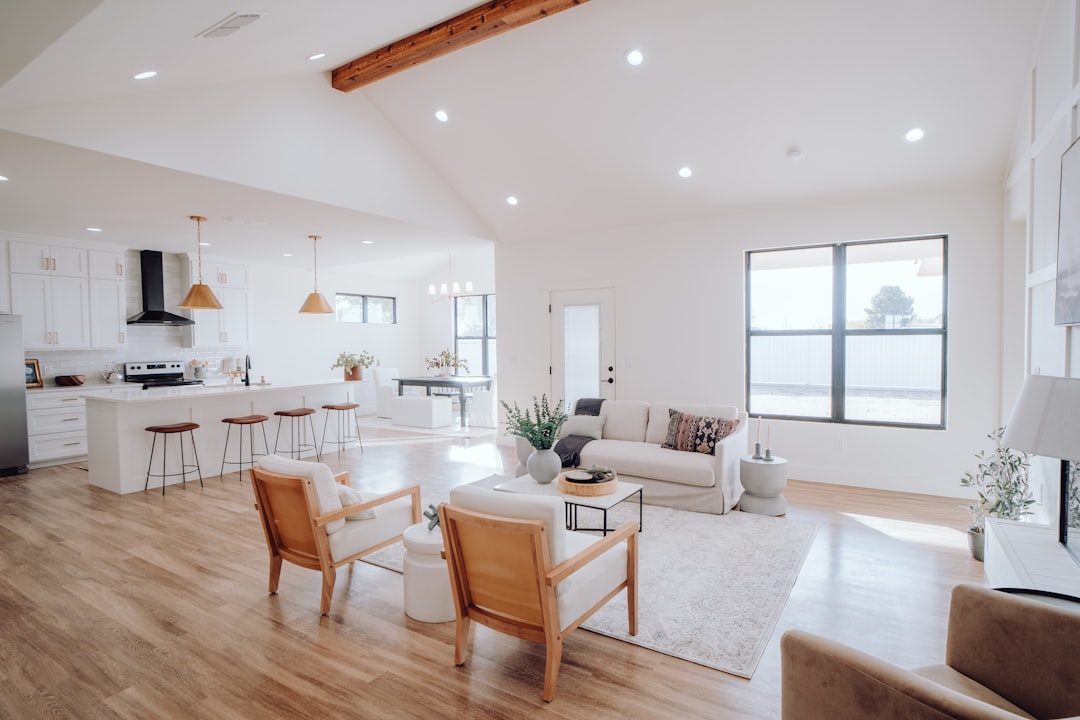
Open House Best Practices now include strong digital marketing. Most buyers learn about open houses online. Your photos must match reality. Accurate listings build trust.
Promote the open house early. Share it on social media. Add it to real estate websites. Email your buyer list. Clear dates and times matter.
Short videos work well too. A simple walkthrough video builds excitement. It also attracts serious buyers.
Use clear signs on open house day. Directional signs reduce frustration. Easy parking instructions help visitors relax before entering.
Technology supports modern open houses when used wisely. It should never feel distracting. Digital sign in systems save time. They also feel cleaner and more secure. Buyers appreciate a quick process.
QR codes offer instant access to listing details. Buyers can review floor plans and disclosures on their phone. This keeps conversations natural.
Consider soft background music. Smart speakers allow easy control. Music should stay low and neutral.
Virtual tours help buyers who arrive later. They also support follow up conversations.
Comfort is central to Open House Best Practices. Buyers need time and space. Avoid crowding rooms. Guide traffic gently.
Greet visitors warmly. A smile goes far. Offer a brief welcome. Then give them space to explore. Be available for questions. Do not follow closely. Buyers talk more freely when they feel relaxed.
Provide simple printed information. Highlight features. Include utility costs if available. Buyers appreciate transparency.
Simple refreshments add warmth. They should never feel messy or distracting. Offer bottled water. Light snacks work well. Avoid strong smells or crumbs.
Local touches create connection. A small sign mentioning a local bakery can spark conversation. This works well for South Hudson houses for sale.
Clean up often during the event. A tidy space maintains a professional feel.
Staging remains important in 2026. The style feels lighter now. Neutral colors still win. Soft textures add comfort. Buyers respond well to cozy yet clean spaces.
Use fewer decorations. Focus on scale. Furniture should show room size clearly. Add life with plants. Greenery feels fresh and calming. Avoid artificial looks.
Bathrooms and kitchens deserve extra care. These rooms drive decisions.

Safety matters for everyone involved. Clear plans reduce risk. Secure valuables before the event. Lock private areas if needed.
Keep personal items out of sight. Buyers should focus on the home. Have a second person present for busy events. This helps manage traffic.
Follow local guidelines when needed. Buyers value thoughtful precautions.
Strong conversations build trust. Listen more than you speak. Ask open questions. Learn what buyers value most.
Answer honestly. If you do not know, say so. Follow up later. Avoid pressure. Buyers move at their own pace. Support that process.
Mention neighborhood benefits naturally. Schools, trails, and commutes matter.
Local insight sets professionals apart. Buyers rely on it. Share trends in Southern NH houses for sale. Explain pricing clearly.
Mention recent activity in South Hudson houses for sale when relevant. Talk about community features. Restaurants, parks, and events help buyers connect.
Local stories make the home feel grounded and real.
The open house does not end when the door closes. Follow up matters. Send a short thank you message. Keep it friendly and helpful.
Share answers to questions asked. Provide missing details promptly. Ask for feedback. Buyer insight improves future showings.
Stay present but respectful. Trust builds over time.

Success looks different now. It is not only about attendance. Quality conversations matter most. Serious buyers ask deeper questions.
Track online engagement after the event. Listing views often rise. Monitor showing requests. Strong open houses drive private tours.
Evaluate feedback honestly. Small changes can improve results fast.
Open houses remain powerful in 2026. They just require care and intention. Open House Best Practices focus on experience, trust, and connection. Buyers remember how a home made them feel.
When done well, open houses support strong offers. They shorten market time. They protect value.
In competitive areas like Southern NH houses for sale, details matter. A modern open house creates confidence. Confidence leads to action.
If you need more info on Open House best practices, or are ready to sell your house give us a call at (603) 883-8840. You can also sign up for your dream home search or reach out to Our Agents for more information. We’d love to help you with your real estate needs.