
Tag Archives for " New Hampshire real estate "

Let’s start with a simple truth. A well organized home feels better to live in. It also shows better when guests walk through the door. That matters whether you plan to stay forever or explore Litchfield houses for sale or Southern NH Houses for sale someday. Home organization tips help you breathe easier and think clearer right now.
Clutter sneaks up on all of us. One drawer here. One closet there. Then suddenly you cannot find your favorite spatula. Sound familiar? You are not alone. The good news is that organizing does not require perfection or matching bins everywhere.
It just takes a plan and a little patience.
Trying to organize the entire house in one weekend rarely works. It usually ends with frustration and pizza boxes.
Pick one space. A drawer. A shelf. A closet corner. Finish it fully before moving on.
Small wins build momentum. Momentum builds confidence. That is how real change sticks.
These home organization tips work best when you keep expectations realistic.
Organizing clutter does not solve clutter. It just moves it around.
Before buying bins or shelves, decide what stays. If you have not used it in a year, question why it is there.
Ask yourself if the item serves your current life. Not your past life. Not your future fantasy life.
This step alone transforms homes buyers tour across Southern NH Houses for sale.
Items wander when they lack a home. Keys land everywhere. Mail piles grow.
Choose a specific spot for frequently used items. Stick with it. Consistency matters more than perfection.
When items return to the same place, mess stays under control.
These home organization tips reduce daily stress more than people expect.
Walls matter. Shelves matter. Hooks matter.
Vertical storage frees floor space and creates visual calm. This works especially well in smaller homes.
Buyers touring Litchfield houses for sale often notice how tall storage makes rooms feel larger.
Look up. You may find space you forgot existed.

Closets should work for you. Not fight you.
Use bins for small items. Group clothes by type. Keep seasonal items separate.
If you cannot see it, you forget it. Clear containers help.
Strong closet organization supports these home organization tips beautifully.
Kitchens get messy fast. They also organize well with zones.
Create areas for cooking, baking, food storage, and cleanup. Keep tools near where you use them.
This saves time and reduces frustration. It also makes kitchens feel functional.
Buyers exploring Southern NH Houses for sale love kitchens that feel efficient and calm.
Paper piles grow quietly. Then suddenly they take over.
Create one paper station. Sort mail immediately. Recycle often.
Digitize when possible. Keep important documents in labeled folders.
Paper control is one of the most underrated home organization tips.
Pinterest homes look great. Real life looks different.
Choose storage that fits your habits. If you toss shoes, use baskets. If you hang coats, install hooks.
Organization should support how you live now.
This mindset creates sustainable results.
Bathrooms do not need fancy systems. They need consistency.
Use drawer organizers. Limit countertop items. Store backups elsewhere.
Clear bathrooms feel cleaner. They also photograph better.
This matters when preparing homes in Litchfield houses for sale.
Bedrooms are for rest. Clutter disrupts that.
Keep surfaces clear. Limit furniture. Store items out of sight.
Under bed storage works well when labeled clearly.
Calm bedrooms support emotional comfort and better sleep.

The first step inside matters.
Create a drop zone for shoes, bags, and coats. Use mats and hooks.
Garages benefit from zones too. Tools here. Sports gear there.
These home organization tips make daily life smoother and safer.
Organization is not one and done. It is a habit.
Spend ten minutes a day resetting spaces. Put items back where they belong.
Weekly check ins prevent buildup. Monthly reviews keep systems working.
This approach keeps homes buyer ready without stress.
Clutter shrinks space. Organization expands it visually.
Clear floors and surfaces make rooms feel larger. Buyers notice this instantly.
Homes across Southern NH Houses for sale benefit from this effect.
You do not need more square footage. You need clarity.
Well organized homes show care. Care signals pride of ownership.
Buyers trust homes that feel maintained. They feel confident making offers.
These home organization tips protect both comfort and value.
That is a win either way.
I have seen buyers fall in love with organized pantries. Truly.
I have also seen clutter distract from beautiful spaces.
Organization lets your home shine without shouting.
It lets buyers imagine living there.
Perfection is not required. Progress is enough.
Your home should support your life. Not the other way around.
Laugh when mess happens. Reset and move on.
These home organization tips work best with grace.

Organizing your home is about comfort, clarity, and confidence.
Small changes create big results. One space leads to another.
Whether you are enjoying your home now or considering Litchfield houses for sale or Southern NH Houses for sale later, organization always pays off.
A calm home feels good today and sells better tomorrow.
If you need more tips on home organization tips, or are ready to sell your house give us a call at (603) 883-8840. You can also sign up for your dream home search or reach out to Our Agents for more information. We’d love to help you with your real estate needs.
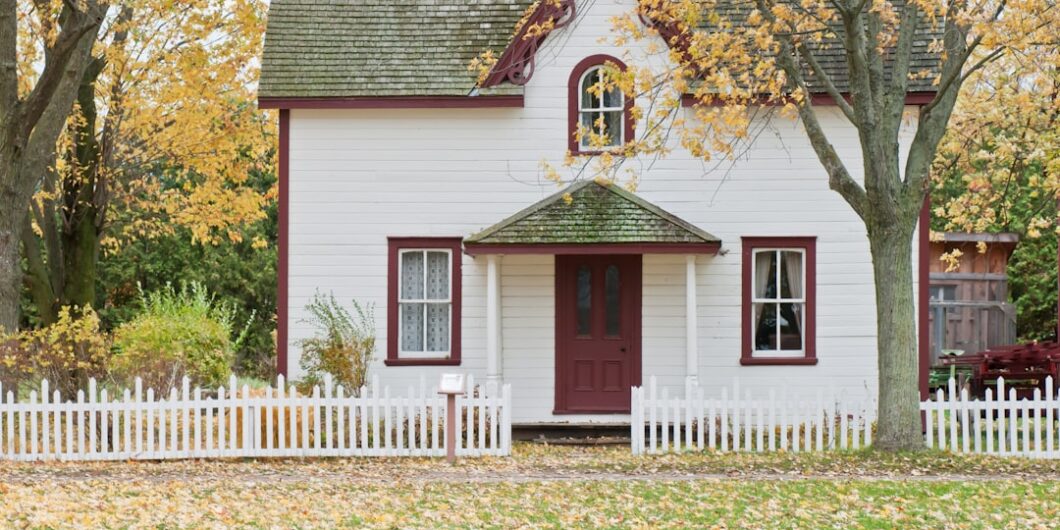
Let’s play a quick game. Picture a house with a long sloping roof in the back and a shorter roof in the front. Does that ring a bell? That classic shape is a saltbox, and it is just one of many NH home styles you will see when touring Litchfield houses for sale or browsing Southern NH Houses for sale.
New Hampshire is full of character homes. Some look formal. Some look cozy. Some make you tilt your head and ask what style even is that. Knowing home styles helps you shop smarter and talk real estate with confidence. It also makes open houses more fun. Yes, really.
Put your architectural knowledge to the test as we walk through the most common home styles found in New Hampshire. No quiz at the end. Promise.
Home style is not just about looks. It affects layout, maintenance, resale value, and how a home lives day to day.
Some styles offer open space. Others favor smaller rooms. Rooflines affect snow load. Window placement affects light and heat. In New Hampshire, style and weather go hand in hand.
Understanding NH home styles helps buyers choose homes that fit their lifestyle and long term goals. It also helps sellers highlight the right features when listing.
Plus, it feels good to know what you are looking at.
Let’s start with the star of the show. The saltbox house.
A saltbox has two stories in the front and one story in the back. The roof slopes long and low toward the rear. This design came from early New England settlers who needed simple, strong homes.
Why the shape? Snow slides off easier. Wind resistance improves. Extra space appears without building taller.
You will still see saltboxes today, especially in older neighborhoods and historic areas. Many buyers touring Southern NH Houses for sale fall in love with their charm without knowing the name.
Now you know.
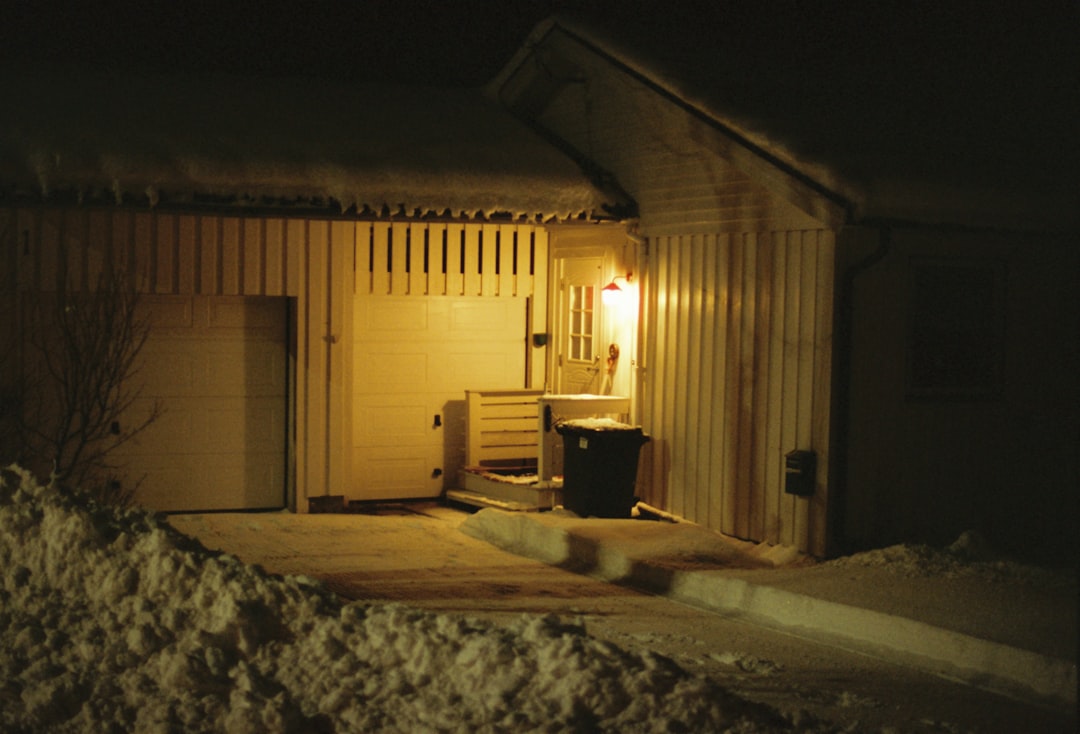
Let’s play a quick game. Picture a house with a long sloping roof in the back and a shorter roof in the front. Does that ring a bell? That classic shape is a saltbox, and it is just one of many NH home styles you will see when touring Litchfield houses for sale or browsing Southern NH Houses for sale.
New Hampshire is full of character homes. Some look formal. Some look cozy. Some make you tilt your head and ask what style even is that. Knowing home styles helps you shop smarter and talk real estate with confidence. It also makes open houses more fun. Yes, really.
Put your architectural knowledge to the test as we walk through the most common home styles found in New Hampshire. No quiz at the end. Promise.
Home style is not just about looks. It affects layout, maintenance, resale value, and how a home lives day to day.
Some styles offer open space. Others favor smaller rooms. Rooflines affect snow load. Window placement affects light and heat. In New Hampshire, style and weather go hand in hand.
Understanding NH home styles helps buyers choose homes that fit their lifestyle and long term goals. It also helps sellers highlight the right features when listing.
Plus, it feels good to know what you are looking at.
Let’s start with the star of the show. The saltbox house.
A saltbox has two stories in the front and one story in the back. The roof slopes long and low toward the rear. This design came from early New England settlers who needed simple, strong homes.
Why the shape? Snow slides off easier. Wind resistance improves. Extra space appears without building taller.
You will still see saltboxes today, especially in older neighborhoods and historic areas. Many buyers touring Southern NH Houses for sale fall in love with their charm without knowing the name.
Now you know.

Victorian homes are hard to miss. They feature steep roofs, decorative trim, and bold personality.
These homes often have many rooms, tall ceilings, and unique layouts. No two feel exactly alike.
Maintenance can be higher, but charm is off the charts.
Victorians are part of the architectural fabric of NH home styles, especially in historic towns.
Farmhouses were built for work and family life. They feel welcoming and practical.
These homes often feature wide porches, large kitchens, and flexible space. Many have been updated over time.
Modern farmhouse style draws inspiration from these roots while adding clean finishes.
Farmhouses remain popular among buyers seeking character and comfort.
Contemporary homes focus on clean lines and open space. They often use large windows and modern materials.
These homes may look different from traditional New England designs. They stand out.
Energy efficiency often plays a big role in contemporary builds.
Buyers seeking something unique often gravitate toward this end of NH home styles.
Townhomes and condos offer lower maintenance living. They are popular with first time buyers and downsizers.
These homes vary widely in style. Some look colonial. Others feel modern.
Location often drives demand. Community features matter too.
When browsing Litchfield houses for sale, buyers sometimes overlook attached options that fit their needs perfectly.

In New Hampshire, winter matters. Roof pitch affects snow load. Window placement affects heat loss.
Saltbox and cape homes handle snow well. Ranch homes may need roof maintenance.
Understanding style helps buyers plan for maintenance and comfort.
This is where NH home styles and local climate intersect in real ways.
Do you love open space? Do you want defined rooms? Do stairs matter?
Home style influences how a home lives. There is no perfect style, only the right fit.
Buyers who take time to learn styles often feel more confident making offers.
Knowledge reduces stress.
Buyers often tell me this is the fun part. Touring homes becomes a learning experience.
They start guessing styles before I say anything. They notice details.
That confidence grows quickly.
This is one reason understanding NH home styles helps buyers feel in control of their search.
Some styles appeal to wider audiences. Others attract niche buyers.
Knowing this helps buyers think long term. It helps sellers market better.
Homes in Southern NH Houses for sale benefit when style features are highlighted clearly.
Older does not always mean outdated. Smaller does not mean cramped.
Modern does not mean cold. Traditional does not mean boring.
Style myths stop buyers from seeing potential.
Seeing past them opens doors.
Next time you tour a home, look up. Look at the roofline. Look at symmetry and layout.
You will start spotting styles everywhere.
Whether you are exploring Litchfield houses for sale or searching through Southern NH Houses for sale, understanding NH home styles helps you buy smarter and enjoy the process more.
And yes, now you know a saltbox when you see one.
If you need more tips on NH Home styles, or are ready to sell your house give us a call at (603) 883-8840. You can also sign up for your dream home search or reach out to Our Agents for more information. We’d love to help you with your real estate needs.

Winter in New Hampshire is beautiful. It’s also messy, cold, and sometimes expensive. Every year, homeowners learn the hard way why winter snow home safety matters. Ice builds up. Roofs leak. Heating bills soar. Sound familiar? If you own a home or are shopping in Litchfield houses for sale or South Hudson houses for sale, this topic hits close to home.
Snow does not just sit quietly on your property. It melts. It refreezes. It sneaks into small cracks. Then it causes big problems. The good news is that most winter damage can be prevented with smart planning and simple habits. You do not need fancy tools or superhero strength. You just need to know what to watch for and when to act.
As New Hampshire REALTORS, we hear the same winter stories every year. A roof leak that started as an ice dam. A frozen window that would not open in spring. A heating system that worked overtime because heat escaped through unseen gaps. Let’s talk about how to avoid those headaches while keeping your home safe, warm, and market ready.
Snow removal seems simple. Grab a shovel. Clear the driveway. Done. Not quite. Snow clearing plays a major role in winter snow home safety, especially around entryways, foundations, and roofs.
Start with your walkways and steps. Ice loves to hide under fresh snow. One wrong step and winter wins. Use ice melt early and often. Sand also helps when temperatures drop too low for salt to work. Clear snow away from doors so they open easily during emergencies.
Next, think about your foundation. Piled snow melts and seeps into small cracks. That water refreezes and expands. Over time, this causes foundation damage. Try to push snow away from the house instead of stacking it along the walls. Your future self will thank you.
Buyers touring South Nashua houses for sale in winter often notice snow management right away. A well cleared property feels cared for. It signals pride of ownership. That matters more than many sellers realize.
Roofs carry a lot in winter. Snow may look fluffy, but it adds weight fast. Wet snow weighs even more. Too much snow can stress roof structures, especially older homes common in Southern NH Houses for sale.
Watch for sagging gutters or creaking sounds after heavy storms. These are warning signs. Roof rakes are your friend here. Use them safely from the ground to remove excess snow. Never climb onto an icy roof. That story rarely ends well.
Ice dams form when warm air escapes through the attic. Snow melts. Water runs down. Then it refreezes at the edge. That ice traps more water behind it. Eventually, water sneaks under shingles and into your home.
Stopping ice dams is a major part of winter snow home safety. Proper insulation and ventilation matter more than people think. Sealing attic air leaks can make a huge difference.
Icicles are pretty. They also signal heat loss. Big icicles mean warm air is escaping and melting snow unevenly. That usually leads to ice dams.
They can also be dangerous. Falling icicles can damage siding, windows, or worse, someone’s head. Keep gutters clear before winter starts. Clogged gutters hold water and speed up ice buildup.
Londonderry houses for sale often show these winter patterns clearly because many have longer rooflines. If you see heavy icicles, it is time to investigate insulation and attic airflow.
Removing icicles safely helps protect your roof edge, gutters, and anyone walking below. Never knock them down while standing under them. Gravity is not forgiving.

Cold drafts make rooms uncomfortable and heating bills higher. Windows play a big role in winter snow home safety and energy efficiency.
Check for drafts by feeling around window frames on cold days. If you feel air moving, heat is escaping. Simple weather stripping or caulking can fix many issues. Plastic window film kits are affordable and effective. They may not look fancy, but they work.
Condensation on windows also tells a story. A little is normal. Heavy moisture or frost means indoor humidity is too high or insulation is lacking. That moisture can lead to mold or rot over time.
Buyers looking at houses for sale often comment on window comfort during showings. Warm rooms feel welcoming. Cold drafts do not.
Doors get overlooked. They should not. Gaps under doors let cold air rush in and warm air escape. Door sweeps are inexpensive and easy to install.
Check door frames for cracked seals. Replace worn weather stripping. Make sure storm doors close tightly. These small steps improve comfort quickly.
In winter, doors also deal with snow buildup. Clear snow away from door thresholds. Melting snow can refreeze overnight and trap doors shut. That is never fun at six in the morning.
Strong doors and seals matter when showing houses for sale during winter months. First impressions start at the front door.
Your heating system is the hero of winter snow home safety. Treat it well. Schedule annual maintenance before cold weather hits. A tuned system runs more efficiently and breaks down less often.
Change filters regularly. Dirty filters restrict airflow and make systems work harder. That leads to higher bills and shorter equipment life.
Listen for unusual noises. Smells matter too. Burning odors or frequent cycling should be checked by a professional.
Homes across Southern NH Houses for sale vary widely in heating systems. Some use oil. Others use gas, propane, or heat pumps. Each system needs proper care to perform well in winter.
Frozen pipes cause major damage. They often freeze overnight when temperatures drop suddenly. Exterior walls, basements, and crawl spaces are high risk areas.
Insulate exposed pipes. Let faucets drip slightly during extreme cold. Keep cabinet doors open under sinks to allow warm air to circulate.
If you leave town, never turn heat off completely. Set thermostats to at least fifty five degrees, possibly higher if the temps plan to get really cold. It costs less than repairing burst pipes.
Winter snow home safety includes protecting what you cannot see. Pipes fall into that category.

Attics play a huge role in ice dams and heat loss. Poor insulation allows heat to escape upward. That warms the roof surface unevenly.
Proper insulation keeps heat inside the home where it belongs. Ventilation allows cold air to flow and keep roof temperatures stable.
Many homes in South Nashua were built before modern insulation standards. Upgrading attic insulation improves comfort and resale value.
If you notice uneven snow melt on your roof, your attic may be sending signals. It is worth investigating.
Winter pushes animals to seek warmth. Snow piled near foundations gives pests easy access to entry points.
Clear snow away from vents and openings. Check for gaps around utility lines. Seal small holes before winter sets in.
Rodents inside walls create damage and noise. No one wants surprise attic guests in January.
Maintaining winter snow home safety means thinking beyond snow and ice. It includes protecting the entire structure.
Every winter brings new stories. One homeowner ignored ice dams for years. One warm spell later, water poured through a ceiling light. Another skipped window sealing. Heating bills doubled during a cold snap.
Then there are the smart ones. The family who raked their roof after every storm. The seller who sealed drafts before listing. The buyer who spotted good insulation and felt confident making an offer.
These small choices add up. Winter rewards preparation and punishes neglect.
Winter condition tells buyers a lot. A well maintained home in winter signals year round care. It builds trust.
Homes shown during winter often sell faster when they feel warm, dry, and safe. Buyers notice snow management, roof condition, and heating comfort immediately.
That is why winter snow home safety is also a marketing advantage. Especially in competitive areas like Londonderry and South Hudson.
Winter damage often reveals itself in spring. Leaks, stains, warped wood, and mold appear once snow melts.
Preventing problems now saves repair costs later. It also protects property value.
Spring buyers touring Litchfield houses for sale appreciate homes that came through winter strong.
Winter in New Hampshire will always bring snow, ice, and cold. You cannot control the weather. You can control how your home handles it.
By focusing on winter snow home safety, you protect your roof, windows, heating system, and investment. You also reduce stress and surprises.
Whether you live in South Nashua houses for sale, Londonderry houses for sale, South Hudson houses for sale, Litchfield houses for sale, or are exploring Southern NH Houses for sale, smart winter care makes every season easier.
If you ever have questions about winter prep, home value, or buying and selling during snow season, I’m always happy to talk. Winter may be long, but it does not have to be painful.
If you need more information on winter snow home safety, or are ready to sell your house give us a call at (603) 883-8840. You can also sign up for your dream home search or reach out to Our Agents for more information. We’d love to help you with your real estate needs.
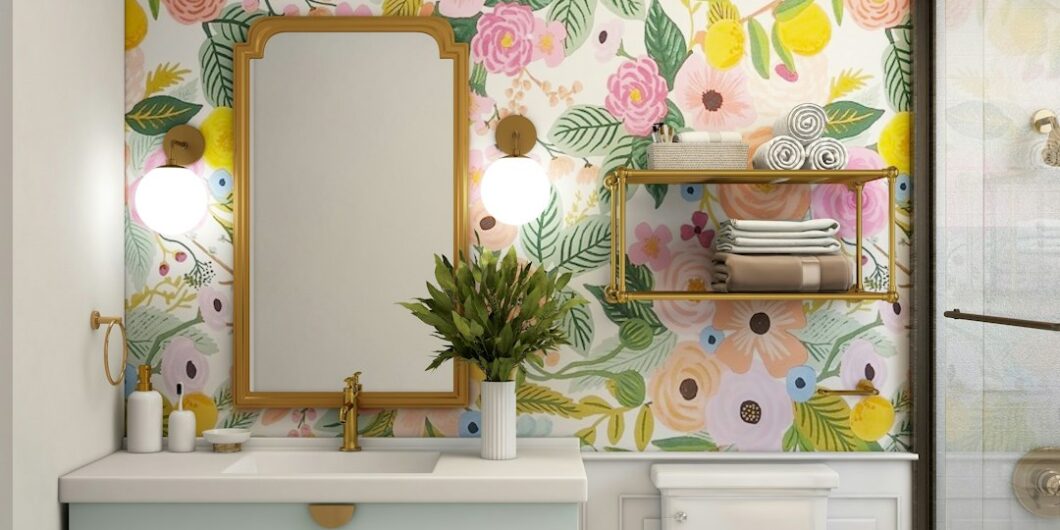
Learning how to remove wallpaper can feel overwhelming at first. Many homeowners worry about time, mess, and wall damage. Yet this task often brings big rewards in home value and buyer appeal. This topic comes up often when preparing Litchfield houses for sale and Southern NH Houses for sale. Because wallpaper dates a space quickly, removing it helps homes feel fresh and inviting.
Wallpaper removal does not need to cause stress. With the right plan, patience, and tools, it becomes manageable. Homeowners often feel proud once the walls are clean. Buyers then see potential instead of distraction. That shift can change how a home shows and sells.
Wallpaper reflects the style of another time. While some patterns feel charming, many buyers see them as work. This reaction affects emotion during showings. When buyers feel unsure, they hesitate.
Neutral walls help buyers imagine their own style. Clean surfaces also photograph better for listings. Because online views matter so much, walls play a key role.
In competitive New Hampshire markets, small details count. Removing wallpaper helps homes stand out. This effort often leads to faster sales and stronger offers.
Why would you remove wallpaper? Not every wallpaper needs removal. Some newer designs still appeal. However, busy or dark patterns often limit buyer interest.
If wallpaper peels or bubbles, removal feels urgent. Damage sends the wrong message. Buyers may worry about hidden issues.
When preparing Litchfield houses for sale, sellers often remove wallpaper in main rooms. This choice creates a clean slate. It helps buyers focus on layout and light.
Many homeowners feel anxious before starting. Wallpaper removal has a bad reputation. Stories of torn walls and long hours scare people.
However, preparation reduces stress. Knowing what to expect helps calm nerves. Each step forward builds confidence.
Once finished, homeowners often feel relief and pride. That emotional lift matters. It turns a dreaded task into a win.
Good tools make the job easier. A scoring tool helps break the wallpaper surface. This allows moisture to reach the glue.
A spray bottle or pump sprayer works well. Warm water often does the trick. Some people add mild soap or vinegar.
Plastic scrapers protect walls better than metal ones. Drop cloths keep floors safe. Preparation saves time later.
Always test a small area first. Wallpaper types vary widely. Some peel easily, while others fight back.
Testing shows how much moisture helps. It also reveals wall condition underneath. This step prevents surprises.
If the paper comes off clean, the rest will follow. If not, adjust your approach early.
The peel and spray method works for many homes. Start by lifting a corner of the paper. Peel slowly and evenly.
Once the top layer comes off, spray the backing. Let moisture soak in for several minutes. Patience helps here.
Then scrape gently from top to bottom. Avoid rushing. Slow progress protects the wall surface.
Some wallpaper resists water alone. Steam adds heat and moisture together. This softens tough glue.
Steamers work well in older homes. Many New Hampshire houses fall into this category. The heat loosens layers faster.
However, steam requires care. Too much heat can damage drywall. Short passes work best for control.
Wall damage worries many homeowners. Gentle tools and patience reduce risk. Avoid sharp blades when possible.
Work in small sections. Let moisture do the work. Forcing the paper causes tears and gouges.
If damage happens, repairs remain manageable. Minor patches fix easily before painting. Do not panic if walls look rough at first.
After removal, glue residue often remains. This sticky film affects paint adhesion. Cleaning matters.
Warm water and a sponge usually remove residue. Some people use mild cleaners. Rinse walls well afterward.
Let walls dry fully before moving on. Dry surfaces reveal any missed spots. This step prepares walls for the next phase.

Small holes or tears happen sometimes. Joint compound fills these areas easily. Smooth with a putty knife.
Once dry, sand lightly for a flat finish. Wipe dust away before priming. Clean prep leads to smooth paint.
Primer seals repaired areas. It also blocks old patterns from bleeding through. This step ensures a fresh look.
Paint color influences buyer emotion. Neutral tones appeal to more people. Soft whites and light grays work well.
These colors reflect light and make rooms feel larger. Buyers appreciate bright and open spaces.
In Southern NH Houses for sale, neutral paint helps homes compete. It creates a move in ready feel.
Wallpaper removal takes time. A small room may take a day. Larger spaces may need more.
Costs remain low if done yourself. Tools cost little compared to professional services. Sweat equity pays off.
Professional removal helps for tough jobs. Sellers should weigh time versus cost. Both paths add value.
Some wallpaper proves very stubborn. Multiple layers increase difficulty. Plaster walls need special care.
Professionals bring experience and tools. They reduce risk of damage. This option suits tight timelines.
Before listing a home, timing matters. Hiring help may speed preparation. Faster listings often attract more buyers.
When you remove wallpaper you can refresh a space instantly. Buyers see clean walls and imagine furniture placement.
Homes feel more modern and cared for. This impression influences perceived value. Buyers often respond with stronger interest.
In markets with Litchfield houses for sale, updated interiors stand out. Small updates make a big difference.
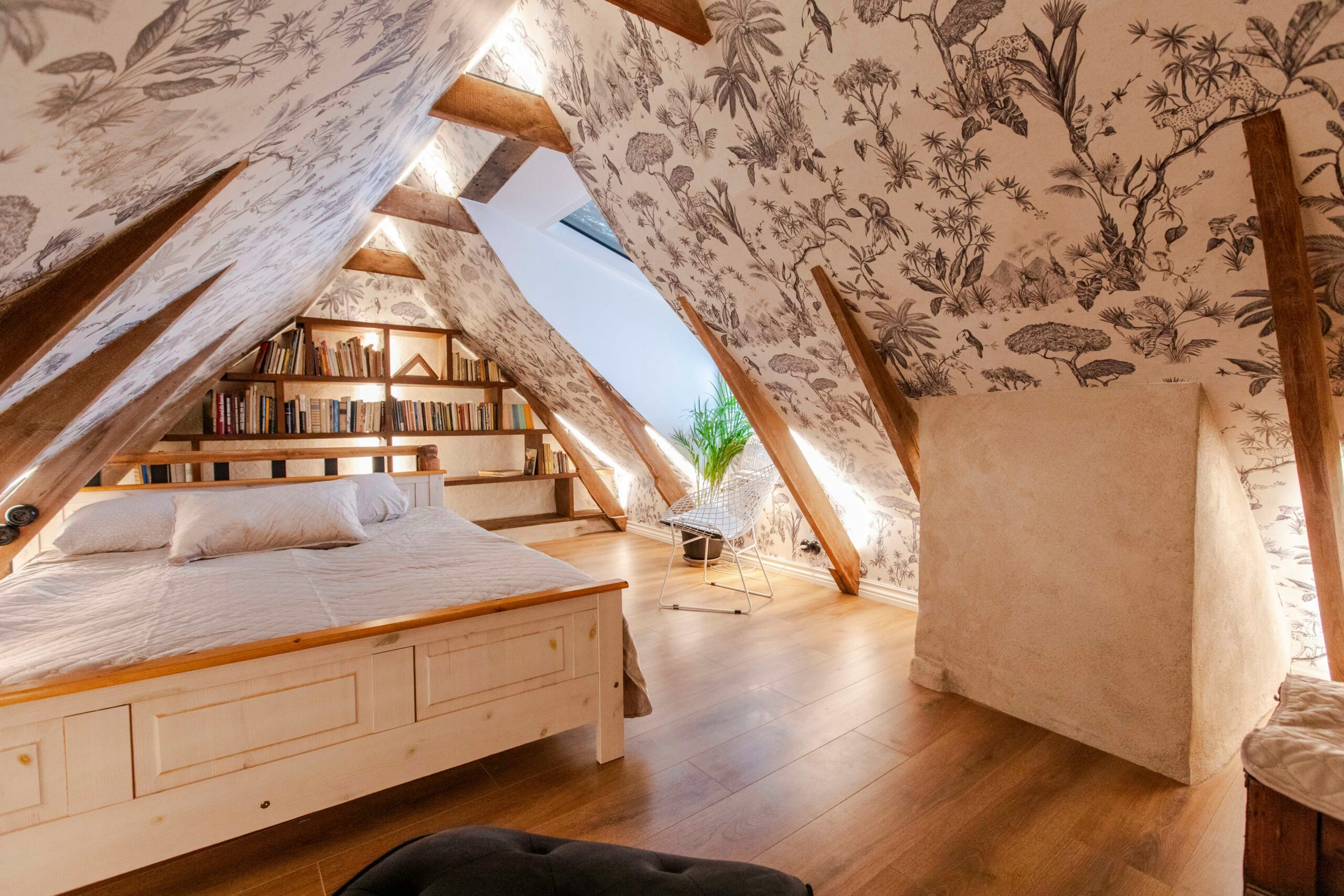
REALTORS often suggest that you remove wallpaper, especially if it’s dated. They know buyer reactions well. Their advice comes from experience.
During walkthroughs, agents point out areas to update. Wallpaper often tops the list. Simple changes improve marketability.
Working together helps sellers prioritize tasks. Wallpaper removal often delivers strong returns for effort.
Wallpaper in kitchens and baths raises concerns. Moisture causes peeling and stains. Buyers notice these flaws quickly.
Buyers prefer the seller to remove wallpaper from these rooms. It makes them feel more neutral and move-in ready. Clean walls signal care and maintenance.
Paint or tile replacements feel fresh. Buyers feel confident about upkeep. This confidence supports offers.
Wallpaper affects light reflection. Dark patterns absorb light. Rooms feel smaller and dimmer.
After removal and painting, light spreads better. Spaces feel larger and more inviting. This change feels dramatic.
Good lighting supports listing photos. Better photos lead to more showings. This chain reaction starts with clean walls.
Many homeowners feel surprised by relief afterward. The task feels less painful than expected. Accomplishment replaces dread.
This positive energy carries into other projects. Sellers feel motivated to finish preparation. Momentum builds.
Buyers sense this care during showings. Homes feel loved and ready.
Take breaks often. Hydrate and stretch. Small pauses prevent frustration.
Work room by room instead of all at once. Progress feels clearer that way. Celebrate small wins.
Music or podcasts help pass time. Keeping a relaxed mindset matters. Stress shows in rushed work.
Skipping wall testing leads to surprises. Always test first. This saves time later.
Using sharp tools risks damage. Gentle methods work better. Patience protects walls.
Skipping cleaning and priming causes paint issues. Do not rush this step. Preparation ensures lasting results.

Older homes often have multiple wallpaper layers. Each layer tells a story. Removal takes extra care that buyers prefer not to tackle. They prefer a move-in ready home where they don’t have to remove wallpaper themselves.
Plaster walls differ from drywall. Moisture levels must stay controlled. Gentle scraping matters even more.
Many Southern NH Houses for sale fall into this category. Thoughtful removal preserves charm while modernizing style.
When buyers see fresh walls, they relax. They feel less work lies ahead. This comfort matters.
Sellers can share before and after stories. Buyers appreciate the effort invested. Transparency builds trust.
Updated walls signal readiness. Homes feel closer to move in ready status.
Some wallpaper styles remain tasteful. Subtle patterns may work in small spaces. However, broad appeal matters most.
If unsure, neutral paint usually wins. Buyers prefer flexibility. Paint offers a blank canvas.
REALTORS often guide this decision. Their market insight helps sellers choose wisely.
Removing wallpaper feels challenging but rewarding. Clean walls improve emotion, style, and value. In New Hampshire, these updates help homes shine in competitive markets. Sellers preparing Litchfield houses for sale often see strong results from this effort. The same holds true for Southern NH Houses for sale where buyers value move in ready spaces. With patience and the right approach, this project becomes a smart and satisfying step forward.
If you need more tips on how to remove wallpaper, or are ready to sell your house give us a call at (603) 883-8840. You can also sign up for your dream home search or reach out to Our Agents for more information. We’d love to help you with your real estate needs.

Redecorate home apps are changing how people plan home updates. Homeowners now use phones to picture new spaces with ease. This matters in real estate because design affects value and emotion. Buyers touring South Nashua houses for sale and Southern NH Houses for sale often picture changes before making offers. Therefore, these apps help buyers and sellers feel confident and excited.
Phone based design tools feel friendly and simple. They help people test ideas without stress. Many homeowners enjoy seeing instant results. For REALTORS, these apps support better conversations and smarter choices.
Design impacts how buyers feel in a home. When spaces feel fresh, buyers feel welcome. Redecorating apps help people see potential instead of flaws. Because of this, they support stronger first impressions.
In real estate, vision sells homes. Buyers often struggle to imagine changes. Apps solve this problem with clear visuals. This helps homes sell faster and feel more valuable.
In New Hampshire, many homes have strong bones. Simple updates make a big difference. These apps guide smart updates without major costs.
Buyers use apps to test furniture and colors. This helps them connect emotionally. Sellers use apps to plan staging and updates. Both sides gain clarity.
Apps reduce fear of making mistakes. People feel free to explore ideas. Because of this, confidence grows.
REALTORS can suggest apps as helpful tools. This builds trust and value. It also keeps conversations relaxed and productive.
The first app focuses on room planning. Users take a photo and add furniture. The app adjusts scale and lighting. This feels realistic and helpful.
Homeowners enjoy moving items with a finger. They see what fits and what does not. This saves time and money.
For buyers, this app helps picture life in the home. It supports decisions during tours and showings.

Sellers often wonder what to change. This app answers that question. It shows which layouts feel open and inviting.
Small changes often bring big impact. Moving furniture can improve flow. Buyers notice this right away.
In markets like South Nashua houses for sale, presentation matters. Clean layouts help homes stand out online and in person.
Color choices affect mood and value. This app lets users test paint colors instantly. Walls change with a tap.
Users see how light affects color. This helps avoid poor choices. Soft tones often feel best for resale.
Buyers touring Southern NH Houses for sale for sale respond well to calm colors. This app helps sellers choose wisely.
Color sets emotion. Neutral tones feel safe and inviting. Bold colors can limit appeal.
This app removes guesswork. Sellers gain confidence before painting. Buyers feel relaxed during tours.
Because paint costs less, it offers strong return. Apps guide these smart updates with ease.

This app focuses on décor and style. Users place sofas, tables, and art in rooms. The results feel real and fun.
People enjoy seeing style options. Modern, classic, and cozy looks appear easily. This inspires creativity.
For buyers, this app helps imagine personal touches. It turns houses into future homes.
Many buyers struggle with empty rooms. Décor apps fill that gap. They show scale and purpose.
REALTORS can suggest this app during showings. It helps buyers connect emotionally. Emotional connection often leads to offers.
This tool works well for condos and homes alike. It supports confidence across price ranges.
This app uses smart technology. Users answer questions about style and budget. The app suggests full room designs.
It feels like working with a designer. Yet it costs much less. This appeals to many homeowners.
In real estate, this app helps plan updates before listing. It also helps buyers plan after purchase.
AI tools feel simple and helpful. They reduce stress and doubt. Users follow guided steps.
Because choices feel guided, people act faster. This supports timely updates and decisions.
Homes prepared with care attract stronger interest. This app supports that process.
This app focuses on structure and flow. Users scan rooms to create floor plans. They then test layout changes.
This helps with open concepts and room changes. People see walls and space clearly. This supports renovation planning.
Buyers appreciate knowing what is possible. This app answers those questions early.
Understanding layout reduces fear. Buyers want to know space works for them. Floor plans provide clarity.
This app helps buyers feel prepared. It also helps sellers explain possibilities.
In competitive markets, clarity matters. Tools like this support confident offers.
Design choices affect value perception. Clean, modern spaces feel worth more. Apps guide these choices.
Small updates often improve appeal. Paint, layout, and décor matter. Apps help prioritize changes.
In New Hampshire, thoughtful updates stand out. These apps support smart investments.
Before listing, sellers often ask what to update. Apps provide visual answers. This saves time and cost.
REALTORS can review app results with sellers. Together they plan updates. This teamwork builds trust.
Listings prepared with care attract more views. Apps support this preparation step.
This app focuses on structure and flow. Users scan rooms to create floor plans. They then test layout changes.
This helps with open concepts and room changes. People see walls and space clearly. This supports renovation planning.
Buyers appreciate knowing what is possible. This app answers those questions early.
Understanding layout reduces fear. Buyers want to know space works for them. Floor plans provide clarity.
This app helps buyers feel prepared. It also helps sellers explain possibilities.
In competitive markets, clarity matters. Tools like this support confident offers.
Design choices affect value perception. Clean, modern spaces feel worth more. Apps guide these choices.
Small updates often improve appeal. Paint, layout, and décor matter. Apps help prioritize changes.
In New Hampshire, thoughtful updates stand out. These apps support smart investments.
Before listing, sellers often ask what to update. Apps provide visual answers. This saves time and cost.
REALTORS can review app results with sellers. Together they plan updates. This teamwork builds trust.
Listings prepared with care attract more views. Apps support this preparation step.

Not every home matches buyer taste. Apps help buyers look past décor. They see potential instead.
This matters during tours. Buyers feel less stuck on surface details. They focus on layout and location.
In areas like South Nashua houses for sale, this mindset helps buyers act faster.
New builds also benefit from apps. Buyers choose finishes and layouts. Apps show results clearly.
This reduces confusion and regret. Buyers feel involved and excited.
For REALTORS, apps support smoother transactions. Happy buyers lead to strong referrals.
Seeing ideas come to life sparks joy. People feel hopeful and inspired. This emotion matters in real estate.
Apps create positive experiences. Buyers remember homes that felt exciting. Sellers feel proud of preparation.
Positive emotion supports strong decisions. These tools help create that feeling.
Families value ease and speed. Apps fit into busy lives. They work anytime and anywhere.
Parents plan updates after bedtime. Kids enjoy seeing changes too. This makes the process fun.
Homes that support family life attract attention. Apps help plan those spaces well.
Apps often include cost estimates. This helps users plan realistically. Budgets stay under control.
Buyers appreciate knowing future costs. Sellers plan updates without surprises.
Clear costs support smarter decisions. This builds trust and comfort.
Modern tools show care and knowledge. Buyers trust sellers who plan well. Apps support that image.
REALTORS who suggest apps add value. They feel helpful and current.
Technology used wisely strengthens relationships. It also improves outcomes.
Redecorate home apps make design simple and fun. They help people see potential and plan smart updates. In New Hampshire, these tools support strong real estate decisions. Buyers exploring South Nashua houses for sale often use apps to imagine changes. The same is true for Southern NH Houses for sale where vision shapes confidence. With the right apps, homes feel ready, welcoming, and full of promise.
If you need more info on redecorate home apps, or are ready to sell your house give us a call at (603) 883-8840. You can also sign up for your dream home search or reach out to Our Agents for more information. We’d love to help you with your real estate needs.

Real Estate Investment 2026 is shaping how buyers and investors plan for the future. Many people want safety, growth, and steady income. In New Hampshire, smart real estate investing still starts with local knowledge and timing. Areas like South Nashua houses for sale and Southern NH Houses for sale continue to draw attention from both new and experienced investors. Therefore, understanding the market now helps investors move with confidence later.
The 2026 market feels steady but selective. Rates, prices, and inventory all matter. However, opportunity still exists for those who plan well. Investors who stay patient and informed often win. This guide shares current conditions, strong locations, and proven strategies that work in today’s market.
The real estate market in 2026 feels more balanced than past years. Prices remain strong, yet growth feels calmer. Buyers act with care and sellers price with strategy. Because of this, smart investors focus on value instead of hype.
Interest rates matter more now. They influence monthly costs and long term returns. Even so, many buyers accept rates as the new normal. Therefore, deals still happen when numbers make sense. Investors who run clear math stay ahead.
Inventory remains tight in many New Hampshire towns. This supports prices and rental demand. However, some areas offer more options than others. Knowing where to look makes a big difference in Real Estate Investment 2026 success.

New Hampshire offers strong lifestyle appeal. It also offers steady job markets and stable communities. These factors support long term housing demand. Investors like markets that feel safe and predictable.
The state has no sales tax or income tax on wages. This attracts residents and retirees. As population holds steady, housing demand stays strong. Therefore, rental and resale opportunities remain healthy.
Southern New Hampshire stands out for access and growth. It offers proximity to jobs and highways. This makes it attractive for commuters and families. Because of this, investors often focus on this region first.
Location still drives success. In 2026, buyers want convenience, safety, and quality schools. Towns near highways and job centers lead the list. Investors should watch areas with steady demand.
South Nashua houses for sale attract attention due to location and amenities. The area offers shopping, dining, and easy travel. Rental demand stays strong from professionals and families. Therefore, this market suits both short and long term investors.
Southern NH Houses for sale for sale also draw wide interest. Many buyers look for value just outside city centers. These towns offer space, charm, and strong community feel. As a result, they often deliver stable appreciation.
Single family homes remain popular in Real Estate Investment 2026. They attract long term renters and future buyers. Maintenance feels simpler compared to larger properties. Because of this, many investors start here.
Families often rent before buying. This supports steady rental income. Also, single family homes tend to hold value well. Investors gain both cash flow and appreciation over time.
In New Hampshire, these homes perform well in strong school districts. They also appeal to relocating buyers. Therefore, single family rentals remain a solid base strategy.
Multi family homes offer higher income potential. They also spread risk across units. If one unit turns over, others still produce income. Because of this, many investors move into this space.
In 2026, small multi family properties feel easier to manage. Duplexes and triplexes fit local zoning well. They also blend into neighborhoods. This helps maintain value and community support.
Financing may require stronger numbers. However, returns often justify the effort. For investors focused on income, multi family homes remain powerful tools.

Condos and townhomes attract a wide range of renters. Young professionals and downsizers often choose them. Maintenance responsibilities stay lower, which appeals to busy owners.
In Southern New Hampshire, these properties sit near jobs and services. This boosts rental demand. Investors benefit from predictable costs and stable occupancy.
HOA fees matter and require review. However, many investors accept them for ease. In Real Estate Investment 2026, convenience often equals value.
Short term rentals remain popular but require care. Rules vary by town and change over time. Investors must review local laws before buying.
Tourism areas still support this strategy. Lakes, mountains, and seasonal attractions draw visitors. However, income may fluctuate by season. Therefore, planning matters.
Some investors mix short and long term rentals. This adds flexibility. Still, local compliance remains key to success.
Buy and hold remains a favorite strategy in 2026. It focuses on long term growth and rental income. Investors ride out market shifts and build equity.
This strategy suits stable markets like New Hampshire. Prices may rise slowly, yet consistency matters. Over time, rent growth improves returns.
Tax benefits also support this approach. Depreciation and expenses help reduce taxable income. Because of this, many investors choose buy and hold for security.
Fix and improve strategies still exist. However, costs remain high for labor and materials. Investors must budget carefully and allow extra time.
Homes needing light updates perform best. Paint, flooring, and fixtures offer strong returns. Major structural work adds risk and delay.
In Real Estate Investment 2026, speed and planning matter. Investors who know their numbers still succeed. Those who rush often struggle.
Financing shapes every deal. In 2026, lenders remain cautious yet active. Strong credit and reserves matter more than ever.
Fixed rate loans offer predictability. Adjustable loans may offer short term savings but add risk. Investors must match loans to their plans.
Some investors use partnerships to grow faster. Others leverage equity from existing homes. Smart financing supports long term success.
Risk management matters in every market. In 2026, investors plan for slower growth. They also prepare for higher holding costs.
Cash reserves protect against surprises. Vacancy, repairs, and rate changes happen. Investors who plan ahead feel less stress.
Diversification also helps. Owning different property types spreads risk. This approach supports stable returns over time.
Rental demand stays strong across New Hampshire. Many renters wait longer to buy. This supports occupancy and rent growth.
Remote work still shapes choices. Renters seek space and comfort. Properties with offices or bonus rooms stand out.
In areas like South Nashua houses for sale, rental demand remains high. Access and amenities drive interest. Therefore, well located rentals perform well.
Investors often choose between appreciation and cash flow. In reality, balance works best. Properties that offer both feel safer.
Some areas offer higher rent yields. Others offer stronger price growth. Knowing goals helps guide choices.
In Southern NH Houses for sale for sale, many markets offer balance. Investors gain steady rent and long term value. This mix suits many plans.

Tax planning plays a key role in returns. Investors should work with professionals. Proper planning protects income and growth.
Depreciation lowers taxable income. Expense tracking adds savings. Long term ownership may reduce capital gains later.
In Real Estate Investment 2026, tax awareness adds power. Smart planning often separates average from strong investors.
Local REALTORS add insight and access. They know neighborhoods, pricing, and trends. This knowledge saves time and money.
REALTORS also help spot value. They guide negotiations and inspections. For investors, this support reduces risk.
In New Hampshire, local experience matters. Town rules and markets vary. A trusted REALTOR becomes a key partner.
Every investment needs an exit plan. Investors should decide early how they will sell or refinance. This guides purchase decisions.
Some plan to sell after appreciation. Others plan to hold for life. Both paths work with clear planning.
In 2026, flexibility matters. Markets change and life changes too. A clear exit strategy keeps options open.
Investing involves emotion. Fear and excitement can cloud judgment. Successful investors stay calm and patient.
They focus on numbers and goals. They avoid chasing trends without research. This discipline supports long term success.
Real Estate Investment 2026 rewards steady thinkers. Those who stay grounded often win.
Real Estate Investment 2026 offers opportunity for prepared investors. The market favors planning, patience, and local knowledge. New Hampshire continues to attract buyers and renters. Markets like South Nashua houses for sale remain strong for both income and growth. Southern NH Houses for sale also offer balance and long term value. With the right strategy, investors can move forward with confidence and clarity.
If you need more tips on real estate investment 2026, or are ready to sell your house give us a call at (603) 883-8840. You can also sign up for your dream home search or reach out to Our Agents for more information. We’d love to help you with your real estate needs.
Home Design Trends 2026 are shaping how buyers feel about homes across New Hampshire. This shift matters to sellers, buyers, and REALTORS alike. Many clients ask what features help value grow and comfort last. In markets like South Nashua houses for sale and Southern NH Houses for sale, these trends guide smart choices and strong offers. Therefore, knowing what buyers want helps listings shine and homes sell faster.
Design in 2026 feels calm, warm, and personal. Buyers want homes that feel safe and easy to enjoy. They also want spaces that work for daily life. Because work, school, and rest often happen in one place, design must support balance. As a result, thoughtful layouts and honest materials now lead the market.
Home design impacts first impressions and long term value. Buyers decide fast, often within seconds. Therefore, a home that feels current gains attention and interest. Design also affects appraisal confidence and buyer emotion.
In New Hampshire, weather and lifestyle shape choices. People want homes that feel cozy in winter and bright in summer. They also want strong construction and smart upgrades. Because of that, Home Design Trends 2026 focus on comfort and durability. These qualities support pricing strength in both starter homes and luxury listings.
Design trends also guide renovation plans. Sellers who update wisely often see better returns. Meanwhile, buyers use trends to judge future costs. Therefore, REALTORS who explain trends add real value to every conversation.
Natural materials feel honest and timeless. Wood, stone, and clay now lead interior choices. Buyers love these textures because they feel warm and real. Also, these materials age well and suit many styles.
Wood tones look softer and lighter in 2026. Floors show grain and character. Cabinets favor simple shapes and warm finishes. Stone appears in kitchens and baths, often with subtle patterns. Because of this, spaces feel grounded and calm.
These choices appeal to buyers in South Nashua houses for sale who want lasting value. They also attract buyers exploring Southern NH Houses for sale for sale who seek comfort and style. Natural materials help homes feel rooted and welcoming.
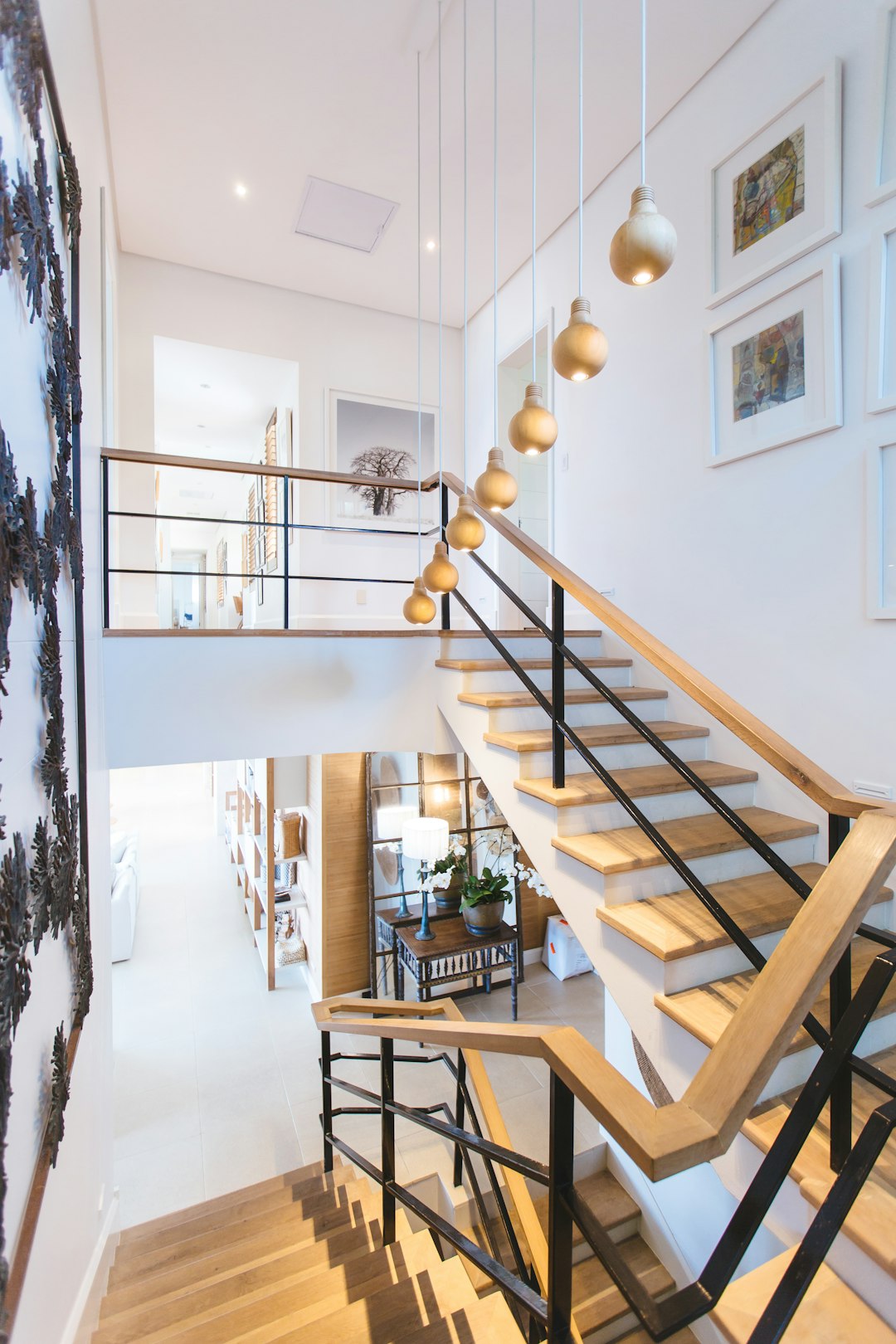
Color trends in 2026 feel gentle and relaxed. Buyers prefer soft shades that soothe the mind. Warm whites, light beiges, and muted greens appear often. These colors reflect light and make rooms feel larger.
Bold colors still appear but in smaller ways. Accent walls and decor add interest without stress. Because of this, buyers can imagine their own style in the space. That sense of ease helps homes sell faster.
Neutral palettes also photograph well. Online listings gain more clicks and saves. Therefore, color choice supports marketing success. It also helps appraisers see broad appeal and value.
Open layouts remain popular, yet they feel more defined. Buyers want connection without chaos. Therefore, design uses zones instead of wide open rooms. Rugs, lighting, and ceiling details help define space.
Kitchens still open to living areas. However, storage and function matter more. Pantries grow larger and islands serve many uses. Because families gather there, kitchens must work hard.
These layouts fit many buyers in Southern NH Houses for sale for sale. They also help South Nashua houses for sale stand out in busy markets. Purposeful openness feels modern and practical.
Flexibility ranks high in Home Design Trends 2026. Buyers want rooms that adapt. Offices become guest rooms or workout spaces. Dining rooms shift into study areas or play zones.
Design now supports change. Built in storage helps rooms shift roles. Sliding doors offer privacy when needed. Because of this, homes serve more needs without added square footage.
This flexibility boosts buyer confidence. People feel ready for future changes. Therefore, flexible homes often receive stronger offers and faster sales.
Energy smart homes draw strong interest. Buyers want lower bills and better comfort. Features like good insulation and efficient windows matter more than ever. These upgrades feel practical and responsible.
Heating systems also evolve. Heat pumps gain popularity across New Hampshire. They offer steady comfort and lower energy use. Because winters feel long, buyers value reliable systems.
These features support value in South Nashua houses for sale. They also appeal to buyers searching Southern NH Houses for sale for sale. Energy smart homes feel future ready and wise.

Wellness plays a key role in Home Design Trends 2026. Buyers want homes that support health and peace. Natural light ranks high on wish lists. Large windows and skylights help mood and focus.
Air quality also matters. Ventilation systems and low odor materials gain favor. Because people spend more time indoors, comfort feels vital. Quiet spaces and soft lighting help reduce stress.
Bathrooms feel more like retreats. Simple fixtures and warm finishes create calm. Therefore, wellness focused design adds emotional value and buyer appeal.
Outdoor spaces now feel like extensions of the home. Buyers want patios, decks, and porches they can use often. Even small yards gain purpose with smart design.
Fire pits and covered seating extend seasons. Gardens offer beauty and food. Because nature feels grounding, outdoor living adds strong appeal. It also supports entertaining and family time.
Homes with inviting outdoor spaces stand out in listings. This trend supports value across price ranges. It also fits New Hampshire lifestyles well.
Clutter free homes feel peaceful and functional. Therefore, storage design matters more in 2026. Buyers look for smart closets, mudrooms, and pantry space.
Entry areas handle coats, shoes, and bags. This helps keep living areas clean. Built in shelves add function without crowding. Because storage hides mess, homes feel larger.
These solutions attract buyers in South Nashua houses for sale. They also help Southern NH Houses for sale for sale compete well. Good storage supports daily ease and long term value.
Kitchens remain the heart of the home. In 2026, they feel warm and simple. Clean lines replace ornate details. Hardware feels solid and easy to use.
Appliances blend into cabinets. This creates a calm look. Countertops show subtle patterns and soft edges. Because kitchens host daily life, comfort matters most.
These kitchens photograph well and impress buyers. They also age gracefully. Therefore, kitchen design remains a strong selling point.
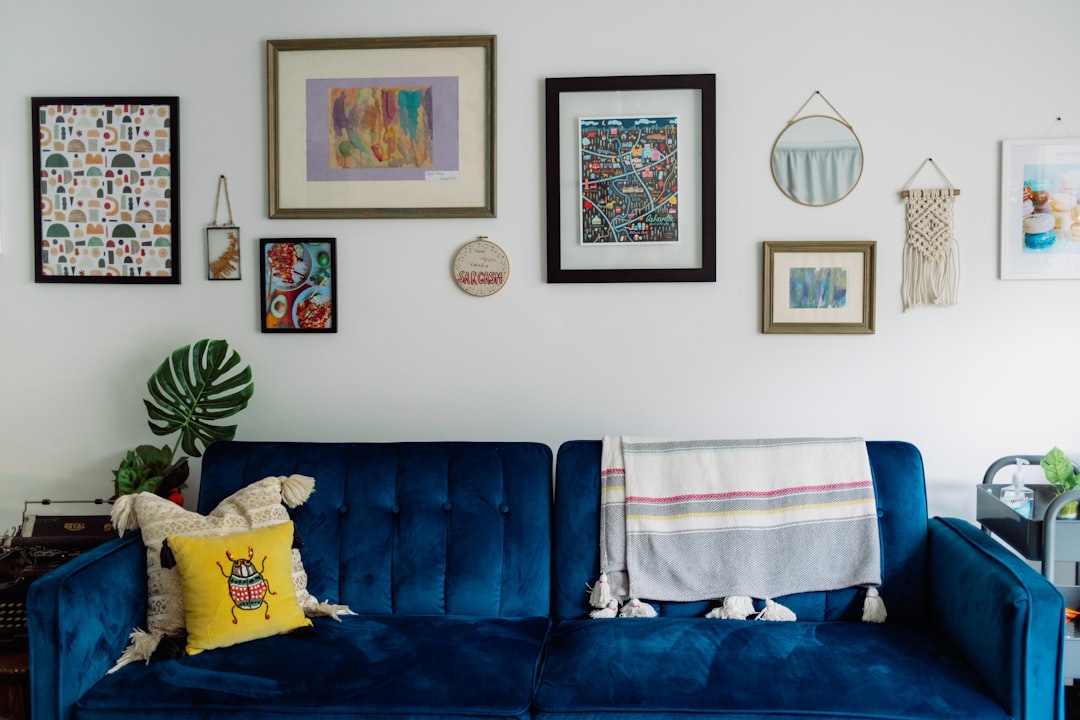
Bathrooms shift toward spa inspired comfort. Buyers want spaces that feel clean and quiet. Walk in showers gain popularity. Tubs remain but feel simple and deep.
Materials feel warm and natural. Lighting feels soft and flattering. Storage keeps counters clear. Because mornings set the tone, buyers value calm bathrooms.
These spaces add emotional appeal. They also support higher perceived value. Therefore, bathroom updates often deliver strong returns.
Smart home features continue to grow. However, buyers want simple and reliable systems. Lighting, security, and climate controls top the list.
Technology should feel easy, not flashy. Hidden wiring and clean panels keep spaces neat. Because buyers vary in comfort, systems must feel optional.
These features attract tech aware buyers. They also support safety and efficiency. Therefore, smart design adds quiet value to listings.
Exterior design still drives first impressions. Buyers judge quickly from the street. Therefore, clean lines and welcoming entries matter.
Siding colors feel natural and soft. Landscaping looks simple and cared for. Lighting highlights paths and doors. Because curb appeal sets emotion, it influences showings.
Strong exteriors help South Nashua houses for sale gain attention. They also support Southern NH Houses for sale for sale in competitive areas. First impressions truly count.
Home Design Trends 2026 favor lasting choices. Buyers prefer homes that age well. Therefore, classic shapes and honest materials lead.
Trends now feel slower and thoughtful. People want homes that grow with them. Because moving costs feel high, buyers plan to stay longer.
Timeless design supports resale value. It also reduces future update needs. Therefore, it feels both smart and comforting.
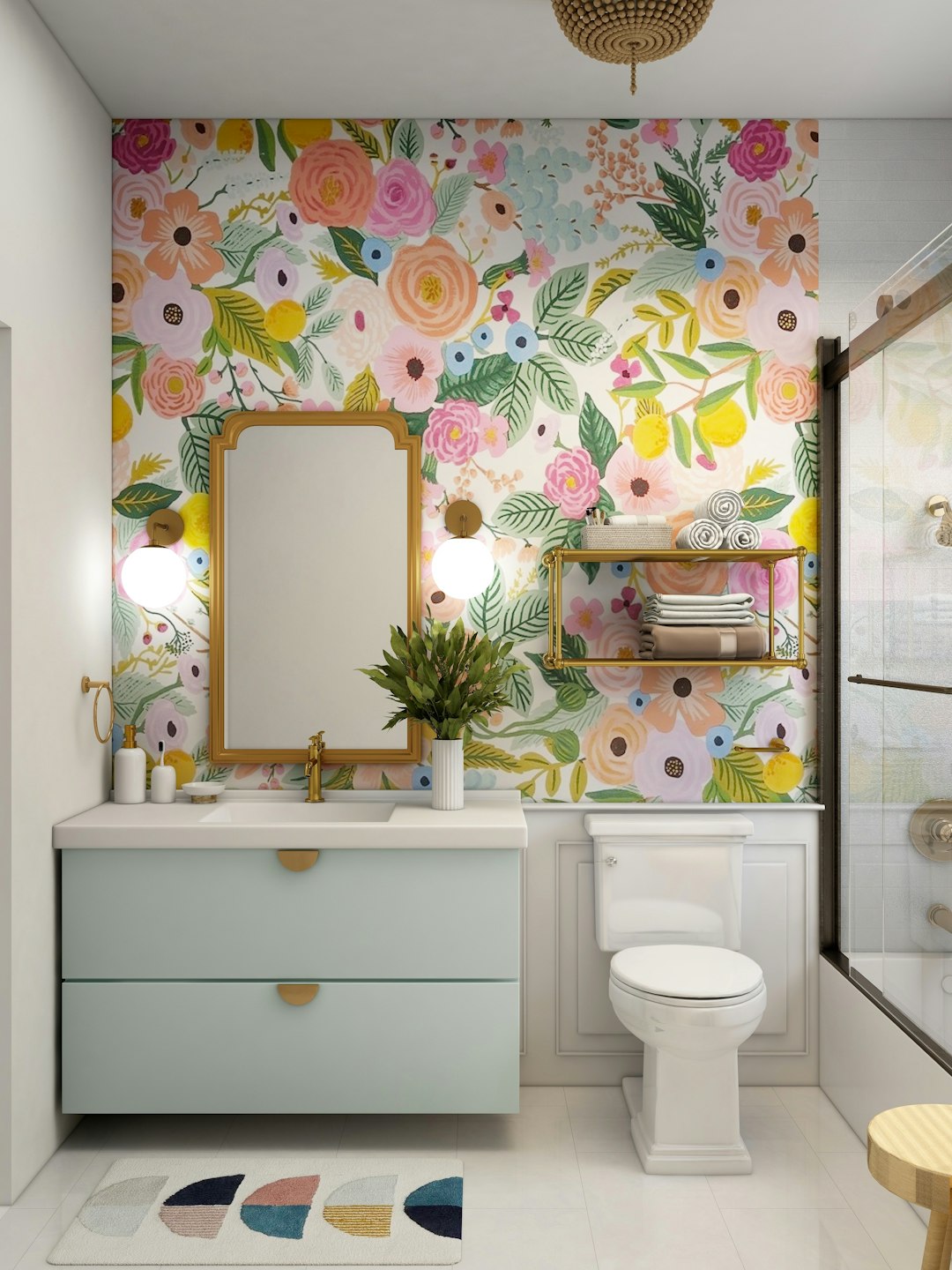
REALTORS play a key role in explaining trends. Clients trust guidance that feels clear and honest. Therefore, sharing design insights builds confidence.
Agents can suggest simple updates before listing. They can also help buyers see potential. Because trends guide taste, they shape decisions.
In New Hampshire markets, this knowledge sets professionals apart. It also builds trust and long term relationships.
Home Design Trends 2026 reflect how people want to live now. Comfort, flexibility, and calm guide every choice. These trends support value, emotion, and daily ease. Buyers exploring South Nashua houses for sale respond well to these features. The same holds true for Southern NH Houses for sale as demand stays strong. Therefore, understanding design trends helps every buyer and seller make smarter moves with confidence.
If you need more tips on home design trends 2026, or are ready to sell your house give us a call at (603) 883-8840. You can also sign up for your dream home search or reach out to Our Agents for more information. We’d love to help you with your real estate needs.

Looking for the perfect place to settle down in New Hampshire? You are in luck. Southern NH neighborhoods offer a mix of charm, convenience, and lifestyle that keeps buyers coming back. From vibrant Nashua to cozy Londonderry, these areas have something for everyone. Whether you are searching for Southern NH houses for sale or just exploring your options, understanding which neighborhoods stand out can make your home search easier and even a bit more fun.
Buying a home is more than just walls and a roof. It is about community, schools, and access to daily conveniences. That is why Southern NH neighborhoods are so desirable. They strike a perfect balance between suburban peace and city accessibility. Want to live somewhere that is close to shopping, restaurants, and good schools but still feels like a retreat after a long day? Then these neighborhoods should be on your radar.
Nashua often takes the top spot when people think of Southern NH neighborhoods. It is the second largest city in the state but still feels welcoming and approachable. People love Nashua for its vibrant downtown, excellent schools, and family-friendly parks. If you are looking for Southern NH houses for sale, Nashua offers a wide variety. From charming older homes to modern new constructions, there is something for every taste and budget.
Downtown Nashua has a surprising mix of restaurants, coffee shops, and local boutiques. You can enjoy a quick walk along the Nashua River and still be minutes from highways for commuting. Families especially like the school options here. The public schools consistently score above average, and there are several private schools that offer unique programs for students.
Neighborhoods have a mix of historic charm and modern convenience. You might even find yourself chatting with neighbors at local farmers markets or community events. That sense of connection is part of what makes Nashua one of the most desirable Southern NH neighborhoods.
Hudson is another top choice for buyers searching Southern NH houses for sale. Why? It offers suburban tranquility with easy access to Massachusetts. Many residents commute to Boston for work but come home to spacious yards, quiet streets, and a strong sense of community.
Schools in Hudson are consistently well rated, which makes this area popular with families. The town also has a number of parks, recreational areas, and local shops that make life enjoyable. Plus, Hudson’s neighborhood streets have that “friendly neighbor” vibe that you can feel as soon as you take a walk in the morning.
Neighborhoods stand out for their family-friendly layouts. Streets lined with trees, sidewalks for walking, and homes with spacious backyards make it a place where kids can run around safely. It’s also great for buyers who want a mix of older charm and modern homes. Hudson remains a favorite among those looking to combine lifestyle, comfort, and Southern NH real estate value.
Merrimack is often overlooked, but it deserves a spot on the list of most desirable Southern NH neighborhoods. It is quietly nestled between Nashua and Manchester, giving residents easy access to both cities while maintaining a suburban feel. Many people choose Merrimack because it offers affordable Southern NH houses for sale without compromising on quality of life.
The town is filled with parks, walking trails, and family-friendly activities. Schools are excellent, making it perfect for growing families. Merrimack also boasts a strong sense of community. Neighbors know each other, and local events bring everyone together. If you want a peaceful place to raise a family while still being close to city amenities, Merrimack should be on your list.
If you like more space, Londonderry is worth a serious look. This town is known for its larger lots, newer developments, and quiet streets. It is ideal for buyers who want Southern NH houses for sale with room to grow, maybe even a backyard big enough for a pool or garden.
Londonderry schools are excellent and highly regarded throughout the state. Families are drawn to this area because it feels like a safe haven while still being within reach of Manchester and Boston. Neighborhoods offer modern homes, well-kept streets, and a sense of exclusivity. It is one of those areas where you immediately feel like you have found home.
Looking for Southern NH neighborhoods with character? Amherst and Hollis are perfect examples. These towns are smaller but packed with appeal. Amherst offers historic homes, quiet streets, and top-rated schools. Hollis feels like stepping back in time with its scenic landscapes, farmland, and community events.
These areas are not just pretty. They also provide strong investment potential. Homes here tend to hold value because the demand for Southern NH neighborhoods with charm, good schools, and convenient commuting options stays high. If you love that classic New England feel with modern conveniences, you will want to explore Amherst and Hollis when looking at Southern NH houses for sale.
So why are these neighborhoods so popular? First, they offer a perfect mix of lifestyle benefits. Families get safety, excellent schools, and recreational opportunities. Professionals enjoy commuting options and access to dining and shopping. Retirees appreciate the quiet streets, community feel, and quality healthcare nearby.
Second, Southern NH neighborhoods are diverse. There are older, character-filled homes, newer constructions, and everything in between. That variety makes it easier for buyers to find a home that fits their style and budget.

Typical peaceful town with friendly neighbors will help you decide to own a property for sale in South NH
Finally, these neighborhoods are growing. Local economies are strong, property values are solid, and the communities continue to improve. That means when you invest in Southern NH houses for sale, you are buying more than just a home—you are buying a lifestyle that pays off in happiness, convenience, and long-term value.
If you are considering moving to Southern NH, spend time exploring each neighborhood. Visit local parks, walk the streets, and talk to residents. See how traffic feels during rush hour and check out local businesses. Southern NH neighborhoods offer a lot of options, but the right one depends on your lifestyle, family needs, and budget.
Remember, the most desirable neighborhoods are often the ones that combine strong schools, convenient location, and a sense of community. That is why Nashua, Hudson, Merrimack, Londonderry, Amherst, and Hollis remain at the top of buyers’ lists.
Whether you are a first-time buyer or looking to upgrade, Southern NH houses for sale provide opportunities to find a home that fits your vision. From bustling downtowns to quiet streets, there is a neighborhood waiting to welcome you.
Southern NH neighborhoods continue to be some of the most sought-after areas in the state. From the vibrant city life of Nashua to the peaceful streets of Londonderry, there is something for every buyer. Families, professionals, and retirees all find their perfect fit here. Exploring Southern NH houses for sale will show you why these communities are more than just places to live. They are places to thrive.
If you need more tips on Southern NH Neighborhoods, or are ready to sell your house give us a call at (603) 883-8840. You can also sign up for your dream home search or reach out to Our Agents for more information. We’d love to help you with your real estate needs.

Buying a home brings many questions. Taxes often create the most confusion. Southern NH property taxes play a big role in monthly costs and long term planning. Buyers should understand them early.
When reviewing Southern NH Houses for sale, taxes should always be part of the conversation. They affect affordability more than many expect. This guide explains how taxes work in clear and simple terms.
The goal is confidence. With the right knowledge, buyers can plan wisely and avoid surprises.
Property taxes support daily life in each town. They fund schools, roads, and public safety. Libraries, parks, and town services also rely on tax dollars.
Unlike some states, New Hampshire does not have a broad income tax. Property taxes carry more weight instead. This structure makes local tax rates important.
Buyers should view taxes as part of community investment. Strong services often reflect thoughtful spending.
Southern NH property taxes start with assessed value. Each town assesses homes based on market value. Assessments usually occur every few years.
The town then applies a tax rate. This rate is set annually. It reflects the town budget and total assessed value.
Taxes equal assessed value multiplied by the tax rate. Knowing both numbers helps buyers estimate costs.
Every town sets its own budget. School costs, staffing, and services differ. These choices shape tax rates.
Some towns have higher home values. Others rely more on residential taxes. Business presence can also impact rates.
Buyers comparing Southern NH Houses for sale should review town tax histories. Patterns often matter more than one year.

Tax rates are shown as dollars per thousand. A rate of twenty means twenty dollars per thousand of value.
For example, a three hundred thousand dollar home would owe six thousand dollars at that rate. This math helps buyers plan.
Agents often help explain this step. It turns confusion into clarity quickly.
Assessed value may differ from purchase price. Some towns assess below market. Others stay close to current values.
Buyers should not assume taxes will match the seller’s bill. New purchase prices can trigger reassessment.
Understanding this gap helps avoid surprises after closing.
Towns reassess properties periodically. This process updates values across the board. Reassessments do not always raise taxes. They often adjust values evenly. Individual tax bills depend on the new rate.
Buyers should ask when the last reassessment occurred. Timing matters for planning.
Schools represent the largest tax expense. Education quality often links directly to tax levels. Towns with strong schools may have higher rates. Many buyers see this as a fair trade.
When reviewing Southern NH property taxes, school budgets deserve attention. They shape both cost and value.

Fire departments, police, and public works cost money. Town size and layout influence expenses.
Rural towns may spend more per home on roads. Dense towns spread costs across more properties.
Buyers should match lifestyle preferences with service levels. Taxes often reflect those choices.
Comparing taxes requires context. A lower rate does not always mean lower cost. Higher home values can offset savings.
Buyers should compare total tax bills, not just rates. This approach paints a clearer picture.
A local agent can help analyze these differences quickly.
Many southern towns fall into predictable ranges. Suburban towns often sit in the middle. Commuter friendly towns may have slightly higher rates. Access and demand influence budgets.
Understanding these patterns helps buyers set expectations early.
Property taxes usually roll into escrow payments. Lenders collect taxes monthly. This system spreads costs evenly across the year. Buyers should review escrow estimates carefully.
Accurate tax estimates prevent payment shocks later.

Escrow accounts adjust annually. Changes reflect actual tax bills. If taxes rise, payments increase slightly. If taxes drop, buyers may see refunds.
Understanding this cycle reduces stress and confusion.
New Hampshire offers limited exemptions. Seniors and veterans may qualify. Income and residency rules apply. Buyers should ask town offices directly.
Even small exemptions help long term budgets.
Homeowners can appeal assessments. Towns provide clear timelines. If a value seems too high, evidence helps. Comparable sales often support appeals.
Buyers should know this option exists. It empowers homeowners.
Taxes influence buyer demand. Extremely high taxes can slow sales. Balanced taxes paired with strong services attract steady interest.
Southern NH property taxes often support long term value when managed well.
New homes often start with land assessments. Taxes rise after completion. Buyers should plan for higher bills in year two. This step surprises many first time buyers.
Builders and agents can estimate future taxes accurately.
Condos often have lower taxes than single family homes. Shared land lowers assessed value. Buyers should still review association fees. Total costs matter more than one number.
Taxes and fees together shape affordability.

Multi family homes carry higher values. Taxes reflect income potential. Buyers should factor rent into planning. Taxes often remain manageable with cash flow.
Investors watch Southern NH property taxes closely for this reason.
Rural homes may have larger lots. Land value adds to assessment.
However, services may be fewer. Rates sometimes balance out.
Buyers should review full tax bills before deciding.
New Hampshire lacks broad income tax. Property taxes fill the gap. Buyers moving from other states may notice the shift.
Overall cost of living often balances out with careful planning.
Smart buyers plan taxes early. They review town budgets and trends. They also ask questions before making offers. Knowledge builds confidence.
This approach leads to better decisions and smoother closings.
Local agents understand tax nuances. They track changes and patterns. They also explain how taxes affect offers. Guidance saves time and stress.
A trusted agent becomes a key resource.
Listings often show current tax bills. Buyers should read them carefully. Taxes help shape monthly comfort. They deserve equal attention as price.
Southern NH Houses for sale offer variety across many tax ranges.

Every buyer values different things. Some prioritize schools. Others want privacy.
Taxes often reflect these priorities. Balance matters most.
Buyers should choose what fits their life best.
Some buyers ignore taxes until closing. Others assume they will stay flat. Both mistakes create stress. Early review prevents problems.
Asking questions always helps.
Tax rates change yearly. However, trends matter more than spikes. Southern New Hampshire remains stable overall. Growth often spreads costs.
This stability supports confident buying decisions.
Southern NH property taxes may feel complex at first. With clear guidance, they become manageable. Knowledge turns concern into control.
When exploring Southern NH Houses for sale, taxes deserve careful review. They shape comfort, value, and long term plans.
With the right support, buyers can move forward with confidence and peace of mind.
If you need more tips on Southern NH Property taxes, or are ready to sell your house give us a call at (603) 883-8840. You can also sign up for your dream home search or reach out to Our Agents for more information. We’d love to help you with your real estate needs.

Many buyers focus on popular New Hampshire cities first. They often overlook places that offer strong value and charm. Hidden NH towns provide comfort, space, and long term potential. These areas attract buyers who want more home for their money.
In today’s market, value matters more than ever. Buyers want good schools, peaceful settings, and steady resale strength. Many also want access to Southern NH Houses for sale without city level prices. Hidden NH towns often meet those goals with ease.
This guide highlights communities that deserve attention. Each town offers something special. Some bring scenic views. Others shine with schools or community pride. All offer opportunity for smart buyers.
Home prices continue to rise across New Hampshire. Buyers now look beyond well known zip codes. Hidden NH towns provide relief from bidding pressure. They also deliver quality living without compromise.
These towns often sit just minutes from highways or job centers. Commutes remain manageable. Daily life feels calmer. Families enjoy larger lots and quieter streets.
Buyers also notice strong community ties. Neighbors know each other. Local events still matter. That sense of place attracts both first time buyers and retirees.
Hidden NH towns often offer lower purchase prices. Taxes may also feel more manageable. Buyers can often afford extra space or newer features. That value supports long term satisfaction.
Homes in these areas include colonials, capes, and ranch styles. Many feature yards, garages, or wooded views. Buyers who feel priced out elsewhere often feel relief here.
This value also helps sellers. Homes priced well tend to move quickly. Buyers see fairness and act with confidence.

School quality drives many buying decisions. Hidden NH towns often surprise buyers with strong districts. Teachers know families. Class sizes feel personal. Students receive attention and support.
Communities like Bow, Pembroke, and Epsom earn steady praise. Parents appreciate safe environments and local involvement. Schools often anchor town pride.
These towns prove that great education does not require city living. Buyers gain peace of mind along with financial balance.
New Hampshire offers natural beauty across the state. Hidden NH towns often sit near lakes, trails, or rolling hills. Daily life feels calm and grounded.
Places like Washington or Andover offer mountain views and quiet roads. Wildlife sightings feel normal. Seasonal beauty becomes part of routine life.
This scenery supports wellness and balance. Many buyers now value space and nature more than ever. These towns answer that need with grace.
Southern New Hampshire remains popular for good reason. Proximity to Boston and major routes drives demand. Still, several towns remain undervalued.
Communities like Candia and Chester offer charm and convenience. Homes feel spaced out. Commutes stay reasonable. Buyers searching Southern NH Houses for sale should explore these options closely.
These towns often include village centers and historic touches. They blend old character with modern living. Buyers find comfort and connection.

Candia sits east of Manchester. It feels rural yet connected. Buyers enjoy larger lots and wooded settings. Schools earn steady respect.
Homes here range from classic colonials to custom builds. Prices often surprise buyers in a good way. Many feel they get more than expected.
Candia appeals to families and professionals alike. It offers calm without isolation. That balance drives growing interest.
Chester features charming homes and a close knit feel. The town green hosts events throughout the year. Residents value tradition and care.
Homes often feature historic details and thoughtful updates. Buyers appreciate pride of ownership. The town supports both young families and downsizers.
Chester also provides easy access to routes and services. Buyers gain convenience without losing charm.
Lakes attract many buyers. Some assume lake towns cost more. Hidden NH towns challenge that belief. Several offer access without premium pricing.
Places like Northwood or Barnstead provide water access and privacy. Residents enjoy boating, fishing, and quiet mornings. Homes range from year round to seasonal styles.
Buyers seeking lifestyle value often find it here. These towns reward exploration and patience.
Northwood sits near Route 4. Access to the Seacoast and Concord feels easy. The town includes several lakes and wooded roads.
Homes often sit on generous lots. Buyers enjoy privacy and nature. Schools remain a draw for families.
Northwood attracts buyers who want space and water nearby. It delivers calm without sacrificing connection.
Barnstead offers rolling land and quiet streets. It feels relaxed and grounded. Many buyers appreciate the pace of life.
Homes include farmhouses and newer builds. Prices often feel approachable. Buyers enjoy long term potential and stable demand.
Barnstead works well for buyers seeking escape from busy areas. It rewards those who value peace.

History adds depth to many communities. Hidden NH towns often preserve their past with care. Buyers feel character in every street.
Towns like New Boston or Wilton highlight this charm. Colonial homes and village centers feel welcoming. Local shops support community life.
These areas appeal to buyers who value story and connection. Homes here feel lived in and loved.
New Boston sits west of Manchester. It offers trails, streams, and a classic town center. Buyers enjoy scenic drives and quiet nights.
Homes often include antique features and wooded settings. Prices remain competitive. Demand stays steady.
New Boston suits buyers who want charm and space. It feels timeless yet practical.
Wilton offers a walkable center and creative spirit. Local events bring neighbors together. Buyers enjoy a lively yet calm atmosphere.
Homes include restored colonials and capes. Many feature mature landscaping. Prices reflect value and care.
Wilton attracts buyers who want culture without congestion. It feels warm and inviting.
First time buyers face real challenges today. Hidden NH towns offer relief and opportunity. Prices often fit entry level budgets.
These towns also support growth. Buyers can build equity and stability. Starter homes often include yards and storage.
Communities like Franklin or Hillsborough deserve attention. They offer services and improving appeal.
Franklin continues to invest in its future. Downtown updates and river access draw interest. Buyers see potential and promise.
Homes range from affordable to renovated. Prices allow room for improvement. Investors also take note.
Franklin appeals to buyers with vision. It rewards those who act early.
Hillsborough covers a wide area. Buyers enjoy choice and flexibility. Rural and village settings coexist.
Homes include capes, ranches, and colonials. Prices remain accessible. Schools and services support families.
Hillsborough suits buyers who want room to grow. It offers steady value.
Real estate professionals track trends daily. Many now highlight Hidden NH towns. Demand continues to shift outward.
Buyers want lifestyle and affordability together. These towns provide both. Inventory often moves faster than expected.
Agents also see strong resale potential. As awareness grows, values rise steadily.
Search tools often focus on major towns. Buyers benefit from expanding filters. Southern NH Houses for sale include many overlooked gems.
Working with a local agent helps. Knowledge opens doors. Buyers gain access to options others miss.
These towns reward exploration and guidance. Smart searches lead to better outcomes.

Today’s buyers value balance. Work from home options changed priorities. Space and calm now matter more.
Hidden NH towns support this shift. They offer room to breathe and connect. Daily stress feels lower.
These towns align with modern needs. They support health, family, and peace.
Real estate value grows over time. Hidden NH towns offer steady appreciation. Demand rises as buyers learn more.
These communities resist extreme swings. Stability attracts long term owners. That trend supports prices.
Buyers who enter early often benefit most. Timing and insight matter.
New Hampshire offers more than famous locations. Hidden NH towns bring value, beauty, and opportunity together. Buyers gain space, schools, and scenery.
Southern NH Houses for sale extend far beyond expected borders. Exploring lesser known towns opens new paths. Choices feel wider and smarter.
If you want comfort, balance, and long term strength, start looking closer. Hidden NH towns may hold your perfect home.
If you need more tips on (idea here), or are ready to sell your house give us a call at (603) 883-8840. You can also sign up for your dream home search or reach out to Our Agents for more information. We’d love to help you with your real estate needs.