
Tag Archives for " New Hampshire real estate "

Since the start of the pandemic, homeowners have shifted how they view outdoor space. Yards, patios, and front entries now feel just as important as kitchens and living rooms. Buyers touring Londonderry houses for sale and Southern NH Houses for sale often comment on outdoor features before stepping inside. This growing focus on curb appeal has created real financial opportunity for homeowners planning to sell.
Spending more time at home changed priorities. People wanted outdoor comfort, privacy, and usable space. As a result, demand for exterior upgrades grew fast. Many of these projects now deliver strong resale value when done thoughtfully.
This article breaks down which outdoor upgrades pay off most. It also explains why buyers value these features so highly in today’s real estate market.
The pandemic changed daily routines. Backyards became offices, play areas, and relaxation spaces. Front yards became places to connect safely with neighbors.
Buyers now view outdoor space as an extension of the home. A well designed exterior signals comfort and lifestyle. That emotional response often drives stronger offers.
In competitive markets, outdoor features help homes stand out. Buyers compare listings closely and exterior appeal influences final decisions.
Curb appeal remains the first thing buyers see. It sets expectations before they walk inside. A clean and inviting exterior builds trust instantly.
Buyers assume exterior care reflects interior care. When landscaping looks healthy and finishes feel updated, buyers expect fewer problems.
This perception often leads to faster showings and better offers. Small exterior upgrades can create big emotional impact.
Patios, decks, and outdoor seating areas top buyer wish lists. These spaces feel usable and enjoyable. Buyers imagine relaxing and entertaining right away.
Well built decks with clean finishes perform especially well. Covered patios and pergolas add comfort and shade.
Homes with functional outdoor living areas often sell faster. Buyers see immediate lifestyle value, not just visual appeal.

Decks and patios expand usable space without major interior changes. They cost less than additions but feel impactful.
Buyers appreciate defined outdoor areas that feel intentional. Simple layouts work better than complex designs.
Quality materials and solid construction matter. Poor builds hurt value and inspection results.
Landscaping trends favor simplicity. Buyers want neat lawns, trimmed shrubs, and healthy plants. Overgrown yards feel like work.
Native plants and low maintenance designs attract interest. These features suggest lower upkeep costs.
Homes with clean landscaping photograph better and show better. That advantage boosts listing performance.
The front door serves as a focal point. Updated doors create a strong welcome.
Fresh paint, new hardware, and clear pathways improve appearance. Lighting also plays a key role.
Buyers notice details at the entry. These small upgrades feel personal and inviting.
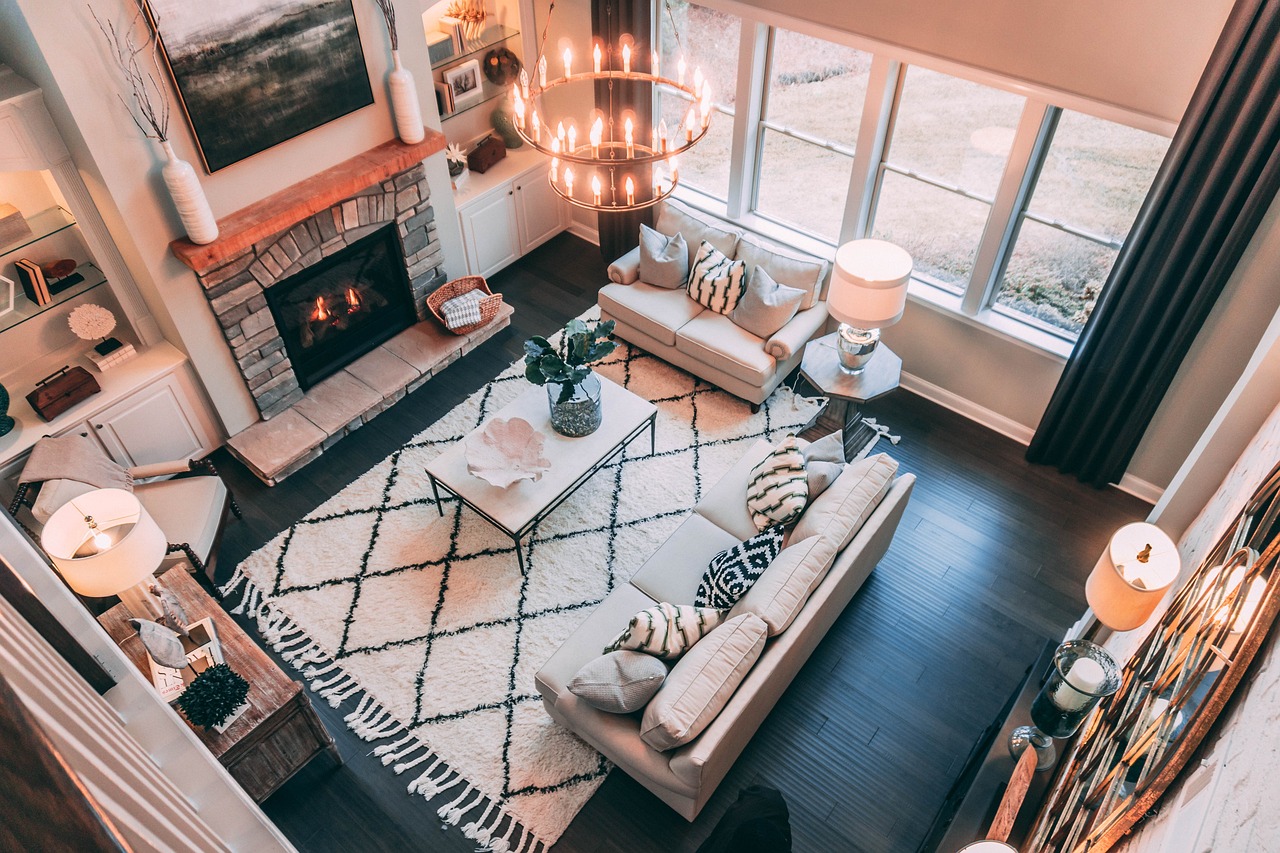
Exterior lighting increases safety and beauty. Buyers value well lit walkways and entries.
Soft lighting highlights landscaping and architectural features. It creates warmth at night.
Energy efficient lighting appeals to cost conscious buyers. Solar options also gain attention.
Privacy became more important after the pandemic. Buyers want defined spaces that feel secure.
Fences, hedges, and screens help create that feeling. They also improve usability of yards.
Well maintained fencing adds structure and appeal. Poor fencing hurts first impressions.
Cracked driveways and uneven walkways raise concerns. Buyers view them as maintenance issues.
Simple repairs improve safety and appearance. Clean surfaces feel cared for.
These updates support positive first impressions and smoother negotiations.
Outdoor kitchens attract buyers who enjoy entertaining. Even simple setups feel luxurious.
Fire pits and fireplaces extend outdoor use into cooler months. Buyers imagine gatherings and comfort.
These features should fit the home and neighborhood. Overbuilt spaces may not add extra value.

Most buyers start their search online. Exterior photos often appear first.
Strong curb appeal increases clicks and showing requests. Light, clean exteriors photograph best.
Homes with inviting outdoor spaces stand out in listing feeds.
Upgrades should match the neighborhood. Extreme features may not return full value.
A REALTOR can guide homeowners on smart choices. Local knowledge helps protect investment.
Balanced improvements often outperform bold designs.
Not every project needs a large budget. Paint, mulch, and lighting offer strong returns.
Clean up matters as much as upgrades. Power washing refreshes surfaces quickly.
Simple improvements can transform a home’s look.
Buyer expectations remain high. Outdoor features continue to influence decisions.
Homes across Southern NH Houses for sale with updated exteriors attract more interest. Buyers want homes that feel ready to enjoy.
In active markets, curb appeal helps homes compete confidently.
Sellers often focus inside first. However, buyers see the outside first.
Preparing the exterior before listing builds momentum. It also supports higher perceived value.
Exterior improvements often pay off faster than interior changes.

Buyer feedback highlights outdoor comfort. They mention yards, patios, and entries often.
These features create emotional connection. Buyers imagine daily life quickly.
That emotional response supports stronger offers.
Exterior upgrades protect value over time. They reduce wear and improve durability.
Well maintained exteriors lower future repair needs. Buyers appreciate that security.
These investments benefit both sellers and future homeowners.
Homeowners who invest wisely in curb appeal often see strong returns. Outdoor features remain in high demand and influence buyer decisions. Thoughtful projects improve both lifestyle and resale outcomes.
Whether preparing to sell or planning ahead, exterior upgrades matter. In competitive markets like Londonderry houses for sale and Southern NH Houses for sale , curb appeal helps homes stand out and sell with confidence.
Smart exterior choices create lasting value and strong first impressions.
If you need more tips on curb appeal, or are ready to sell your house give us a call at (603) 883-8840. You can also sign up for your dream home search or reach out to Our Agents for more information. We’d love to help you with your real estate needs.

First impressions matter more than ever in real estate. Buyers often decide how they feel about a home before stepping inside. That reaction starts at the curb. Across Londonderry houses for sale and Southern NH Houses for sale, homeowners are changing exterior colors to create brighter and more welcoming looks. These choices strongly influence buyer interest and perceived value.
In recent years, exterior paint colors have shifted toward lighter and softer tones. Homeowners want homes that feel fresh, clean, and inviting. Dark exteriors once felt bold and dramatic. Today, lighter colors feel safer and more appealing to a wider range of buyers.
This trend reflects changing buyer preferences. People want homes that feel cheerful and well cared for. Let’s explore the most popular exterior color choices and why they work so well in today’s New Hampshire real estate market.
Exterior color plays a major role in curb appeal. It sets the tone for the entire property. Buyers form opinions quickly based on color alone.
Lighter exterior colors make homes appear larger and brighter. They reflect natural light better and highlight architectural details. This effect feels especially important in New Hampshire, where seasonal light changes often.
In competitive markets, small details matter. Homes with appealing exteriors draw more showings and stronger offers. Exterior color trends help sellers stay current and attractive to buyers.
Homeowners now favor lighter palettes over dark tones. Light colors feel modern and timeless at the same time. They also photograph better for online listings.
Buyers associate light colors with cleanliness and care. These homes feel move in ready. That emotional response matters.
Across Southern NH Houses for sale, lighter exteriors stand out positively. They create a sense of warmth and openness that buyers appreciate.
Soft white remains one of the most popular choices for home exteriors. It feels classic, clean, and welcoming. Unlike stark white, warm white tones add softness and charm.
These colors work well on many architectural styles. Colonials, capes, and farmhouses benefit from warm white exteriors. Trim details stand out clearly without feeling harsh.
Buyers trust white homes. They feel safe and familiar. That comfort supports strong emotional connections and buyer confidence.
White reflects light well during darker months. It helps homes feel brighter even in winter.
White also pairs easily with stone, brick, and wood accents. This flexibility helps homeowners update details over time.
In real estate, white exteriors rarely feel outdated. That timeless appeal protects resale value.

Light gray remains popular, but with a softer approach. Cool gray tones are fading. Warm gray colors feel friendlier and more inviting.
These shades offer a modern look without feeling cold. They balance neutral appeal with subtle character.
Buyers appreciate light gray exteriors because they feel fresh but not trendy. That balance works well for long term value.
Warm gray highlights landscaping and architectural features. It complements natural surroundings well.
These colors also hide dirt better than pure white. That practical benefit appeals to busy homeowners.
Light gray exteriors photograph beautifully, which helps listings perform online.
Beige has made a strong comeback, especially softer versions. Greige blends gray and beige for a warm neutral look.
These colors feel natural and calm. They blend well with wooded settings and stone features common in New Hampshire.
Buyers often describe beige exteriors as comfortable and welcoming. That emotional response supports faster decisions.
Modern beige tones feel updated and clean. They avoid the dated look of older shades.
Greige adds depth without heaviness. It works well in both sunny and shaded areas.
Homes with beige exteriors feel balanced and grounded.
Soft blue gray tones continue to grow in popularity. These colors feel peaceful and relaxed.
Homeowners choose these shades to create subtle personality without overwhelming buyers. Blue gray adds charm while staying neutral.
In coastal inspired designs, these colors feel especially appealing. They connect well with nature and sky.
Buyers often describe these homes as calming and charming. They feel unique without being risky.
Blue gray works well with white trim and natural wood accents. That combination feels timeless.
These colors stand out gently among neighboring homes.
Nature inspired colors are gaining attention. Light sage green leads the way.
These tones feel earthy and peaceful. They blend well with landscaping and natural surroundings.
Buyers appreciate the softness of sage green. It feels different yet familiar.
Green connects homes to nature. That connection feels comforting and grounded.
Light green tones avoid bold statements. They support broad buyer appeal.
Homes with sage exteriors often feel thoughtfully designed.
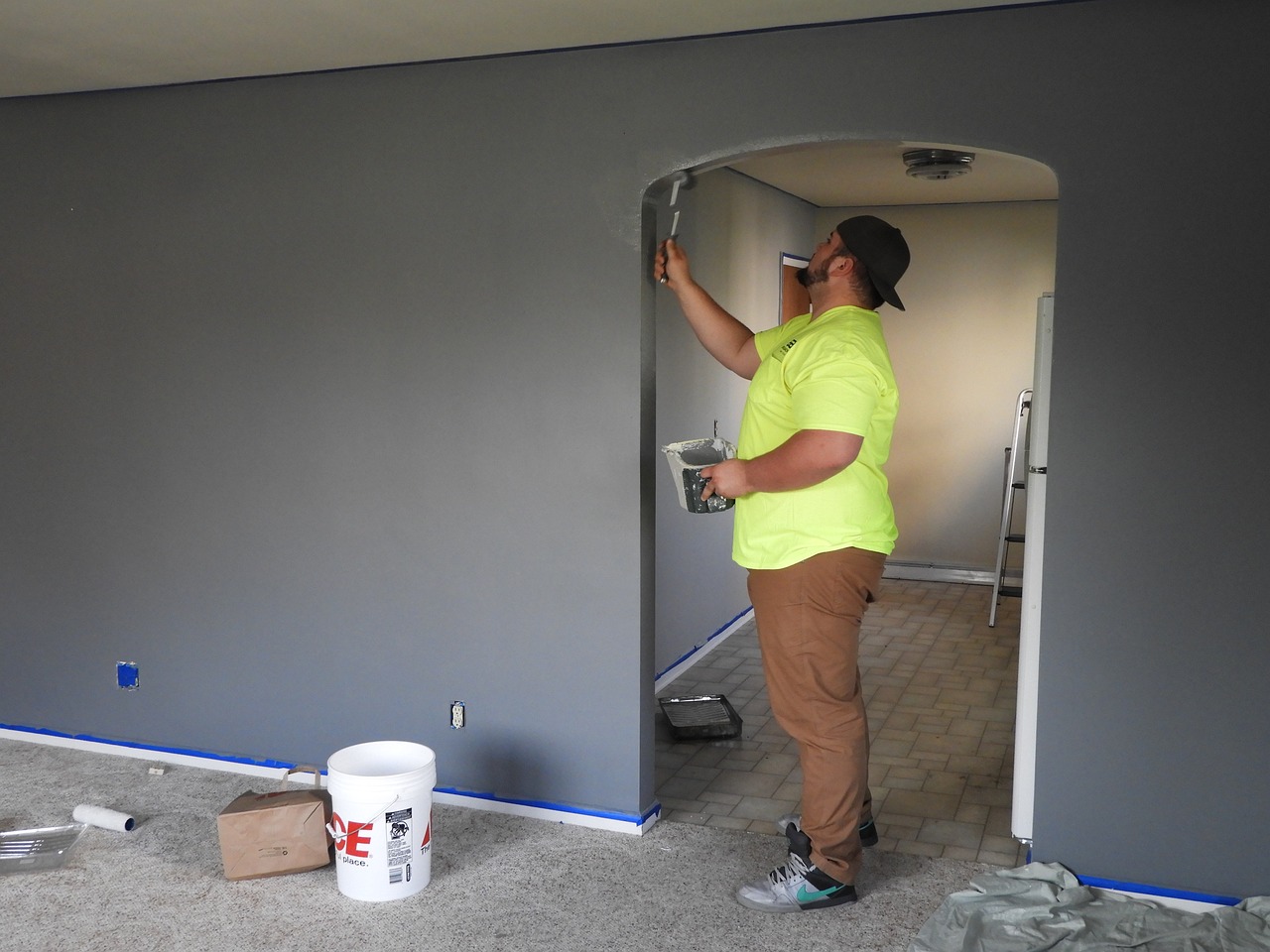
Exterior color affects perceived condition. A fresh and appealing exterior suggests good maintenance.
Buyers often assume interior care matches exterior care. That assumption supports stronger offers.
Homes with updated exterior colors tend to sell faster and closer to asking price.
Most buyers start their search online. Listing photos matter. Light exterior colors photograph better in all lighting conditions. They appear crisp and inviting on screens.
This advantage increases click through rates and showing requests.
Color choices should respect neighborhood style. Homes should complement surrounding properties. This does not mean matching exactly. It means choosing colors that fit the area.
A REALTOR can help guide these decisions to protect value.
Painting the exterior ranks high among impactful updates. It offers strong return on investment. Fresh paint improves curb appeal instantly. Buyers notice right away.
In areas like Londonderry houses for sale, this update helps homes stand out among similar listings.
New Hampshire weather impacts exterior paint choices. Lighter colors handle fading better over time. Quality paint matters as much as color. Proper prep ensures longevity.
Homeowners should plan painting during ideal seasons for best results.
Trim colors remain mostly white or off white. These tones provide clean contrast.
Dark shutters appear less often now. Softer accents feel more current.
Subtle contrast creates interest without overpowering the home.
Experienced REALTORS understand buyer preferences. They see patterns across listings and sales. They help sellers choose colors that attract buyers, not just personal taste.
This guidance reduces risk and supports better outcomes.
Trends change, but some choices remain safe. Light and neutral colors age well. They allow future buyers to personalize easily. That flexibility matters.
Homes that feel adaptable attract wider interest.
Overly dark colors can feel heavy. Bold colors limit buyer appeal. Unusual shades may attract attention but reduce offers.
Safe does not mean boring. It means smart.
Real estate trends show homeowners moving toward brighter exteriors. These choices improve curb appeal and buyer confidence. Smart exterior paint colors help homes feel fresh, welcoming, and valuable.
Whether preparing to sell or simply improving your home, exterior color matters. In competitive markets like Southern NH Houses for sale and Londonderry houses for sale, thoughtful updates make a difference.
A lighter exterior creates strong first impressions and lasting value. When done right, it helps homes shine in every season.
If you need more tips on exterior paint colors, or are ready to sell your house give us a call at (603) 883-8840. You can also sign up for your dream home search or reach out to Our Agents for more information. We’d love to help you with your real estate needs.

Flipped homes are everywhere in today’s housing market. Some impress buyers right away, while others raise red flags. When touring flipped houses, buyers often feel excitement mixed with concern. That reaction happens often across Londonderry houses for sale and Southern NH Houses for sale, where flips appear at many price points.
In real estate, flipped houses sit at the center of a constant battle. On one side stands quality construction and skilled craftsmanship. On the other side sits aggressive cost cutting and profit pressure. Buyers feel the results of that struggle the moment they walk through the door.
This article breaks down how flips work, what buyers should watch for, and how quality choices protect value. Whether you plan to buy, sell, or simply stay informed, understanding flips helps you make smarter decisions.
A flipped home is purchased, renovated, and resold in a short period. Investors aim to improve appearance quickly and sell for profit. Some investors care deeply about quality. Others focus only on speed and cost.
Flips often feature fresh paint, new flooring, and updated kitchens. These changes attract attention and boost first impressions. However, surface updates do not always reflect structural quality.
Buyers need to look deeper. Real value comes from solid work behind the walls. When construction quality wins, flipped homes shine. When cost cutting wins, problems follow.
Flipped homes appeal to buyers who want move in ready spaces. Fresh finishes feel modern and clean. Updated kitchens and baths often top buyer wish lists.
Many buyers feel relief knowing major updates appear complete. They imagine fewer projects and faster settling in. That emotional comfort drives interest.
In competitive markets like Southern NH Houses for sale, move in ready homes often sell quickly. Flips can offer convenience when done well.
Quality focused investors prioritize long term value. They hire licensed contractors and follow building codes. They pull permits and schedule inspections.
Good construction includes proper electrical upgrades, solid plumbing work, and safe structural repairs. These improvements protect buyers and reduce future costs.
When quality leads the process, flipped houses feel trustworthy. Buyers sense care and intention. That confidence supports strong offers and smooth closings.

Some investors chase profit at all costs. They choose the cheapest materials and rush labor. Corners get cut quietly.
Poor workmanship hides behind fresh paint. Floors may slope. Outlets may fail. Water damage may return.
Buyers often discover problems after closing. Repairs cost time and money. That frustration damages trust in the flip market.
Low cost materials wear out quickly. Cabinets chip. Flooring scratches. Fixtures fail early.
Buyers may not notice during showings. Problems appear months later. Replacement costs add up fast.
Quality materials cost more upfront but last longer. Homes built with care maintain value and buyer satisfaction.
Permits protect buyers. They ensure work meets safety standards. They confirm inspections occurred.
Some investors skip permits to save money. That choice risks fines and future repair issues.
Buyers should ask about permits for major renovations. A reputable REALTOR helps confirm records and protect clients.
Certain warning signs appear often. Doors may not close properly. Floors may feel uneven. Tile lines may look rushed.
Electrical panels may appear outdated despite cosmetic updates. Plumbing may lack proper shut off valves.
Buyers should slow down when these signs appear. Inspection contingencies matter even in competitive markets.

Inspections reveal what paint hides. They uncover wiring issues, plumbing problems, and structural concerns.
Buyers sometimes skip inspections to win bidding wars. That risk increases with flips.
A thorough inspection protects buyers and strengthens negotiation power. It often separates good flips from risky ones.
Investors work on tight timelines. Speed helps profits. However, speed can harm quality.
Homeowners live with results for years. They care about durability and comfort.
When timelines override craftsmanship, buyers suffer. Balance matters more than speed.
A skilled REALTOR spots warning signs quickly. They ask the right questions and review disclosures carefully.
They guide buyers through inspections and repairs. They explain market value honestly.
In areas like Londonderry houses for sale, experienced REALTORS help buyers navigate flips with confidence.
Good flips feel solid. Systems work properly. Finishes hold up under daily use.
Buyers feel peace of mind instead of stress. Homes require fewer surprise repairs.
Quality flips support stable neighborhoods and long term value.
Appraisers examine quality closely. Cosmetic updates alone may not support price.
Poor workmanship can limit appraised value. That creates financing issues.
Well documented renovations with permits help appraisals align with contract prices.

Buyers should research the investor. Look at past projects. Ask questions.
Review seller disclosures carefully. Request permits and receipts.
Work with a REALTOR who understands flips and construction basics.
Flips appear throughout New Hampshire. Some towns see more activity than others.
In Southern NH Houses for sale, flips compete with older homes and new builds. Buyers compare value carefully.
Quality flips often stand out. Poor flips sit longer and require price cuts.
Homeowners considering renovations can learn from flips. Quality matters more than trends.
Buyers notice craftsmanship. They value honesty and solid work. Investing wisely protects resale value and buyer trust.
Profit motivates investors. Responsibility protects buyers.
The best flips balance both. They deliver beauty and safety together.
That balance strengthens the housing market as a whole.
Buyer feedback tells the real story. Good flips earn praise months later.
Poor flips generate regret and unexpected expenses. Long term satisfaction matters more than quick sales.
The battle inside flipped houses remains clear. Quality construction builds trust and value. Cost cutting creates risk and frustration.
Buyers deserve transparency and solid work. Sellers benefit from reputation and repeat success.
Whether shopping Londonderry houses for sale or exploring Southern NH Houses for sale, knowledge empowers buyers. Understanding flips helps protect investments and peace of mind.
Smart choices always win in the long run.
If you need more tips on flipped houses, or are ready to sell your house give us a call at (603) 883-8840. You can also sign up for your dream home search or reach out to Our Agents for more information. We’d love to help you with your real estate needs.

Seasonal changes in New Hampshire bring many wardrobe shifts. Heavy coats, boots, and sweaters rotate with shorts, sandals, and light layers. Without a plan, closets fill fast and homes feel crowded. Smart seasonal clothes storage helps protect clothing while keeping homes organized and comfortable.
For homeowners preparing to sell or simply trying to stay organized, storage matters. Buyers touring Londonderry houses for sale often notice closet space right away. The same holds true across Southern NH Houses for sale. Clean and organized storage makes homes feel larger and easier to live in.
Storing clothes the right way saves time, protects fabrics, and reduces stress. It also helps homes show better in today’s real estate market. Let’s walk through practical and simple ways to store seasonal clothing without overcomplicating the process.
Closets often work harder than any other space in a home. When seasonal clothing piles up, closets feel cramped. Drawers stop closing easily. Floors collect clutter. That visual noise affects how a home feels.
Buyers want homes that feel calm and organized. Overstuffed closets suggest limited storage. Even renters and long term homeowners feel the stress of cluttered spaces.
Good seasonal clothes storage creates balance. It allows daily clothing to stay accessible. Off season items stay protected and out of the way. That organization supports daily life and strengthens home value.
Before storing anything, start by sorting clothing carefully. Separate items by season and by use. Be honest about what you wear and what you no longer need.
Set aside clothing that no longer fits or feels comfortable. Donate or sell items in good condition. This step reduces how much storage space you need.
Sorting first saves time later. It also helps closets feel lighter. Buyers appreciate homes that feel intentional and well maintained.
Always wash clothes before putting them away. Even clean looking items carry oils, sweat, and odors. These can attract pests or cause stains over time.
Use gentle detergents for delicate fabrics. Make sure items dry completely before storing. Moisture causes mildew and damage.
Clean clothing stores better and smells fresh when seasons change. This small step protects your investment and keeps wardrobes ready to wear.
Not all storage containers protect clothing the same way. Breathable containers work best for most fabrics. Cotton bins, fabric bags, and canvas containers allow airflow.
Clear plastic bins help you see contents quickly. Use bins with tight fitting lids to protect against dust and pests. Avoid thin bags that tear easily.
Label containers clearly. Labels save time and reduce stress during seasonal transitions. Organized storage supports clean living and smooth routines.
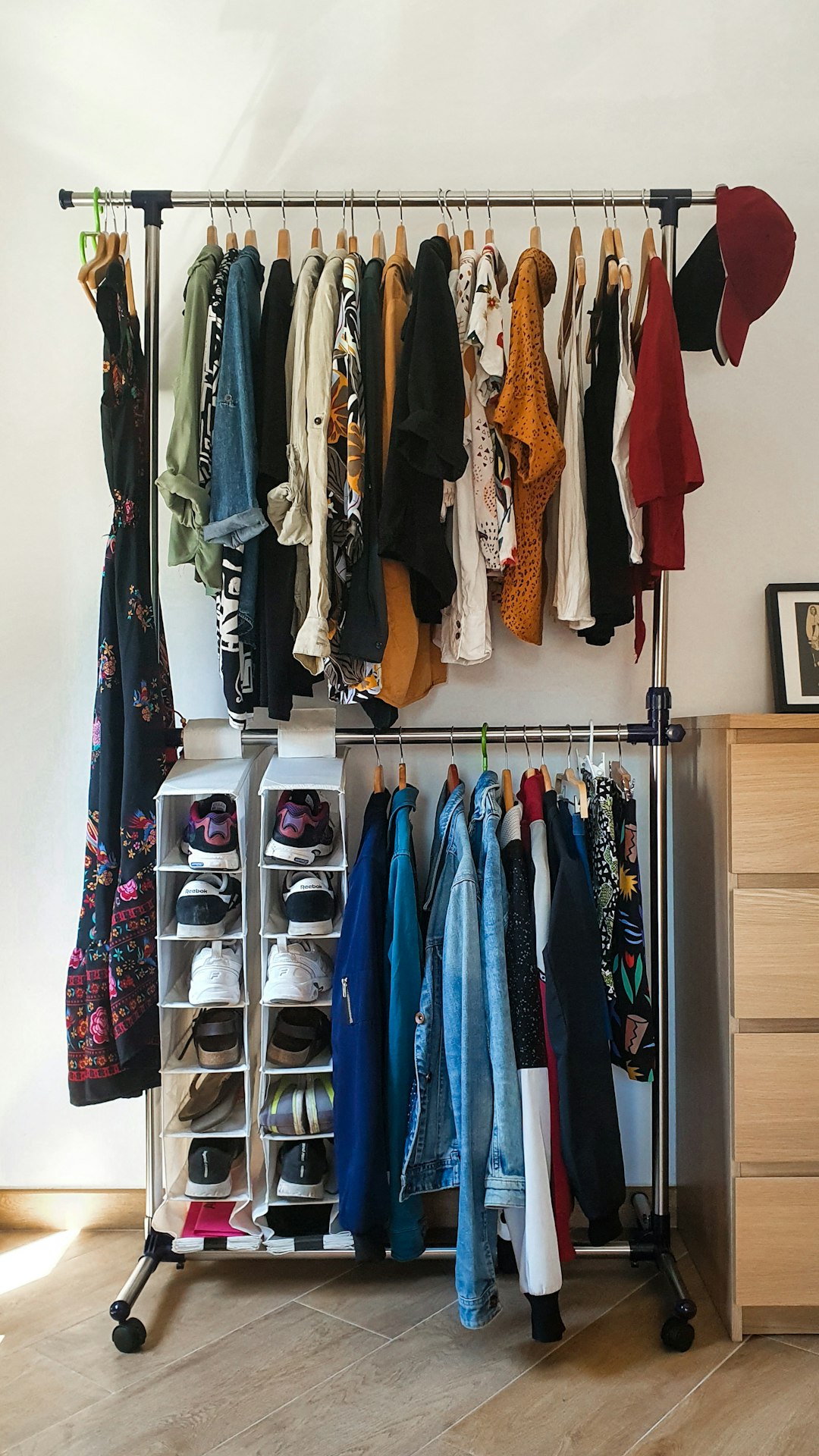
Vacuum storage bags save space, especially for bulky winter clothing. They work well for jackets, comforters, and sweaters. However, they require care.
Avoid vacuum sealing delicate fabrics or natural fibers. Compression can damage shape and texture. Use vacuum bags for sturdy items only.
Store bags flat to avoid creases. Keep them away from sharp edges. When used correctly, vacuum bags free up valuable closet space.
Pests cause serious damage to stored clothing. Moths and insects target natural fibers like wool and cashmere. Prevention matters.
Use cedar blocks or lavender sachets instead of harsh chemicals. These options repel pests while keeping clothes fresh. Replace them as scents fade.
Store clothing in sealed containers when possible. Clean storage areas regularly. Pest protection keeps clothing safe and avoids costly replacement.
New Hampshire weather brings humidity and temperature changes. Storage location matters. Choose cool, dry spaces whenever possible.
Avoid damp basements or hot attics unless climate controlled. Temperature swings damage fabrics and cause odors.
Interior closets, spare rooms, and under bed storage work well. Stable conditions help clothing last longer and stay fresh.
Closets work best when organized intentionally. Keep current season clothing at eye level. Store off season items higher or lower.
Use shelf dividers to prevent stacks from tipping. Slim hangers save space and create a clean look. Uniform hangers improve visual appeal.
Buyers touring homes notice neat closets. Organized storage adds to the feeling of space and value.
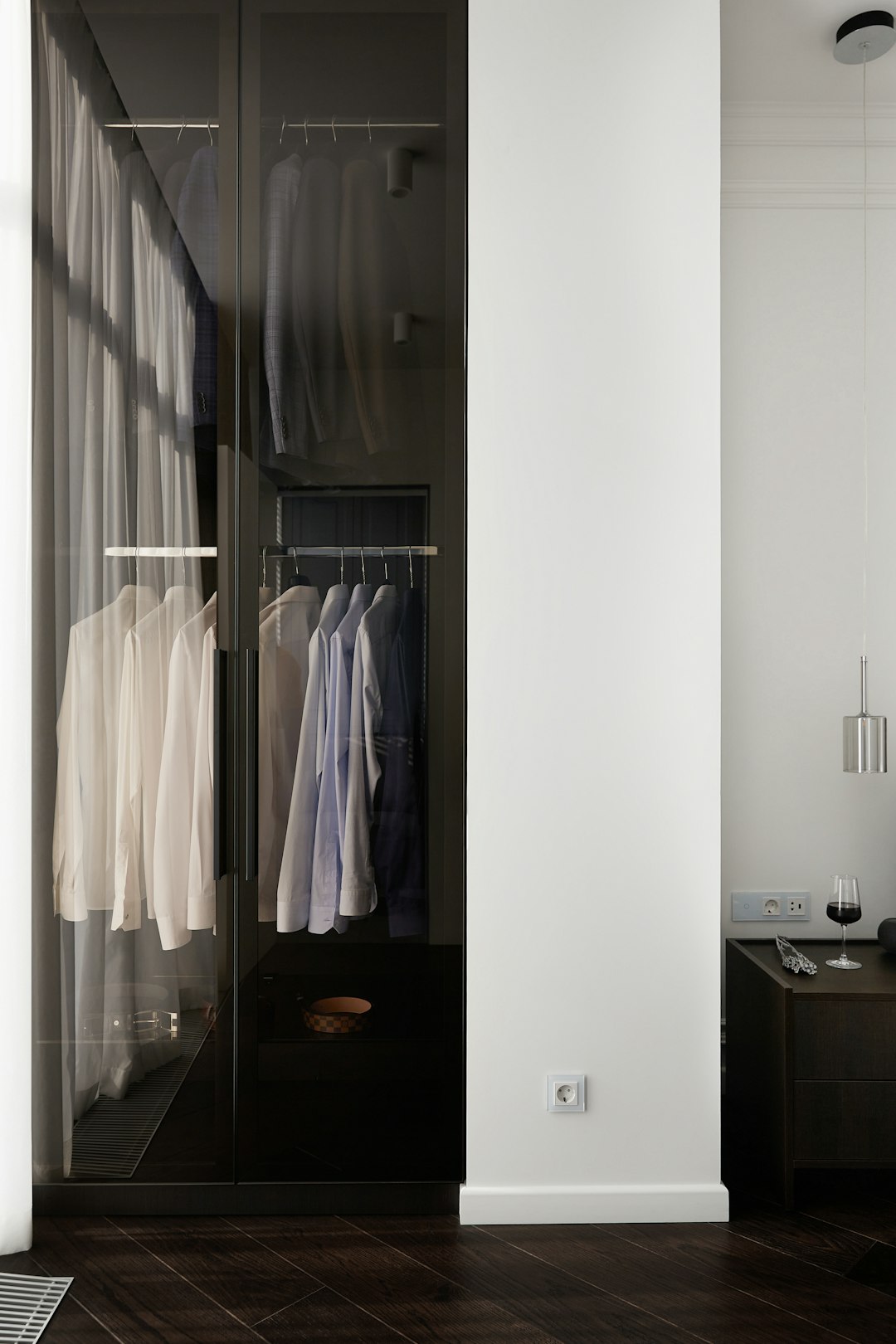
Under bed storage offers hidden space many homeowners forget. Low profile bins slide easily and stay out of sight.
Use this area for shoes, sweaters, or folded clothing. Keep items in breathable containers.
This method works especially well in smaller homes. Buyers appreciate smart use of space in every room.
Set a reminder to rotate clothing at the start of each season. This habit keeps closets manageable and organized.
During rotation, inspect stored items. Look for damage or odors. Address issues early.
Rotation makes daily dressing easier. It also keeps storage from becoming overwhelming.
Shoes need care during storage. Clean them before storing. Dirt damages materials over time.
Use shoe boxes or clear containers. Keep pairs together. Stuff boots lightly to maintain shape.
Avoid stacking shoes loosely. Proper shoe storage extends life and keeps closets neat.
Not all clothes belong on hangers. Sweaters, knits, and heavy items should be folded. Hanging stretches fabric.
Lightweight shirts, dresses, and jackets hang well. Use padded hangers for delicate items.
Choosing the right method protects clothing and improves closet appearance.
Labels make storage simple. Clear labels prevent searching and digging later.
Include season and category on labels. For example winter sweaters or summer shorts.
Labeled storage feels organized and intentional. Buyers notice that level of care.
Storage impacts how buyers feel about a home. Crowded closets suggest limited space. Organized closets suggest smart design.
In markets like Londonderry houses for sale, presentation matters. Buyers compare homes closely. Storage plays a role in decisions.
Well organized homes photograph better and show better. That leads to stronger interest and smoother sales.
Before listing, reduce closet contents by at least one third. This creates visual space.
Store off season clothing elsewhere. Keep closets clean and lightly filled.
Buyers want to imagine their belongings fitting easily. Seasonal clothes storage supports that goal.
Families accumulate clothing quickly. Kids outgrow items fast. Storage systems must adapt.
Use bins by size and season. Label clearly. Rotate often.
Flexible storage keeps homes functional and calm even during busy life stages.

Small homes require creative storage. Use vertical space. Add shelves where possible.
Multi use furniture helps. Storage benches and ottomans hide clothing neatly.
Smart storage makes smaller homes feel larger and more comfortable.
For long term storage, check items every few months. Air them out if needed.
Avoid airtight sealing for long periods unless necessary. Fabrics need airflow.
Proper long term care preserves clothing value and condition.
Smart seasonal clothes storage improves daily life and home appeal. It protects clothing, saves space, and reduces stress.
Organized storage helps homes show better and live better. Buyers notice these details during showings.
Whether you plan to stay put or sell soon, good storage habits matter. In competitive markets like Southern NH Houses for sale and Londonderry houses for sale, organized homes stand out.
Simple steps create lasting results. Thoughtful storage supports comfort, value, and peace of mind.
If you need more tips on seasonal clothes storage, or are ready to sell your house give us a call at (603) 883-8840. You can also sign up for your dream home search or reach out to Our Agents for more information. We’d love to help you with your real estate needs.
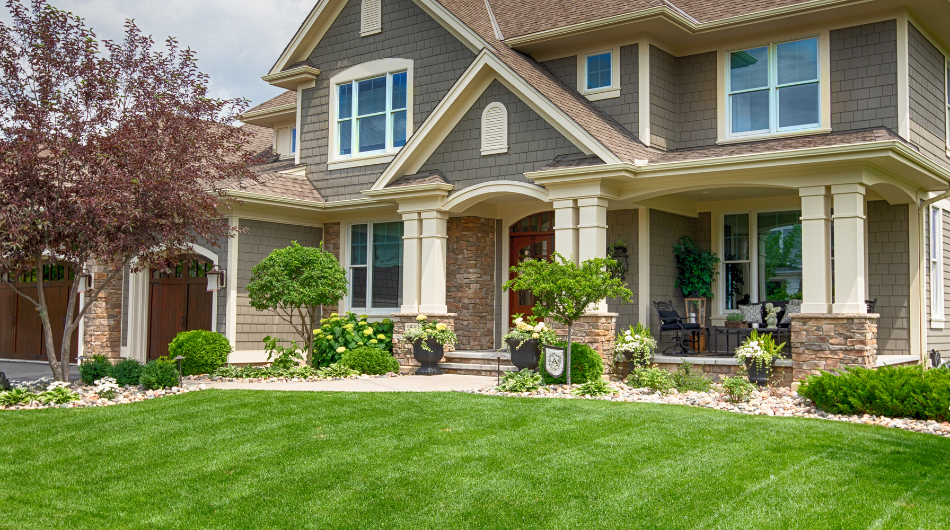
Design trends change every year. Some feel exciting at first. Others quickly become costly mistakes. In real estate, design choices matter more than many homeowners expect. Buyers notice everything, especially the choices that feel awkward or dated.
In 2025, several home design fads gained attention online. Social media pushed bold ideas fast. Unfortunately, many of these trends turn buyers away in real life. I hear the same feedback during showings across New Hampshire. Buyers feel distracted, overwhelmed, or unsure about renovation costs.
Homes should feel welcoming and easy to live in. Buyers want comfort, flexibility, and value. When design trends ignore those needs, homes sit longer on the market. This is especially true in competitive areas like Londonderry houses for sale and across Southern NH Houses for sale.
Let’s walk through the most shocking design trends of 2025 and why buyers strongly dislike them.
Design affects first impressions instantly. Buyers form opinions within seconds of entering a home. When design choices feel extreme, buyers focus on flaws instead of features. That shift hurts emotional connection, which plays a huge role in purchasing decisions.
Poor design choices also raise concerns. Buyers worry about repair costs, replacement expenses, and time spent fixing issues. Even small changes feel overwhelming when trends look bold or impractical. Many buyers prefer homes that feel move in ready.
In New Hampshire real estate, buyers value simplicity. Clean layouts, neutral tones, and functional spaces outperform flashy trends. Homes that feel calm and flexible attract more interest and stronger offers.

Gray dominated interior design for years. In 2025, buyers feel exhausted by it. Homes filled with gray walls, gray floors, gray cabinets, and gray furniture feel cold and lifeless. Buyers often describe these homes as gloomy or flat.
Natural light struggles in gray heavy spaces. Rooms lose warmth and personality. Buyers want homes that feel cheerful and inviting, especially during long New Hampshire winters. Too much gray removes that comfort.
Neutral colors still work well, but balance matters. Soft whites, light greige, warm beige, and subtle earth tones create a better emotional response. Homes that break away from full gray palettes sell faster and show better.
Open shelving exploded in popularity thanks to social media. In real homes, buyers see problems quickly. Open shelves collect dust, highlight clutter, and reduce usable storage. During showings, buyers often comment on how difficult these kitchens feel to maintain.
Storage ranks high on buyer priority lists. Kitchens without enough cabinets feel impractical. Buyers imagine everyday mess, not styled photos. That mental shift reduces excitement.
Open shelving works best in small doses. A few shelves can add charm. Too many make kitchens feel unfinished. Buyers across Southern NH Houses for sale consistently prefer closed cabinetry.
Dark kitchens gained attention in 2025. Black cabinets, dark counters, and moody finishes look dramatic. Buyers often react negatively. These kitchens feel heavy and closed in, especially in smaller homes.
Buyers want bright kitchens that feel open and friendly. They picture morning routines, family meals, and gatherings. Dark kitchens block that vision. Lighting helps but does not solve the issue.
Balanced contrast works better. Lighter uppers, warm wood tones, or soft countertops feel safer. Homes with overly dark kitchens tend to receive lower offers or longer days on market.
Bold wallpaper and oversized patterns returned strongly in 2025. While creative, many designs overwhelm rooms. Buyers feel distracted instead of impressed. Loud patterns pull attention away from layout and flow.
Smaller rooms suffer the most. Busy walls make spaces feel tight and chaotic. Buyers struggle to imagine their own style replacing strong designs. That creates hesitation.
Accent walls should enhance a space, not dominate it. Subtle textures and soft colors perform better. Buyers prefer homes that allow easy personalization.
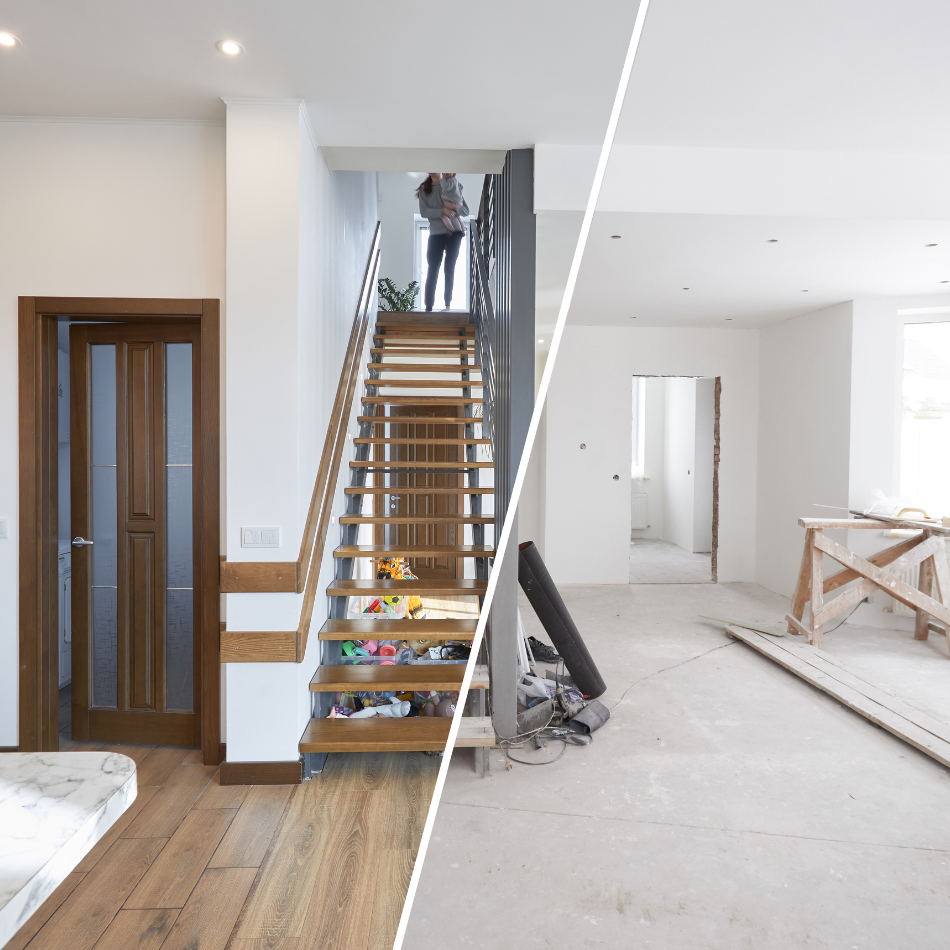
Custom built furniture seems convenient at first. Buyers see limitations. Built in desks, beds, benches, and shelving restrict room use. Families want flexibility as needs change over time.
Buyers often ask if built ins can be removed. They worry about damage and cost. Fixed furniture reduces usable square footage and layout options.
Open spaces sell better. Rooms that adapt easily appeal to a wider audience. Flexibility remains one of the strongest selling points in today’s market.
Smart home features continue to grow. In 2025, many homes go too far. Buyers feel overwhelmed by multiple systems, apps, and controls. They worry about maintenance and future compatibility.
Simple smart features work best. Thermostats, security systems, and basic lighting offer value. Complex setups create confusion.
Buyers want technology that helps, not technology that complicates daily life. Overdone systems often reduce appeal instead of adding value.
Minimalism reached an extreme level in 2025. Homes feel empty and unfinished. Buyers describe these spaces as cold and uninviting. Emotional connection disappears quickly.
Furniture helps buyers understand scale. Decor adds warmth and comfort. Without those elements, rooms feel smaller and awkward.
Minimal design works best with balance. Clean lines paired with warmth perform better. Buyers want calm spaces, not sterile ones.
Tile trends became louder in 2025. Bright colors, heavy patterns, and large graphics dominate floors and backsplashes. Buyers worry immediately about replacement costs.
Tile feels permanent. Buyers imagine expensive renovations before moving in. That fear reduces excitement and urgency.
Classic tile styles age well. Subtle patterns and neutral colors feel safer. Buyers prefer options that require little change.
Indoor outdoor living sounds appealing. In New Hampshire, buyers think practically. Large openings, oversized glass walls, and exposed transitions worry buyers.
Weather shifts fast. Snow, cold, heat loss, and maintenance concerns come up often. Buyers value energy efficiency and comfort.
Defined indoor spaces with seasonal outdoor access perform better. Buyers want homes that work well year round.
Theme rooms returned in 2025. Beach rooms, cabin rooms, retro rooms, and novelty designs frustrate buyers. These spaces feel childish or dated.
Buyers struggle to see themselves living there. Personal taste clashes quickly. Neutral spaces allow imagination.
Theme rooms often feel like extra work. Buyers prefer simple, flexible rooms that adapt easily to their lifestyle.
Bad design choices impact pricing and timing. Homes with strong trends attract fewer buyers. Showings slow down. Price reductions follow.
Buyers use design flaws as negotiation leverage. Appraisers notice condition and appeal. Value drops quietly but consistently.
In areas like Londonderry houses for sale, competition remains strong. Homes that appeal broadly perform better and sell faster.
Buyers want homes that feel warm and livable. Light filled spaces matter. Functional layouts matter more. Storage continues to rank high.
Neutral does not mean boring. Soft colors and natural materials feel timeless. Buyers appreciate thoughtful updates that respect resale value.
Comfort wins every time.
Choose classic finishes. Keep bold choices in décor, not permanent features. Focus on paint, lighting, and layout.
Think like a buyer before renovating. Ask how a change impacts resale. When unsure, consult a local REALTOR.
Simple updates bring stronger returns.
Trends fade quickly. Value lasts longer. The worst home design fads of 2025 share one problem. They ignore buyer needs.
Homes should feel welcoming, flexible, and calm. Smart sellers think beyond trends. They focus on appeal, comfort, and long term value. That approach wins in any market.

If you need more info on Home Design Fads, or are ready to sell your house give us a call at (603) 883-8840. You can also sign up for your dream home search or reach out to Our Agents for more information. We’d love to help you with your real estate needs.

Buying a home is exciting. It can also feel stressful. The home inspection checklist helps buyers feel calm, prepared, and confident. It gives you clarity before you move forward.
A home inspection is not just a formality. It is a powerful step in protecting your investment. It gives you real insight into the home condition. It also helps you plan ahead.
If you are buying in New Hampshire, this guide is for you. Whether you are viewing South Hudson houses for sale or Southern NH houses for sale, knowing what to look for matters.
Let us walk through the inspection process together. Think of this as a friendly conversation, not a scary report.
A home inspection gives you knowledge. Knowledge builds confidence. Confidence helps you make smart decisions.
The inspector checks major systems and visible areas. They look for safety issues. They look for signs of damage. They also look for wear and tear.
Even a beautiful home can hide problems. Some issues cost very little to fix. Others can cost thousands. This is why inspections matter.
For buyers, inspections provide leverage. You can ask for repairs. You can ask for credits. You can also walk away if needed.
In New Hampshire real estate, inspections are common. Most buyers include them in the offer. Skipping one can be risky.
A home inspection is a visual review. It is not invasive. Inspectors do not open walls. They do not dig into the ground.
They inspect what they can see and access. This includes systems, structures, and surfaces.
A home inspection is not a guarantee. It does not predict future problems. It also does not provide a home value.
It is a snapshot of the home condition today. That snapshot is extremely valuable.
The inspection usually happens after your offer is accepted. It takes place during the inspection contingency period.
In New Hampshire, this window is often short. Buyers should schedule inspections quickly.
The inspection usually lasts two to four hours. Buyers are encouraged to attend. Being present helps you learn the home.
This is also a great time to ask questions. No question is too small.
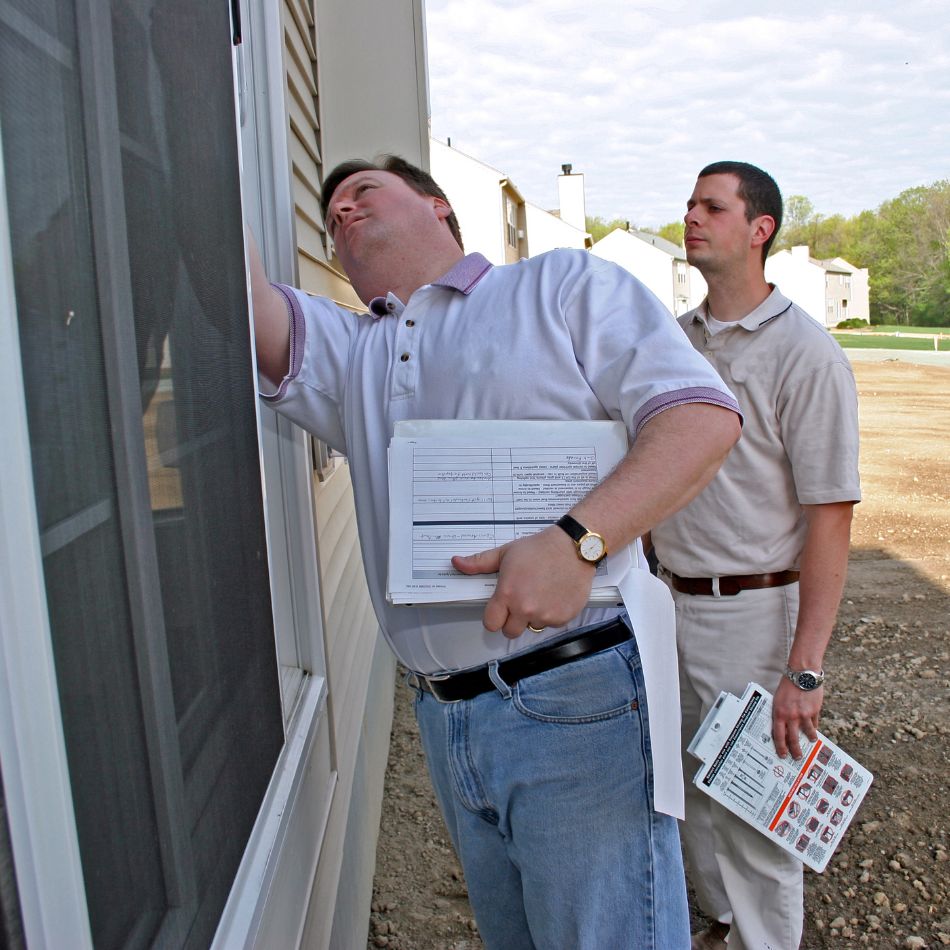
This home inspection checklist walks through each major area. It helps buyers know what matters most.
The exterior protects the home. It also protects everything inside.
The roof should be inspected carefully. Look for missing shingles. Look for curling or cracking. Check flashing around chimneys and vents.
Ask about the roof age. Roofs have a lifespan. Knowing the age helps with future planning.
Siding should be secure and intact. Look for cracks, rot, or warping. Wood trim should be solid, not soft.
Paint should not be peeling excessively. Peeling can allow moisture inside.
The foundation should appear solid. Small cracks can be normal. Large cracks may signal concern.
Water stains or damp areas matter. Ask about drainage and grading.
Windows should open and close easily. Doors should latch properly. Gaps may signal settling or moisture issues.
Check for broken seals or foggy glass.
Decks should feel sturdy. Railings should be secure. Wood should not show rot.
Steps should be even and safe.
The inside of the home tells a story. Pay attention to details.
Look for cracks or stains. Stains may signal past leaks. Cracks can be cosmetic or structural.
Floors should feel level. Sloping floors may need further review.
Interior doors should open smoothly. Windows should lock properly.
Check for drafts. Drafts impact comfort and energy costs.
Stairs should feel solid. Railings should be secure. Safety matters here.

The kitchen is one of the most used spaces.
Inspectors usually check built in appliances. They test basic functions. This includes ovens, dishwashers, and ranges.
Ask about appliance age when possible.
Cabinets should be secure. Look under sinks for leaks. Check counters for cracks or damage.
Run the water. Check pressure. Look for leaks below sinks.
Drainage should be smooth.
Bathrooms handle moisture daily. Moisture control matters.
Toilets should flush properly. Faucets should not drip. Showers should drain well.
Leaks under vanities matter.
Bathrooms need ventilation. Fans help reduce moisture. Poor ventilation can cause mold.
Check grout and caulk. Loose or missing areas may allow water damage.
Electrical systems impact safety and function.
Inspectors check the panel type. They note wiring concerns. Older homes may have outdated systems.
Ask if the system meets current standards.
Outlets should be grounded where required. Switches should function properly.
GFCI outlets are required in certain areas.
Water is essential. Plumbing issues can be costly.
Inspectors look for visible leaks. They note pipe materials. Some older materials may need updates.
Check the age of the water heater. Most last eight to twelve years.
Ask about capacity and condition.
Comfort matters in New Hampshire seasons.
Inspectors test basic operation. They note age and fuel type.
Ask about service history.
If present, air conditioning should function. Inspectors test temperature output.
Maintenance history matters here.
The attic impacts energy efficiency.
Proper insulation helps control energy costs. Inspectors note depth and type.
Ventilation helps prevent moisture buildup. Poor airflow can cause issues.
Below ground areas tell important stories.
Look for dampness or musty smells. Water intrusion should be addressed.
Inspectors look for beam and support concerns. Sagging or damage matters.

Some inspections include added tests.
Radon testing is common in New Hampshire. Elevated levels can be mitigated.
These should be present and working. Safety matters for every buyer.
Inspection reports can feel overwhelming. Take your time.
Focus on major items first. Safety issues matter most. Structural concerns matter next.
Cosmetic issues are common. Do not panic over small items.
Your REALTOR can help review the report. They can explain what matters.
Inspections create options.
Buyers can request repairs. Buyers can request credits. Buyers can adjust terms.
Not every item needs negotiation. Focus on big picture concerns.
In competitive markets, strategy matters. Your agent helps guide this step.
Older homes are common in Southern NH. Older homes can still be great homes.
Expect some wear. Focus on function and safety.
Weather impacts homes here. Snow, rain, and cold take a toll.
This makes inspections even more important.
South Hudson houses for sale offer great neighborhoods. Southern NH houses for sale attract many buyers.
Homes move fast. Preparation helps.
Knowing your home inspection checklist gives you confidence. Confidence helps you compete.
Your REALTOR does more than schedule the inspection.
They attend with you. They help explain findings. They help negotiate next steps.
They also connect you with trusted inspectors.
This guidance is valuable, especially for first time buyers.
Buying a home is a big step. It should feel exciting, not scary.
A strong home inspection checklist gives you clarity. It helps you plan. It helps you protect your investment. No home is perfect. The goal is understanding.
When you know what you are buying, you move forward with confidence. If you are exploring South Hudson houses for sale or Southern NH houses for sale, inspections matter.
Take your time. Ask questions. Lean on your REALTOR. You deserve to feel confident when you buy a home.
If you need more information on a home inspection checklist, or are ready to sell your house give us a call at (603) 883-8840. You can also sign up for your dream home search or reach out to Our Agents for more information. We’d love to help you with your real estate needs.

Buying a home is an exciting step, but saving for the down payment can feel overwhelming. Many buyers assume they must save for years before they can even begin. The truth is that down payment assistance programs help many buyers purchase a home much sooner than expected. These programs reduce upfront costs and remove barriers that often keep renters from becoming homeowners.
If you are exploring Southern NH houses for sale, learning about these programs early can open new opportunities. Many buyers qualify without realizing it. Once buyers understand how assistance works, the path to homeownership often feels far more realistic.
For most buyers, the down payment feels like the biggest obstacle. Monthly rent payments often match or exceed a future mortgage payment, yet saving a lump sum feels impossible. Rising rent, daily expenses, and unexpected costs all make saving harder.
Down payment assistance programs exist to solve this problem. They help buyers bridge the gap between renting and owning. Instead of waiting longer, buyers can move forward with confidence and support.
Down payment assistance is financial help offered through state, local, and nonprofit programs. These programs aim to make homeownership more accessible. Assistance can come in the form of grants, low interest loans, or deferred payment loans.
Each program works a little differently, but the goal stays the same. Help buyers afford the upfront costs of buying a home. With proper guidance, the process feels manageable and clear.
Many people believe assistance is only for very low income households. In reality, many working families qualify. Income limits are often higher than expected, especially in Southern New Hampshire.
First time buyers often qualify, but repeat buyers may qualify too. Household size, location, and purchase price all play a role. Buyers looking at Southern NH houses for sale should always ask about eligibility before assuming they do not qualify.

One common myth is that down payment assistance comes with major risks. Another myth suggests the process is overly complicated. These beliefs stop many buyers from even asking questions.
Most programs are straightforward when explained clearly. Many buyers are surprised by how simple the process feels once they start. Understanding the facts removes fear and builds confidence.
Down payment assistance comes in several forms. Knowing the differences helps buyers choose what fits best with their goals.
Some programs offer grants that do not need to be repaid. Others offer loans with delayed repayment. A few offer loans that are forgiven over time. Each option has benefits depending on how long you plan to stay in the home.
Grant programs provide funds that typically do not require repayment. These grants often help cover down payments or closing costs. Many buyers find this option appealing because it lowers upfront expenses immediately.
Some grants require the buyer to live in the home for a certain period. If the buyer moves early, repayment may apply. Understanding these terms upfront helps buyers plan wisely.
Deferred payment loans do not require monthly payments. Instead, repayment happens later, often when the home is sold or refinanced. This structure keeps monthly costs affordable and predictable.
Many New Hampshire buyers prefer this option because it feels flexible. It allows buyers to focus on homeownership without added monthly stress.
Forgivable loan programs reward long term ownership. Each year the buyer lives in the home, a portion of the loan is forgiven. After a set period, the loan balance becomes zero.
These programs encourage stability and community growth. Buyers who plan to stay put often find this option very attractive.
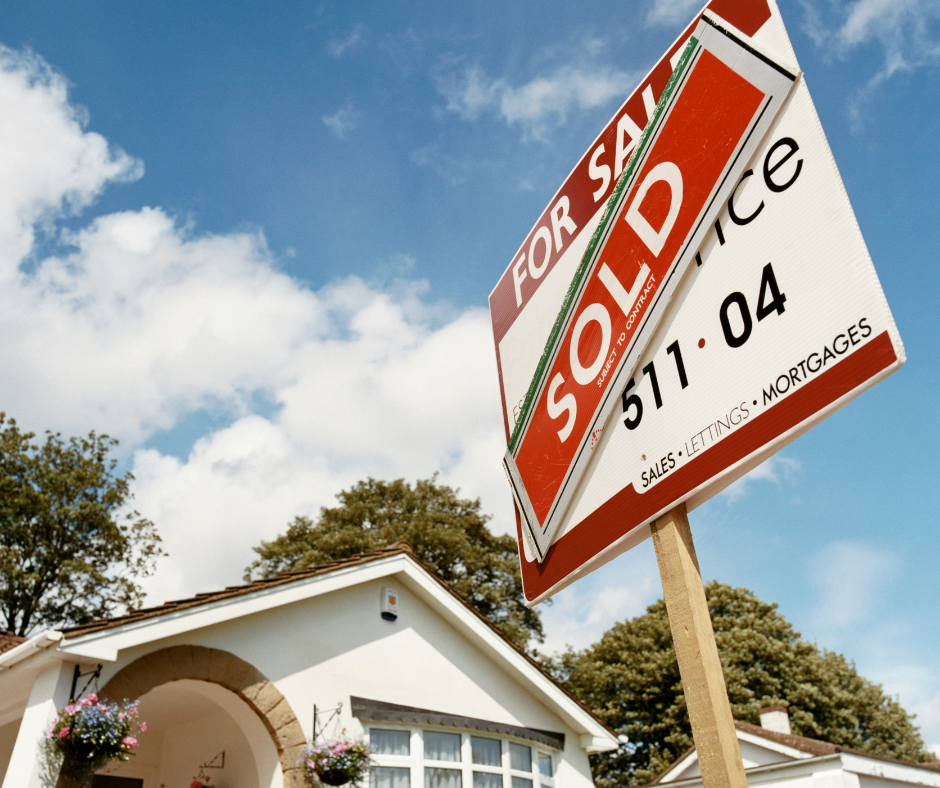
The amount of assistance varies by program. Some programs offer a few thousand dollars, while others offer significantly more. Even smaller amounts can make a meaningful difference.
Assistance often covers down payments, closing costs, or both. This reduces the cash buyers need upfront and helps keep savings intact.
By reducing the loan amount, down payment assistance can lower monthly payments. Smaller payments create breathing room in the budget. This helps buyers feel more secure long term.
Lower payments also allow buyers to build savings after closing. That financial stability supports responsible homeownership.
New Hampshire offers several strong assistance programs. These programs support first time buyers and some repeat buyers. Most focus on owner occupied homes.
Buyers shopping Southern NH houses for sale often have access to these programs. Local knowledge helps identify the best options.
Most assistance programs require homebuyer education. These courses explain budgeting, mortgages, and ownership responsibilities. Buyers often feel more confident after completing them.
Education prepares buyers for long term success. It also unlocks access to valuable financial help.
Some buyers worry assistance weakens their offer. With the right preparation, this is not true. Strong pre approval and clear communication keep offers competitive.
Experienced REALTORS help structure offers that sellers trust. Guidance makes a difference here.
A REALTOR helps buyers understand their options. They connect buyers with lenders experienced in assistance programs. They also help navigate timelines and paperwork.
Local REALTORS understand Southern NH houses for sale and how assistance fits into the market. That expertise reduces stress and delays.
Preparation creates confidence. Buyers should speak with a lender early and ask about assistance options. Knowing what you qualify for helps set clear expectations.
This preparation makes touring homes more enjoyable. Buyers feel focused instead of overwhelmed.

Many buyers feel relief once they learn about down payment assistance. Fear fades. Hope grows. Confidence replaces doubt.
Knowing help exists changes the entire experience. Homeownership begins to feel achievable instead of distant.
Using assistance does not limit future success. Many buyers build equity quickly and refinance later. Others move up to new homes over time.
The first step into ownership often matters most. Assistance helps buyers take that step sooner.
Down payment assistance programs play a powerful role in New Hampshire real estate. They help buyers move from renting to owning with confidence and support. If you are exploring Southern NH houses for sale, these programs may bring your goals closer than you think.
With the right information and guidance, the process feels clear and empowering. Homeownership may be more within reach than you ever imagined.
If you need more information on down payment assistance programs or are ready to sell your house give us a call at (603) 883-8840. You can also sign up for your dream home search or reach out to Our Agents for more information. We’d love to help you with your real estate needs.

Choosing where and how you live is a big decision. Housing impacts your money, your lifestyle, and your future plans. The renting vs owning question comes up often, especially as markets change and costs rise. Many people feel stuck between the two options, even though both offer clear benefits.
There is no one right answer. What matters most is choosing what fits your current stage of life. Renting works well for some people, while owning works better for others. Let us walk through both sides in a clear and honest way so you can decide with confidence.
Housing is more than a monthly payment. It affects how flexible you feel and how secure you feel. Some people value freedom and mobility, while others value stability and control. Both perspectives are valid, and both deserve attention.
Life also changes over time. A choice that feels right today may not feel right in five years. Understanding the advantages of renting and owning helps you plan ahead instead of reacting later.
Renting offers flexibility that many people appreciate. It allows you to adapt quickly when life changes. Job moves, family needs, or lifestyle shifts feel easier when you are not tied to a property.
Another benefit of renting is the lower upfront cost. Renters usually avoid down payments, closing costs, and large repair bills. This allows people to save money or focus on other goals. Many renters enjoy knowing exactly what their monthly housing cost will be during the lease term.
Maintenance is also simpler when renting. When something breaks, the landlord typically handles the repair. This reduces stress and surprise expenses, which can feel comforting for many households.
Renting can feel light and flexible. It often supports people who want fewer responsibilities or who expect change. For some, renting feels freeing because it allows them to focus on experiences instead of upkeep.
However, renting can also feel temporary. Some renters struggle with not being able to personalize their space or build long term roots. These feelings matter and should be considered when weighing options.
Owning a home offers stability and long term opportunity. Each mortgage payment builds equity, which helps grow personal wealth over time. Unlike rent, these payments work toward ownership.
Homeownership also provides control. Owners can renovate, decorate, and customize their space freely. That sense of ownership creates pride and comfort for many people. Over time, this connection often deepens.
There are also financial benefits. Homes often appreciate over the long term, and many owners benefit from tax advantages. While ownership includes costs, it also offers long range value that renting does not provide.

Owning supports a settled lifestyle. Many homeowners value consistent schools, familiar neighbors, and stable routines. This is especially important for families planning to stay in one area.
Owning also allows people to grow into their space. Yards, storage, and additional rooms support changing needs. That flexibility within the home itself can be very appealing.
Money plays a major role in the renting vs owning decision. Renting often feels cheaper at first, but rent usually increases over time. Those increases can add up quickly, especially over several years.
Owning includes expenses like maintenance and taxes, but mortgage payments often stay stable with fixed rate loans. Over time, these payments may feel easier as income grows. The key difference is that ownership builds value, while rent does not.
Time is a major factor in deciding whether to rent or buy. Short term stays often favor renting, while longer stays often favor owning. Many buyers benefit most when they plan to stay in a home for several years.
Longer ownership allows appreciation and equity growth to offset upfront costs. If your plans feel uncertain, renting may provide peace of mind.
Your comfort level with responsibility matters. Some people enjoy maintaining a home and tackling projects. Others prefer calling a landlord and moving on with their day.
Career flexibility also plays a role. People who expect to relocate may benefit from renting. Those with stable careers may feel ready to own. There is no wrong preference here.
New Hampshire offers unique opportunities for both renters and buyers. Southern NH houses for sale attract commuters, families, and first time buyers. Many renters in the area eventually explore homeownership as their lives settle.
Inventory and pricing vary by location. This makes local guidance especially important when deciding your next move.

Some people believe renting wastes money. In reality, renting can support savings and flexibility. It often serves as a smart step during transitions.
Renting also allows people to test locations before committing long term. That insight can be valuable.
Some believe owning traps people financially. Others fear constant repairs. Education and preparation help reduce these concerns.
A well planned purchase often feels empowering instead of stressful.
Renting works well during uncertain times. It supports people changing careers, locations, or family structures. It also works for those focused on short term goals.
Renting is a tool, not a failure.
Owning fits people ready for stability and long term planning. It works well for families and individuals seeking roots. Ownership rewards patience and commitment.
A REALTOR does not push one choice over another. Instead, they explain options clearly. They help renters plan for future buying and help buyers assess readiness.
Local expertise helps you understand Southern NH houses for sale and market trends that affect your decision.
The renting vs owning decision is personal and powerful. Both paths offer value and security in different ways. The best choice aligns with your life today and your goals tomorrow.
With clear information and local guidance, you can move forward with confidence. Your housing choice should support your future, not stress it.
If you need more information on renting vs owning, or are ready to sell your house give us a call at (603) 883-8840. You can also sign up for your dream home search or reach out to Our Agents for more information. We’d love to help you with your real estate needs.

Buying a home is exciting. It can also feel stressful. The home inspection checklist helps buyers feel calm, prepared, and confident. It gives you clarity before you move forward.
A home inspection is not just a formality. It is a powerful step in protecting your investment. It gives you real insight into the home condition. It also helps you plan ahead.
If you are buying in New Hampshire, this guide is for you. Whether you are viewing South Hudson houses for sale or Southern NH houses for sale, knowing what to look for matters.
Let us walk through the inspection process together. Think of this as a friendly conversation, not a scary report.
A home inspection gives you knowledge. Knowledge builds confidence. Confidence helps you make smart decisions.
The inspector checks major systems and visible areas. They look for safety issues. They look for signs of damage. They also look for wear and tear.
Even a beautiful home can hide problems. Some issues cost very little to fix. Others can cost thousands. This is why inspections matter.
For buyers, inspections provide leverage. You can ask for repairs. You can ask for credits. You can also walk away if needed.
In New Hampshire real estate, inspections are common. Most buyers include them in the offer. Skipping one can be risky.

A home inspection is a visual review. It is not invasive. Inspectors do not open walls. They do not dig into the ground.
They inspect what they can see and access. This includes systems, structures, and surfaces.
A home inspection is not a guarantee. It does not predict future problems. It also does not provide a home value.
It is a snapshot of the home condition today. That snapshot is extremely valuable.
The inspection usually happens after your offer is accepted. It takes place during the inspection contingency period.
In New Hampshire, this window is often short. Buyers should schedule inspections quickly.
The inspection usually lasts two to four hours. Buyers are encouraged to attend. Being present helps you learn the home.
This is also a great time to ask questions. No question is too small.
This home inspection checklist walks through each major area. It helps buyers know what matters most.
The exterior protects the home. It also protects everything inside.
The roof should be inspected carefully. Look for missing shingles. Look for curling or cracking. Check flashing around chimneys and vents.
Ask about the roof age. Roofs have a lifespan. Knowing the age helps with future planning.
Siding should be secure and intact. Look for cracks, rot, or warping. Wood trim should be solid, not soft.
Paint should not be peeling excessively. Peeling can allow moisture inside.
The foundation should appear solid. Small cracks can be normal. Large cracks may signal concern.
Water stains or damp areas matter. Ask about drainage and grading.
Windows should open and close easily. Doors should latch properly. Gaps may signal settling or moisture issues.
Check for broken seals or foggy glass.
Decks should feel sturdy. Railings should be secure. Wood should not show rot.
Steps should be even and safe.

The inside of the home tells a story. Pay attention to details.
Look for cracks or stains. Stains may signal past leaks. Cracks can be cosmetic or structural.
Floors should feel level. Sloping floors may need further review.
Interior doors should open smoothly. Windows should lock properly.
Check for drafts. Drafts impact comfort and energy costs.
Stairs should feel solid. Railings should be secure. Safety matters here.
The kitchen is one of the most used spaces.
Inspectors usually check built in appliances. They test basic functions. This includes ovens, dishwashers, and ranges.
Ask about appliance age when possible.
Cabinets should be secure. Look under sinks for leaks. Check counters for cracks or damage.
Run the water. Check pressure. Look for leaks below sinks.
Drainage should be smooth.
Bathrooms handle moisture daily. Moisture control matters.
Toilets should flush properly. Faucets should not drip. Showers should drain well.
Leaks under vanities matter.
Bathrooms need ventilation. Fans help reduce moisture. Poor ventilation can cause mold.
Check grout and caulk. Loose or missing areas may allow water damage.
Electrical systems impact safety and function.
Inspectors check the panel type. They note wiring concerns. Older homes may have outdated systems.
Ask if the system meets current standards.

Outlets should be grounded where required. Switches should function properly.
GFCI outlets are required in certain areas.
Water is essential. Plumbing issues can be costly.
Inspectors look for visible leaks. They note pipe materials. Some older materials may need updates.
Check the age of the water heater. Most last eight to twelve years.
Ask about capacity and condition.
Comfort matters in New Hampshire seasons.
Inspectors test basic operation. They note age and fuel type.
Ask about service history.
If present, air conditioning should function. Inspectors test temperature output.
Maintenance history matters here.
The attic impacts energy efficiency.
Proper insulation helps control energy costs. Inspectors note depth and type.
Ventilation helps prevent moisture buildup. Poor airflow can cause issues.
Below ground areas tell important stories.
Look for dampness or musty smells. Water intrusion should be addressed.
Inspectors look for beam and support concerns. Sagging or damage matters.
Some inspections include added tests.
Radon testing is common in New Hampshire. Elevated levels can be mitigated.
These should be present and working. Safety matters for every buyer.
Inspection reports can feel overwhelming. Take your time.
Focus on major items first. Safety issues matter most. Structural concerns matter next.
Cosmetic issues are common. Do not panic over small items.
Your REALTOR can help review the report. They can explain what matters.
Inspections create options.
Buyers can request repairs. Buyers can request credits. Buyers can adjust terms.
Not every item needs negotiation. Focus on big picture concerns.
In competitive markets, strategy matters. Your agent helps guide this step.

Older homes are common in Southern NH. Older homes can still be great homes.
Expect some wear. Focus on function and safety.
Weather impacts homes here. Snow, rain, and cold take a toll.
This makes inspections even more important.
South Hudson houses for sale offer great neighborhoods. Southern NH houses for sale attract many buyers.
Homes move fast. Preparation helps.
Knowing your home inspection checklist gives you confidence. Confidence helps you compete.
Your REALTOR does more than schedule the inspection.
They attend with you. They help explain findings. They help negotiate next steps.
They also connect you with trusted inspectors.
This guidance is valuable, especially for first time buyers.
Buying a home is a big step. It should feel exciting, not scary.
A strong home inspection checklist gives you clarity. It helps you plan. It helps you protect your investment. No home is perfect. The goal is understanding.
When you know what you are buying, you move forward with confidence. If you are exploring South Hudson houses for sale or Southern NH houses for sale, inspections matter.
Take your time. Ask questions. Lean on your REALTOR. You deserve to feel confident when you buy a home.
If you need more information on a home inspection checklist, or are ready to sell your house give us a call at (603) 883-8840. You can also sign up for your dream home search or reach out to Our Agents for more information. We’d love to help you with your real estate needs.

Buying a home can feel exciting and stressful at the same time. This guide focuses on writing winning offers that stand out in New Hampshire real estate. In New Hampshire real estate, strong offers matter. Sellers want certainty. Listing agents want smooth deals. Buyers want accepted contracts. The goal is to bring all three together. This guide explains writing winning offers in a simple and practical way.
When an offer feels clean and thoughtful, it stands out fast. It builds trust. It reduces risk. It shows respect for the seller. That feeling matters more than many buyers realize. Great offers are not just about price. They are about clarity, timing, and confidence.
If you are shopping for Southern NH Houses for sale, competition can be strong. Homes move fast. Sellers often see multiple offers. The best written offer often rises to the top. Even when it is not the highest price.
This article breaks down gives a breakdown for writing winning offers sellers and listing agents will truly love. The advice is clear, friendly, and proven in real deals across New Hampshire.

The best offers start with empathy. A seller is not just selling a house. They are closing a chapter. They may be moving for work, family, or lifestyle changes. They care about timing, stress, and certainty.
When you write an offer, think about what the seller wants most. Many sellers value a smooth closing. Others need flexibility on move out dates. Some want fewer contingencies. Some want confidence the buyer will close.
A strong buyer agent looks past price. They read the listing closely. They talk with the listing agent. They listen for clues. This approach helps shape an offer that fits the seller’s goals.
This mindset is a core part of writing winning offers. Sellers feel it right away.
Listing agents often review many offers at once. The first impression matters. A clean and complete offer package feels professional. It sets the tone for the deal.
Make sure names, dates, and numbers are correct. Errors cause doubt. Doubt creates hesitation. Clear paperwork builds trust.
A complete offer usually includes the purchase contract, disclosures, pre approval letter, and any addenda. When everything arrives together, the listing agent feels relief. That feeling helps your offer.
Professional presentation matters in New Hampshire real estate. It shows respect for the process and the people involved.
Price is important. It is not everything. Sellers want strong value. They also want confidence the home will appraise.
A smart offer price comes from market data. Recent sales matter. Active competition matters. Condition matters. Location matters. Southern NH Houses for sale can vary widely by town and neighborhood.
Avoid emotional pricing. Overpaying can cause appraisal issues. Underpaying can offend a seller. A thoughtful price shows preparation and care.
A buyer who understands value feels serious. Listing agents notice this right away. This approach supports writing winning offers that hold together through closing.

Earnest money sends a message. It shows commitment. It shows confidence.
In New Hampshire, earnest money amounts vary. A strong deposit can make an offer feel solid. It tells the seller the buyer is serious.
This does not mean taking reckless risks. It means choosing an amount that matches the market and the buyer’s comfort.
When earnest money feels right, sellers relax. Listing agents feel safer moving forward.
Contingencies protect buyers. Too many can scare sellers. The balance matters.
Inspection contingencies are common and wise. Financing contingencies are often required. Appraisal contingencies protect against surprises.
The key is clarity. Keep timelines reasonable. Avoid vague language. Use standard New Hampshire forms when possible.
Shorter contingency periods can help an offer stand out. Clear terms reduce confusion. This is another pillar of writing winning offers.
Inspections matter. Sellers understand this. They also fear endless requests.
A strong offer shows respect for the home. It avoids extreme demands upfront. It focuses on safety and major systems.
Buyers should plan inspection strategy before offering. Know your priorities. Communicate expectations clearly.
Listing agents appreciate buyers who approach inspections fairly. It builds goodwill. That goodwill can save deals later.

Sellers worry about financing delays. Clear financing terms reduce stress.
A solid pre approval letter is essential. It should match the offer price. It should come from a trusted lender.
Cash offers feel strong because they reduce risk. Financed offers can still shine with clear terms and strong lenders.
In New Hampshire real estate, local lenders often add value. Listing agents trust familiar names. That trust helps your offer.
Deadlines matter. Response times matter. Closing dates matter.
An offer with a fast response deadline can feel confident. It can also feel pushy if poorly timed. Balance is key.
Closing dates should match the seller’s needs when possible. Flexibility can be powerful.
Buyers who adapt their timing often win. This strategy supports writing winning offers that feel cooperative.
Buyer letters can be emotional. They can also create risk.
Some sellers love personal stories. Others prefer clean business. Fair housing concerns matter.
In New Hampshire, many agents avoid buyer letters. Always ask your agent before including one.
If used, keep it short and respectful. Focus on the home, not personal details.

Listing agents are gatekeepers. They present offers to sellers. Their experience matters.
Clear communication helps. Professional tone helps. Prompt responses help.
A respectful approach builds cooperation. It does not mean weakness. It means confidence.
Agents remember smooth deals. That memory can help future negotiations.
Simple offers close more often. Complex terms create confusion.
Avoid unusual requests unless truly needed. Avoid vague promises. Avoid unclear language.
Use standard forms. Follow local practices. New Hampshire real estate values clarity.
Sellers love offers they can understand quickly.
Appraisals can derail deals. Sellers fear this risk.
Strong offers consider appraisal reality. They avoid inflated pricing without support.
Some buyers include appraisal gap language. This must be done carefully.
When appraisal risk feels managed, sellers feel safer choosing your offer.
Flexibility is powerful. It shows cooperation.
Allowing seller possession after closing can help. Adjusting closing dates can help. Being open to small repairs can help.
Flexibility does not mean giving up protection. It means choosing battles wisely.
This balance defines writing winning offers that feel strong and fair.
Every New Hampshire town feels different. What works in one area may fail in another.
Southern NH Houses for sale often move fast. Northern areas may move slower.
Local knowledge shapes offer strategy. It influences price, terms, and timing.
Working with a local REALTOR brings insight buyers cannot Google.
Buying a home is emotional. Offers should not be.
Strong offers feel calm. They feel thoughtful. They feel prepared.
Emotional reactions can lead to regret. Strategic thinking leads to success.
Sellers feel confidence when buyers stay steady.
The offer is just the beginning.
Prompt scheduling of inspections matters. Clear updates matter. Respectful tone matters.
Smooth communication keeps deals together. It protects everyone’s time.
Listing agents appreciate buyers who stay organized.

Sellers choose offers that feel safe. They choose clarity. They choose confidence.
They want fewer surprises. They want steady progress.
Price matters. Terms matter more than many buyers think.
Understanding this helps buyers succeed.
A skilled REALTOR guides offer strategy. They read between the lines.
They communicate with listing agents. They protect buyers.
In New Hampshire real estate, experience matters. Market shifts matter.
Professional guidance supports writing winning offers that close.
Multiple offers require precision.
Clean terms matter more. Strong deposits matter more. Clear timelines matter more.
Escalation clauses can help when used carefully.
Every detail counts when competition is high.
Sometimes the highest offer loses.
Inspection fears. Financing doubts. Timing conflicts.
Strong offers address these concerns upfront.
That is why strategy beats emotion.
A good offer protects the future.
It reduces stress. It avoids conflict. It supports closing.
Short term wins mean little if deals fall apart.
Sellers value buyers who think long term.
Strong offers feel confident. They do not feel aggressive.
They invite cooperation. They respect boundaries.
This tone builds trust quickly.
Trust closes deals.

Great offers tell a story. They say this buyer is ready, reasonable, and respectful.
They balance protection and appeal. They reflect market knowledge.
In New Hampshire, sellers respond to clarity and confidence.
Whether you are buying your first home or your fifth, strategy matters.
If you are exploring Southern NH Houses for sale, the right offer can change everything.
Writing winning offers is not luck. It is preparation, communication, and care.
If you need more tips on writing winning offers, or are ready to sell your house give us a call at (603) 883-8840. You can also sign up for your dream home search or reach out to Our Agents for more information. We’d love to help you with your real estate needs.