Don’t Buy a New Hampshire Home Until You Know This About a Home with Septic Systems
Buying a home in a new state comes with many exciting possibilities, but it also brings new things to learn. For many out of state buyers looking at Southern NH homes, one important topic is understanding septic systems. Septic Systems 101 is designed to help buyers understand how private septic systems work, what inspections involve, and what maintenance costs to expect before purchasing a New Hampshire property. If you are searching for Londonderry houses for sale or exploring Southern NH houses for sale, knowing how septic systems work can make your home buying journey much smoother.
Many buyers moving from larger cities are familiar with public water and city sewer systems. However, many homes throughout Southern New Hampshire use private septic systems instead. These systems are common in suburban and rural areas because they allow homeowners to manage wastewater on their own property.
Fortunately, septic systems are reliable when they are properly designed, inspected, and maintained. In fact, many homeowners enjoy the benefits of owning a property with a private septic system because they avoid monthly sewer bills. Still, buyers need the right information before making one of the biggest purchases of their lives.
What Are Septic Systems?
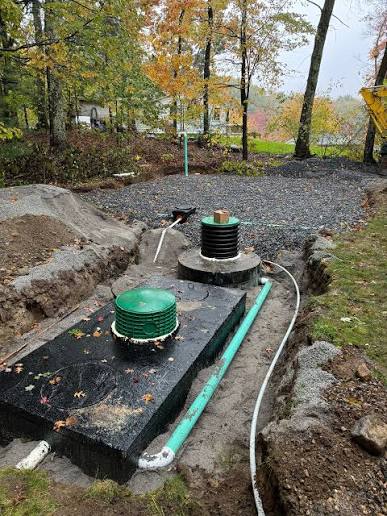
A septic system is a private wastewater treatment system located on the homeowner’s property. Instead of sending wastewater to a city treatment facility, the septic system collects, treats, and filters household waste underground.
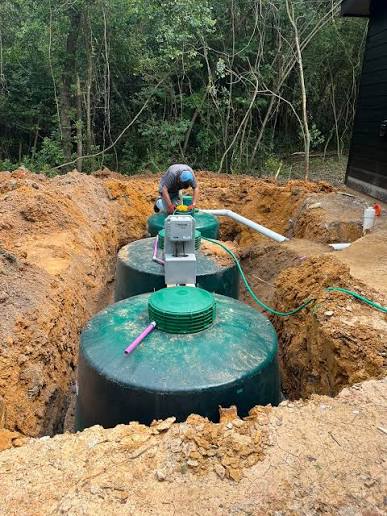
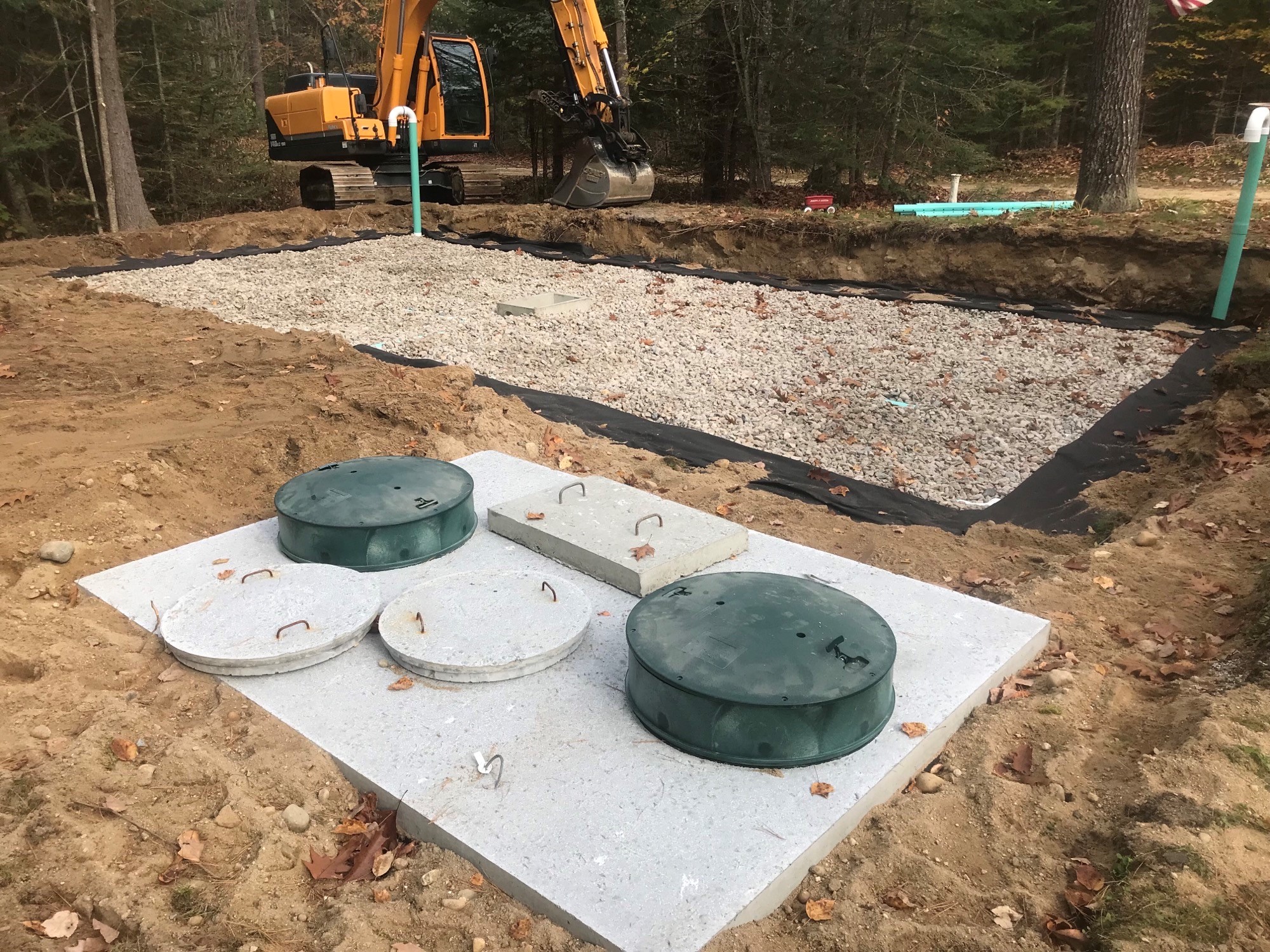
Typically, a septic system includes a septic tank and a leach field. First, wastewater from sinks, showers, toilets, and appliances flows into the septic tank. Then, the tank separates solids from liquids.
As a result, heavier materials settle at the bottom and create sludge. Meanwhile, lighter materials float to the top and form a layer called scum. The liquid portion then moves into the drainage area, also known as the leach field.
The leach field allows treated wastewater to slowly filter back into the soil. Therefore, the soil plays an important role in naturally cleaning the water before it returns to the environment.
Because septic systems rely on natural processes, they need proper care. However, when maintained correctly, many systems can last for decades.
Why Septic Systems Are Common in Southern NH Homes
Southern New Hampshire offers a wonderful mix of convenience, nature, and beautiful neighborhoods. Many towns feature larger lots, wooded areas, and peaceful settings. Because of this, private septic systems are very common.
Towns such as Londonderry, Hudson, Windham, Litchfield, Merrimack, and Amherst have many homes with private septic systems. These communities provide buyers with space, privacy, and a quieter lifestyle while still offering easy access to shopping, restaurants, and employment centers.
For buyers searching for Londonderry houses for sale, understanding septic systems can provide valuable confidence during the buying process. Many desirable properties include private septic systems because they allow homeowners to enjoy larger lots without depending on municipal sewer connections.
Additionally, many Southern NH houses for sale offer features buyers want, including acreage, outdoor living space, and established neighborhoods. However, these homes may come with private septic systems instead of city sewer.
This does not mean the home is harder to maintain. Instead, it means buyers need to understand the system and follow recommended maintenance schedules.
How Does a Septic System Work?
Understanding the basics of a septic system can help buyers feel more comfortable. Although the process sounds complicated, the system works in a simple way.
First, wastewater leaves the home through underground pipes. Next, it enters the septic tank. Inside the tank, natural bacteria break down waste materials.
Over time, solids collect inside the tank. Therefore, homeowners must schedule regular pumping to remove built up waste. If the tank becomes too full, problems can develop.
After the wastewater leaves the tank, it enters the leach field. The soil filters and treats the remaining wastewater before it reaches groundwater.
Because septic systems depend on natural treatment, homeowners must be careful about what enters the drains. For example, grease, harsh chemicals, and certain products can damage the system.
Overall, a properly maintained septic system quietly works in the background every day.
What Should Buyers Know About Septic Inspections?
A septic inspection is an important part of buying a home in New Hampshire. Before purchasing a property, buyers should understand the condition of the septic system.
Typically, a septic inspection includes reviewing available records, examining the tank, checking the components, and evaluating the overall condition of the system. In some cases, inspectors may recommend pumping the tank during the inspection process.
Additionally, buyers should review the septic design documents when available. These records can provide information about the system size, installation date, and property approval.
New Hampshire homes often have septic systems that vary in age. Some homes may have newer systems, while others may have systems that have been serving families for many years.
Therefore, working with an experienced NH REALTOR can help buyers understand what questions to ask. A knowledgeable agent can guide buyers through the inspection process and help them make informed decisions.
Does Every Home Need a Septic Inspection?
While septic inspections are strongly recommended, requirements can vary depending on the situation. Some lenders, municipalities, or purchase agreements may have specific requirements.
In addition, older homes may require extra attention. A newer septic system with proper records may provide more peace of mind. However, an older system does not automatically mean there is a problem.
Instead, buyers should focus on the system’s condition, maintenance history, and remaining life expectancy.
During the home buying process, buyers should also consider the cost of future repairs. A good inspection helps uncover potential concerns before closing.
How Much Does Septic Maintenance Cost?
One of the biggest questions buyers ask is about septic system costs. Fortunately, routine maintenance is usually affordable compared to major repairs.
Most homeowners should expect to pump their septic tank every two to three years. However, the timing depends on the size of the tank, the number of people living in the home, and household usage.
A typical septic pumping service may cost several hundred dollars. Although this is an expense, regular pumping can help prevent much larger problems.
Additionally, homeowners should budget for occasional inspections and possible repairs. Components such as pumps, pipes, or distribution boxes may eventually need attention.
The good news is that proper maintenance can significantly extend the life of a septic system. Simple habits today can help protect your investment for years.
Common Septic Problems Buyers Should Watch For
Most septic systems work well when homeowners take care of them. However, buyers should understand common warning signs.
Slow drains throughout the home can sometimes indicate a septic issue. Likewise, unusual odors, wet areas near the drain field, or sewage backups require immediate attention.
Also, lush green grass over the septic area may look attractive, but it can sometimes indicate excess moisture. Therefore, buyers should have concerns evaluated by a qualified professional.
Another important factor is the location of the septic system. Buyers should understand where the tank and leach field are located because future landscaping or building projects may be limited.
For example, homeowners should avoid placing sheds, pools, or heavy structures over septic areas. This information can help protect the system long term.
Septic Systems and Buying a Home From Out of State
Moving to New Hampshire from another state can feel overwhelming. Buyers often need to learn new terms, understand different construction styles, and become familiar with local systems.
For many out of state buyers, septic systems are one of the biggest differences. However, learning the basics before shopping can make the process easier.
When looking at Southern NH real estate, buyers should ask questions early. Find out whether the property has a private septic system or connects to public sewer.
Also, review the available records and schedule appropriate inspections. Taking these steps creates confidence and helps prevent surprises after moving in.
Whether you are relocating for work, family, retirement, or a lifestyle change, understanding septic systems gives you a stronger advantage.
Benefits of Owning a Home With a Septic System
Although septic systems require maintenance, they also offer many benefits. One advantage is having more independence from municipal systems.
Many homeowners appreciate having larger lots and more privacy. Septic systems are also common in some of the most desirable neighborhoods throughout Southern New Hampshire.
Additionally, homeowners do not pay monthly sewer fees. Over time, this can create savings compared to homes connected to city sewer systems.
Furthermore, private septic systems can support beautiful properties with gardens, outdoor spaces, and natural surroundings.
For buyers exploring New Hampshire real estate, septic systems should not be viewed as a negative. Instead, they are simply another important part of understanding the home.
Choosing the Right Southern NH Home With Confidence
Buying a home involves many important decisions. From location and price to inspections and maintenance, every detail matters.
When searching for Southern NH houses for sale, buyers should consider all aspects of the property. A septic system is one piece of the overall home investment.
With the right information, septic systems become much less intimidating. Buyers can confidently understand how they work, what maintenance they require, and what questions to ask.
If you are exploring Londonderry houses for sale or other communities throughout Southern New Hampshire, having an experienced REALTOR by your side can make the process easier. A local professional understands the homes, neighborhoods, and important details that affect your purchase.
Ultimately, Septic Systems 101 gives buyers the knowledge they need to make smart decisions. With proper inspections, regular maintenance, and a clear understanding of the system, a home with a septic system can provide years of comfort and enjoyment.
If you need more information on Septic Systems 101, or are ready to sell your house give us a call at (603) 883-8840. You can also sign up for your dream home search or reach out to Our Agents for more information. We’d love to help you with your real estate needs.