Converting a Duplex to Condex Units in NH?
Launch Thrive Architect
Before converting a duplex to condex units, two separate condos, it is important to understand how ownership works. Although these properties may look alike, their legal structure can be quite different. Our guide to Condo vs Condex in NH explains the differences in ownership, financing, maintenance, and shared expenses.
In business since 1972, we have helped buyers and sellers with condex properties throughout Southern New Hampshire. These transactions have given us firsthand experience with financing, condo documents, shared ownership, and resale considerations.
For example, we have represented buyers purchasing condexes at 56 Kingston Road, Unit B in Plaistow, 140 Bush Hill Road, Unit A in Hudson, and 8A Lenny Lane in Hudson. Other buyer transactions include 98B Greeley Street, 178B Old Derry Road, and 47A Derry Street in Hudson.
In addition, we have listed condex properties at 37 Greatbrook Road in Milford, 87 Pelham Road, Unit A in Hudson, and 9A David Drive in Hudson. We also listed both units at 4A and 4B Summer Street in Nashua after a duplex conversion.
Although these properties were all condexes, each transaction involved its own details. Therefore, we always recommend reviewing the ownership structure, financing options, and condominium documents before moving forward.
Converting a Duplex Into Condexes in New Hampshire
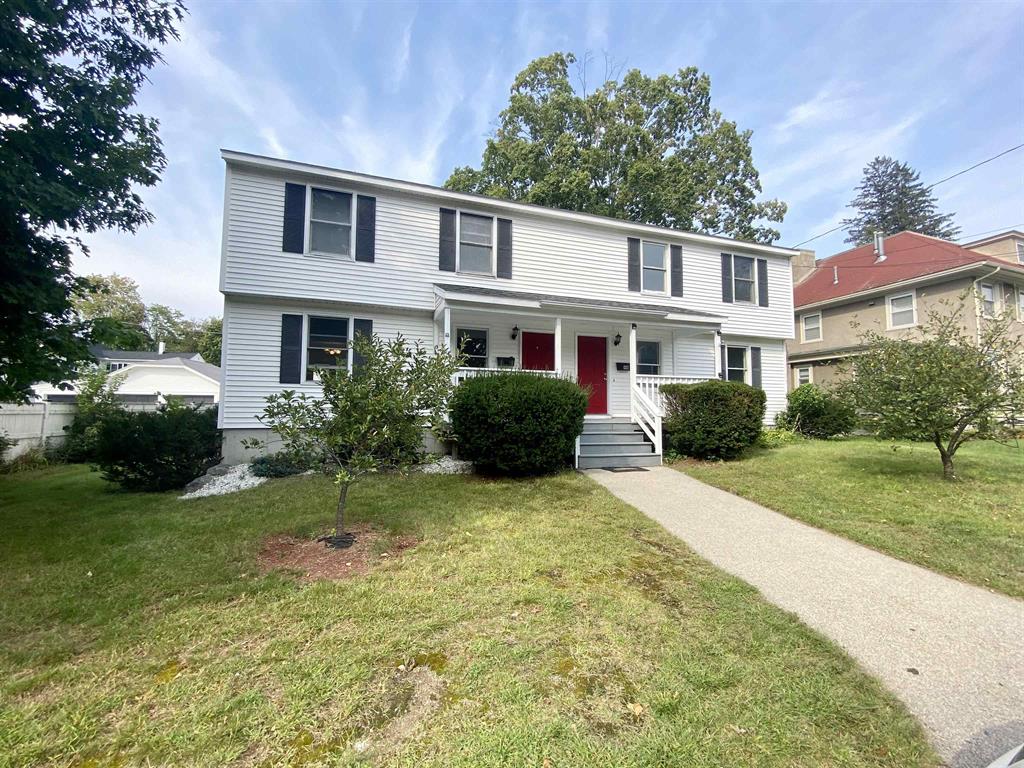
One of our more interesting transactions involved 4A and 4B Summer Street in Nashua, New Hampshire. The property originally operated as a duplex. However, by converting a duplex to condex units, the separately owned condominium units created an opportunity to sell each home individually.
The two units sold for $275,000 and $285,000, bringing the combined sales price to $560,000. In this case, selling the units separately produced a higher gross sales value than selling the property as one duplex was expected to produce.
However, converting a duplex to condex units involves more than creating two separate addresses. An attorney handled the legal paperwork required to establish the condominium ownership structure. In addition, the conversion involved fees and other closing requirements.
The transactions also required a Memorandum of Understanding. This document helped address matters related to the closings and the new ownership arrangement.
At Harmony Real Estate, our agents have experience representing buyers and sellers of multifamily homes and condexes. For example, our office listed two converted condex units on Summer Street in Nashua. Buyers exploring Nashua NH homes for sale may find similar properties with different ownership structures.
Can Converting a Duplex Into Condexes Increase Property Value?
In some cases, converting a duplex to condex units can increase the total sales value. However, the potential depends on the local housing market, property condition, zoning requirements, and conversion expenses.
For example, the Summer Street units sold for a combined $560,000. Selling the two homes individually allowed buyers to purchase one unit rather than the entire duplex.
As a result, the property could appeal to buyers seeking an individual home instead of a multifamily investment. This created a different pool of potential buyers.
However, property owners should compare the expected sales prices against legal fees, survey costs, recording fees, financing requirements, and other conversion expenses.
Before considering a condex conversion in Nashua, Hudson, or another New Hampshire community, we recommend speaking with a real estate attorney and local officials. A REALTOR® experienced with condex sales can also help evaluate potential resale values.
What Happens to Property Taxes After a Duplex Conversion?
Property taxes are another important consideration when converting a duplex into condexes.
For example, the Summer Street property originally had one tax bill for the duplex. However, after the conversion, the individual condominium units needed separate assessments.
Consequently, buyers could not assume that half of the original duplex tax bill would represent their future taxes. Once the city reassessed the individual units, their tax obligations could change.
This is especially important when calculating mortgage payments and monthly housing expenses.
Therefore, we recommend explaining the reassessment process to buyers before closing. The current tax information may not reflect the amount they will pay after the property receives its new assessment.
Can Converting a Duplex Into Condexes Increase Property Value?
In some cases, converting a duplex to condex units can increase the property’s total sales value. We experienced this firsthand when listing 4A and 4B Summer Street in Nashua, New Hampshire.
The property was originally a duplex. However, after converting it into two separate condominium units, the homes sold individually for $275,000 and $285,000. Together, they brought a total sales price of $560,000 in 2021.
For comparison, 17 Norton Street in Nashua sold as a duplex for $440,000 in 2021. That property was slightly older and offered approximately 90 additional square feet per unit. Despite its larger size, the total sale price was $120,000 less than the combined Summer Street sales in 2021.
Although other factors affect property values, this comparison illustrates the potential benefits of selling two individual homes rather than one multifamily property. However, converting a duplex to condex units also involves expenses.
For Summer Street, an attorney prepared the necessary condominium paperwork, and the conversion involved additional fees. We also needed a Memorandum of Understanding for the closings. Furthermore, the two units had different financing requirements, with one selling through FHA financing and the other through conventional financing.
Another important consideration was property taxes. The original duplex had one tax bill. However, after the conversion, the city needed to assess the two condominium units separately. Therefore, buyers needed to understand that their future tax bills could differ from the original assessment.
For property owners considering a duplex conversion in New Hampshire, the potential increase in sales value should be weighed against legal fees, conversion expenses, financing requirements, and market conditions.
In my experience, understanding these details before listing can help sellers make better decisions and potentially maximize their property’s value.
FHA vs Conventional Financing for Condexes in NH
Financing is one of the biggest concerns when purchasing a condex in New Hampshire. Although a condex may resemble a single family home, lenders often evaluate it under condominium financing requirements.
In our experience, conventional financing has often been the more practical option for condex buyers. However, FHA financing can also be possible when the property meets the applicable requirements.
For example, when we sold the two Summer Street condex units in Nashua, one buyer obtained FHA financing. However, the other buyer needed conventional financing because of the FHA concentration requirements applied to that condominium project.
The lender determined that another FHA loan could not be used under the applicable approval requirements. As a result, financing played an important role in completing both sales.
Can You Buy a Two Unit Condex With an FHA Loan?
Yes, an FHA loan may be possible for a two unit condex, but the project must qualify under the applicable FHA condominium approval requirements.
For FHA approved condominium projects, insurance concentration limits can affect whether additional FHA loans are available. In addition, the association’s legal documents, insurance, financial condition, and other requirements may need review.
However, buyers should not assume that every two unit condex qualifies for FHA financing. FHA’s standard single unit approval option for condominium projects that lack project approval generally requires at least five units.
Therefore, I recommend contacting a lender experienced with FHA condominium financing before submitting an offer.
Why Conventional Financing Is Often Easier for Condexes
Conventional financing can provide another option for buyers purchasing a condex. Depending on the project and loan program, certain two unit condominiums may qualify for exceptions from some standard condominium project review requirements.
For example, a buyer may qualify for conventional financing even when an FHA loan is not available for the property.
However, the lender still needs to review the buyer’s qualifications, insurance coverage, and applicable property requirements.
In our experience, discussing financing early helps prevent unnecessary delays. It also gives sellers a better understanding of which buyers may qualify for their property.
New Hampshire Housing Down Payment Assistance for Condex Buyers
First time homebuyers in New Hampshire may have more financing options than they realize. In addition to traditional conventional and FHA loans, New Hampshire Housing offers mortgage programs that can help eligible buyers with down payments and closing costs.
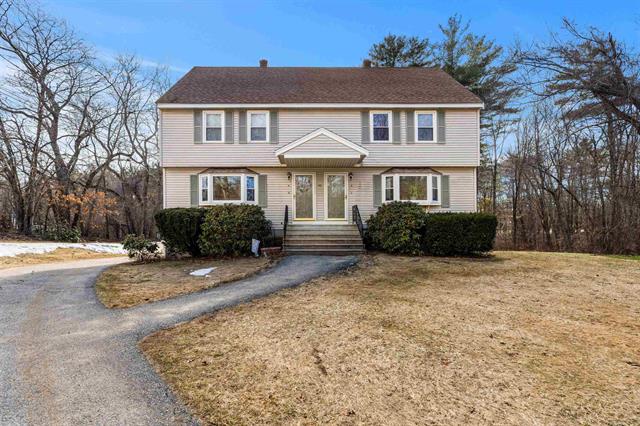
For example, we helped a buyer purchase the condex at 56 Kingston Road, Unit B in Plaistow using a New Hampshire Housing conventional mortgage program with down payment assistance.
This transaction is a good example of why buyers should explore financing options before assuming they cannot afford a home.
In 2026, New Hampshire Housing offers eligible buyers up to $15,000 in down payment and closing cost assistance through participating mortgage programs. Some conventional mortgage options also allow low down payments.
However, buyers must meet the program’s income, property, credit, occupancy, and other requirements. The condominium must also meet the lender’s eligibility standards.
The assistance generally comes as a second mortgage with no interest or required monthly payments. However, repayment is required under certain circumstances, including selling or refinancing the property.
Therefore, first time homebuyers searching for condos or condexes in Hudson, Nashua, Plaistow, and surrounding towns should speak with an approved New Hampshire Housing lender.
A condex may offer more space or outdoor amenities than some traditional condos. With the right financing program, it may also provide an affordable path to homeownership.
Why Experience Matters When Selling a Condex in New Hampshire
Selling a condex involves many of the same steps as selling a single family home. However, condominium documents, financing requirements, shared expenses, and insurance can add complexity.
For example, our experience with the Summer Street conversion involved legal paperwork, separate financing arrangements, and property tax considerations. Meanwhile, the Plaistow transaction involved a conventional mortgage program with down payment assistance.
These examples show why understanding the property and available financing options matters.
As REALTORS® with Harmony Real Estate, we have worked with condex buyers and sellers throughout Hudson, Nashua, Milford, Plaistow, and other Southern New Hampshire communities.
Whether you are purchasing your first condex, selling an existing unit, or considering converting a duplex into separate condominiums, understanding the details can make a significant difference.
With proper planning, clear documentation, and experienced guidance, buyers and sellers can make informed decisions and avoid unnecessary surprises.
Are you considering selling a duplex or converting a duplex to condex units? At Harmony Real Estate, our agents have experience with both types of transactions. Contact Harmony Real Estate to discuss your property’s potential value and available selling options.